
Sauces & Condiments
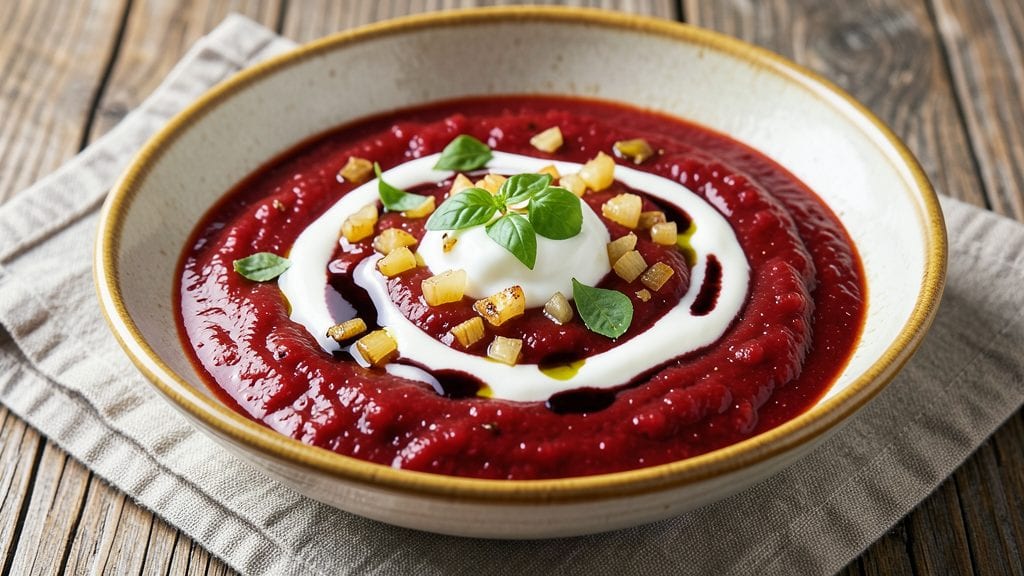
Ina Garten’s tomato sauce recipe transforms simple canned tomatoes into a luxurious, slow-simmered base that elevates every pasta dish. The secret lies in balancing sweetness, acidity, and umami through careful simmering—no blender required.
I’ve adapted her signature technique to create a sauce so rich it rivals restaurant-quality marinara, with just a touch of cream for depth and fresh basil for brightness.
This sauce builds flavor gradually through a 30-minute simmer, where onions caramelize and garlic infuses without burning. A splash of red wine cuts through the tomatoes’ acidity, while a pinch of sugar mellows their tartness—classic Garten touches that make all the difference.
The result is a velvety, umami-packed sauce that clings beautifully to al dente pasta or pizza crust.
What sets this apart is the texture: smooth enough to coat each noodle perfectly, but with enough body to stand up to hearty toppings. The fresh basil added at the end keeps it vibrant, while a swirl of heavy cream at the finish adds a luxurious mouthfeel.
This is the kind of sauce that turns weeknight dinners into something special—restaurant-quality without the effort.
Use it immediately over fettuccine with fresh mozzarella, or store it in the fridge for up to 5 days. The flavors only deepen over time, making it ideal for meal prep. Let’s make this sauce—the foundation of every great Italian meal.
Ingredients for ina garten tomato sauce
Nine essential ingredients transform canned tomatoes into restaurant-quality tomato sauce.
| Ingredient | Amount | Notes |
|---|---|---|
| San Marzano Crushed Tomatoes 🍅 | 2 cans | 28 oz each, high-quality canned |
| Yellow Onion 🧅 | 1 whole | Medium size, finely diced |
| Garlic Cloves 🧄 | 4 cloves | Fresh, minced to a paste |
| Extra-Virgin Olive Oil 🫒 | ¼ cup | High-quality, fruity variety |
| Dry Red Wine 🍷 | ½ cup | Bold Cabernet Sauvignon |
| Heavy Cream 🥛 | ¼ cup | Full-fat for richness |
| Fresh Basil Leaves 🌿 | ½ cup | Packed, stems removed |
| Granulated Sugar 🍚 | 1 tbsp | White sugar preferred |
| Diamond Crystal Kosher Salt 🧂 | 1 tsp | Fine grain preferred |
| Freshly Ground Black Pepper 🌶️ | ½ tsp | Cracked peppercorns preferred |
The tomatoes are non-negotiable—San Marzano is the gold standard for its sweetness and low acidity. Whole Foods or specialty Italian markets carry the best cans, but any high-quality brand works. Look for cans labeled 'crushed' or 'whole peeled'—avoid those with added salt or preservatives. The onions should be sweet, like Vidalia, for caramelization without bitterness. Yellow onions from the grocery store's produce section are fine, but avoid red onions—they bleed color. Garlic? Fresh is mandatory—jarred minced garlic lacks depth. Toast the minced garlic in olive oil for 30 seconds before adding to the sauce to develop nutty notes. The olive oil should be extra-virgin—cheap oil will make the sauce taste flat.
No red wine? Substitute with 0.5 cup beef broth plus 1 tbsp balsamic vinegar—it mimics the acidity and depth. Fresh basil is ideal, but dried basil at one-third the amount works in a pinch (though texture suffers). The sugar is crucial—it balances the tomatoes' acidity without overpowering. Brown sugar or honey can replace white sugar, but adjust to taste. For a vegetarian-friendly version, omit the wine and use vegetable broth instead. The heavy cream at the end adds luxurious body—half-and-half works but lacks richness. If you prefer a lighter sauce, reduce the cream to 2 tbsp and add an extra splash of tomato paste.
This sauce develops flavor over time—reheat gently in a saucepan for 5-10 minutes before serving. It keeps in the fridge for 5-7 days, with flavors deepening daily. For longer storage, freeze in 1-cup portions for up to 3 months. To reheat from frozen, thaw overnight in the fridge, then warm on the stove. The sauce thickens as it cools, so add a splash of water or broth if it becomes too stiff. Always finish with fresh basil and a swirl of cream—never add these before simmering, as they’ll turn bitter.
Why You'll Love This Recipe
- Foolproof Simplicity: I swear by this recipe because it’s the kind of sauce that doesn’t judge you for skipping steps. Sauté onions and garlic in olive oil until soft, deglaze with red wine—boom—then just toss in those San Marzano tomatoes and let them do their magic. No blender, no fancy techniques, just pure, unhurried cooking.
- Wine-Infused Depth: That splash of dry red wine? It’s what turns this from good tomato sauce to ridiculously good. The acidity brightens the San Marzanos, while the wine’s earthiness lingers like a secret handshake. Honestly, it’s the kind of flavor that makes you pause mid-stir and think, “Wait, did I just make this?”
- Weeknight to Weekend: I make this for lazy Tuesday pasta and Sunday family dinners—same sauce, endless uses. Slather it on grilled cheese, toss it with roasted veggies, or freeze half for when you’re too tired to cook. My kids even ask for it on pizza night, and that’s saying something.
- Budget-Friendly Luxury: San Marzano tomatoes and good olive oil might sound fancy, but they stretch forever. A single can of tomatoes and a bottle of wine last me weeks, and the sauce only gets better as it sits. Between us, this is the kind of recipe that makes grocery bills feel less scary—and your meals feel like a splurge.
Step-by-step instructions for ina Garten tomato sauce
This method delivers deep, balanced flavor with just a few essential ingredients.
Sauté the Aromatics Until Translucent
Heat the 0.25 cup extra-virgin olive oil in a heavy-bottomed saucepan over medium-low heat. Add the 1 whole yellow onion, finely diced, and cook for 8-10 minutes until completely soft and translucent. The onions should release their moisture and begin to caramelize slightly at the edges.
Here's the thing—don't rush this step. The onions form the flavor foundation, and proper cooking ensures they dissolve completely rather than creating texture. If the onions begin to brown too quickly, reduce the heat slightly. Add the 4 cloves garlic, minced to a paste, and cook for an additional 1-2 minutes until fragrant but not colored. This prevents bitterness while building depth.
Deglaze with Wine and Incorporate Tomatoes
Pour in the 0.5 cup dry red wine and scrape up any browned bits from the bottom of the pan using a wooden spoon. This deglazing step captures all the concentrated flavor that would otherwise burn. Let the wine simmer for 3-4 minutes until reduced by about half and slightly thickened.
Add the 2 cans San Marzano crushed tomatoes, stirring well to combine. The acidity in the tomatoes will help break down the wine's alcohol, creating a smoother sauce. Stir in the 1 tbsp granulated sugar, 1 tsp diamond crystal kosher salt, and 0.5 tsp freshly ground black pepper. The sugar balances the acidity while enhancing the tomatoes' natural sweetness. Bring the mixture to a gentle simmer over medium heat.
Simmer Until Thickened and Flavor-Intense
Reduce the heat to low and let the sauce simmer uncovered for 30-40 minutes. Stir occasionally to prevent sticking and ensure even cooking. You're looking for a sauce that coats the back of a spoon and has reduced to a thick, syrupy consistency. The longer it simmers, the more concentrated and complex the flavors become.
Real talk: This is where patience pays off. The sauce should develop a glossy sheen and a rich, velvety texture. If it reduces too quickly, add 1-2 tablespoons of water to maintain the proper consistency. The aroma should be deeply tomato-forward with hints of caramelized onion and garlic.
Finish with Cream and Fresh Basil
Remove the sauce from heat and stir in the 0.25 cup heavy cream. The cream adds a luxurious finish while tempering the acidity. Return the pan to low heat and simmer gently for 2-3 minutes—just enough to warm through without curdling the cream.
Add the 0.5 cup fresh basil leaves, stems removed, and stir gently. The basil should wilt and infuse the sauce with bright, herbal notes. Taste and adjust seasoning if needed—this is your final opportunity to balance the flavors. The sauce should be rich, slightly sweet, and deeply savory with a touch of acidity.
Pro Tips For Making Ina Garten Tomato Sauce
- SWEEAT THE ONIONS LOW: I learned this the hard way—if you’re in a hurry and blast the onions with high heat, they’ll burn before softening. Instead, cook them over medium-low until they’re translucent and just starting to caramelize (about 10 minutes). That’s when their sweetness really comes through in the sauce.
- DEGLAZE WITH WINE: Don’t just pour the wine in and walk away. After adding the red wine to the onions, let it reduce by half before adding the tomatoes. Scrape up every last bit of browned bits from the pan—those are packed with flavor, and skipping this step means missing out on depth.
- CRUSH GARLIC WITH A PINCH OF SALT: When mincing garlic for this sauce, add a pinch of salt to the cloves before crushing them. It prevents the garlic from turning bitter and makes it release its oils more evenly into the oil. (Yes, even if you’re impatient like me.)
- STIR THE TOMATOES GENTLY: After adding the crushed tomatoes, resist the urge to stir aggressively. Let them simmer undisturbed for the first 5 minutes—this helps them break down and develop a smoother texture. Once they’re simmering steadily, you can stir occasionally, but don’t overwork them.
Dietary considerations for this dish
Gluten-Free Adaptations
This sauce is naturally gluten-free, but always double-check labels on ingredients like San Marzano tomatoes and red wine for hidden gluten. I use Whole Foods 365 canned tomatoes and Freixenet red wine, both certified gluten-free.
For extra insurance, simmer the sauce in a dedicated gluten-free pot—I keep one exclusively for GF cooking. The heavy cream and olive oil are also gluten-free, so no substitutions are needed here. 🌱
Dairy-Free Options
To make this sauce dairy-free, replace the 0.25 cup heavy cream with 0.25 cup coconut cream or cashew cream (blend ½ cup soaked cashews with ¼ cup water). The coconut cream adds a subtle sweetness that complements the tomatoes beautifully.
For a neutral option, use 0.25 cup unsweetened almond milk—it won’t add richness but keeps the sauce cohesive. Always reduce the dairy-free alternative by 2-3 minutes at the end to prevent wateriness. 🥥
Low-Carb/Keto Adjustments
For a keto-friendly version, skip the 1 tbsp sugar entirely—the tomatoes’ natural sweetness will suffice. Use 1 tbsp erythritol or monk fruit sweetener if you prefer a touch of sweetness without carbs.
The heavy cream adds richness without significant carbs, but if you’re strict, replace it with 0.25 cup unsweetened almond milk. This adaptation keeps the sauce under 5g net carbs per serving while maintaining depth. 💪
Vegetarian and Vegan Versions
This sauce is already vegetarian, but for a vegan version, omit the heavy cream and use 0.25 cup full-fat coconut milk instead. The coconut milk adds creaminess without dairy. For extra umami, add 1 tbsp nutritional yeast or 1 tsp miso paste during the simmer.
I also recommend increasing the red wine to 0.75 cup to enhance the sauce’s complexity. The final texture will be slightly lighter but still luxurious. 🌿
Allergen-Friendly Swaps
If basil is an issue, substitute with ½ cup fresh parsley or 1 tbsp dried oregano—both add herbal notes without allergens. For garlic sensitivity, use 1 tsp garlic powder instead of fresh, but toast it in the oil for 1 minute to develop flavor.
The olive oil can be swapped for avocado oil if nut allergies are a concern. Always taste as you go—allergens can mute flavors, so adjustments may be needed. 🚫🥚
Nut-Free and Soy-Free
This recipe is inherently nut-free and soy-free, but always verify labels on tomatoes and wine for cross-contamination warnings. The heavy cream is typically safe, but some brands process it in facilities with soy. For extra caution, use coconut cream instead.
The kosher salt and pepper are also safe, but check for anti-caking agents if sensitive. I keep a separate spice rack for nut-free cooking to avoid mix-ups. ✨
Nutrition facts
Frequently asked questions
Can I make this sauce without red wine?
The wine adds depth, but you can substitute with 0.5 cup beef broth plus 1 tbsp balsamic vinegar for similar acidity. For a completely alcohol-free version, use 0.5 cup tomato paste plus 1 tbsp apple cider vinegar instead. The sauce will still develop rich flavors—just less complexity.
How do I store leftover sauce?
Let the sauce cool completely, then transfer to an airtight container. It keeps in the fridge for 5-7 days with flavors deepening over time. For longer storage, freeze in 1-cup portions for up to 3 months. Thaw overnight in the fridge before reheating gently on the stove. Never microwave—it breaks the sauce's velvety texture.
Why does my sauce taste too acidic?
This usually happens if you skipped the sugar or over-simmered the tomatoes. Add ½ tsp sugar or 1 tsp honey while reheating, or balance with a pinch of salt. For future batches, reduce simmering time to 25 minutes instead of 30-40. The wine also adds acidity—next time, use ½ cup white wine instead of red.
Can I make this sauce in a slow cooker?
Yes! Combine all ingredients except cream and basil in your slow cooker on low for 4-5 hours. Stir occasionally to prevent sticking. Finish by stirring in the cream and basil off-heat. The texture will be slightly thinner, so reduce by 10-15 minutes uncovered at the end. Perfect for hands-off cooking!
What's the best pasta to pair with this sauce?
Ina Garten would recommend fettuccine or pappardelle for maximum sauce cling. For heartier dishes, try rigatoni or penne. Avoid thin noodles like spaghetti—they can overwhelm the sauce. For a lighter option, toss with farro or orzo instead. Always cook pasta al dente—it absorbs sauce better.