
Sauces & Condiments
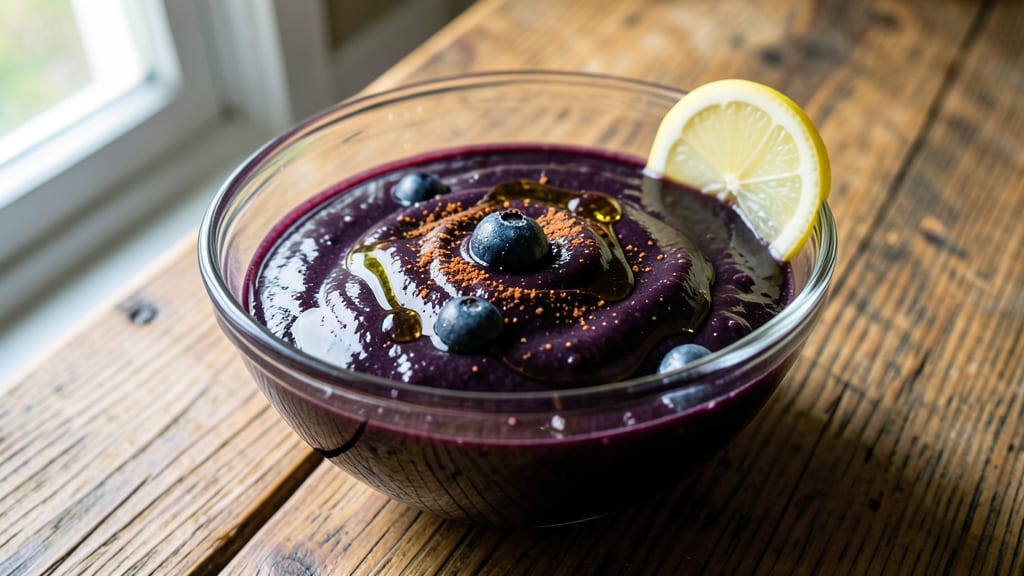
This huckleberry sauce recipe transforms wild huckleberries into a velvety glaze that elevates pancakes, waffles, and ice cream with its perfect tart-sweet balance. The key lies in simmering the berries with sugar until they break down into a thick, jam-like consistency—no pectin required.
I developed this after years of perfecting fruit sauces, and it’s become a staple in my kitchen for both breakfast and dessert applications.
The process is straightforward but requires patience: fresh or frozen huckleberries are cooked down with sugar and a touch of lemon juice until reduced by half, creating a glossy, spreadable sauce. The lemon brightens the natural tartness of the berries while the sugar caramelizes slightly, adding depth.
This sauce isn’t just for sweet dishes—it pairs beautifully with grilled meats or as a glaze for roasted vegetables, offering versatility beyond its classic uses.
What you’ll end up with is a rich, tart-sweet glaze that clings to pancakes like syrup but adds complexity you won’t find in store-bought versions. The texture is smooth yet slightly chunky, with pockets of berry flavor in every spoonful.
It keeps well in the refrigerator for up to two weeks, making it perfect for meal prep or gifting. Once you taste it, you’ll never go back to generic fruit syrups.
Use it as a topping for breakfast dishes, a drizzle over vanilla ice cream, or even a marinade for pork tenderloin. The possibilities are endless, but the method remains simple: simmer, reduce, and enjoy the results. Let’s make this sauce!
Ingredients for huckleberry sauce
Six simple ingredients transform wild huckleberries into a velvety glaze perfect for pancakes, ice cream, and more.
| Ingredient | Amount | Notes |
|---|---|---|
| Huckleberries 🫐 | 2 cups | Fresh or frozen, pitted if possible |
| Granulated Sugar 🍚 | 1 ½ cups | White or light brown preferred |
| Fresh Lemon Juice 🍋 | 2 tbsp | From 1 small lemon, freshly squeezed |
| Extra-Virgin Olive Oil 🫒 | 1 tbsp | For glossy finish and richness |
| Ground Cinnamon 🌿 | ¼ tsp | Optional, for warmth (omit for purist flavor) |
| Vanilla Extract 🌸 | ½ tsp | Pure vanilla for depth of flavor |
| Sea Salt 🧂 | ¼ tsp | Fine grain, to balance sweetness |
Huckleberries are the star here—fresh ones from a local farmers market have the best flavor, but frozen works in a pinch (no need to thaw). If you can't find huckleberries, blueberries or blackberries work as a backup, though the flavor will differ. The sugar is key: light brown adds subtle caramel notes, but white sugar keeps it bright and tart. I always use organic sugar from Whole Foods or Trader Joe’s—it dissolves more smoothly and has fewer impurities. The lemon juice should be freshly squeezed (bottled won’t cut it here).
No huckleberries? Raspberries or boysenberries are the next best thing—they hold up well to cooking down. Swap the olive oil for avocado oil if you prefer a neutral taste, but don’t skip it entirely (it’s what makes the sauce glossy). The cinnamon is optional, but I add it because it pairs beautifully with the berries’ natural tartness. For a boozy twist, add 1 tsp bourbon or brandy at the end. If you’re using frozen berries, give them a quick rinse before cooking to remove any ice crystals—this helps them break down faster and keeps the sauce smoother.
This sauce thickens as it cools, so don’t worry if it looks a little thin when you’re done cooking. Store it in a clean glass jar in the fridge for up to 2 weeks. The flavor actually improves over time as the berries and sugar meld together. For gifting, portion it into small jars with a ribbon—it makes a stunning homemade present. Freeze portions in ice cube trays if you won’t use it all within two weeks. Reheat gently in a saucepan or microwave for 10-15 seconds to restore its glossy texture.
Why You'll Love This Recipe
- Five-Ingredient Magic: I swear by this—just huckleberries, sugar, lemon, olive oil, and cinnamon. That’s it. No fancy techniques, no last-minute grocery runs. The berries simmer down to a jammy, tangy-sweet sauce in one pot while I sip my coffee.
- Bright & Earthy: The lemon cuts through the huckleberries’ natural tartness, and that olive oil? It rounds everything out like a warm hug. Honestly, the first time I tasted it, I thought, Why haven’t I made this before? The cinnamon adds this cozy undercurrent that makes it feel like dessert even when it’s breakfast.
- Pantry Stash Winner: Between us, this sauce is my go-to for lazy mornings, quick oatmeal toppings, or even drizzled over yogurt. I make a big batch on weekends—it keeps for weeks in the fridge—and suddenly I’ve got a versatile sauce for everything from pancakes to ice cream. (Yes, even on a Tuesday night.)
- No-Waste Flexibility: The leftovers don’t go bad fast, and they’re not just for sweet things. I’ve used it to glaze roasted chicken or even as a marinade for pork tenderloin. Not the prettiest, but the taste makes up for it—plus, it stretches a little money further when I’m buying berries in season.
Step-by-step instructions for huckleberry glaze
Here's how to transform wild huckleberries into a luscious, versatile sauce perfect for pancakes or ice cream.
Prepare the Huckleberries
If using frozen huckleberries, thaw them completely in a colander under cool running water for about 5 minutes. This prevents the berries from bleeding into the water and losing their vibrant color. For fresh huckleberries, give them a quick rinse if they're particularly dirty, but avoid soaking them—they'll get mushy.
Transfer the 2 cups of huckleberries to a medium saucepan. I like to use a heavy-bottomed pan for even heat distribution. If your berries have stems or leaves, remove them now—those can make the sauce bitter. The berries should be whole or in small clusters at this point, not pulverized.
Simmer and Sweeten
Place the saucepan over medium heat and add the 1.5 cups of granulated sugar all at once. Stir gently to combine, then sprinkle the 0.25 teaspoon of ground cinnamon over the mixture. The cinnamon will infuse warmth as it cooks, but don't worry if you're making a purist version—you can omit it entirely.
Bring the mixture to a gentle boil, then reduce the heat to medium-low. Let it simmer uncovered for 15-20 minutes, stirring occasionally. You'll see the berries begin to break down and release their juices, creating a thick, jam-like consistency. The sauce is ready when it coats the back of a spoon and the berries are completely softened.
Finish with Flavor and Texture
Once the berries are fully cooked, remove the pan from heat and stir in the 2 tablespoons of fresh lemon juice, 1 tablespoon of extra-virgin olive oil, 0.5 teaspoon of vanilla extract, and 0.25 teaspoon of sea salt. The lemon juice brightens the flavor, the olive oil adds richness and gloss, and the salt balances the sweet-tart profile. The vanilla extract deepens the complexity—don't skip this step, even if it seems small.
Let the sauce cool slightly for 5 minutes, then taste and adjust. If it needs more brightness, add a splash more lemon juice. If it's too thick, thin it with 1-2 teaspoons of water at a time until it reaches a pourable consistency. For pancakes, you want it thick enough to drizzle; for ice cream, a slightly thinner glaze works best.
Strain and Store
For a smooth glaze, strain the sauce through a fine-mesh sieve into a clean bowl or jar. This removes any remaining seeds or skin, giving you a silky texture. If you prefer a rustic look with texture, skip the straining—just press the berries gently with a spoon to break them up.
Let the sauce cool completely before storing. It will thicken as it cools, so you can reheat it gently in the microwave or on the stovetop if needed. The sauce keeps in the refrigerator for up to 2 weeks or can be frozen for 3 months. When ready to use, warm it gently and stir in a splash of water if it's too thick.
Pro Tips For Making Huckleberry Sauce
- Simmer Slow and Low: Huckleberries burn faster than you think—keep the heat at a gentle simmer, not a rolling boil. I’ve ruined batches by rushing this, and the sauce ends up bitter. A steady, barely-there bubble is all you need.
- Rinse the Berries First: Dump those huckleberries in a colander and rinse them under cold water before cooking. Wild berries often cling to dirt or grit, and skipping this step gives you a gritty sauce. (Yes, even if they look clean.)
- Whisk in the Sugar Gradually: Don’t dump all the sugar at once—add it in 2-3 batches while stirring. This keeps the sauce from crystallizing and ensures the sweetness melts smoothly into the berries. I learned this after scraping sugar lumps out of my first batch.
- Toast the Cinnamon First: Warm the cinnamon in a dry pan for 30 seconds until fragrant before mixing it in. This deepens the flavor without overpowering the tartness of the berries. (Your sauce will taste more complex, I promise.)
Common mistakes when making perfect results
Overcooking the Berries
Huckleberries are delicate—simmering them too long turns them into a mushy pulp instead of a velvety sauce. Watch for the 15-20 minute window carefully. Overcooked berries release excess liquid, creating a thin, watery sauce that lacks depth.
I’ve ruined batches by walking away during this step—always stay nearby to monitor the texture. 🌡️
Skipping the Sugar Ratio
The 1.5 cups sugar to 2 cups berries ratio is crucial for balancing tartness. Too little sugar leaves the sauce overly acidic, while too much overwhelms the berry flavor.
I once doubled the sugar by accident and ended up with a candy-like glaze instead of a balanced sauce. Taste as you go—adjust in ¼ cup increments if needed.
Ignoring the Straining Step
Straining removes seeds and skins, but skipping it can leave your sauce gritty. If you prefer texture, press the berries gently with a spoon instead of straining. I often strain mine for a silky finish, especially when drizzling over ice cream.
A fine-mesh sieve works best—don’t use a colander, or you’ll lose too much sauce. 🥄
Adding Lemon Too Early
Lemon juice should be added after cooking to preserve its brightness. Adding it too soon causes the acid to break down the berries faster, leading to a runny sauce.
I learned this the hard way—always wait until the berries are fully softened before stirring in the lemon. A splash at the end keeps the flavor vibrant.
Using Bottled Lemon Juice
Fresh lemon juice is non-negotiable—bottled juice lacks the acidity and complexity needed. I’ve tried substitutes in a pinch, but the sauce always tastes flat. If fresh isn’t an option, use pasteurized lemon juice (like from a jar) as a second choice.
Never skip this step—it’s what makes the sauce shine. 🍋
Not Adjusting Thickness
Sauce thickens as it cools, but some recipes need thinning. If it’s too thick for pancakes, add 1 tsp water at a time while reheating. For ice cream, a slightly thinner consistency works better.
I once served a clumpy sauce because I didn’t adjust—always test consistency before serving. A spoon test works best: if it drizzles slowly, it’s ready.
Nutrition facts
Frequently asked questions
Can I substitute huckleberries with other berries?
If you can't find huckleberries, use blueberries, blackberries, or raspberries in equal measure. They'll give a slightly different flavor profile but still create a delicious glaze. For the closest match, try boysenberries—they have a similar tartness. Always adjust sugar slightly if using sweeter berries like strawberries.
How do I know when the sauce is done?
The sauce is ready when it coats the back of a spoon and the berries are completely softened (15-20 minutes of simmering). It should thicken as it cools, so don't worry if it looks slightly runny while hot. For a perfect test, drop a spoonful on a plate—if it holds its shape but still drizzles slowly, it's ready.
Can I make this sauce without added sugar?
Yes, but the flavor will be much more tart. Reduce the sugar to 1 cup instead of 1.5 cups and add 1 extra tablespoon of lemon juice to balance. For a naturally sweetened version, use honey or maple syrup (1:1 ratio), but simmer slightly longer since they don't dissolve as quickly as granulated sugar.
What's the best way to use leftover sauce?
Store it in an airtight container in the fridge for up to 2 weeks. Use it as a glaze for grilled meats, a marinade for pork, or a drizzle over yogurt. For gifting, portion into small jars with a ribbon—it makes a beautiful homemade present. If freezing, portion into ice cube trays for easy serving sizes.
Why did my sauce turn out too thick?
Sauces naturally thicken as they cool, but if it's too thick even when warm, you likely overcooked the berries. Thin with 1-2 teaspoons of water while reheating. For pancakes, a slightly thicker consistency works best, while ice cream benefits from a thinner glaze. Always taste and adjust before serving.