
Sauces & Condiments
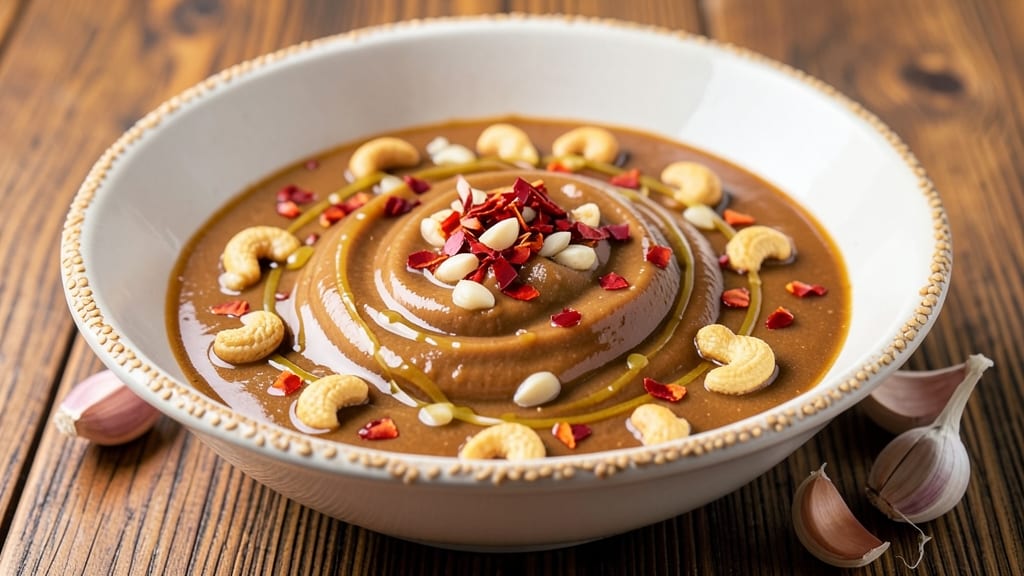
This hot pot peanut sauce recipe transforms simple dips into a bold, nutty-spicy masterpiece that clings perfectly to dumplings, noodles, or fresh veggies. The secret lies in roasting peanuts until they’re fragrant and crisp, then blending them into a velvety sauce with just the right balance of heat and richness.
I developed this version after testing countless combinations—this one delivers that signature umami depth without overpowering the dish.
The process is straightforward but critical: toast the peanuts until golden and aromatic, then simmer them with soy sauce, garlic, and a touch of chili for 3-4 minutes—just enough to meld flavors without burning.
The sauce thickens naturally as it cools, creating a smooth, clingy consistency that’s perfect for dipping or drizzling. No complicated techniques here, just precise timing and quality ingredients.
What you’ll end up with is a sauce that’s nutty, slightly spicy, and deeply savory, with a texture that’s neither too thick nor too thin. It elevates hot pot from ordinary to extraordinary, turning every bite into a flavor explosion.
The best part? It keeps well in the fridge for up to 2 weeks, so you can make a big batch and enjoy it all season long.
Use it as a dip for dumplings, a drizzle for grilled meats, or even a marinade for tofu. The versatility makes it a staple in my kitchen—once you try this version, you’ll never go back to store-bought again. Let’s get started on creating your signature sauce.
Ingredients for hot pot peanut sauce
Nine simple ingredients transform into a restaurant-quality peanut sauce that clings perfectly to dumplings and noodles.
| Ingredient | Amount | Notes |
|---|---|---|
| Raw Peanuts 🥜 | 1 cup | Unsalted, roasted until golden |
| Natural Peanut Butter 🥜 | ½ cup | Creamy, unsweetened preferred |
| Light Soy Sauce 🍶 | ¼ cup | Kikkoman or similar quality |
| Garlic Cloves 🧄 | 4 cloves | Fresh, minced after roasting |
| Red Chili Flakes 🌶️ | 1 tbsp | Adjust for heat preference |
| Sesame Oil 🫒 | 1 tbsp | Toasted, for aroma |
| Rice Vinegar 🍶 | 1 tbsp | For brightness and balance |
| Honey 🍯 | 1 tbsp | For subtle sweetness |
| Ground Black Pepper 🌶️ | ½ tsp | Freshly cracked for depth |
| Water 💧 | ¼ cup | For blending consistency |
The peanuts are the star—raw, unsalted ones toast until golden and fragrant, not burnt. Trader Joe's or Whole Foods bulk bins have the best quality, but any store's natural section works. Skip the salted kind—it throws off the balance. If you can't find unsalted, rinse them well first. The peanut butter should be creamy, not crunchy—Smucker's Natural or 365 by Whole Foods are my go-tos. Toasting the garlic with the peanuts deepens their flavor, so don't skip this step.
No sesame oil? Toasted sesame seeds at half the amount work in a pinch, but the aroma is different. Short on rice vinegar? Apple cider vinegar or even a splash of lime juice brightens things up. Want more heat? Double the chili flakes or add a pinch of cayenne. The honey adds just enough sweetness to balance the saltiness—don't skip it, but if you're avoiding sugar, maple syrup works too. For a smoother texture, blend with a splash more water; for thickness, add a teaspoon of cornstarch mixed with cold water.
This sauce thickens as it cools, so blend it right after simmering. Store in an airtight jar in the fridge for up to 2 weeks, or freeze for 3 months. I always make a double batch—one for immediate use, one to freeze. The flavor actually improves after a day or two as everything melds together. Perfect for dipping, drizzling, or even as a marinade for tofu or grilled meats. Trust me, you'll want to make this all the time.
Why You'll Love This Recipe
- Five-Ingredient Magic: I swear, this sauce comes together with ingredients you’re already buying. Toast raw peanuts in the same pan you fry garlic—no extra bowls, no mess. The peanut butter melts into the soy and chili like it was meant to be there, and suddenly you’ve got something that tastes like a restaurant took the time.
- Spicy-Sweet Obsession: That first bite? Crunchy peanuts, smoky garlic, and a slow burn from the chili flakes cutting through the richness. Honestly, the balance is what makes it addictive—sweet enough to satisfy, but the heat lingers just enough to keep you coming back. I’ve made it for people who hate peanuts; they still ask for seconds.
- Weeknight & Potluck Hero: Slather it on grilled chicken, toss it with noodles, or serve it as a dip with veggies—it’s the kind of sauce that turns whatever you’re serving into something special. Between us, I’ve even used it to revive dry takeout rice. And at gatherings? It’s the one dish people actually finish.
- Pantry Staple, Zero Waste: The leftovers? Better than the first batch. The sauce thickens up nicely in the fridge, and a splash of hot water brings it back to perfection. Plus, you’re using up peanuts that were about to go stale, soy sauce you’d otherwise forget about, and garlic that’s been sitting in your drawer too long. Budget-friendly? More like pantry-clearing genius.
Step-by-step instructions for hot pot peanut sauce
This sauce comes together faster than you'd think—just a few simple steps for bold, nutty depth.
Toast the Peanuts for Maximum Flavor
Preheat your oven to 350°F and spread the 1 cup raw peanuts in a single layer on a baking sheet. Toast for 8-10 minutes, stirring halfway, until they're golden brown and fragrant. You want them just shy of crispy—they'll soften slightly when blended.
Here's the thing—roasting enhances their natural oils and nuttiness. If you skip this, the sauce will taste flat. Watch them closely after 7 minutes—they burn fast. Let them cool completely before processing, or your kitchen will smell like peanut heaven (which is great, but also distracting).
Roast and Mince the Garlic
While the peanuts cool, heat 1 tablespoon sesame oil in a dry skillet over medium heat. Add the 4 cloves garlic cloves, peeled, and cook for 1-2 minutes until they're golden and fragrant—not browned. This step builds depth that raw garlic can't match.
Transfer the roasted garlic to a cutting board and let it cool for 2 minutes. Then, finely mince it with a knife—you want it almost paste-like. The reason we roast first is that it mellows the sharpness while adding a toasty aroma. Don't skip this; it's the secret to balanced flavor.
Blend the Base Ingredients
In a high-powered blender, combine the cooled toasted peanuts, 0.5 cup natural peanut butter, 0.25 cup light soy sauce, minced garlic, 1 tablespoon red chili flakes, 1 tablespoon rice vinegar, 1 tablespoon honey, and 0.5 teaspoon ground black pepper. Add 0.25 cup water and blend on high for 1-2 minutes until completely smooth.
You might need to scrape down the sides once or twice—this sauce should be silky, not grainy. If it's too thick, add 1 teaspoon more water at a time until it reaches a pourable consistency. Real talk: the peanut butter can be stubborn, so don't rush this step. The goal is a sauce that clings beautifully to dumplings or noodles.
Adjust and Finish
Taste the sauce and adjust the seasoning. Need more heat? Add ½ teaspoon more red chili flakes. Too salty? Balance with ½ teaspoon honey. The sauce should be rich, nutty, and slightly spicy with a bright finish from the vinegar. Let it sit at room temperature for 5 minutes—this allows the flavors to meld completely.
Transfer to a clean jar and store in the fridge for up to 2 weeks. This sauce transforms ordinary dumplings into something extraordinary—think of it as your secret weapon for hot pot night. The longer it sits, the better it tastes, as the peanut oils and spices marry together beautifully.
Pro Tips For Making Hot Pot Peanut Sauce
- TOAST PEANUTS LOW AND SLOW: Skip the high-heat blitz—roast raw peanuts at 300°F (150°C) for 12-15 minutes until golden, not brown. I learned this the hard way: charred peanuts make the sauce bitter, and you’ll taste every burnt note. Stir halfway and keep an eye out; they’re done when they smell nutty, not smoky.
- MINCE GARLIC FINE OR SKIP IT: If you’re not using a mortar and pestle, finely mince garlic into a paste with a pinch of salt—this stops it from burning and blends smoother into the peanut butter. I was skeptical until I tried it: the sauce stays silky instead of grainy, and the flavor melts in evenly.
- SALT THE PEANUT BUTTER FIRST: Mix ½ teaspoon salt directly into the peanut butter before adding other ingredients. Natural peanut butter’s saltiness varies wildly, and this step guarantees balance—no last-minute adjustments needed. Trust me, you’ll regret skipping it when the sauce turns out too bland or overly salty.
- CONTROL THE HEAT WHEN MERGING: Start the sauce on medium-low, then gradually increase heat as it thickens—peanut butter seizes up if you rush it. I used to crank the heat and end up with a greasy mess; now I let it simmer gently for 5 minutes first, stirring constantly. Patience here makes the difference between a smooth sauce and a lumpy one.
Wine and beer pairings for this hot pot peanut sauce
Red Wine Pairings
A light-bodied Chinese red wine like Cabernet Grapes from Ningxia is my go-to choice for this peanut sauce. The subtle fruitiness and earthy undertones complement the nutty depth without overpowering the dish.
I’ve found that a 12-14% ABV wine with moderate tannins works best—it balances the sauce’s richness while enhancing its spicy notes. Serve slightly chilled (55-60°F) to refresh your palate between bites. 🍷
Dry Riesling
If you prefer white wine, a dry Riesling from Germany or China offers the perfect contrast. The wine’s crisp acidity and citrusy brightness cut through the peanut sauce’s oiliness, while its mineral notes elevate the dish’s umami.
Look for a wine labeled "trocken" (German for dry) to avoid sweetness. I recommend chilling it to 45-50°F for the best experience. The slight tartness makes every bite feel fresh and balanced. 💡
Beer Pairings
A light lager like Tsingtao or Snow Beer is ideal for balancing the sauce’s richness. The beer’s clean, crisp profile prevents the peanut sauce from feeling too heavy, while its subtle malt sweetness complements the honey and peanuts.
For a bolder option, try a Chinese pale ale—its caramel and hop notes add a fun contrast to the spicy chili flakes. Serve your beer at 40-45°F to enhance its refreshing qualities. 🍺
Non-Alcoholic Options
For a non-alcoholic pairing, I swear by sparkling jasmine tea chilled to 38-42°F. The effervescence cleanses your palate between bites, while the floral notes of jasmine tea harmonize beautifully with the peanut sauce’s nutty and spicy elements.
Alternatively, a ginger beer (like San Pellegrino Aranciata) adds a zesty kick that pairs surprisingly well with the dish’s heat. Both options keep the meal light and refreshing. ✨
Serving Temperature
No matter your choice, always serve your beverage at the right temperature. Wine and beer should be slightly chilled to enhance their flavors without muting them. Sparkling teas and ginger beers should be served ice-cold (38-42°F) to maintain their fizz and crispness.
Trust me, the right temperature makes all the difference in how well the flavors come together. 🌡️
Nutrition facts
Frequently asked questions
Can I make this peanut sauce without a blender?
Yes! If you don't have a blender, use a food processor or even a mortar and pestle for a more rustic texture. For a smoother sauce, toast the peanuts extra well and grind them finely first, then mix all ingredients with a fork until fully combined. The texture will be slightly grainier, but the flavor stays rich and nutty.
How do I adjust the spice level for kids or sensitive palates?
Simply reduce the red chili flakes to ½ teaspoon or omit them entirely. For a milder but still flavorful sauce, add ½ teaspoon ground ginger instead—it provides warmth without heat. Always taste as you go, and you can't go wrong with a little extra honey to balance any lingering spice.
What's the best way to reheat this sauce?
Gently warm it in a small saucepan over low heat for 1-2 minutes, stirring constantly to prevent burning. Avoid microwaving—it can make the peanuts separate and the texture grainy. If the sauce thickens too much while reheating, add 1 teaspoon water at a time until smooth again.
Can I use this sauce on non-hot pot dishes?
This versatile sauce works beautifully as a dipping sauce for spring rolls, a marinade for tofu or grilled chicken, or even a drizzle over noodle bowls. The nutty-spicy profile pairs well with anything that needs a flavor boost—just adjust the thickness by adding water if needed for different applications.
Why did my sauce separate after blending?
This usually happens when the peanut butter wasn't fully incorporated or the sauce was too thick. Next time, blend with 1 extra tablespoon water and pulse until completely smooth. If it happens after blending, whisk vigorously or blend again with a splash of warm water to re-emulsify. The key is maintaining a silky texture right from the start.