
Sauces & Condiments
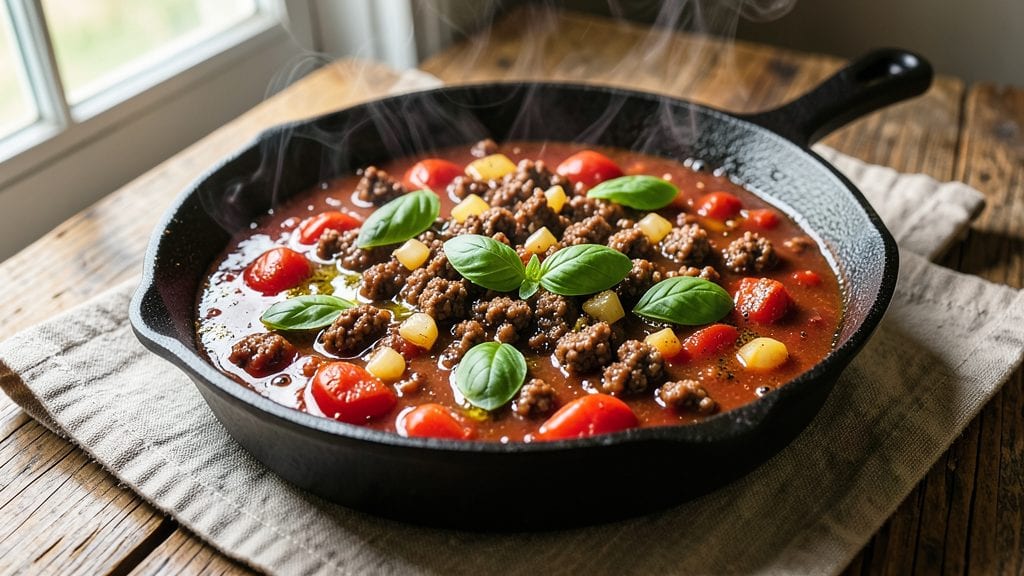
Creating a home canned spaghetti sauce that tastes like it simmered all day—without the hours of monitoring—is entirely possible with the right technique. This recipe delivers restaurant-quality depth, preserved perfectly for your pantry, using just 10 simple ingredients and a water bath canner.
The key lies in balancing acidity and texture while ensuring safe, long-term storage.
What makes this sauce ideal for canning is its rich, meaty flavor profile achieved through slow-cooked tomatoes, aromatic herbs, and a touch of sweetness. Unlike store-bought versions, this sauce develops layers of complexity as it simmers, then maintains its quality for up to a year when properly processed.
The canning method preserves both flavor and nutrients while extending shelf life.
By the time you finish, you’ll have jars of velvety, chunky spaghetti sauce ready for pasta nights, lasagna, or meatball subs—all with that homemade taste. The sauce thickens beautifully when reheated, ensuring every bite delivers the same depth you’d expect from a fresh batch.
This is pantry perfection at its finest.
Whether you’re prepping for winter meals or stocking your pantry for emergencies, this recipe ensures you’ll always have a flavorful foundation for Italian dishes. The process is straightforward, but the results are unmatched—think of it as your secret weapon for effortless, long-lasting homemade flavor.
Ingredients for home canned spaghetti sauce
Ten simple ingredients transform into rich, canned spaghetti sauce that tastes homemade for years.
| Ingredient | Amount | Notes |
|---|---|---|
| San Marzano Tomato Crushed (40 oz) Cans 🍅 | 4 cans | High-quality, low-acid tomatoes |
| Ground Beef (80/20 Lean-to-Fat Ratio) 🥩 | 1 ½ lb | Browned and drained of fat |
| Onion (Yellow or Red) 🧅 | 1 whole | Medium, finely chopped |
| Garlic Cloves 🧄 | 6 cloves | Freshly minced, not pre-minced |
| Fresh Basil Leaves 🌿 | ½ cup | Packed, stems removed |
| Dried Oregano (Italian) 🍃 | 1 tbsp | Not Mexican oregano |
| Extra-Virgin Olive Oil 🫒 | ¼ cup | High-quality, fruity |
| Tomato Paste (15 oz) Can 🍅 | 1 can | No sugar added |
| Red Wine (Dry, Bold) 🍷 | ½ cup | Cabernet Sauvignon preferred |
| Diamond Crystal Kosher Salt 🧂 | 2 tsp | Adjust to taste |
The tomatoes are non-negotiable—San Marzano is the gold standard for canning, with their natural sweetness and low acidity. Trader Joe's and Whole Foods carry them year-round, but if you're in a pinch, any high-quality crushed tomatoes work. The beef? 80/20 fat ratio is key—it keeps the sauce rich and prevents drying out during canning. Brown it well in a heavy pot, then drain the fat. Fresh basil and garlic are worth the extra trip to the market; dried substitutes just can’t match the brightness. For the olive oil, California or Italian brands add subtle fruity notes that elevate the sauce.
No red wine? Substitute with beef broth plus a splash of balsamic vinegar—it’s a classic swap that keeps the depth. Short on fresh basil? Dried basil at one-third the amount works, but you’ll miss that fresh aroma. The tomato paste is your thickener—no sugar added versions prevent cloying sweetness. If you’re using pre-minced garlic, rinse it first to remove excess moisture. For the onions, yellow or red both work, but red adds a subtle sweetness that pairs beautifully with the tomatoes. The oregano? Italian, not Mexican—the flavor profile is distinct.
This sauce thickens as it sits, so leave 1-inch headspace in jars before processing. After canning, store jars in a cool, dark place. Shelf life is up to 1 year if processed correctly. Reheat gently on the stove, stirring occasionally. The sauce tastes even better the second day—portion into smaller jars for easy reheating. For extra richness, add a pat of butter when reheating, but don’t skip the salt—taste as it cools and adjust before canning.
Why You'll Love This Recipe
- One-Pot Magic: I swear by this sauce because it’s literally one pot, one stir, done. That 80/20 ground beef browns up in minutes, and the San Marzano tomatoes take over—no blender, no strainer, just dump-and-simmer until it’s rich and glossy. (Yes, even on a Tuesday night.)
- Garlic-Basil Bomb: Here’s what sold me—the crushed San Marzano tomatoes carry the flavor, but that fresh basil at the end? It’s the cherry on top. The garlic cloves get toasted until fragrant, and when you fold in those leaves, the whole kitchen smells like a Sunday dinner.
- Pantry to Party: This sauce works for everything—slap it on spaghetti for dinner, freeze half for lazy nights, or serve it in a bread bowl for game day. I’ve even used it as a pizza base (trust me, it’s a vibe). The onions add sweetness that balances the richness, so it’s never one-note.
- Leftovers That Don’t Suck: Between us, store-bought sauce pales in comparison, but this? It improves overnight. The flavors meld, the texture thickens just right, and you’ll find yourself reheating it for days. Plus, the 40 oz cans stretch this into actual meals—no sad, half-empty jars here.
Step-by-step instructions for home canned spaghetti sauce
Here's how to build deep, pantry-friendly sauce that tastes homemade every time.
Brown the Ground Beef
Heat the 0.25 cup extra-virgin olive oil in a large Dutch oven over medium-high heat. Add the 1.5 lb ground beef (80/20 lean-to-fat ratio) and break it apart with a wooden spoon, letting the pieces brown in batches to avoid overcrowding. Cook for 8-10 minutes until the beef is fully browned and the fat has rendered out.
Here's the thing—don't drain the fat. Those browned bits (fond) are pure flavor. Once the beef is cooked through, use a slotted spoon to transfer it to a plate, leaving all that rendered fat behind. This will form the rich base for your sauce.
Sauté Aromatics and Develop the Base
In the same Dutch oven, add the 1 whole finely chopped onion (yellow or red) and cook for 5-6 minutes until softened and translucent. Stir in the 6 cloves freshly minced garlic and cook for 30 seconds until fragrant—don't let it burn, or you'll get bitter flavors.
Pour in the 0.5 cup red wine (dry, bold) and scrape up any browned bits from the bottom of the pot. Let it simmer for 3-4 minutes until the wine reduces by half. This step builds complexity by concentrating the wine's flavors into the sauce.
Build the Sauce with Tomatoes and Herbs
Add the 1 can tomato paste (15 oz) and stir to combine, letting it cook for 2 minutes to deepen its color and flavor. Pour in the 4 cans San Marzano tomato crushed (40 oz) and stir well. Sprinkle with the 1 tbsp dried oregano (Italian) and 2 tsp diamond crystal kosher salt, then bring the mixture to a gentle simmer.
Partially cover the pot and let it simmer for 1 hour, stirring occasionally. The sauce should thicken slightly as it reduces. This slow cooking allows the flavors to meld together beautifully, creating a rich, balanced base.
Finish with Fresh Basil and Adjust Seasoning
Remove the pot from heat and stir in the 0.5 cup packed fresh basil leaves (stems removed). Let the basil steep in the warm sauce for 5 minutes, then taste and adjust the seasoning if needed. The fresh basil adds a bright, aromatic finish that complements the deep tomato flavors.
Here's where it gets fun—taste the sauce and decide if it needs more salt or a splash of red wine to balance the acidity. The sauce should be rich, slightly sweet, and well-seasoned. If you're planning to can it, this is your last chance to adjust the seasoning before sealing.
Pro Tips For Making Home Canned Spaghetti Sauce
- CRUSH TOMATOS BY HAND: Skip the blender—use your fingers to break up the San Marzanos in the can. This keeps the sauce smoother and avoids the chunky texture that comes from over-processing. I learned this the hard way after canning three batches with a blender and realizing the texture was always off.
- BROWN THE BEEF LOW: After breaking up the ground beef, let it sit undisturbed for 3-4 minutes on medium-low heat. This lets the fat render and the meat brown properly without burning. I used to rush this, and the sauce always tasted raw—now it’s rich and flavorful every time.
- SALT THE TOMATOS FIRST: Add 1-2 teaspoons of salt directly to the crushed tomatoes before cooking. This seasons the sauce from the start, ensuring even flavor distribution. I skipped this once and ended up with a bland, one-dimensional sauce—now I never forget.
- SAVE BASIL FOR LAST: Tear fresh basil leaves and add them in the final 10 minutes of cooking. This preserves their bright flavor instead of letting them turn bitter. I was skeptical until I tried it—now my sauce always tastes fresh, not cooked.
Dietary considerations for these flavors
Gluten-Free Adaptation
This sauce is naturally gluten-free, assuming you use certified gluten-free ingredients. The San Marzano tomatoes, ground beef, and red wine are typically gluten-free, but always double-check labels on tomato paste and broth substitutes. For extra safety, use a dedicated gluten-free canning jar line to prevent cross-contamination. 🌾
Low-Sodium Options
Reduce the 2 tsp Diamond Crystal kosher salt to 1 tsp or omit entirely, then adjust to taste after canning. Use low-sodium beef broth (if substituting wine) and avoid salted tomato products.
The natural sweetness of San Marzano tomatoes and depth from red wine carry the flavor even without added salt.
Vegetarian Substitutes
Replace the 1.5 lb ground beef with 1 lb lentils or mushrooms for umami depth. Sauté 8 oz cremini mushrooms until golden to mimic meaty texture, then proceed with the recipe.
For extra richness, add 1 tbsp nutritional yeast when adjusting seasoning. The sauce will still develop depth, though the texture will be more plant-forward.
Allergen-Friendly Adjustments
For nut allergies, ensure all ingredients are nut-free (some olive oils are processed in facilities with nuts). For dairy-free needs, this recipe is already compliant—just avoid adding butter when reheating. If you have sulfite sensitivities, use fresh herbs instead of dried and opt for no-sulfite-added wine.
Keto-Friendly Tweaks
This sauce is already keto-friendly with its low-carb ingredients, but watch portion sizes. The San Marzano tomatoes and red wine are naturally low-carb, while the ground beef provides fat and protein.
Avoid adding sugar or sweetened tomato products. The sauce pairs perfectly with zucchini noodles or cauliflower crust pizza for a keto meal.
Acid Boost for Safety
For extended shelf life, add 2 tbsp lemon juice or 1 tbsp vinegar per quart of sauce before canning. This increases acidity, making the sauce safer for water bath canning.
The acidity won’t overpower the flavor—it’s barely noticeable but critical for long-term preservation. Always use USDA-approved canning methods when adjusting acidity. 💡
Nutrition facts
Frequently asked questions
Why do I need to use San Marzano tomatoes for canning?
San Marzano tomatoes are the gold standard for canning because their natural sweetness and low acidity create a richer, more balanced sauce. Their consistent quality ensures reliable flavor and texture after processing. Plus, their thick skins hold up better during canning, preventing mushiness.
Can I can spaghetti sauce without a pressure canner?
Yes, but only if you maintain proper acidity (pH < 4.6) with added lemon juice or vinegar. This sauce qualifies for water bath canning because the wine and tomatoes provide enough acidity. Always use USDA-approved methods and process pints for 90 minutes and quarts for 105 minutes in a boiling water bath.
How do I prevent my canned sauce from getting too thick?
Leave 1-inch headspace in jars before processing to account for expansion. If the sauce thickens too much after opening, simply add 1-2 tablespoons of water or broth and stir. For future batches, reduce simmering time slightly or add 1/4 cup extra liquid before canning.
What's the shelf life of properly canned spaghetti sauce?
When processed correctly, this sauce stays safe and flavorful for up to 1 year at room temperature. After opening, refrigerate and use within 5-7 days. For longer storage, freeze opened jars. The sauce actually improves in flavor over time—just check for any signs of spoilage before using.
Can I add meatballs or pasta to the jars before canning?
No, never can meatballs or pasta separately—they require different processing times and safety protocols. This recipe focuses on the sauce itself, which can be served with fresh pasta, meatballs, or other toppings after opening. For canned meatballs, use a separate recipe with proper acidification and processing times.