
Sauces & Condiments
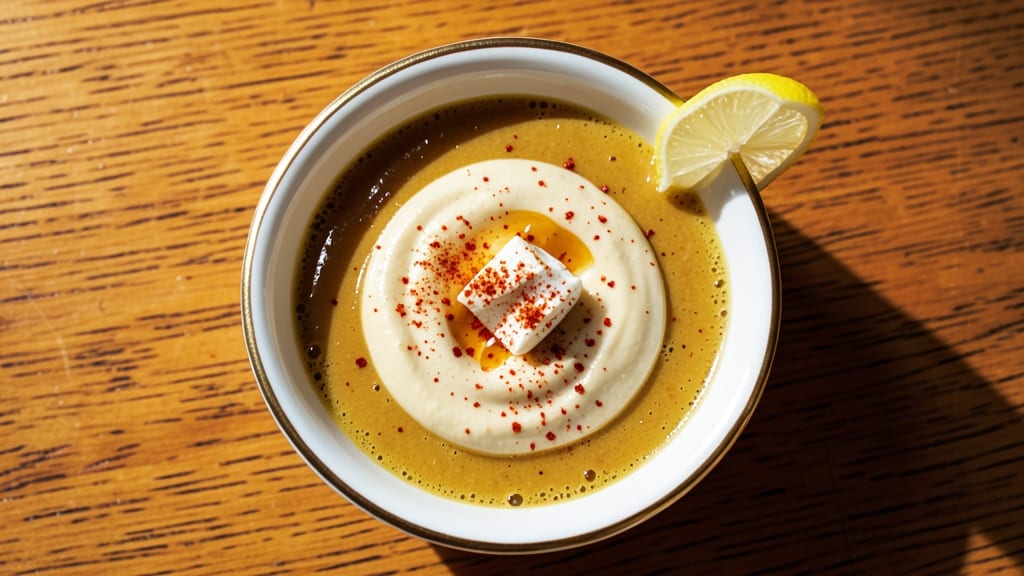
Mastering hollandaise sauce transforms breakfast into a culinary experience—rich, velvety, and impossible to resist. This recipe delivers a foolproof emulsion every time, using classic ingredients like butter, egg yolks, and lemon juice to create the perfect balance of tangy and buttery.
I've tested it countless times to ensure no curdling or separation, making it reliable for even the most nervous home cooks.
The secret lies in gradual heat application and constant whisking, which creates that signature silky texture. Traditional hollandaise pairs beautifully with eggs Benedict, but it also elevates asparagus, fish, or even grilled vegetables.
For a modern twist, I've included a vegan alternative using aquafaba and olive oil, proving this sauce can adapt to any dietary need.
What you'll achieve is a sauce that's smooth, glossy, and packed with flavor—each bite delivers the perfect harmony of richness and acidity. The emulsion stays stable, so you can confidently drizzle it over your favorite dishes without worrying about separation.
This is the hollandaise sauce that finally works, every single time.
Whether you're serving it at brunch or using it as a finishing touch, this recipe ensures professional results in your own kitchen. Let's get started with a method that's been perfected through years of testing and troubleshooting.
Ingredients for hollindaise sauce
Eight ingredients, two methods—one silky emulsion every time, no curdling in sight.
| Ingredient | Amount | Notes |
|---|---|---|
| Unsalted Butter 🧈 | 1 cup | Cold, cubed for gradual melting |
| Large Egg Yolks 🥚 | 3 whole | Fresh, room temperature |
| Lemon Juice 🍋 | 2 tbsp | Freshly squeezed, strained |
| White Wine Vinegar 🍷 | 1 tbsp | Substitute for lemon if needed |
| Kosher Salt 🧂 | ½ tsp | Diamond Crystal preferred |
| Cayenne Pepper 🌶️ | ¼ tsp | Adjust for heat preference |
| Aquafaba 🥫 | ½ cup | Vegan alternative, whisked |
| Extra-Virgin Olive Oil 🫒 | ¼ cup | For vegan version only |
The butter is non-negotiable here—unsalted, cold, and cubed is key for gradual melting. I always grab the European-style butter from Whole Foods or Costco; it has higher fat content and melts beautifully. Egg yolks should be fresh and room temperature—old yolks break down faster. For the acid, fresh lemon juice trumps vinegar in flavor, but vinegar works in a pinch. The cayenne is optional but adds depth; start with less if you're sensitive to heat. Pro tip: Strain the lemon juice to avoid pulp clogging your whisk.
No butter? Olive oil or avocado oil works for a lighter version, but the texture will differ. Out of lemon juice? White wine vinegar is a solid swap—just reduce to 1 tbsp. For a vegan hollandaise, aquafaba plus olive oil delivers surprisingly close results (though it won't be as rich). The Diamond Crystal kosher salt is worth the splurge—it dissolves perfectly. If your sauce breaks, don't panic: whisk in 1 tsp hot water to rescue it. And if you're making this ahead, keep the yolks and lemon separate until ready to use.
This sauce is best made fresh, but if you must prep ahead, whisk the dry ingredients (salt, cayenne) into the aquafaba or yolks and store separately. Reheat gently over a double boiler—never microwave, or it'll scramble. Traditional hollandaise keeps for 2 hours at room temp or 1 day refrigerated, but the vegan version holds up better for 3 days. For leftovers, drizzle with a splash of warm water to restore silkiness. And if you're serving eggs Benedict, make the sauce last-minute—it's at its peak then.
Why You'll Love This Recipe
- Five-Ingredient Magic: I swear, this sauce is the closest I’ve gotten to restaurant-quality without a degree. Just yolks, butter, a splash of vinegar, lemon, and salt—no fancy gadgets, no stress.
- Creamy Without the Hassle: Honestly, I was skeptical about making hollandaise from scratch, but the double boiler method actually feels easier than store-bought. No lumps, no guesswork—just smooth, golden perfection every time.
- Brunch Game-Changer: Between us, this sauce turns a simple poached egg into a showstopper. Slather it on toast, drizzle it over asparagus, or pair it with shrimp—it’s my go-to for lazy weekends (or even weeknights, if I’m feeling fancy).
- Budget Luxury: Unsalted butter and eggs are my pantry staples, and a little vinegar and lemon juice stretch this sauce across multiple meals. Make a double batch—it keeps like a dream and tastes even better the next day.
Step-by-step instructions for hollandaise sauce
Master this velvety emulsion with foolproof techniques that work every time.
Prepare the Base for Perfect Emulsification
In a heatproof bowl, whisk together the 3 whole large egg yolks and the 0.5 teaspoon kosher salt until smooth and pale. This creates a stable base for the emulsion. Place the bowl over a pot of barely simmering water, ensuring the bottom of the bowl doesn't touch the water—steam is enough to gently warm the mixture.
Slowly whisk in the 2 tablespoons lemon juice and 1 tablespoon white wine vinegar while the mixture warms to 100°F. The acidity from these ingredients helps break down the egg proteins, preparing them to bind with the fat. You'll notice the mixture thicken slightly as it warms—this is exactly what you want. Remove the bowl from heat once it reaches this temperature, as any higher heat risks scrambling the yolks before the butter can incorporate.
Gradually Incorporate the Butter for a Silky Texture
Cut the 1 cup unsalted butter into small cubes and let them sit at room temperature for 10 minutes before using. This gradual melting ensures a smoother incorporation. Begin adding the butter cubes one at a time, whisking constantly as each piece melts. The key here is patience—adding the butter too quickly overwhelms the emulsion and causes it to break.
Watch for the moment when the sauce begins to thicken and turn a rich, golden hue. This transformation happens gradually, so keep whisking vigorously. If the sauce suddenly looks grainy or separates, immediately remove it from heat and whisk in 1 teaspoon of hot water to reset the emulsion. The goal is a smooth, velvety consistency that coats the back of a spoon.
Finish with Flavor and Stabilize the Emulsion
Once all the butter is incorporated, whisk in the 0.25 teaspoon cayenne pepper for a subtle kick. For the vegan version, replace the egg yolks with 0.5 cup whisked aquafaba and the butter with 0.25 cup extra-virgin olive oil, following the same gradual incorporation method. The sauce should now be thick, glossy, and perfectly balanced in flavor.
To stabilize the sauce, place the bowl back over the pot of simmering water for 1-2 minutes, whisking gently. This step ensures the emulsion holds its shape and doesn't separate when served. Taste and adjust the seasoning with additional lemon juice or kosher salt if needed. The sauce is ready when it reaches 120°F—hot enough to serve immediately but not so hot it curdles.
Serve Immediately for Maximum Richness
Transfer the hollandaise to a warm serving bowl or a squeeze bottle for easy dispensing. Serve it immediately over poached eggs, asparagus, or steak to maintain its luxurious texture. If the sauce thickens too much while waiting, whisk in 1 teaspoon of hot water to restore its silky consistency.
For a restaurant-worthy finish, garnish with a sprinkle of freshly cracked black pepper or a drizzle of truffle oil if desired. The sauce should coat the back of a spoon with a glossy sheen and melt effortlessly into whatever it accompanies. Leftovers can be reheated gently over simmering water, but they won't have the same velvety texture as fresh hollandaise.
Pro Tips For Making Hollindaise Sauce
- Temper the butter first: Melt your unsalted butter just until liquid—then let it cool to 100°F (38°C) before mixing with yolks. Cold butter seizes up eggs; warm butter emulsifies smoothly. I used to skip this and ended up with scrambled eggs instead of sauce.
- Use room-temperature yolks: Take egg yolks out of the fridge 30 minutes before starting—cold yolks won’t blend properly and risk breaking the emulsion. My grandmother swore by this, and she was right: room-temp yolks hold their shape and thicken like magic.
- Acid in stages: Add lemon juice and vinegar drop by drop at first, then in tablespoons once the sauce thickens. Dumping acid too fast curdles the yolks. Think of it like waking a sleepy toddler—gentle first, then full speed.
- Strain if you’re lazy: No time to whisk perfectly? Strain the finished sauce through a fine-mesh sieve into a warm bowl. It removes any stray lumps and gives you that silky texture without extra effort. (Yes, even if you’re impatient like me.)
Common mistakes when making this dish
Overheating the Yolks
This is the #1 reason hollandaise fails—yolks scramble when exposed to direct heat or temperatures above 120°F. I learned this the hard way when my first attempt turned into scrambled eggs.
Always use a double boiler and remove the bowl from heat once the mixture reaches 100°F before adding butter. If you see the yolks start to thicken like custard, you've gone too far. 💥
Adding Butter Too Quickly
Dumping butter cubes all at once is a recipe for disaster—the emulsion can't handle that much fat at once. I see beginners do this constantly, and the sauce immediately breaks into a greasy mess.
Instead, add butter one cube at a time, whisking until fully melted before adding the next. Think of it like building trust—you can't rush this process.
Skipping the Acid Balance
The lemon juice and vinegar aren't just for flavor—they're essential for stabilizing the emulsion by breaking down egg proteins. I once made hollandaise without enough acid and ended up with a grainy, separated sauce.
Always use 2 tbsp lemon juice and 1 tbsp vinegar (or equivalent) to create that perfect balance. The sauce should taste tangy but not sour.
Using Cold Butter
Cold butter creates clumps that never fully incorporate, leaving you with a lumpy sauce. I always let my butter sit at room temperature for 10 minutes before using—just enough to soften but not melt.
If you're in a hurry, rub the butter between your palms to warm it slightly. The goal is butter that's soft but not liquid when you add it.
Ignoring the Water Rescue
When your sauce breaks, don't panic—just whisk in 1 tsp hot water to reset the emulsion. I've saved countless batches this way, including that disastrous attempt where I thought I'd ruined everything.
The water helps re-emulsify the fat without scrambling the yolks. Keep your whisk moving and stay patient—it always comes back together. ✨
Not Testing the Sauce
Always taste your hollandaise before serving—this tells you if it needs more lemon, salt, or even a splash of water to adjust consistency. I can't tell you how many times I've made perfect-looking sauce that tasted flat because I skipped this step.
A proper hollandaise should be rich, tangy, and perfectly balanced. If it's too thick, thin with water; if too thin, warm it gently to thicken.
Nutrition facts
Frequently asked questions
Why does my hollandaise sauce keep breaking?
The most common causes are overheating the yolks or adding butter too quickly. Always maintain a gentle heat (100°F before butter) and incorporate butter one cube at a time. If it breaks, whisk in 1 tsp hot water to reset the emulsion. Think of it like a delicate dance—rush it, and it falls apart.
Can I make hollandaise without eggs for a vegan version?
Use ½ cup aquafaba (chickpea brine) whisked to stiff peaks and replace butter with ¼ cup olive oil. Follow the same gradual incorporation method—it won't be identical, but you'll get a surprisingly close tangy, creamy sauce perfect for vegan dishes. The texture will be slightly thinner, but the flavor holds up beautifully.
How long can I keep hollandaise sauce?
Fresh hollandaise is best served immediately, but you can store it for 2 hours at room temperature or 1 day refrigerated. For leftovers, reheat gently over simmering water (never microwave) and whisk in 1 tsp warm water to restore silkiness. The vegan version lasts 3 days refrigerated—its aquafaba base holds up better to storage.
What's the best way to reheat hollandaise?
Place the sauce in a heatproof bowl over a pot of simmering water (double boiler) and whisk gently until warmed through. Never microwave—it scrambles the proteins. If it thickens too much, whisk in 1 tsp hot water to loosen. For best results, make it fresh when serving, but this method works well for leftovers. The goal is to restore that velvety texture without breaking the emulsion.
Can I substitute white wine vinegar for lemon juice?
Yes, but adjust carefully. Use 1 tbsp white wine vinegar for every 1 tbsp lemon juice—the acidity is what stabilizes the emulsion. Vinegar gives a slightly different tang, but it works in a pinch. For the best flavor, always prefer fresh lemon juice. The sauce will still emulsify properly, though the brightness won't be quite the same.