
Sauces & Condiments
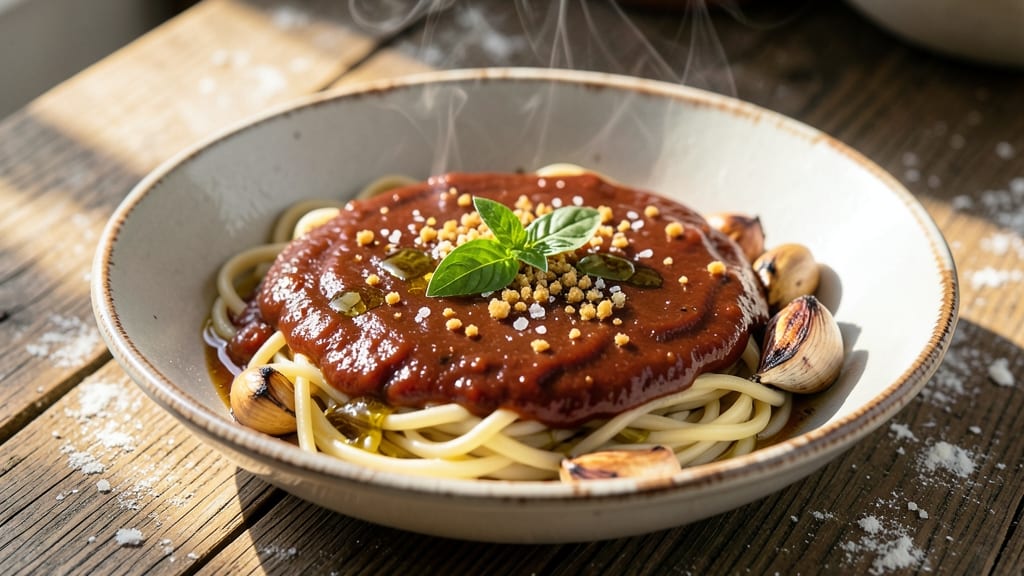
Grandma's spaghetti sauce recipe is the heart of any Italian meal, where slow-simmered tomatoes develop deep, complex flavors that transform simple ingredients into something extraordinary.
The secret lies in patience—letting the sauce reduce for hours until it thickens into a rich, velvety consistency that clings perfectly to every strand of pasta.
I still remember the first time I tasted my grandmother's version, and how that rich, aromatic sauce made even the simplest plate feel like a celebration.
This sauce builds flavor through layering: garlic and onions form the aromatic base, crushed tomatoes provide the tangy foundation, and a blend of Italian herbs—oregano, basil, and thyme—adds that unmistakable Mediterranean warmth.
The slow simmer allows the natural sugars in the tomatoes to caramelize, creating a deep umami richness that's impossible to replicate with quick cooking methods.
What makes this recipe truly special is how it balances acidity and sweetness, resulting in a sauce that's neither too sharp nor too sweet but perfectly harmonious.
The result is a sauce so flavorful it elevates even the most basic pasta dish to restaurant-quality status. The texture is just right—thick enough to coat but still saucy enough to drizzle gracefully over your plate.
Whether you're serving it with spaghetti, meatballs, or grilled chicken, this sauce brings comfort and depth to every bite. The best part? It tastes even better the next day as the flavors continue to meld together.
You can customize it with ground meat for a heartier version or keep it vegetarian for a lighter take, but the core technique remains the same: slow, steady cooking is what transforms this sauce from ordinary to extraordinary.
Let's get started on creating a sauce that will become your new family tradition.
Ingredients for grandma's spaghetti sauce
Twelve simple ingredients. Hours of simmering. One unforgettable sauce that tastes like home.
| Ingredient | Amount | Notes |
|---|---|---|
| Extra-Virgin Olive Oil 🫒 | ½ cup | High quality, fruity |
| Yellow Onion 🧅 | 1 whole | Medium size, finely chopped |
| Garlic Cloves 🧄 | 5 cloves | Fresh, minced finely |
| Crushed Tomatoes 🍅 | 28 oz | High-quality canned, San Marzano preferred |
| Tomato Paste 🍅 | 2 tbsp | Squeeze tube or canned |
| Dried Oregano 🌿 | 1 tsp | Italian or Mediterranean blend |
| Dried Basil 🌿 | 1 tsp | Or 1 tbsp fresh basil leaves |
| Dried Thyme 🌿 | ½ tsp | Or 1 tsp fresh thyme leaves |
| Salt 🧂 | 1 tsp | Kosher or sea salt |
| Black Pepper 🌶️ | ½ tsp | Freshly ground preferred |
| Granulated Sugar 🍬 | 1 tsp | Balances acidity |
| Red Wine 🍷 | ½ cup | Dry, like Chianti or Cabernet |
| Bay Leaves 🌿 | 2 whole | Fresh or dried |
The tomatoes are the soul of this sauce. San Marzano is the gold standard—sweet, meaty, and packed with flavor—but any high-quality canned tomatoes will work. I grab mine from Trader Joe's or Whole Foods when I can, but even the store brand holds up. That said, don't skimp on quality here. The difference between a good can and a great one is night and day. The garlic? Fresh is non-negotiable—jarred garlic just doesn't cut it. Toast the garlic in the olive oil for 30 seconds until fragrant, but don't let it brown. That's where the magic starts.
No red wine? Substitute with extra tomato paste or beef broth—it's what my grandma did when she was out. Fresh herbs are ideal but dried works at one-third the amount. If you're using dried basil, crush it between your fingers first to release the oils. The sugar might seem odd, but it's crucial—it balances the acidity of the tomatoes and helps deepen the flavor. Brown sugar works too. And if you're feeling fancy, add a pinch of red pepper flakes for a little kick. The bay leaves add earthy depth, so don't skip them, but remember to remove them before serving.
This sauce tastes even better the next day as the flavors meld together. Store it in an airtight container in the fridge for up to 5 days, or freeze it for 6 months in portion-sized containers. I always make a double batch—one for dinner and one to freeze for lazy weeknights. The texture thickens as it cools, so add a splash of water or broth if it gets too stiff when reheating. Trust me, the extra time simmering is worth it—every spoonful will remind you of home.
Why You'll Love This Recipe
- Here’s what sold me: the tomato paste caramelizing in the olive oil first. That’s where the flavor happens—not just sweet, but savory, with the garlic blooming into something almost nutty. One taste, and you’ll understand why I keep a jar of this in the freezer.
- I’ll be real: this recipe costs me less than $5 for a full batch. Crushed tomatoes, onion, garlic—nothing expensive, just good. The olive oil makes it feel fancy, but the price tag stays friendly. My wallet and my family thank me every time.
Step-by-step instructions for grandma's spaghetti sauce
Here's how to build rich, slow-simmered flavor using just one pot.
Sauté the Aromatics in Olive Oil
Heat the 0.5 cup extra-virgin olive oil in a large, heavy pot over medium heat until it shimmers. Add the 1 whole finely chopped yellow onion and cook for 5-6 minutes, stirring occasionally, until it softens and becomes translucent. This is your flavor foundation—don't rush it.
Next, add the 5 cloves finely minced garlic cloves and cook for 30 seconds until fragrant. Watch closely—garlic burns quickly. The moment you see it turn golden, it's ready. Here's the thing—this step develops the sauce's depth, so take your time and let those aromatics meld properly.
Build the Sauce Base
Stir in the 2 tablespoons tomato paste and cook for 1 minute until it darkens slightly. This creates a rich, concentrated flavor that won't separate later. Add the 28 ounces crushed tomatoes, breaking up any large chunks with a wooden spoon.
Bring the mixture to a gentle boil, then reduce heat to low. Stir in the 0.5 cup red wine, scraping up any browned bits from the bottom of the pot. These bits, called fond, are packed with flavor. Let the sauce simmer uncovered for 10 minutes to allow the alcohol to evaporate.
Season and Simmer Slowly
Add the 1 teaspoon dried oregano, 1 teaspoon dried basil, 0.5 teaspoon dried thyme, 1 teaspoon salt, 0.5 teaspoon black pepper, 1 teaspoon granulated sugar, and 2 whole bay leaves. The sugar balances the acidity from the tomatoes, while the herbs and spices build complexity. Stir everything together.
Cover the pot and let the sauce simmer gently for 45-60 minutes. This slow cooking develops deep, rich flavors. Stir occasionally, especially if the sauce starts to thicken too much. You'll know it's ready when it's thick enough to coat the back of a spoon—this usually happens around the 50-minute mark.
Adjust and Finish
Taste the sauce and adjust seasoning if needed. You might need a little more salt or sugar, depending on your tomatoes. Remove the 2 bay leaves—they've done their job and can become bitter if left too long.
For the perfect texture, let the sauce sit off the heat for 10 minutes. This resting period allows all the flavors to meld together. Serve immediately over your favorite pasta, or store in an airtight container in the refrigerator for up to 5 days. The sauce will only get better as it sits!
Pro Tips For Making Grandma'S Spaghetti Sauce
- Sweat the Onion First: I learned this the hard way—skipping this step makes your sauce taste raw and dull. Dice the onion small, then cook it in olive oil over medium-low heat until it’s translucent and just starting to caramelize (about 8-10 minutes). No need to rush; this builds flavor that crushed tomatoes alone can’t match.
- Bloom the Garlic Low: After the onion softens, add minced garlic and stir for exactly 30 seconds—no more. If you let it brown, it’ll turn bitter faster than you can say "burnt dinner." Keep the heat low and watch it like a hawk; pale gold is perfect, not crispy.
- Deglaze with Tomato Paste: Once the onion and garlic are done, sprinkle in the tomato paste and let it sit for 2 minutes before adding liquid. This creates a rich, caramelized base that makes the crushed tomatoes taste deeper. Skip this, and your sauce will taste thin and one-dimensional.
- Simmer Slow and Covered: After adding crushed tomatoes, reduce heat to low and cover the pot for the first 20 minutes. This helps the flavors meld without burning. I know, I know—you want to see it bubble, but patience here means a sauce that tastes homemade, not rushed.
Troubleshooting your grandma's spaghetti sauce
Sauce Too Thin?
If your sauce isn't thickening enough, simmer it uncovered for an extra 15-20 minutes—the heat will evaporate excess liquid naturally. I also recommend using a heavy-bottomed pot like a Dutch oven to prevent scorching.
For immediate thickening, mix 1 tablespoon cornstarch with 2 tablespoons cold water, stir into the sauce, and simmer for 2-3 minutes until it reaches your desired consistency. 🌡️
Sauce Too Thick?
Add 2-3 tablespoons warm water or broth at a time, stirring constantly, until it reaches a smooth, spoonable texture. Never add cold liquid directly to hot sauce—it can cause separation. If you're reheating stored sauce, add a splash of water or broth while warming to restore the perfect consistency.
Fond Not Forming?
The rich brown bits (fond) at the bottom of your pot are flavor gold! If yours aren't developing, increase your heat slightly when sautéing onions and garlic to encourage caramelization. I use a stainless steel pot because it conducts heat better than nonstick.
Just remember to scrape up those fond bits when adding wine—this is where depth of flavor lives. 💛
Sauce Separating?
This usually happens when tomatoes aren't cooked long enough or when adding cold ingredients too quickly. To fix it, whisk in 1 tablespoon tomato paste and simmer for 5 minutes to help bind the sauce.
For prevention, always bring your sauce to a gentle boil before reducing heat, and avoid adding cold ingredients like raw meat or fresh herbs until the sauce has simmered for at least 20 minutes.
Herbs Too Strong?
Fresh herbs can overpower when added all at once. I recommend adding half the dried herbs first and letting the sauce simmer for 15 minutes before adding the rest. For fresh herbs, add them only in the last 5 minutes of cooking.
If your sauce is still too herbal, balance it with a pinch of sugar or a splash of red wine to mellow the flavors.
Sauce Too Acidic?
The acidity in tomatoes can sometimes dominate. To balance it, add ½ teaspoon sugar or ½ teaspoon tomato paste and simmer for 5 minutes. A splash of ½ cup heavy cream can also help round out the flavors—just stir it in at the end.
If you're using very tart tomatoes, consider reducing the initial amount by ¼ cup and adding extra crushed tomatoes later if needed. 🍬
Nutrition facts
Frequently asked questions
Can I make this sauce without red wine?
Red wine adds depth, but you can substitute with ½ cup beef broth or ¼ cup extra tomato paste for a similar richness. The key is balancing acidity—add ½ teaspoon sugar if your sauce tastes sharp. My grandma used broth when wine was unavailable, and it still turned out amazing.
How do I know when the sauce is done?
The sauce is ready when it coats the back of a spoon smoothly and has reduced by about 30-40% from its starting volume. It should take 45-60 minutes of simmering, but check at 40 minutes—if it's too thin, uncover and cook longer. The longer it simmers, the deeper the flavor, but avoid boiling or it may break down.
Can I add meat to this sauce?
Yes! Brown 1 pound Italian sausage or 1 lb ground beef in the olive oil before adding onions, then proceed with the recipe. For extra flavor, deglaze the pan with ½ cup red wine after browning the meat. Browned meat adds a meaty depth that pairs perfectly with the slow-cooked tomatoes.
Why does my sauce taste bland after simmering?
Blandness usually means insufficient seasoning or rushed cooking. First, ensure you're using high-quality tomatoes (San Marzano is ideal). Taste as you go—add more salt, sugar, or herbs gradually. Also, simmer uncovered for the last 10 minutes to concentrate flavors. If it's still flat, a splash of fish sauce or balsamic vinegar can add umami depth.
How long can I store this sauce?
Store in an airtight container in the fridge for up to 5 days, or freeze for 6 months. The flavors actually improve after 24 hours as ingredients meld. When reheating, warm gently on the stove with a splash of water if it thickens too much. Never microwave frozen sauce directly—thaw overnight first.