
Sauces & Condiments
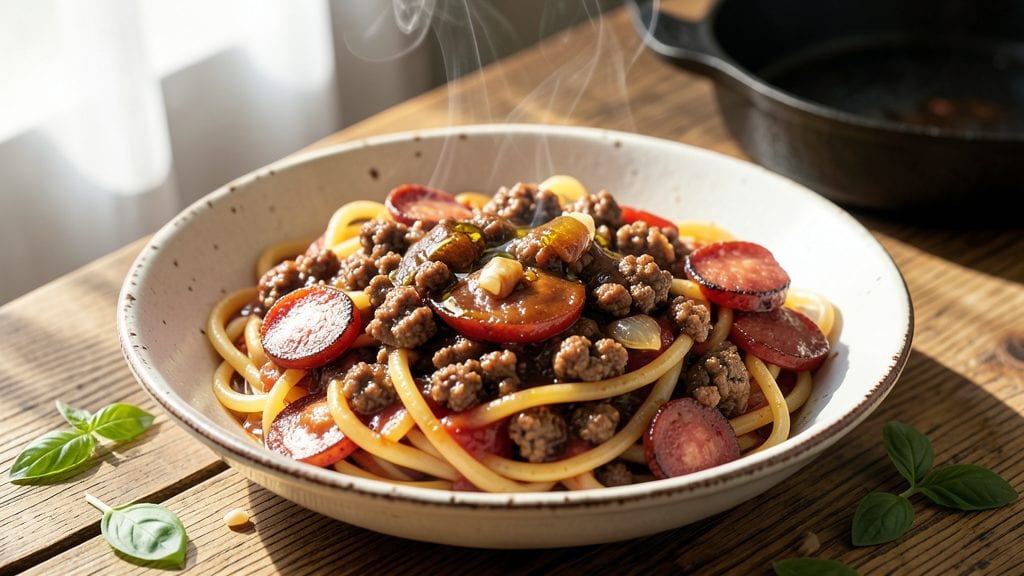
Grandma’s spaghetti meat sauce recipe is the kind of dish that transforms a simple weeknight dinner into a family gathering—rich, slow-simmered, and packed with umami that clings to every noodle.
The secret lies in browning the meat properly and letting the sauce develop its deep, complex flavors over time, a technique I learned from my grandmother’s kitchen. This isn’t just a sauce; it’s a memory in a bowl, one that tastes like home.
The beauty of this recipe is its simplicity, yet it delivers restaurant-quality results with just a few key steps. You’ll start with ground beef or Italian sausage, browned until crispy, then simmered with garlic, onions, and tomatoes until the flavors meld into something irresistible.
The sauce thickens naturally as it cooks, creating that perfect consistency—neither too thin nor too thick, but just right for twirling onto al dente spaghetti.
What you’ll end up with is a pot of aromatic, deeply flavorful sauce that’s rich enough to stand alone but balanced enough to pair with garlic bread or a simple salad. The slow simmering process deepens the flavors, turning simple ingredients into something extraordinary.
This is the kind of dish that tastes even better the next day, making it perfect for meal prep or feeding a crowd.
Serve it family-style with crusty bread on the table and a bottle of red wine nearby—because nothing says comfort food like this. Let’s get started on recreating the magic of Grandma’s kitchen.
Ingredients for grandma's spaghetti meat sauce
Pantry staples meet Italian tradition—simple ingredients for a sauce that tastes like home.
| Ingredient | Amount | Notes |
|---|---|---|
| Ground Beef 🥩 | 1 ½ lb | 80% lean, finely ground |
| Italian Sausage 🌭 | 1 lb | Sweet or spicy variety |
| Yellow Onion 🧅 | 1 whole | Medium size, finely chopped |
| Garlic Cloves 🧄 | 4 cloves | Fresh, minced |
| Canned San Marzano Tomatoes 🍅 | 28 oz | Crushed or whole, no salt added |
| Tomato Paste 🍅 | 2 tbsp | Smooth, no sugar added |
| Dry Red Wine 🍷 | ½ cup | Bold variety like Cabernet |
| Extra-Virgin Olive Oil 🫒 | 2 tbsp | For browning meat |
| Dried Basil 🌿 | 1 tbsp | Or 0.25 cup fresh |
| Dried Oregano 🍃 | 1 tsp | Italian variety preferred |
| Salt 🧂 | 1 ½ tsp | Kosher or sea salt |
| Black Pepper 🌶️ | ½ tsp | Freshly ground |
| Spaghetti 🍝 | 12 oz | Dry, al dente preferred |
| Parmesan Cheese 🧀 | ½ cup | Freshly grated |
The meat selection is key here. Ground beef delivers classic richness, while Italian sausage adds depth and a subtle kick. Most grocery stores carry both—look for 80% lean beef for the best texture, and sweet or spicy sausage depending on your preference. San Marzano tomatoes are worth seeking out at Italian markets or specialty stores; their sweetness and low acidity make all the difference. The tomato paste should be smooth and unsweetened—Barilla or Rao's are reliable brands. If you can't find San Marzano, any high-quality canned tomatoes in juice (not syrup) will work, but you may need to adjust seasoning.
No red wine? Substitute with beef broth plus a splash of balsamic vinegar—it mimics the depth without the alcohol. Swapping dried herbs for fresh? Use one-third the amount of dried basil or oregano. The onions can be yellow or red, but avoid sweet onions like Vidalia—they’ll overpower the sauce. For extra umami, add 1 tbsp soy sauce or Worcestershire sauce with the wine. The spaghetti should be al dente—cook it just until it holds a slight bite, then toss with sauce and a generous sprinkle of freshly grated Parmesan (pre-grated tastes flat in comparison).
This sauce tastes even better the next day—store in an airtight container in the fridge for up to 5 days. For longer storage, freeze portions in glass jars or silicone molds for up to 3 months. Reheat gently on the stove with a splash of water or broth to restore richness. I always double the batch—one pot for dinner, one for freezer meals when life gets busy. The leftovers reheat beautifully and make quick lunches for the week.
Why You'll Love This Recipe
- No Chopping Nightmare: I swear by this—just dice one onion and mince four garlic cloves. That’s it. The San Marzano tomatoes handle all the prep work for you, and the ground beef and sausage brown in minutes while you stir. Honestly, I’ve made this recipe after a 12-hour shift and still had energy left.
- Sausage-Garlic Magic: Between us, the Italian sausage and garlic are the real MVPs here. The sausage adds that smoky depth, while the garlic—cooked low and slow—builds layers of flavor that make every bite feel like a hug. Not the prettiest, but the taste makes up for it every time.
- Leftovers That Last: This sauce only gets better after a day or two. I’ll make a double batch on Sunday, let it sit overnight, and reheat it for lunches all week. The tomatoes thicken, the flavors meld, and it’s still just as crave-worthy on day three as it was day one.
- Budget-Friendly Feast: Ground beef, sausage, and canned tomatoes? This recipe stretches a dollar without sacrificing taste. I’ll feed my whole family (plus a few neighbors) for under $20, and there’s always enough left for leftovers. My secret weapon for frugal but satisfying meals.
Step-by-step instructions for Grandma's spaghetti meat sauce
Here's how to build a rich, slow-simmered sauce that clings perfectly to every strand of spaghetti.
Brown the Meat for Deep Flavor
Heat a large Dutch oven over medium-high heat. Add the 2 tablespoons extra-virgin olive oil and let it warm for 1 minute. Add the 1.5 lb ground beef and 1 lb Italian sausage, breaking them apart with a wooden spoon. Cook undisturbed for 5-6 minutes until the meat loses its raw color and begins to brown deeply.
Here's the thing—don't stir constantly. Let the meat brown in batches if needed, working in 30-second intervals to avoid steaming. This creates those beautiful browned bits called fond that dissolve into the sauce later. Once fully browned, transfer the meat to a plate and set aside.
Sauté Onions and Garlic Until Golden
In the same Dutch oven, reduce heat to medium and add the 1 whole yellow onion, chopped into small pieces. Cook for 8-10 minutes until the onions soften and turn golden brown at the edges. This caramelization adds sweet depth to the sauce.
Add the 4 minced garlic cloves and cook for 30 seconds until fragrant. Be careful not to burn the garlic—it should smell sweet and nutty, not bitter. The onions should be tender enough to crush between your fingers but not mushy.
Build the Sauce Base with Tomatoes and Wine
Stir in the 2 tablespoons tomato paste and cook for 2 minutes, stirring constantly, until it darkens slightly. Pour in the 0.5 cup dry red wine and scrape up any browned bits from the bottom of the pot. Let the wine simmer for 3-4 minutes until reduced by half.
Add the 28 oz canned San Marzano tomatoes, breaking them up with your hands if they're whole. Stir in 1 tablespoon dried basil, 1 teaspoon dried oregano, 1.5 teaspoons salt, and 0.5 teaspoon black pepper. Return the browned meat to the pot and bring to a gentle simmer.
Slow-Simmer Until Rich and Thickened
Reduce heat to low and let the sauce simmer uncovered for 45-60 minutes, stirring occasionally. This slow cooking allows the flavors to meld and the sauce to thicken naturally. You're looking for a consistency where it coats the back of a spoon but isn't gluey.
If the sauce gets too thick before the time is up, add 2-3 tablespoons of water to loosen it. The sauce should be rich but still pourable—it will thicken further as it cools. Taste and adjust seasoning if needed, adding more salt or pepper as necessary.
Finish with Pasta and Parmesan
While the sauce simmers, cook the 12 oz spaghetti in salted boiling water until al dente according to package instructions. Reserve 1 cup pasta water before draining.
Toss the drained spaghetti with the meat sauce in the Dutch oven, adding 2-3 tablespoons of reserved pasta water at a time until the sauce clings perfectly to each strand. Stir in the 0.5 cup freshly grated Parmesan cheese and serve immediately, ensuring every bite gets that rich, umami-packed sauce.
Pro Tips For Making Grandma'S Spaghetti Meat Sauce
- CRANK THE HEAT FIRST: Brown the ground beef and sausage on high heat until the edges crisp—this isn’t just about color, it’s about flavor. I used to simmer it gently, and the sauce always tasted flat until I realized the Maillard reaction needs a hot start. (Yes, even if it looks like it’s seizing—keep the heat high and stir.)
- CHOP ONIONS SMALLER THAN YOU THINK: Dice that yellow onion into 1/8-inch pieces, not 1/4-inch. You’ll laugh at how much faster it softens and how much sweeter it gets when it caramelizes into the sauce. My first batch had big chunks, and I ended up with a weird texture—lesson learned.
- DON’T DRAIN THE SAUSAGE CASINGS: Those little bursts of herby fat from the sausage casings are gold in this sauce. After browning, just squeeze them gently over the pan and let the fat render in—it adds depth without extra work. (I know, I know, it looks messy—but trust me, it’s worth it.)
- SIMMER THE TOMATOES LOW AND LONG: After adding the San Marzano tomatoes, drop the heat to a bare simmer and let it cook uncovered for at least 45 minutes. This isn’t the time to rush—it’s when the acid mellows and the flavors meld. I skipped this once and ended up with a sharp, one-note sauce. Patience pays off.
Serving suggestions for this recipe
Family-Style Serving
This sauce is best served family-style in a large bowl at the center of the table. I always use a cast-iron skillet or Dutch oven to keep the sauce warm and let everyone serve themselves.
Add a wooden spoon for easy scooping and a grater with fresh Parmesan on the side so guests can add as much as they like. 🍽️
For a true Italian experience, set out a bowl of olive oil with garlic cloves and red pepper flakes on the side. This lets everyone customize their spaghetti with a drizzle of oil and a pinch of spice.
I also include a small bowl of chopped parsley for garnishing—it adds freshness and makes the dish look even more inviting.
Bread Pairings
No Italian meal is complete without bread! I recommend crusty Italian bread or garlic bread for soaking up extra sauce.
For garlic bread, brush slices with melted butter, sprinkle with minced garlic, dried parsley, and grated Parmesan, then toast in the oven at 375°F for 5-7 minutes until golden and crispy. 🥖
For a lighter option, try focaccia or ciabatta—their airy texture pairs perfectly with the rich sauce. I also love serving warm dinner rolls on the side for a comforting touch. These breads add texture contrast and make the meal feel even more satisfying.
Salad Balance
A simple arugula salad with lemon vinaigrette cuts through the richness beautifully. Toss 4 cups baby arugula with 2 tbsp extra-virgin olive oil, 1 tbsp lemon juice, 1 tbsp balsamic vinegar, and a pinch of salt and pepper.
Top with shaved Parmesan and toasted pine nuts for crunch. This salad adds freshness and balances the hearty meat sauce. 🥗
For a warmer option, try a roasted vegetable medley with zucchini, bell peppers, and red onions tossed in olive oil and roasted at 400°F for 20 minutes. The caramelized veggies complement the sauce without overpowering it.
Wine and Beverage Pairings
A bold Chianti or Sangiovese is the classic choice for this dish. The acidity and tannins in these red wines cut through the richness of the meat sauce beautifully. I also love a Montepulciano d'Abruzzo—it’s slightly smoother and more approachable for those who prefer less tannin. 🍷
For non-wine drinkers, a sparkling water with lemon or iced tea with mint keeps the meal refreshing. If you prefer beer, a light Italian lager like Peroni or Moretti works perfectly—it’s crisp and clean without competing with the sauce.
Make-Ahead Serving Tips
This sauce tastes even better the next day, so I always make extra for leftovers. Store it in an airtight container in the fridge for up to 5 days. When reheating, add 2-3 tablespoons of water or pasta water to restore moisture and prevent drying out. 💡
For serving leftovers, I like to reheat the sauce in a saucepan over medium-low heat for 10-15 minutes, stirring occasionally. Serve with freshly cooked spaghetti and a sprinkle of fresh basil to brighten up the flavors. Leftovers make quick lunches or a comforting dinner for busy nights.
Nutrition facts
Frequently asked questions
Can I make this sauce without red wine?
The wine adds depth, but you can substitute with ½ cup beef broth plus 1 tablespoon balsamic vinegar for similar richness. The sauce will still develop amazing flavor—just let it simmer an extra 10-15 minutes to concentrate the flavors.
Why does my meat sauce get watery when reheating?
This happens when the sauce separates or lacks proper thickening. Always reheat on low heat and stir in 1-2 tablespoons of water or pasta water at a time until it reaches the right consistency. For future batches, simmer uncovered for 5-10 extra minutes to thicken naturally.
What's the best way to store leftovers?
Store in an airtight container in the fridge for up to 5 days. For longer storage, freeze in glass jars or silicone molds for up to 3 months. When reheating, add a splash of water or broth—never microwave directly from frozen. The flavors actually improve overnight!
Can I substitute ground turkey or chicken?
Yes, but expect a lighter texture. Use 100% ground turkey or chicken (no leaner than 93% fat-free) and add 1 tablespoon olive oil to help brown it properly. For extra richness, stir in 1 tablespoon tomato paste at the end. The sauce will still be delicious, just with a different mouthfeel.
How do I make this sauce spicier?
Add ½ teaspoon red pepper flakes with the onions, or stir in 1 teaspoon hot sauce at the end. For Italian heat, use spicy Italian sausage instead of mild. Always taste as you go—you can adjust heat, but you can't un-spice it!