
Sauces & Condiments
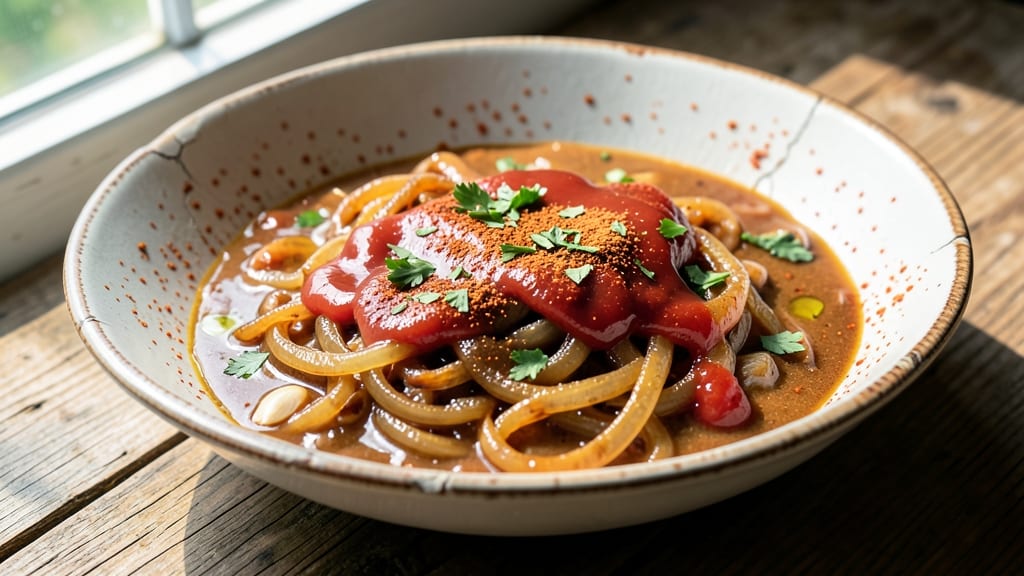
This goulash sauce recipe transforms simple pantry staples into a rich, paprika-infused sauce that elevates any dish. The secret lies in slow simmering—where onions caramelize and tomatoes deepen into a velvety base.
I developed this version after years of testing, ensuring every spoonful delivers that signature Hungarian warmth without requiring specialty ingredients.
The beauty of this sauce is its versatility—it works equally well in traditional goulash, over roasted meats, or even as a pasta topping. A blend of sweet and hot paprika creates layers of flavor, while a touch of vinegar brightens the richness.
The sauce thickens naturally as it simmers, creating a perfect consistency that clings to every bite.
What you’ll end up with is a deeply aromatic sauce that’s smoky, slightly sweet, and impossibly comforting. The caramelized onions add depth, while the tomatoes provide acidity to balance the paprika’s intensity.
This isn’t just a sauce—it’s the heart of your meal, packed with flavor that lingers long after the last bite.
Ready in under an hour, this recipe delivers restaurant-quality results with minimal effort. Store it in the fridge for up to a week or freeze for later use—perfect for meal prep or feeding a crowd. Let’s get cooking!
Ingredients for goulash sauce
Simple ingredients that build layers of paprika-infused richness and comforting depth.
| Ingredient | Amount | Notes |
|---|---|---|
| Yellow Onions 🧅 | 2 whole | Thinly sliced for caramelization |
| Garlic Cloves 🧄 | 4 cloves | Minced for aromatic base |
| Sweet Paprika 🌶️ | 2 tbsp | Hungarian variety preferred |
| Hot Paprika 🌶️ | 1 tbsp | For smoky depth |
| Tomato Paste 🍅 | ½ cup | High-quality, no sugar added |
| Canned Tomato Sauce 🍅 | 1 cup | San Marzano preferred |
| Red Wine 🍷 | ½ cup | Dry, bold variety |
| Beef Broth 🥘 | 1 cup | Low-sodium preferred |
| Apple Cider Vinegar 🍎 | 1 tbsp | Brightens flavor profile |
| Bay Leaves 🌿 | 2 whole | Fresh for best aroma |
| Extra-Virgin Olive Oil 🫒 | 2 tbsp | For sautéing onions |
| Salt 🧂 | 1 ½ tsp | Kosher or sea salt |
| Ground Black Pepper 🌶️ | ½ tsp | Freshly ground preferred |
The paprika choices make all the difference here. Hungarian sweet paprika from Penzeys or bulk bins delivers that signature flavor, while hot paprika adds smoky complexity. For the onions, yellow or red work best—they caramelize beautifully. If you're short on time, pre-sliced onions from the refrigerated section at Trader Joe's save effort without sacrificing flavor. The tomato paste should be smooth and thick—avoid those watery brands that dilute your sauce. San Marzano tomatoes are worth seeking out for their natural sweetness, but any high-quality canned sauce will do.
No red wine? Beef broth with an extra splash of vinegar works perfectly. Short on paprika? Smoked paprika at double the amount gives a similar depth. The vinegar is crucial—it balances the richness, so don't skip it. If you're using dried bay leaves, crush them lightly before adding to release their oils. For a quicker version, tomato paste tubes from Trader Joe's are ideal—they're convenient and last months. The olive oil should be extra-virgin for sautéing, but any good-quality oil will work in a pinch.
This sauce tastes even better the next day as flavors meld. Store it in an airtight container in the fridge for up to 7 days or freeze for 3 months. Portion into ice cube trays for easy use in future recipes. The caramelized onions keep their color and flavor well when refrigerated, so don't rush this step—it's what gives the sauce its depth. For meal prep, double the batch and freeze half—perfect for busy weeknights.
Why You'll Love This Recipe
- One-Pot Magic: I swear by this sauce because it’s all in one pot—no chopping mountains of veggies, no last-minute grocery runs. Just onions, garlic, and a handful of spices that caramelize into something rich while I sip my coffee.
- Paprika Powerhouse: That mix of sweet and hot paprika? It’s the secret weapon. The sweet gives it depth, while the hot adds a slow-building warmth that makes every bite feel like a hug. Trust me, the first time you taste it simmering, you’ll want to double the batch.
- Weeknight to Potluck: Make it for Tuesday dinners or bring it to Sunday gatherings—it’s that flexible. Freeze half for later, or stretch it over noodles, roasted veggies, or even grilled chicken. My college roommate still asks for this sauce years later.
- Budget-Friendly Staple: Onions, garlic, and spices? Check. Tomato paste? Pantry staple. This sauce costs pennies but tastes like a restaurant dish. I’ve fed six people for under $10 with this alone—no guilt, all flavor.
Step-by-step instructions for goulash sauce recipe
This one-pot method delivers rich, paprika-infused depth with minimal effort.
Develop the Onion and Garlic Base
Heat the 2 tablespoons extra-virgin olive oil in a heavy pot over medium-low heat. Add the 2 whole yellow onions, sliced thinly, and cook for 15-20 minutes until deeply caramelized and golden brown. Stir occasionally to prevent burning—this patience creates the sauce's sweet foundation.
When the onions are nearly done, add the 4 cloves minced garlic cloves and cook for 1 minute until fragrant. The garlic should sizzle gently without browning. Here's the thing—if it darkens too quickly, reduce the heat immediately. Overcooked garlic turns bitter, and we want pure aromatic depth here.
Build the Paprika Foundation
Reduce the heat to low and stir in the 2 tablespoons sweet paprika and 1 tablespoon hot paprika, whisking constantly for 1 minute to toast the spices. You'll see the mixture darken slightly and release an earthy aroma—this step unlocks the sauce's signature flavor complexity.
Immediately add the 0.5 cup tomato paste and cook for 2-3 minutes until the raw taste disappears. Stir frequently to prevent sticking. The tomato paste will thicken slightly and deepen in color, forming the sauce's backbone. If it begins to darken too quickly, add 1 tablespoon beef broth to temper the heat.
Deglaze and Simmer the Sauce
Pour in the 0.5 cup red wine and 1 tablespoon apple cider vinegar, scraping up any browned bits from the bottom of the pot. Let the mixture simmer for 3-4 minutes until the alcohol smell dissipates completely. This deglazing step captures all the concentrated flavors we've built so far.
Add the 1 cup canned tomato sauce, 1 cup beef broth, 1.5 teaspoons salt, and 0.5 teaspoon ground black pepper. Stir in the 2 whole bay leaves and bring to a gentle simmer. Here's where it gets important: maintain a steady simmer for 25-30 minutes until the sauce reduces by about one-third and thickens to a rich consistency.
Finish and Adjust
Remove the 2 whole bay leaves and taste the sauce. At this stage, it should be rich but balanced. If it needs brightness, add another ½ teaspoon apple cider vinegar. For depth, stir in ½ teaspoon hot paprika. The sauce should coat the back of a spoon with a velvety texture—this is your target consistency.
For best results, let the sauce rest for 10 minutes before serving. This resting period allows the flavors to meld completely. Serve over your choice of protein or with crusty bread to soak up every last drop of this paprika-infused masterpiece.
Pro Tips For Making Goulash Sauce
- Sweat, Don’t Burn Onions: I learned this the hard way—when onions turn brown too fast, they taste bitter and ruin the whole sauce. Cook them over medium-low heat with a splash of water or broth, stirring often, until they’re soft and translucent but not colored. That golden-brown color comes later, after the garlic hits.
- Bloom Paprika Properly: Dump all the paprika (sweet and hot) into the pot with the onions and let it sizzle for 30 seconds. This releases its oils and flavor—skipping this step means you’re just sprinkling dust. Stir constantly or you’ll end up with burnt bits.
- Deglaze Aggressively: After browning your meat (if using), don’t just splash in liquid—scrape every bit of fond from the pan with a wooden spoon. That crusty bit is pure flavor, and you’re wasting it if you don’t. Add broth or wine next, but make sure the pan is completely clean.
- Tomato Paste First: Mix the tomato paste with a spoonful of water or broth before adding it to the pot. This prevents clumping and ensures it dissolves smoothly into the sauce. I used to just dump it in dry, and it’d turn into little paste lumps—annoying, but easy to fix now.
Wine and beer pairings for this dish
Hungarian Red Wine
Start with a bold, dry Hungarian red wine like Egri Bikavér or Frühburg Pinot Noir. These wines have the perfect balance of acidity and earthiness that mirrors the sauce's paprika notes. Their dark fruit flavors and subtle spice undertones enhance the sauce's depth rather than compete with it. 🍷
If Hungarian wine isn't available, opt for a medium-bodied Italian red like Chianti or Sangiovese. Their bright acidity cuts through the sauce's richness, while their herbal notes complement the paprika beautifully. Avoid heavy, oaked wines—they'll overpower the delicate tomato and onion base.
Hungarian White Wine
For a lighter pairing, try a Hungarian white wine like Furmint or Hárslevelű. These wines offer crisp acidity and subtle mineral notes that refresh the palate between bites of rich goulash. Their citrus undertones also echo the apple cider vinegar in the sauce. 🍷
If you prefer a non-Hungarian option, German Riesling or Austrian Grüner Veltliner work wonderfully. Their bright acidity and stone fruit flavors provide a perfect contrast to the sauce's smoky depth. Serve slightly chilled to emphasize their freshness against the warm sauce.
Hungarian-Style Beer
For beer lovers, a Hungarian-style dark lager like Dreher Sör or Pannon pairs beautifully. These beers have a malty sweetness and subtle caramel notes that complement the caramelized onions in the sauce. Their moderate carbonation cleanses the palate between bites. 🍺
If you can't find Hungarian beer, try a German Dunkel or Belgian Dubbel. The caramel and dark fruit flavors in these beers enhance the sauce's richness, while their slight bitterness balances the sweet paprika. Avoid overly hoppy IPAs—they'll clash with the sauce's depth.
Non-Alcoholic Options
For a non-alcoholic pairing, try sparkling apple cider like Martinelli's. Its effervescence and tartness cut through the sauce's richness, while the apple notes echo the vinegar in the recipe. Serve chilled for best results. 🍎
Another great option is Hungarian-style non-alcoholic beer like Heineken 0.0 or Carlsberg 0.0. Their malty profile and light carbonation provide a satisfying alternative without overpowering the sauce. For a more traditional approach, serve with sparkling water with a lemon wedge to refresh the palate.
Nutrition facts
Frequently asked questions
Can I make this goulash sauce without red wine?
Replace the 0.5 cup red wine with an equal amount of beef broth plus 1 extra tablespoon apple cider vinegar to maintain acidity. The sauce will still develop rich depth—just without the alcohol's initial sharpness.
How do I adjust the heat level in this sauce?
For milder heat, reduce the hot paprika to ½ tablespoon or swap it entirely for extra sweet paprika. Need more kick? Add ½ teaspoon cayenne pepper or a pinch of crushed red pepper flakes. Always taste as you go!
Can I use this sauce in other dishes besides goulash?
This versatile sauce works beautifully over roasted chicken, pasta, or even as a dipping sauce for bread. For pasta, thin with a splash of broth if needed. It also elevates meatloaf or stuffed peppers with its paprika-rich complexity.
Why did my sauce turn bitter?
Bitterness usually comes from overcooked garlic or burning onions. Next time, keep heat at medium-low for onions and add garlic only in the last 1 minute of caramelization. A splash of vinegar or lemon juice can also brighten the flavor if it's too strong.
How can I thicken this sauce if it's too thin?
Simmer uncovered for 5-10 extra minutes to reduce naturally. For quicker thickening, mix 1 tablespoon cornstarch with 2 tablespoons cold water, stir into the sauce, and simmer for 2 minutes until desired consistency. Avoid flour—it can make the sauce cloudy.