
Sauces & Condiments
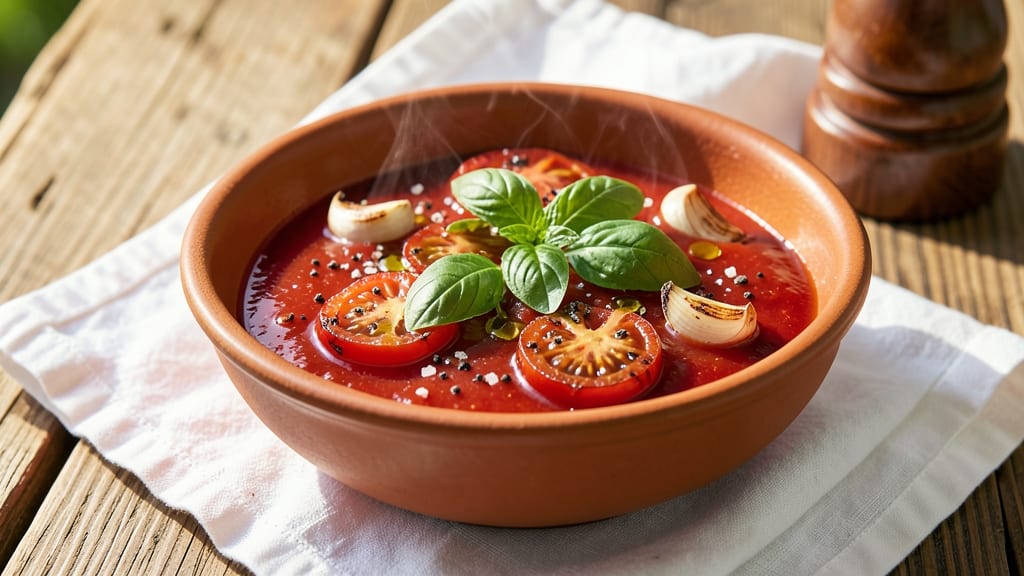
This fresh tomato sauce recipe from Ina Garten delivers bright, herby perfection in just 25 minutes—no canned tomatoes or heavy cream needed. I first made this during a summer overflowing with vine-ripened tomatoes, and it quickly became my go-to for everything from pasta to bruschetta. The secret lies in roasting the tomatoes to deepen their natural sweetness while keeping the sauce light and vibrant.
What makes this recipe special is its simplicity: just 7 ingredients and a few essential techniques. You'll roast the tomatoes until caramelized and fragrant, then blend them with garlic, basil, and a touch of olive oil for a sauce that's impossibly fresh-tasting.
The key is simmering it just until the flavors meld—no overcooking that turns bright red into dull brown.
By the time you're done, you'll have a sauce that's rich enough for lasagna but light enough for summer salads. The aroma alone will have everyone asking what's for dinner, and the flavor—bright, herby, and perfectly balanced—will make you reach for the recipe again and again.
It's the kind of sauce that transforms simple meals into something special.
Make a double batch—this sauce keeps beautifully in the fridge for up to 5 days or freezes for 3 months, ready to elevate any dish.
Whether you're tossing it with al dente pasta or drizzling it over grilled fish, this is the fresh tomato sauce that will change how you think about weeknight dinners.
Ingredients for fresh tomato sauce recipe ina garten
Seven ingredients, one roasting pan, and 25 minutes to transform summer tomatoes into vibrant, herby perfection.
| Ingredient | Amount | Notes |
|---|---|---|
| Vine-Ripened Tomatoes 🍅 | 2 ½ lbs | Medium-sized, halved for roasting |
| Extra-Virgin Olive Oil 🫒 | ½ cup | High-quality, fruity variety |
| Garlic Cloves 🧄 | 4 cloves | Peeled, roughly chopped |
| Fresh Basil Leaves 🌿 | 1 ½ cups | Packed, stems removed |
| Kosher Salt 🧂 | 1 ½ tsp | Diamond Crystal preferred |
| Freshly Ground Black Pepper 🌶️ | ½ tsp | Freshly cracked preferred |
| Red Wine Vinegar 🍷 | 1 tbsp | For brightness and balance |
The tomatoes are everything here. Vine-ripened from a local farmers market or your own garden makes all the difference—they're sweeter, juicier, and packed with flavor. If you can't find vine-ripened, heirloom varieties from the grocery store work too, but avoid those mealy, pale ones. I always roast mine on a baking sheet lined with parchment at 425°F until caramelized and fragrant—about 20 minutes. The garlic? Freshly peeled and chopped right before roasting so it doesn't burn. For olive oil, California extra-virgin brands like Corto or Omni give the best fruity depth, but any high-quality bottle will do.
No fresh basil? Dried oregano at half the amount gets you close, though it won't have that same bright, sweet aroma. The red wine vinegar might seem like an afterthought, but it's what cuts through the richness and keeps the sauce bright. Balsamic vinegar works in a pinch, but it adds a sweeter note. For salt, Diamond Crystal is my go-to because it dissolves more easily, but any kosher salt will work. The pepper should be freshly ground—pre-ground loses its punch fast. And if you're short on tomatoes? Cherry tomatoes roast just as beautifully and give you more concentrated flavor.
This sauce tastes even better the next day once all the flavors meld together. Store it in an airtight container in the fridge for up to 5 days—the acidity from the vinegar actually helps preserve it longer than most tomato sauces. For freezing, portion into ice cube trays first, then transfer to a bag. Thaws perfectly and keeps for 3 months. I always make a double batch because it disappears faster than you'd think—great for pasta, grilled fish, or even as a bruschetta topping. The aroma alone will have your kitchen smelling like a summer garden.
Why You'll Love This Recipe
- No Chopping Needed: I swear by this sauce because it only asks for one knife swipe—just halve those ripe tomatoes and toss them in. The garlic gets a quick smash with the flat of a knife, and the basil? I tear it by hand because it’s faster than measuring.
- Sunshine in a Bowl: That first spoonful of olive oil hitting the pan, the garlic sizzling just until it’s golden but not bitter, then the tomatoes breaking down into a silky, bright red mess? It’s like summer in a jar—sweet, tangy, and bursting with the kind of freshness you can’t get from canned sauce.
- Pasta’s Best Friend: This sauce doesn’t just work with spaghetti—it’s my go-to for bruschetta, grilled cheese, or even a quick shakshuka. Honestly, I’ve drizzled it over eggs, tossed it with roasted veggies, and even used it as a marinade. It’s the kind of sauce that makes you want to eat everything in sight.
- Leftovers That Taste Better: The flavor actually deepens overnight, so I make a big batch and freeze it in ice cube trays. A few cubes tossed into a simmering pot later? Instant restaurant-quality sauce. Between us, I’ve pulled this out of the freezer at 6 AM and still made it taste like I’d spent hours.
Step-by-step instructions for fresh tomato sauce
Here's how to create Ina Garten's signature bright, herby tomato sauce in just 25 minutes.
Roast the Tomatoes for Sweet Depth
Preheat your oven to 425°F and line a baking sheet with parchment paper. Halve the 2.5 lbs vine-ripened tomatoes crosswise, removing any hard cores. Arrange them cut-side down on the prepared sheet, leaving space between each half for even cooking. Drizzle with 2 tablespoons of the 0.5 cup extra-virgin olive oil and sprinkle with 0.5 teaspoon of the 1.5 teaspoons kosher salt.
Roast for 15-20 minutes until the tomatoes collapse slightly and their edges begin to brown. You're looking for caramelized edges and a fragrant aroma that fills your kitchen. This roasting step transforms the tomatoes' natural sugars into sweet, concentrated flavor—the foundation of a truly exceptional sauce.
Build the Sauce Base with Aromatics
While the tomatoes roast, heat a large, deep skillet over medium heat. Add the remaining 0.33 cup extra-virgin olive oil (about ⅔ of the total) and let it warm through. Add the 4 peeled garlic cloves and cook for 30-45 seconds until they're fragrant but not browned—you want to preserve their delicate flavor rather than burn them.
Immediately add the roasted tomatoes to the skillet, scraping up any browned bits from the bottom with a wooden spoon. These bits, called fond, contain concentrated flavor that will deepen your sauce. Stir in the 1 tablespoon red wine vinegar and let the mixture simmer gently for 5 minutes, allowing the tomatoes to break down and release their juices.
Season and Simmer to Perfection
Add the remaining 1 teaspoon kosher salt and the 0.5 teaspoon freshly ground black pepper to the tomato mixture. Stir well to distribute the seasoning evenly. The sauce should begin to thicken slightly as it simmers, but it will continue to develop as it cools.
Taste the sauce and adjust the seasoning if needed—this is your chance to balance the flavors. You might want to add a pinch more salt or a splash more vinegar to brighten the acidity. Simmer uncovered for an additional 3-5 minutes until the sauce reaches your desired consistency, which should be smooth but still slightly chunky with tomato pieces.
Finish with Fresh Basil for Herby Brightness
Remove the skillet from heat and stir in the 1.5 cups fresh basil leaves, stems removed. Let the sauce sit for 2-3 minutes to allow the basil's aroma to infuse fully. The leaves will wilt and soften, releasing their signature sweet, peppery flavor that elevates the entire dish.
Taste once more and make any final adjustments to seasoning. The sauce should be vibrant, bright, and perfectly balanced—sweet from the roasted tomatoes, tangy from the vinegar, and fresh from the basil. Serve immediately over pasta, with grilled meats, or as a vibrant condiment for bruschetta.
Pro Tips For Making Fresh Tomato Sauce Recipe Ina Garten
- CHAR THE TOMATOES FIRST: Vine-ripened tomatoes release their sweetness better when blistered first—cut them in half, place cut-side down in a dry skillet over medium-high heat for 3-4 minutes until skin darkens slightly. I used to skip this, but now I never go back: the sauce tastes deeper, almost caramelized.
- SALT THE GARLIC: Toss your minced garlic cloves with a pinch of kosher salt before adding them to the oil—this prevents burning and makes the flavor pop. After burning three batches of garlic, I finally figured out this tiny habit saves the dish every time.
- LOW AND SLOW FOR BASIL: Add fresh basil leaves at the very end and simmer the sauce on the lowest heat setting for just 1 minute—any longer and they turn bitter. I was skeptical until I tried it: the aroma stays bright, and the leaves wilt just enough to release their essence without overcooking.
- USE A SPLASH OF WATER: If the sauce thickens too fast, add 2-3 tablespoons of water or even a splash of pasta water—it evens out the texture without diluting the flavor. This isn’t the prettiest method, but it’s the tastiest, especially when working with concentrated vine-ripened tomatoes.
Dietary considerations for these flavors
Gluten-Free Friendly
This fresh tomato sauce is naturally gluten-free since it contains no wheat, barley, or rye ingredients. The only potential cross-contamination risk comes from shared kitchen tools, so I always clean my cutting boards and skillets thoroughly before use.
For extra peace of mind, I use dedicated gluten-free olive oil brands like Bertolli Gluten-Free or California Olive Ranch. The sauce works beautifully as a base for gluten-free pasta dishes or as a topping for grilled chicken and fish. 🌱
Low-Carb Adaptations
To make this sauce keto-friendly, simply reduce the portion size to 1 cup and serve it alongside low-carb proteins like grilled shrimp or chicken thighs. The natural sweetness from roasted tomatoes satisfies cravings without spiking blood sugar.
I often pair it with zucchini noodles or cauliflower rice for a complete low-carb meal. The red wine vinegar adds acidity that helps balance the sauce's flavor profile while keeping it under 3g net carbs per serving.
Allergen Considerations
This recipe contains no common allergens except for potential basil sensitivity. For those with basil allergies, substitute with 1 tbsp dried oregano or 1 tsp dried thyme. The garlic and olive oil are also common allergens, so check with your doctor if you have specific sensitivities.
For nut-free kitchens, ensure your olive oil hasn't been processed in facilities handling nuts. I always double-check my New Seasons Market olive oil labels for allergen warnings.
Dairy-Free Versatility
The beauty of this sauce is its dairy-free nature, making it perfect for vegan diets or lactose intolerance. It pairs wonderfully with dairy-free cheeses like Miyoko's cashew ricotta or Violife mozzarella on veggie dishes.
For extra richness, stir in 1 tbsp nutritional yeast at the end for a cheesy umami boost. The sauce also works as a marinade for tofu or tempeh, absorbing beautifully while keeping the dish plant-based.
Nut-Free Options
While this recipe doesn't contain nuts, I always recommend checking your olive oil label for cross-contamination warnings if nut allergies are a concern. For nut-free kitchens, I use Bertolli Extra Virgin Olive Oil which has dedicated nut-free processing facilities.
The sauce's flavor profile remains unchanged whether you use nut-free oil or standard brands. For added thickness without nuts, simmer the sauce uncovered for an extra 5 minutes to reduce it naturally.
Preservative-Free Storage
This fresh tomato sauce contains no preservatives, making it ideal for those avoiding additives. Store it in an airtight glass container in the fridge for up to 5 days or freeze for 3 months using ice cube trays for portion control.
The natural acidity from red wine vinegar helps preserve freshness while keeping the sauce free from artificial preservatives. For extended storage, I add a pinch of sea salt to help maintain texture during freezing. 💫
Nutrition facts
Frequently asked questions
Can I use regular grocery store tomatoes instead of vine-ripened?
You can, but the flavor won't be as vibrant. Look for heirloom or Roma tomatoes—they're meatier and sweeter than typical slicing tomatoes. If using standard grocery store tomatoes, remove seeds and excess water first to prevent a watery sauce. For best results, roast them slightly longer to concentrate their flavor.
How do I make this sauce thicker for pasta?
Simmer the sauce uncovered for an extra 5-10 minutes to reduce it naturally. For a quicker fix, mix 1 teaspoon cornstarch with 1 tablespoon water, stir into the sauce, and simmer for 2 minutes until thickened. Never skip the vinegar—it's what balances the sweetness and keeps the sauce bright.
What if I don't have fresh basil?
Use 1 tablespoon dried basil or 1 teaspoon dried oregano as a substitute, but the flavor won't be as bright. For a deeper taste, add ½ teaspoon red pepper flakes to mimic basil's slight heat. Fresh basil is ideal, but dried herbs will still give you a flavorful sauce—just less aromatic.
Can I make this sauce ahead of time?
This sauce tastes even better the next day. Store it in an airtight container in the fridge for up to 5 days. The flavors meld beautifully, and it reheats perfectly. For freezing, portion into ice cube trays, then transfer to a bag. Thaw overnight in the fridge for best results.
What's the best way to use up extra sauce?
Freeze it in 1-tablespoon portions for quick pasta tosses or pizza drizzles. It also makes amazing bruschetta, grilled cheese sandwiches, or a dip for crusty bread. For a creative twist, blend with ½ cup ricotta and serve as a spread for toasted baguette slices.