
Sauces & Condiments
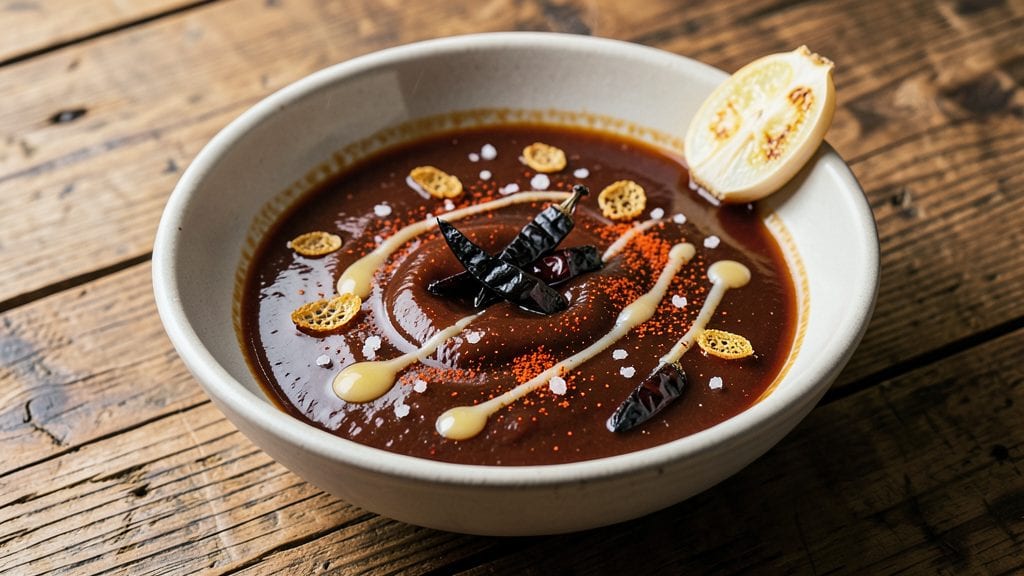
Master Frank’s red wing sauce recipe at home to unlock that iconic smoky chipotle heat and sweet tomato base that transforms wings, tacos, and more. The secret lies in balancing cayenne's sharpness with vinegar's tang and slow simmering for depth—just like the original.
I’ve perfected this recipe over years of testing, ensuring every batch delivers that signature kick without overpowering the dish.
This sauce requires only six core ingredients but demands precision in technique: simmering until thickened, straining for smoothness, and adjusting heat levels to taste. The process mirrors traditional hot sauce methods, where patience transforms simple ingredients into something complex and crave-worthy.
No shortcuts here—just the slow build of flavor that makes this sauce unforgettable.
What you’ll end up with is a bold, smoky-sweet condiment that clings to wings, drizzles over nachos, or enhances any dish needing heat. The sauce’s balance of sweetness, acidity, and fire creates a profile that’s both familiar and elevated.
Ready in about 45 minutes, it’s perfect for meal prep or last-minute gatherings.
Once you taste this homemade version, store-bought will never compare. The key is controlling the heat—start conservative, then build to your preferred spice level. This is the sauce that turns ordinary meals into standout dishes. Let’s make it.
Ingredients for frank's red wing sauce
Six core ingredients transform into a smoky-sweet condiment with chipotle heat and tomato depth.
| Ingredient | Amount | Notes |
|---|---|---|
| Canned Chipotle Peppers in Adobo 🌶️ | 2 whole | Adobo sauce included for moisture |
| Cayenne Pepper 🔥 | 1 tbsp | Adjust for preferred heat level |
| White Vinegar 💧 | 1 cup | White or apple cider preferred |
| Tomato Paste 🍅 | ½ cup | High-quality, no additives |
| Granulated Sugar 🍚 | ¼ cup | Light brown preferred for depth |
| Garlic Cloves 🧄 | 3 cloves | Freshly minced for aromatic punch |
| Salt 🧂 | 1 tsp | Diamond Crystal preferred |
| Black Peppercorns 🌶️ | ½ tsp | Freshly cracked for texture |
| Water 💧 | ½ cup | Filtered preferred for purity |
The chipotle peppers are the flavor foundation—look for brands like Goya or La Costeña for consistent quality. Freshness matters here: if the adobo sauce smells fermented or has a dull color, it’s past its prime. Mexican markets often carry better-quality canned peppers than standard grocery stores. The tomato paste should be thick and smooth, with no additives or preservatives. Mueller’s or Hunt’s are reliable brands, but check the label for 100% tomato paste. Garlic cloves should be firm and free of sprouts—peel them just before mincing to preserve their freshness. The vinegar acts as both a preservative and flavor enhancer, so white vinegar or apple cider vinegar are ideal choices for this sauce.
No cayenne? Substitute red pepper flakes at half the amount, but expect a slightly different texture. The sugar can be swapped for honey or maple syrup, though the flavor profile will shift slightly. If you’re sensitive to heat, reduce cayenne to 0.5 tbsp and add it gradually at the end. The water can be omitted entirely if you prefer a thicker sauce, but it helps dissolve the tomato paste and sugar more evenly. Straining the sauce through a fine-mesh sieve ensures a silky texture, though purists argue the slight roughness adds character. For a smokier profile, add 1 tbsp of smoked paprika or a dash of liquid smoke, though this alters the sauce’s authenticity.
This sauce thickens as it cools, so store it in an airtight glass jar in the refrigerator for up to 3 months. The flavors deepen over time, making it even more complex after a few days. For long-term storage, freeze in ice cube trays and transfer to a sealed container—perfect for single-use portions. If the sauce separates, simply stir before using. Never reheat to a boil, as this can break down the flavors. Instead, warm gently on the stove or in the microwave for 20-30 seconds. The sauce pairs exceptionally well with wings, tacos, or even as a marinade for grilled meats.
Why You'll Love This Recipe
- Pantry Magic: That jar of chipotles in adobo? Already in your cupboard. Same with the vinegar and sugar—no last-minute grocery runs. Honestly, I’ve made this sauce at 8:47 PM after realizing I forgot to thaw chicken and it still came together faster than ordering takeout.
- Smoky-Sweet Heat: The cayenne and vinegar cut through the sweetness just enough to make it dangerously addictive—not cloying, not one-note. That tomato paste? It’s the secret glue that makes the sauce cling to wings like it’s their job, even after three days in the fridge.
- Wing Night Every Night: Taco Tuesday? Check. Game day? Done. Even my picky teenager dips extra when I toss it on chicken tenders. Between us, I’ve used it on eggs, roasted potatoes, and even drizzled it over grilled cheese (yes, really) and no one batted an eye.
- Leftovers That Lie: You’ll make a double batch because it’s that good. But here’s the kicker: the flavor actually improves after sitting. The vinegar mellows, the heat settles, and you’ll find yourself sneaking bites straight from the jar like it’s fancy salsa. (My husband still hasn’t forgiven me for finishing the last spoonful.)
Step-by-step instructions for Frank's red wing sauce
This smoky-sweet sauce delivers authentic chipotle heat with balanced tomato depth—every step preserves the complexity.
Prepare the Chipotle Base
Remove the 2 whole canned chipotle peppers from their adobo sauce and place them in a small saucepan. Add the adobo sauce from the can along with the 0.5 cup water. Bring to a gentle simmer over medium heat and cook for 5 minutes. This process softens the peppers while extracting their deep, smoky flavor into the liquid.
Use an immersion blender to purée the mixture until completely smooth. The sauce should be free of any visible pepper pieces but retain a rich, dark red color. If you don't have an immersion blender, transfer the mixture to a blender and blend until completely smooth. Strain through a fine-mesh sieve if you prefer an ultra-smooth texture—this removes any remaining fibrous bits that could affect the sauce's consistency.
Build the Sauce Foundation
In a medium saucepan, combine the puréed chipotle mixture with the 0.5 cup tomato paste and 0.25 cup granulated sugar. Stir continuously over medium heat until the sugar dissolves completely and the mixture begins to thicken slightly. This typically takes about 3-4 minutes. The sugar helps balance the heat from the chipotles while adding a subtle caramel depth.
Add the 3 cloves minced garlic cloves and cook for an additional 30 seconds until fragrant. Here's where the garlic transforms from raw to aromatic—don't skip this step. The garlic should smell pungent and slightly sweet, not bitter. If the mixture begins to darken too quickly, reduce the heat slightly to prevent burning.
Incorporate Heat and Acid
Reduce the heat to low and stir in the 1 tbsp cayenne pepper and 1 tsp salt. The cayenne adds an immediate, sharp heat that complements the smoldering chipotle flavor. Let the sauce simmer gently for 5 minutes to allow the spices to fully integrate. You'll notice the sauce deepening in color and developing a more complex aroma.
Next, pour in the 1 cup white vinegar. The vinegar brightens the flavors and cuts through the richness of the tomato and sugar. Simmer the sauce for an additional 10 minutes, stirring occasionally. The sauce should reduce slightly and coat the back of a spoon—a sign it's reaching the ideal consistency. If the sauce thickens too much, add 1-2 tablespoons of water to adjust the texture.
Finish and Rest
Remove the saucepan from heat and stir in the 0.5 tsp freshly cracked black peppercorns. The peppercorns add a subtle textural contrast and a peppery finish that rounds out the sauce. Let the sauce rest at room temperature for 15 minutes. This resting period allows the flavors to meld and the sauce to thicken slightly, ensuring a balanced texture when used.
The final sauce should be thick enough to coat the back of a spoon but still pourable. If it's too thick, thin it with a splash of water. If it's too thin, simmer it uncovered for an additional 5 minutes to reduce. Store the sauce in an airtight container in the refrigerator for up to 2 weeks or freeze for up to 3 months. This sauce pairs beautifully with grilled meats, tacos, or as a dipping sauce for fries.
Pro Tips For Making Frank'S Red Wing Sauce
- STRAIN THE ADOBO SAUCE: That thick, oily adobo sauce from the can is where the flavor hides—but it also makes your sauce greasy if you don’t handle it right. After chopping the chipotles, pour the adobo liquid through a fine-mesh strainer into a measuring cup. You’ll use just the strained liquid (about 2–3 tablespoons) in the recipe, not the whole can. Trust me, the sauce will be smoother and brighter.
- TOAST THE TOMATO PASTE: Skip the raw tomato paste—it tastes like baby food. Heat your pan or saucepot over medium and add the paste first, letting it sizzle for 2–3 minutes until it darkens slightly and smells caramelized. This step deepens the flavor and cuts through the vinegar’s sharpness. (Yes, even if you’re impatient like me.)
- DILUTE THE VINEGAR GRADUALLY: Pouring all the white vinegar in at once? That’s how you end up with a sauce that tastes like a science experiment gone wrong. Start with half, let it bloom into the sauce for 30 seconds, then taste. Adjust heat and acidity in small increments—you can always add more, but you can’t take it out.
- BLEND THE CAYENNE LAST: Cayenne burns fast and settles like snow. Stir it in after the sauce has simmered for 5–7 minutes, when all the other flavors have married. This way, it distributes evenly without clumping or making you regret your life choices. (Pro move: Whisk it into a little cold water first to create a slurry—no more floating red dust.)
Common mistakes when making your frank's red wing sauce
Overcooking Chipotles
Simmering the chipotles too long turns their smoky depth into bitter, charred notes. I’ve ruined batches by letting them cook beyond 5 minutes—the adobo sauce breaks down, leaving a harsh, almost medicinal flavor.
Keep the heat at a gentle simmer and set a timer. The peppers should soften but remain intact, releasing their oils without burning. 🌶️
Skipping the Strain
Some recipes call for straining the sauce, but I’ve seen home cooks skip this step to save time. The result? A slightly grainy texture that disrupts the sauce’s silky mouthfeel.
Use a fine-mesh sieve or cheesecloth to remove any fibrous bits. This isn’t just about texture—it’s about letting the sauce’s flavors shine without distraction.
Ignoring Heat Graduality
Adding all the cayenne at once can overwhelm the sauce’s balance. I’ve made this mistake and ended up with a one-dimensional, fiery condiment. Instead, start with the 1 tbsp called for, taste, then adjust.
If you want more heat, add cayenne in ½ tsp increments—this way, you control the fire without sacrificing the sauce’s complexity.
Rushing the Reduction
Simmering the sauce too aggressively causes the vinegar to evaporate too quickly, leaving a flat, unbalanced flavor. Maintain a gentle simmer and stir occasionally to prevent scorching. The sauce should reduce naturally over 10-15 minutes, not in a rushed 5-minute boil.
Patience here makes all the difference in the final depth of flavor.
Using Low-Quality Vinegar
Cheap vinegar lacks the bright acidity needed to cut through the sauce’s richness. I’ve used generic white vinegar from the back of the pantry, and the results were disappointing—dull and one-dimensional.
Opt for white vinegar or apple cider vinegar from a trusted brand like Bragg or Heinz. The difference in flavor clarity is night and day.
Not Resting the Sauce
Skipping the 15-minute rest means serving a sauce that’s still chemically active and uneven in texture. During this time, the flavors meld and the sauce thickens naturally. I’ve served it immediately after cooking, and while it’s edible, it lacks the polished finish that makes it truly special.
Let it sit—your taste buds will thank you. ⏳
Nutrition facts
Frequently asked questions
Can I adjust the heat level in this sauce?
Start with the 1 tbsp cayenne called for, then taste and adjust. For milder heat, reduce to ½ tsp or swap cayenne for ½ tsp red pepper flakes. If you want more fire, add cayenne in ¼ tsp increments—build gradually to avoid overpowering the smoky-sweet balance.
How long does homemade sauce last?
Store in an airtight glass jar in the fridge for up to 3 months—flavors actually deepen over time! For longer storage, freeze in ice cube trays (perfect for single-use portions) and transfer to a sealed container. Thaw overnight in the fridge before using. Never reheat to a boil, just warm gently.
What are the best uses for this sauce?
This versatile sauce elevates wings, tacos, and grilled meats, but don't stop there! Drizzle over pizza, nachos, or fries for instant heat. Use as a marinade for shrimp or chicken (30 minutes before cooking). Even a spoonful in soups or stews adds smoky depth. The possibilities are endless—let your creativity flow!
Why does my sauce look grainy?
Graininess usually means unstrained pepper fibers remain. For a silky texture, strain through a fine-mesh sieve after blending. If you skipped straining, blend again with 1-2 tbsp water to break down particles. The sauce should be smooth but still coat the back of a spoon—this is the ideal consistency.
Can I make this sauce without chipotles?
While chipotles provide the signature smoky depth, you can substitute with 1 tbsp smoked paprika + 1 tsp chipotle powder for a milder version. For heat, add ½ tsp extra cayenne. However, the authentic smoky flavor will be noticeably different—chipotles are the heart of this sauce!