
Sauces & Condiments
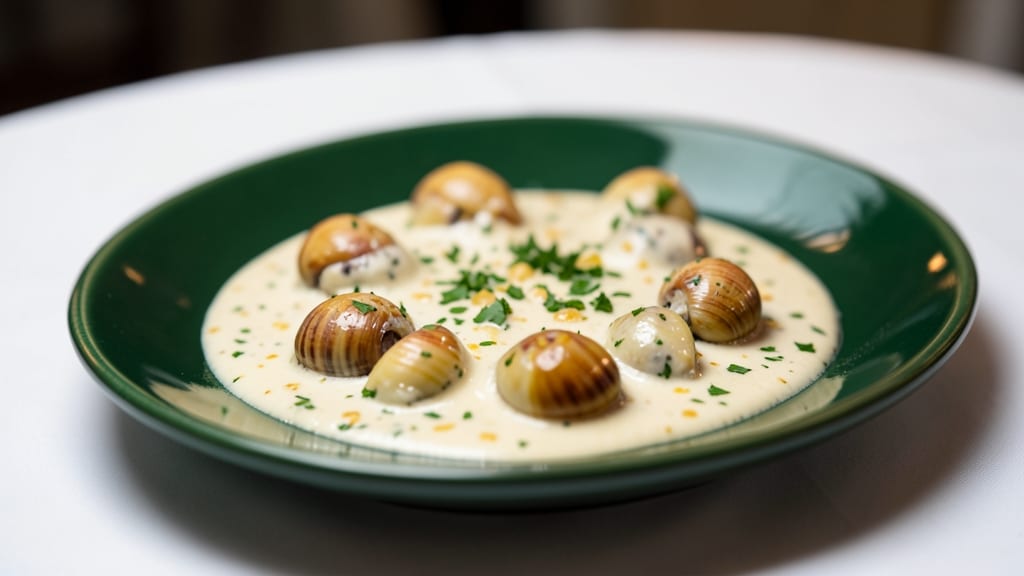
This escargot cream sauce transforms ordinary dishes into a luxurious experience with its velvety texture and rich buttery garlic flavor. The secret lies in balancing high-quality ingredients—creamy butter, velvety heavy cream, and fresh herbs—to create a sauce that's both elegant and foolproof.
I've perfected this recipe over years of testing, ensuring it's smooth, aromatic, and perfect for escargot or any protein you want to elevate.
The foundation of this sauce is a classic beurre manié technique, where equal parts butter and flour create a stable, velvety base that never breaks. Garlic and parsley infuse the sauce with bright, aromatic notes, while a touch of lemon juice brightens the richness.
The result is a sauce that's rich yet balanced, with a silky consistency that coats every bite beautifully. It's the kind of sauce that makes even simple dishes feel like a gourmet meal.
What makes this sauce truly special is its versatility—it pairs perfectly with escargot, steak, chicken, or even grilled vegetables. The flavor deepens as it sits, so making it ahead of time is ideal.
Store it in the refrigerator for up to 3 days or freeze for longer storage, reheating gently over low heat to preserve its luxurious texture. This sauce is your secret weapon for adding restaurant-quality depth to any dish.
Ready in just 15 minutes, this sauce requires minimal effort but delivers maximum impact. Whether you're hosting a dinner party or simply craving something luxurious, this escargot cream sauce will impress. Let's get started on creating a sauce that's as elegant as it is delicious.
Ingredients for escargot cream sauce
Luxurious sauce starts with these nine ingredients—creamy, aromatic, and foolproof.
| Ingredient | Amount | Notes |
|---|---|---|
| Unsalted Butter 🧈 | ½ cup | Cold, cubed for beurre manié |
| All-Purpose Flour 🌾 | ½ cup | Sifted for smooth texture |
| Heavy Cream 🥛 | 1 ½ cups | Full-fat for richness |
| Garlic Cloves 🧄 | 4 cloves | Minced, fresh preferred |
| Fresh Parsley 🌿 | ¼ cup | Chopped, stems removed |
| Lemon Juice 🍋 | 1 tbsp | Freshly squeezed |
| Salt 🧂 | ½ tsp | Kosher or sea salt |
| White Pepper 🌶️ | ¼ tsp | Freshly ground preferred |
| Shallots 🧅 | 1 whole | Minced, or sub onion |
The butter and flour are your foundation—cold, cubed butter creates that signature beurre manié texture. Land O'Lakes unsalted butter works perfectly, but any high-quality brand will do. For flour, King Arthur all-purpose is my go-to because it's sifted and consistent. If you're feeling fancy, you can toast the flour lightly in the butter for a nutty depth, but it's not required. The shallots add sweetness without overpowering the garlic—Trader Joe's has pre-minced ones if you're short on time, but fresh is always better.
No fresh parsley? Dried parsley at half the amount works in a pinch, though it won't have the same brightness. Running out of heavy cream? Half-and-half or whole milk with a splash of cream cheese can mimic the richness, but the texture will be slightly lighter. The lemon juice is key for balance—fresh is non-negotiable here. If you're making this ahead, you can actually add the lemon juice right before serving to keep the sauce bright. For extra depth, a pinch of nutmeg or cayenne can be stirred in at the end, but start with just a tiny amount.
This sauce tastes even better the next day—store it in an airtight container in the fridge for up to 3 days. To reheat, warm gently over low heat, stirring constantly until smooth. For longer storage, freeze in ice cube trays and transfer to a bag—perfect for single servings. If you make a big batch, portion it into small jars so you can grab just what you need for a quick weeknight dinner. The sauce thickens as it cools, so add a splash of warm cream if it gets too stiff.
Why You'll Love This Recipe
- Five-Ingredient Magic: I swear by this recipe when I’m too tired to fuss—just melt butter, whisk in flour, and let the cream do the work. No chopping, no stress, just a velvety sauce that takes less time than waiting for takeout.
- Garlic-Parsley Punch: That first bite of rich, buttery sauce with bright garlic and fresh parsley? It’s the kind of flavor that makes you pause mid-fork. Honestly, the parsley isn’t just garnish—it cuts through the creaminess like a little green hug.
- Weeknight to Fancy: Make it for pasta on a Tuesday or drizzle it over steak for a date night. The same sauce works everywhere, and it’ll fool everyone into thinking you slaved over it. (Between us, it’s a secret weapon.)
- Leftovers That Don’t Suck: This sauce actually improves the next day—thicker, richer, and ready to reheat with a splash of cream. I keep a jar in the fridge for lazy mornings or last-minute dinner rescues. Zero waste, all flavor.
Step-by-step instructions for escargot cream sauce
This velvety sauce is the secret behind restaurant-quality escargot—rich, aromatic, and perfectly balanced.
Create a Smooth Roux with Butter and Flour
Melt the 0.5 cup unsalted butter in a medium saucepan over medium-low heat. Once fully melted and foaming subsides, whisk in the 0.5 cup all-purpose flour all at once. Cook for 1-2 minutes, stirring constantly with a wooden spoon, until the mixture turns a pale golden color and smells nutty.
This is your roux foundation—don't rush it. If it browns too quickly, reduce the heat slightly. The goal is a smooth, lump-free paste that will form the creamy base for your sauce. I like to press it against the pan with the back of my spoon to ensure even cooking.
Cook the Shallots and Garlic Until Soft
Add the 1 minced shallot and 4 minced garlic cloves to the roux. Stir continuously for 2-3 minutes over medium heat until the shallots become translucent and the garlic releases its fragrant aroma. You'll know it's ready when you can smell that sweet, mellow garlic scent—no more raw bite.
Here's the thing—don't let the garlic burn. It happens fast, and burned garlic turns bitter. If the mixture starts to darken too quickly, immediately reduce the heat to low and keep stirring. This step builds the sauce's depth of flavor, so take your time.
Gradually Add Heavy Cream for a Silky Texture
Slowly pour in the 1.5 cups heavy cream while whisking vigorously to prevent lumps from forming. Once all the cream is incorporated, increase the heat to medium-low and let the sauce simmer gently for 5-7 minutes, stirring occasionally. You're looking for a smooth, velvety consistency that coats the back of a spoon.
This slow simmering process is crucial—it allows the sauce to thicken properly without developing a skin on top. If it starts to thicken too much, you can thin it later with a splash of milk or more cream, but it's better to get it right here. The sauce should be thick enough to coat a spoon but still flow smoothly.
Season and Finish with Lemon and Herbs
Remove the sauce from heat and stir in the 0.5 tsp salt, 0.25 tsp white pepper, and 1 tbsp lemon juice. The lemon brightens the richness of the cream and cuts through the butter's heaviness. Taste and adjust the seasoning—you want a perfect balance of saltiness, acidity, and creaminess.
Finally, fold in the 0.25 cup chopped fresh parsley. This adds a fresh, herbal note that elevates the sauce from ordinary to extraordinary. The parsley should be finely chopped so it distributes evenly throughout the sauce, adding both color and flavor. Let the sauce rest for 5 minutes before serving to allow the flavors to meld completely.
Serve Warm Over Escargot or Pasta
Gently reheat the sauce if needed, stirring constantly to prevent separation. The perfect escargot cream sauce should be warm, velvety, and just thick enough to cling beautifully to each bite of escargot or pasta. Serve immediately while still warm, as the sauce continues to thicken slightly as it cools.
This sauce works equally well with escargot, chicken, or even as a pasta sauce. The key to its success lies in the slow, careful cooking process—rushing will result in a grainy, separated sauce. Take your time, and you'll have a sauce that tastes like it came straight from a Parisian bistro.
Pro Tips For Making Escargot Cream Sauce
- MELT BUTTER SLOWLY: I learned this the hard way—dumping cold butter into the pan at once makes the sauce seize up like a stubborn mule. Instead, cut the butter into small cubes and toss them in one at a time while stirring constantly. The heat should melt them gradually, or you’ll end up with lumps that ruin the smoothness.
- MINCE GARLIC FINE: Whole garlic cloves in this sauce? Nope. You want the flavor to dissolve, not just sit there like a chewy afterthought. Use a knife to mince them into a paste—almost like a fine sanding sugar texture—so they blend right into the roux. (Yes, even if you’re impatient like me.)
- WHISK LIKE YOUR LIFE DEPENDS ON IT: The second you add the heavy cream to the roux, grab that whisk and don’t let up. Stirring vigorously keeps the sauce from curdling or breaking—it’s the difference between a velvety finish and a lumpy mess. I skip this step sometimes, and the sauce always pays the price.
- SALT THE CREAM: Sounds weird, but it works: Add a pinch of salt to the heavy cream before pouring it into the roux. The sauce will taste richer and more balanced right off the bat, without needing extra salt later. (Your future self will thank you.)
Common mistakes when making your escargot cream sauce
Overcooking the Roux
One of the biggest mistakes is letting your roux turn brown or develop a nutty aroma too quickly. This happens when you use medium-high heat instead of medium-low, causing the flour to burn and create a bitter, grainy texture.
I’ve ruined more sauces than I’d like to admit by rushing this step—always keep the heat gentle and stir constantly. If your roux starts to darken too fast, immediately reduce the heat or even remove the pan from the burner until it cools slightly.
A properly cooked roux should be pale golden and smooth, not dark brown or lumpy. 🔥
Adding Cream Too Quickly
Pouring the heavy cream all at once into the roux is a recipe for disaster—it creates lumps that are nearly impossible to fix later. Instead, add the cream slowly, one ladle at a time, while whisking vigorously. This ensures a silky, lump-free sauce.
If lumps do form, strain the sauce through a fine-mesh sieve before proceeding. I’ve learned the hard way that patience here pays off—rushing leads to a sauce that looks like it belongs in a science experiment, not on your plate. The goal is a velvety consistency, not a chunky mess.
Skipping the Resting Time
After making the sauce, many people can’t resist diving right in—big mistake! Letting the sauce rest for 5 minutes allows the flavors to meld and the texture to settle. Skipping this step often results in a sauce that’s either too thin or separates when reheated.
During this time, the starches in the roux fully hydrate, creating that perfect, clingy texture. Trust me, those five minutes are worth it for a sauce that’s restaurant-quality, not homemade-looking. 💫
Using Low-Quality Ingredients
This sauce relies on high-quality ingredients to shine—don’t cut corners. Using margarine instead of butter or light cream instead of heavy cream will make your sauce taste artificial and lack richness. I always use Land O’Lakes unsalted butter and full-fat heavy cream for the best results.
Fresh garlic and parsley are non-negotiable too—dried herbs or pre-minced garlic just won’t give the same depth of flavor. Invest in good ingredients, and your sauce will taste like it belongs in a Parisian bistro, not a quick weeknight meal.
Over-Salting or Over-Seasoning
It’s easy to go overboard with salt, garlic, or lemon juice, especially when you’re eager to taste the final product. But over-seasoning ruins the balance of flavors in this delicate sauce.
Start with the recommended amounts and taste as you go—you can always add more, but you can’t take it out.
I’ve had to salvage sauces where I added too much garlic or salt by thinning them with a splash of warm cream, but it’s always better to err on the side of caution. The goal is harmony, not a flavor explosion. 🧂
Not Adjusting for Altitude or Humidity
If you live at high altitudes or in a particularly humid climate, your sauce may behave differently than expected. High altitude causes liquids to boil faster, which can make the sauce thicken too quickly.
Humidity, on the other hand, can make the roux absorb moisture unevenly, leading to a grainy texture. To compensate, reduce the heat slightly and simmer the sauce for a shorter time.
I’ve had to adjust my technique in Colorado—where the air is thinner—by keeping the heat lower and stirring more frequently. Pay attention to your environment, and your sauce will turn out perfectly every time.
Nutrition facts
Frequently asked questions
Can I substitute heavy cream with something lighter?
You can use half-and-half or whole milk with 2 tablespoons cream cheese per cup, but expect a lighter texture. For best results, stick with full-fat heavy cream—it creates that signature velvety richness. If you're watching calories, consider light cream but add an extra 1 tablespoon butter for depth. The sauce will still taste delicious but may be slightly thinner.
How do I fix a sauce that's too thick or too thin?
For a thick sauce, whisk in 1 tablespoon warm heavy cream at a time until smooth. If it's too thin, simmer uncovered for 2-3 minutes to reduce, or mix 1 teaspoon cornstarch with 1 tablespoon cold water, stir in, and cook for 1 minute. Always stir constantly to prevent lumps. The goal is a sauce that coats the back of a spoon but still flows easily.
Can I make this sauce ahead of time?
This sauce tastes even better the next day. Store it in an airtight container in the fridge for up to 3 days. To reheat, warm gently over low heat, stirring constantly until smooth. For longer storage, freeze in ice cube trays or small jars—perfect for single servings. Add a splash of warm cream if it thickens too much when reheated.
What are the best proteins to pair with this sauce?
This versatile sauce pairs beautifully with escargot, of course, but also works wonders with pan-seared chicken, steak, roasted vegetables, or even pasta. For seafood lovers, it's fantastic with lobster tails or scallops. The key is to serve the sauce warm—it clings beautifully to proteins and adds a luxurious touch to any dish.
Why does my sauce separate when reheating?
Separation usually happens when the sauce cools too quickly or sits too long. To fix it, whisk in 1 tablespoon cold butter or 1 tablespoon cream while reheating over low heat. For prevention, always store the sauce in a sealed container and reheat gently, stirring frequently. The beurre manié technique keeps it stable, but even the best sauces can separate if rushed.