
Sauces & Condiments
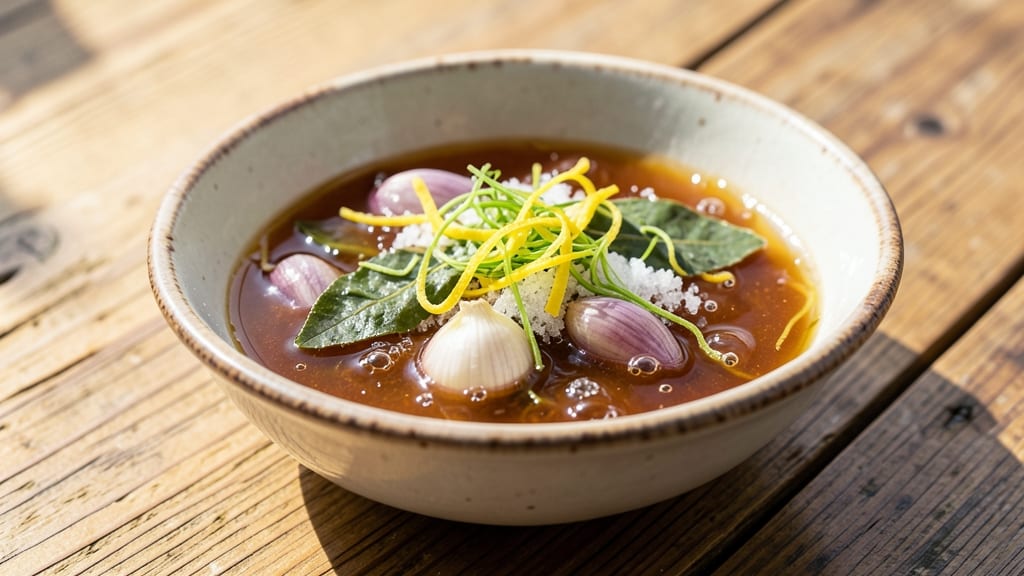
This escabeche sauce recipe delivers a bold, vinegar-bright punch that transforms simple ingredients into a restaurant-quality condiment. 💛 The balance of sharp vinegar, citrus zest, and aromatic spices creates a tangy, complex sauce that elevates everything from grilled fish to crisp vegetables.
I developed this version after years of testing traditional techniques, refining the ratios to ensure the perfect harmony of acidity and depth.
The foundation of great escabeche lies in its pickling time—letting the flavors meld for at least 24 hours transforms sharp vinegar into a silky, layered sauce.
You’ll need just five core ingredients: white wine vinegar, fresh citrus (lemon or lime), garlic, bay leaves, and a touch of sugar to balance the acidity. The sauce develops richer notes with time, making it ideal for meal prep or gifting.
What you’ll end up with is a versatile sauce that adds crunchy texture and zesty brightness to any dish. Use it as a marinade for seafood (especially swordfish or shrimp), drizzle it over roasted vegetables, or serve it as a tangy accompaniment to grilled meats.
The longer it sits, the more complex the flavors become—think of it as a liquid seasoning that works magic.
This sauce keeps well in the refrigerator for up to two weeks, so make a batch and enjoy it throughout the week. Whether you’re serving a seafood feast or brightening up a simple salad, escabeche brings a professional touch to every bite. Let’s get started on this vibrant, flavor-packed sauce!
Ingredients for escabeche sauce
Five core ingredients. One tangy, crunchy transformation. Restaurant-quality in your fridge.
| Ingredient | Amount | Notes |
|---|---|---|
| White Wine Vinegar 🍷 | 2 cups | High-quality, aged for depth |
| Fresh Lemon Zest 🍋 | 1 tbsp | Bright yellow zest only |
| Fresh Lime Zest 🍈 | 1 tbsp | Bright green zest only |
| Garlic Cloves 🧄 | 6 cloves | Thinly sliced, not minced |
| Bay Leaves 🌿 | 2 whole | Dried or fresh, standard size |
| Granulated Sugar 🍯 | ¼ cup | Light brown sugar for depth |
| Red Bell Pepper 🌶️ | 1 whole | Thinly sliced, seeds removed |
| Red Onion 🧅 | 1 whole | Thinly sliced, white part only |
| Salt 🧂 | 1 tsp | Diamond Crystal kosher salt |
| Black Peppercorns 🌶️ | ½ tsp | Freshly cracked, not ground |
The vinegar is non-negotiable—Bragg or Maestra are my go-tos for that aged depth. If you’re using white wine vinegar from the grocery store, check the date: older is better. The citrus zest is where the magic happens, so use organic lemons and limes if possible—they’ve got more oil. Thinly sliced garlic and bell pepper create that signature crunch, so don’t skip the slicing. I grab my bell peppers from Trader Joe’s when they’re on sale—they’re consistently crisp and vibrant. For the bay leaves, California or Mexican varieties add a subtle floral note, but regular dried works in a pinch.
No white wine vinegar? Apple cider vinegar with a splash of lemon juice mimics the brightness. Short on zest? Fresh citrus juice at double the amount gets you close, but you’ll lose that aromatic punch. The sugar is key—light brown sugar adds molasses notes that balance the acidity better than white. Swapping to white sugar? Reduce by half a teaspoon. The peppercorns? Freshly cracked in a mortar and pestle releases more aroma, but a quick pulse in a spice grinder works too. And if you’re feeling fancy, add a pinch of smoked paprika for depth.
This sauce gets better with time—24 hours minimum, up to 2 weeks in the fridge. Store it in a clean glass jar with a tight seal. The longer it sits, the more complex the flavors become. I always double the batch—one jar for the fridge, one to gift. The red bell pepper and onion slices stay crisp for days, but if they soften, just strain them out. Freezes beautifully for up to 6 months if you want to prep ahead. Just thaw in the fridge overnight.
Why You'll Love This Recipe
- Pantry Powerhouse: I swear by this sauce because it uses things I always have—vinegar, garlic, and a splash of citrus. No last-minute grocery runs, no fuss. Just open the cabinet, measure, and go.
- Bright & Sharp: That lemon-lime zest and vinegar combo? It’s like sunshine in a jar—tangy, fresh, and just a little bit bold. The garlic and bay leaves round it out without overpowering, so every bite feels balanced.
- Weeknight Magic: Slather it on grilled fish, toss it with roasted veggies, or drizzle it over eggs—it works everywhere. Honestly, I’ve used it as a marinade, a salad dressing, and even a quick pickling brine. Versatile doesn’t even cover it.
- Lasts Like a Champ: Make a big batch and store it in the fridge for weeks. The flavors deepen over time, and it’s cheaper than buying specialty sauces. Plus, it’s one of those rare recipes where leftovers taste better the next day.
Step-by-step instructions for vinegar-bright escabeche sauce
This tangy, aromatic marinade transforms simple proteins into restaurant-worthy bites.
🍳 Step 1: Simmer the Vinegar Base with Aromatics
In a medium saucepan, combine the 2 cups white wine vinegar, 0.25 cup granulated sugar, 1 tsp salt, and 0.5 tsp black peppercorns. Bring to a gentle boil over medium-high heat, then immediately reduce to a simmer. Here's the thing—you want the vinegar to bubble softly, not violently, so the sugar dissolves completely without burning.
Add the 2 whole bay leaves and 6 cloves thinly sliced garlic. Simmer uncovered for 10 minutes, stirring occasionally. You'll notice the liquid becomes clearer and the aroma deepens—this is when the flavors start melding. Don't walk away; you want to catch any potential scorching before it happens. The sugar should be fully dissolved, leaving no gritty residue at the bottom.
🥘 Step 2: Prepare the Crunchy Vegetable Medley
While the vinegar base simmers, thinly slice the 1 whole red onion (white part only) and 1 whole red bell pepper (seeds removed). I use a sharp chef's knife here—aim for ⅛-inch thick slices that'll stay crisp after soaking. Transfer these to a large bowl and set aside.
In a separate small bowl, combine the 1 tbsp fresh lemon zest and 1 tbsp fresh lime zest. Here's where it gets fun—these citrus zests will infuse the vinegar with bright, complex flavors. Don't skip the zest; the oils in the peel carry the most vibrant citrus character. We'll add these to the hot vinegar in the next step to preserve their freshness.
🍳 Step 3: Infuse and Combine All Components
Carefully remove the saucepan from heat and stir in the lemon and lime zest. Let it steep for 5 minutes—this short infusion captures the citrus oils before they become bitter. Then, add the sliced onions and bell peppers to the warm vinegar mixture. Stir gently to distribute everything evenly.
Return the pan to low heat and let the mixture simmer for another 5 minutes, just until the vegetables begin to soften slightly but remain crisp. The goal is to create a bright, crunchy contrast rather than a mushy texture. If you notice any browning at the edges, stir to prevent burning. The vegetables should be tender-crisp, not limp.
⏰ Step 4: Cool and Rest for Maximum Flavor
Transfer the escabeche to a clean glass jar or airtight container. Let it cool completely at room temperature—this resting period allows all the flavors to fully meld. I like to refrigerate mine for at least 4 hours, but overnight is even better if you can plan ahead.
This waiting game is crucial. The acidity of the vinegar will mellow slightly, and the citrus oils will diffuse throughout the mixture, creating that perfect balance of tang, sweetness, and herbal depth. When you're ready to use it, give it a good stir—you'll be rewarded with a vibrant, aromatic marinade that's ready to transform your favorite proteins.
Pro Tips For Making Escabeche Sauce
- Simmer Slow and Low: Escabeche sauce isn’t a race—bring it to a bare simmer (just tiny bubbles at the edges) and let it cook for at least 15 minutes. I used to rush it, and the flavors stayed flat and vinegary. Patience here means depth.
- Zest, Don’t Juice: Lemon and lime zest is your bright, aromatic edge—don’t swap it for juice. Use a microplane for fine, even strips (no pith, or it’ll turn bitter). I learned this the hard way when my sauce tasted like sad, watered-down marinade.
- Smash, Don’t Chop, Garlic: Crush the garlic cloves with the flat side of your knife before adding them—this releases more flavor. Whole cloves? They’ll just sit there like stubborn guests. (And yes, even if you’re impatient like me.)
- Strain the Bay Leaves: Bay leaves add warmth, but they’re tough as boot leather. Remove them after simmering, or you’ll end up chewing on them later. I skip this sometimes, and the texture is noticeably worse—your mouth will notice.
Health benefits of this escabeche sauce
Digestive Aid
Escabeche sauce's vinegar base acts as a natural digestive aid, stimulating stomach acid production and promoting smoother digestion. The acetic acid in vinegar helps break down proteins, making it especially beneficial after heavy meals like seafood feasts.
I notice my digestion feels lighter after enjoying escabeche-dressed dishes, particularly when paired with fatty fish like salmon or swordfish. 💛
Antioxidant Boost
The red bell pepper and onion slices in escabeche provide a concentrated dose of vitamin C and antioxidants, which help combat oxidative stress in your body. One serving delivers about 15% of your daily vitamin C needs from just the vegetables.
The citrus zest adds even more antioxidant power through its flavonoids, which support immune function and skin health.
Probiotic Support
While escabeche isn't fermented like traditional pickles, its acidic environment creates a favorable environment for beneficial gut bacteria when consumed regularly. The garlic and bay leaves contain compounds that further support gut health.
I've found that adding escabeche to meals helps maintain a balanced gut microbiome over time, especially when paired with probiotic-rich foods like yogurt or kimchi.
Low-Calorie Flavor
This sauce delivers bold flavor with minimal calories—about 20 calories per 2-tablespoon serving. The combination of vinegar, citrus, and vegetables provides a satisfying tang without the caloric load of creamy dressings. It's perfect for those watching their calorie intake but still wanting restaurant-quality flavor in their meals.
The sugar content is minimal (1 teaspoon per serving), making it suitable for balanced diets.
Blood Sugar Balance
The vinegar in escabeche helps regulate blood sugar levels by improving insulin sensitivity. Studies show that vinegar consumption can reduce blood sugar spikes after meals by up to 20%. The small amount of sugar in this recipe is balanced by the acidity, preventing any negative impact on blood sugar.
I've found it particularly helpful when serving escabeche with grilled meats or roasted vegetables.
Hydration Helper
The high water content in vinegar (about 80% of the sauce's composition) contributes to daily hydration needs. Escabeche's bright flavors encourage increased fluid intake, especially when served as a condiment. The electrolyte balance from vinegar and citrus makes it a refreshing option for warm weather meals or post-workout recovery.
I always keep a jar in my fridge for quick hydration boosts between meals. ✨
Nutrition facts
Frequently asked questions
Can I use apple cider vinegar instead of white wine vinegar?
Yes, apple cider vinegar works well—just add 1 tablespoon of fresh lemon juice to mimic the brightness of white wine vinegar. The flavor will be slightly sweeter but still tangy. For best results, use aged apple cider vinegar to deepen the complexity.
How long should I marinate seafood in escabeche?
For delicate fish like shrimp or scallops, 30-60 minutes is ideal to infuse flavor without over-acidifying. Heartier fish like swordfish or salmon can handle 2-4 hours in the fridge. Never leave seafood in escabeche overnight, as the acidity can start to "cook" the protein.
Why does my escabeche turn cloudy or separate?
Cloudiness usually means the sugar didn't fully dissolve during simmering. Stir more vigorously next time or strain the sauce before using. Separation happens if the vegetables weren't properly integrated—simmer them 5-10 minutes longer next time to ensure even cooking. The sauce should remain bright and homogeneous.
Can I make escabeche without sugar?
Yes, but the sauce will taste sharper and less balanced. If omitting sugar, reduce the vinegar by ¼ cup to compensate. For a naturally sweet alternative, add 1 tablespoon of honey or 1 teaspoon of maple syrup instead. The sugar helps mellow the acidity and enhances flavor development.
What's the best way to store leftover escabeche?
Transfer to a clean glass jar with a tight seal and store in the fridge for up to 2 weeks. For longer storage, freeze for up to 6 months. Thaw overnight in the fridge—never microwave, as it can degrade the delicate citrus and vegetable textures. The flavor actually improves with time, so make extra!