
Sauces & Condiments
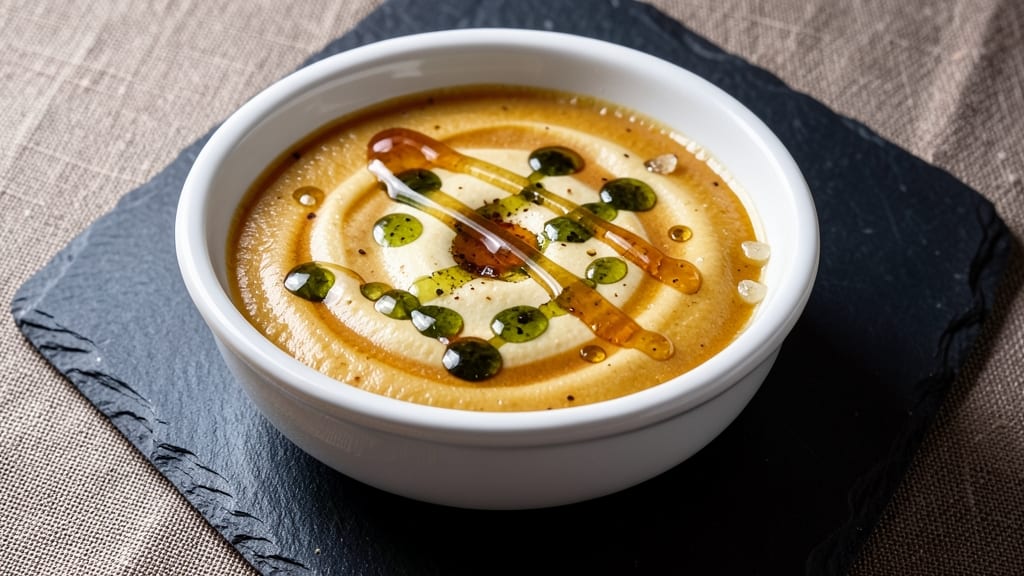
This Dijon mustard sauce recipe transforms simple pantry staples into a creamy, tangy condiment that elevates everything from steak to salads. The secret lies in balancing Dijon mustard’s sharpness with rich cream and vinegar, creating a velvety sauce that clings beautifully to proteins and vegetables.
I developed this version after years of testing—it’s the one that finally replaced store-bought versions in my kitchen.
The beauty of this sauce is its versatility—it works as a marinade, dressing, or finishing drizzle, and the emulsification process ensures it stays creamy without breaking. A touch of honey or shallots adds depth, while fresh herbs brighten the flavor.
Unlike many recipes, this one skips unnecessary ingredients, focusing on a foolproof method that delivers professional results every time.
What you’ll end up with is a smooth, tangy sauce with just the right balance of sharpness and richness—perfect for drizzling over grilled meats, tossing with roasted vegetables, or mixing into vinaigrettes.
The texture is luxurious yet light, making it ideal for both hearty dishes and delicate salads. Once you try this, store-bought Dijon sauce will never compare.
This recipe makes about 1 cup and keeps well in the refrigerator for up to 2 weeks, so you can batch it ahead for meal prep.
Adjust the cream-to-vinegar ratio to suit your taste—more vinegar for extra tang, or extra cream for a richer finish. Let’s get started on this game-changing sauce.
Ingredients for dijon sauce
Eight simple ingredients transform into a velvety, restaurant-quality Dijon sauce that clings perfectly.
| Ingredient | Amount | Notes |
|---|---|---|
| Dijon Mustard 🌶️ | ½ cup | High-quality, coarse-grained preferred |
| Heavy Whipping Cream 🥛 | ¾ cup | Full-fat for best emulsification |
| White Wine Vinegar 🍷 | ¼ cup | Dry, crisp variety for brightness |
| Extra-Virgin Olive Oil 🫒 | ½ cup | Mild, fruity flavor profile |
| Shallots 🧅 | 2 whole | Finely minced, not chopped |
| Honey 🍯 | 1 tbsp | Wildflower or clover preferred |
| Fresh Tarragon Leaves 🌿 | ¼ cup | Chopped finely, stems removed |
| Salt 🧂 | ½ tsp | Diamond Crystal kosher preferred |
| Freshly Ground Black Pepper 🌶️ | ¼ tsp | Adjust to taste |
The Dijon mustard is non-negotiable here—Maille or Amoy are my go-tos, but any high-quality coarse-grained mustard works. The heavy whipping cream needs to be cold when you start, or the sauce won't emulsify properly. For the shallots, Trader Joe's sells pre-minced ones that save time, but fresh is always better. The tarragon adds that signature anise note—if you can't find it, dried tarragon at one-third the amount works in a pinch, though fresh is ideal. I always grab extra tarragon because it's one of those herbs that's worth having on hand for special sauces like this.
No white wine vinegar? Apple cider vinegar is a great swap—it adds a subtle sweetness that pairs beautifully. The honey can be omitted if you're watching sugar, but trust me, it rounds out the sharpness perfectly. For a richer sauce, add 1 tbsp more cream and reduce the vinegar by the same amount. If you're making this ahead, store the sauce in a jar with a tight seal—it keeps for weeks in the fridge, and the flavors actually meld better over time. The key to a smooth sauce is patience: whisk slowly and steadily to avoid lumps, and don't rush the emulsification process.
This sauce reheats beautifully—just warm it gently on the stove or in the microwave until it's just hot. It's perfect for drizzling over seared scallops or grilled asparagus, mixing into vinaigrettes, or even using as a marinade for chicken. For extra depth, add 1 tsp of minced garlic when you're whisking in the shallots. The sauce thickens as it cools, so if it seems too thick when you're done, thin it with a splash of warm water or a bit more vinegar. Store it in an airtight container in the fridge for up to 2 weeks, or freeze it in ice cube trays for single-use portions.
Why You'll Love This Recipe
- Five-Ingredient Magic: I swear by this combo—just mustard, cream, vinegar, oil, and shallots. No fancy equipment, no stress, and it still tastes like you slaved over it.
- Tangy Creamy Balance: That first bite? The sharp mustard and bright vinegar cut through the rich cream so smoothly. Honestly, it’s the kind of flavor that makes you pause mid-bite.
- Dresses Up Everything: Drizzle it over grilled chicken, toss it with roasted veggies, or slather it on a burger. I’ve even used it as a dip—it’s my secret weapon for lazy nights.
- Makes Leftovers Shine: Got extra sauce? Store it in the fridge for up to a week. The flavors actually deepen over time, so it’s perfect for batch cooking and meal prep.
Step-by-step instructions for Dijon mustard sauce
Here's how to create a velvety, balanced sauce that delivers depth without overpowering.
Sauté Shallots Until Translucent
Heat the 0.5 cup extra-virgin olive oil in a medium saucepan over medium-low heat. Add the 2 whole shallots, minced to a fine paste, and cook for 5-7 minutes until completely translucent and just beginning to color at the edges. This gentle cooking prevents bitterness while developing their natural sweetness.
I like to press the shallots down with a wooden spoon occasionally—they should sizzle quietly without browning. If they start to darken too quickly, reduce the heat immediately. The goal is to create a flavor base that won't overpower the sauce's bright, tangy profile.
Add Vinegar and Honey for Balance
Pour in the 0.25 cup white wine vinegar and 1 tablespoon honey, stirring constantly to incorporate. The mixture will bubble gently—let it simmer for 2-3 minutes until the vinegar's sharpness mellows and the honey fully dissolves into the oil.
This is where the sauce's character begins to form. The vinegar cuts through the richness of the cream we'll add later, while the honey rounds out the acidity. Taste the mixture now—it should be bright and slightly sweet with a clean tang. If it tastes too sharp, add another teaspoon of honey; if too sweet, a splash more vinegar.
Incorporate Dijon and Cream for Creaminess
Reduce the heat to low and slowly whisk in the 0.5 cup Dijon mustard, followed by the 0.75 cup heavy whipping cream. The sauce will thicken noticeably as the cream begins to warm. Keep stirring gently for 3-4 minutes until the mixture reaches a smooth, velvety consistency.
Here's the thing—don't rush this step. The Dijon mustard needs time to fully emulsify with the cream, creating that signature creamy texture. If the sauce looks too thick, add 1-2 tablespoons of water to loosen it slightly. The final consistency should coat the back of a spoon but still pour smoothly.
Finish with Tarragon and Seasonings
Remove the pan from heat and stir in the 0.25 cup chopped fresh tarragon leaves, 0.5 teaspoon salt, and 0.25 teaspoon freshly ground black pepper. Let the sauce sit off the heat for 2-3 minutes to allow the tarragon's anise notes to infuse fully.
The tarragon is what elevates this sauce from basic to extraordinary. Its delicate licorice flavor pairs perfectly with the Dijon's depth and the vinegar's brightness. Taste again and adjust seasoning—you might need a pinch more salt to balance the acidity, or a crack of black pepper for warmth.
Strain and Use Immediately
For the smoothest texture, strain the sauce through a fine-mesh sieve into a clean bowl, pressing gently on the solids with a spatula. This removes any tarragon stems and creates a flawlessly velvety finish. The sauce will keep in the refrigerator for up to 5 days, but it's best used fresh within 24 hours for maximum brightness.
This sauce works beautifully drizzled over grilled salmon, tossed with roasted vegetables, or used as a dip for crusty bread. The key to its versatility is that perfect balance of creaminess, tang, and herbal brightness—each element playing its part without overpowering the others.
Pro Tips For Making Dijon Sauce
- Whisk in stages: Start with the mustard and vinegar first—this cuts through the cream’s richness faster. Then slowly drizzle in the cream while whisking like you’re trying to paint a wall, not just stir. I learned this the hard way when my sauce separated into a sad, lumpy mess.
- Sweat, don’t fry, shallots: Shallots release their sweetness when gently cooked in olive oil over medium-low heat. If you crank it up, they’ll burn before softening—just trust the process, even if it takes 5 minutes. A pinch of salt here helps draw out moisture and keeps them tender.
- Temper the cream: Cold cream straight from the fridge will shock the mustard and make it seize up. Warm the cream slightly (just until it’s lukewarm to the touch) before mixing—this keeps the sauce silky, not curdled. I used to ignore this and wondered why my sauce tasted like a science experiment gone wrong.
- Balance the acid: Taste as you go, but don’t overdo the vinegar. Start with 1 tablespoon, then add more if needed—you can always adjust, but you can’t un-sour a sauce. A splash of water or a pinch of sugar can fix over-acidity if you’ve gone too far (yes, even if you’re impatient like me).
Common mistakes when making great dijon sauce
Overcooking Shallots
One of the most common mistakes is letting those shallots burn while sautéing. I’ve seen people walk away for just a minute, and suddenly, you’ve got bitter, dark brown bits instead of sweet, translucent shallots.
The key is constant attention—keep them moving and reduce heat if they start to darken. 5-7 minutes over medium-low heat is perfect; any longer, and you’ll lose that delicate sweetness that balances the sauce’s tang. 🌶️
Rushing the Emulsification
Many people whisk in the Dijon mustard and cream too quickly, leading to a lumpy, grainy sauce instead of the silky texture we want. The secret is patience—add the mustard and cream slowly while stirring constantly over low heat for 3-4 minutes.
If you rush, the cream will curdle, and the sauce will break. I’ve learned this the hard way—trust me, slow wins every time. ⚡
Skipping the Straining Step
Some recipes omit straining the sauce, leaving behind tarragon stems or even tiny shallot bits that can make the texture uneven. While it’s not a dealbreaker, straining ensures a flawlessly smooth finish.
Use a fine-mesh sieve and press gently with a spatula to extract every last drop of flavor. The extra 2 minutes it takes is worth the professional-looking result. 💫
Ignoring Temperature Control
Heating the sauce too quickly can cause the cream to separate or even curdle, ruining the entire batch. Always start with the shallots and vinegar mixture over medium-low heat, then reduce to low when adding the cream.
If the sauce starts to bubble vigorously, immediately remove it from heat to prevent breaking. Consistency is everything here. 🌡️
Over-Salting or Under-Tasting
Many home cooks add salt too early or skip tasting altogether, leading to a sauce that’s either bland or overly salty. Taste the sauce at every critical step—after adding vinegar, after incorporating the cream, and before serving.
Adjust seasonings gradually, remembering that Dijon mustard and vinegar are already salty. A pinch of salt goes a long way. 🧂
Using Low-Quality Mustard
The mustard is the heart of this sauce, so cutting corners here is a mistake. Cheap, low-quality Dijon lacks the depth and complexity needed for a balanced sauce. Invest in a good brand like Maille or Amoy—their coarse grains emulsify better and provide that signature tang.
If you’re using a budget mustard, strain it through a fine mesh to remove any grit that could make the sauce grainy. 💪
Nutrition facts
Frequently asked questions
Can I make this Dijon sauce without heavy cream?
For a lighter version, substitute the heavy cream with ¾ cup Greek yogurt or ½ cup sour cream. The texture will be slightly thicker but still creamy. For a vegan option, use ½ cup full-fat coconut milk and whisk vigorously to emulsify. The tangy balance will still shine through, just with a different mouthfeel.
How can I adjust the flavor if I don't like tarragon?
Skip the tarragon and replace it with ½ teaspoon dried thyme or ¼ teaspoon smoked paprika for depth. For a citrusy twist, add 1 teaspoon lemon zest when incorporating the vinegar. Herbs like chives or parsley work too—just use ¼ cup finely chopped for the same freshness. The key is balancing the mustard's sharpness with complementary flavors.
Will this sauce thicken when refrigerated?
Yes, it naturally thickens as it cools—this is normal! If it becomes too thick, simply whisk in 1-2 tablespoons of warm water or a splash of vinegar to loosen it. For a smoother consistency, reheat gently on the stove over low heat while stirring constantly. The sauce should return to a pourable, velvety state.
Can I use this sauce as a marinade?
This sauce makes an excellent marinade for chicken, pork, or fish! Use it undiluted for 30-60 minutes (max) to tenderize proteins without overpowering them. For tougher cuts like beef, reduce the marinating time to 20 minutes to prevent the acid from breaking down the meat too much. Always reserve some sauce to use as a finishing drizzle after cooking.
How long does this sauce keep, and can I freeze it?
The sauce stays fresh in the refrigerator for up to 2 weeks in an airtight container. For freezing, portion it into ice cube trays, then transfer the cubes to a freezer bag. Thaw overnight in the fridge—never at room temperature—and whisk gently to restore its smooth texture. Frozen sauce keeps for 3 months while maintaining its flavor, though texture may separate slightly.