
Sauces & Condiments
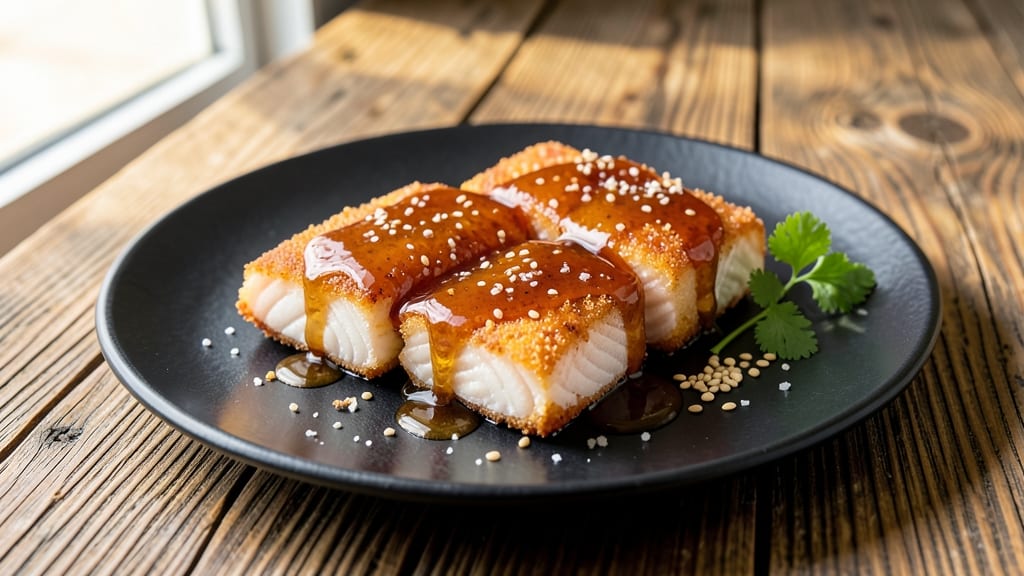
This deep fried fish with soy sauce recipe turns ordinary fillets into a showstopping dish with golden crispness and rich, savory depth. The secret lies in precise frying technique—using peanut oil at 350°F and a light cornstarch coating—that creates a shatteringly crisp exterior while keeping the fish tender inside.
My version balances sweet, salty, and savory notes in the soy-based marinade, ensuring every bite delivers that perfect harmony.
This recipe delivers foolproof results without requiring advanced skills. Start with firm white fish like cod or haddock, which hold up beautifully to frying, then let the soy sauce marinade work its magic for 20 minutes before cooking.
The key to that signature golden crust is double-dredging—the fish gets coated twice in seasoned cornstarch for maximum crispiness that stays intact even when dipped in sauce. Professional-quality texture comes from careful temperature control and minimal crowding in the fryer.
What you'll end up with is fish that's crispy enough to stand up to dipping yet tender enough to flake easily, all while maintaining that irresistible golden hue.
The soy sauce marinade infuses the fish with subtle sweetness and depth, while the dipping sauce—thickened with a touch of honey—adds a glossy finish that makes plating effortless. This dish proves that homemade fried fish can rival your favorite takeout spot, with none of the grease or aftertaste.
Perfect for weeknight dinners or special occasions, this recipe scales beautifully from single servings to crowd-pleasing feasts. Serve with steamed rice and fresh vegetables for a complete meal, or let guests build their own plates with extra sauce on the side.
The technique works equally well with shrimp or scallops, making it versatile enough for any seafood lover's repertoire. Let's get frying!
Ingredients for deep fried fish with soy sauce
Firm white fish, crispy coating, and umami-rich marinade create this restaurant-worthy dish.
| Ingredient | Amount | Notes |
|---|---|---|
| Cod Fillets 🐟 | 1 ½ lb | Skin-on for crispiness, cut even thickness |
| Cornstarch 🌾 | 1 cup | Fine grade for light coating |
| All-Purpose Flour 🌾 | ½ cup | For first dredge layer |
| Peanut Oil 🫒 | 3 cups | High smoke point, unsalted |
| Soy Sauce 🍶 | ½ cup | Light or regular, not low-sodium |
| Honey 🍯 | 2 tbsp | For dipping sauce sweetness |
| Sesame Oil 🫒 | 1 tbsp | Toasted for aroma, not cooking |
| Garlic Cloves 🧄 | 3 cloves | Minced for marinade |
| Fresh Ginger 🌿 | 1 tbsp | Grated, for marinade depth |
| Salt 🧂 | 1 tsp | Kosher or sea salt |
| Black Pepper 🌶️ | ½ tsp | Freshly cracked |
| Rice Vinegar 🍶 | 1 tbsp | For dipping sauce balance |
| Sesame Seeds 🌾 | 1 tbsp | Toasted for garnish |
The fish selection matters most—cod or haddock hold up best to frying. Look for fillets with even thickness (about 1-inch) at Whole Foods or local seafood counters for the freshest catch. If using frozen, thaw overnight in the fridge. The cornstarch is non-negotiable for that signature crunch—Bob's Red Mill brand works exceptionally well. For the peanut oil, store-brand is fine as long as it's unsalted and has a high smoke point. Avoid reusing oil for multiple batches to maintain crispiness.
No cod? Haddock or tilapia work equally well—just pat them completely dry before dredging. Short on cornstarch? Arrowroot powder at the same amount delivers similar crispiness. The soy sauce marinade can be adjusted: tamari for gluten-free or dark soy sauce for deeper color. For the dipping sauce, substitute maple syrup for honey if preferred. The sesame oil should be toasted, not flavored—look for it in the Asian foods aisle. Toast your sesame seeds in a dry pan for 2 minutes before using for maximum aroma.
Marinated fish keeps 1 day in the fridge before frying. The dipping sauce can be made 3 days ahead and stored in an airtight container. For extra crispiness, double-dredge the fish—flour first, then cornstarch. Fry in batches to avoid overcrowding, which drops oil temperature. Leftovers? Store in the fridge for 1 day max—the crust loses crispiness after that. Serve immediately for that golden crunch.
Why You'll Love This Recipe
- Here’s what sold me: pack these fried fillets cold the next day, and they’re still crispy enough to impress. My kids actually want their lunch now—no sad sandwiches here.
- No-Fuss Crisp: I swear, the secret is the cornstarch flour mix—just toss those cod fillets in it, dip once, and fry. No rolling pins, no stress, just golden perfection every time.
- Umami Bomb: That soy sauce glaze? It’s the star. The crispy shell gives way to tender fish soaked in salty-sweet goodness—like a little bite of takeout magic in my own kitchen.
- Lunchbox Hero: Here’s what sold me: pack these fried fillets cold the next day, and they’re still crispy enough to impress. My kids actually want their lunch now—no sad sandwiches here.
Step-by-step instructions for crispy gold crunch fish
Here's how to achieve that perfect balance of crunchy exterior and tender interior with a bold umami kick.
Prepare the Cod for Maximum Crispiness
Pat the 1.5 lb cod fillets completely dry with paper towels—this is critical for crispiness. Remove any remaining skin if it's not already skin-on, as skin can prevent even browning. Using a sharp knife, cut each fillet into 4 even-sized pieces, about ½-inch thick. This ensures consistent cooking time and even crisping.
Place the cut fillets on a plate and season both sides generously with the 1 tsp salt and 0.5 tsp black pepper. Let them sit at room temperature for 15 minutes while you prepare the coating. This brief resting period helps the seasoning adhere and prevents the fish from curling during frying.
Create the Double-Coat Battering System
In a shallow bowl, combine the 0.5 cup all-purpose flour with 1 tbsp of the minced 3 cloves garlic and 1 tbsp grated fresh ginger. Mix well to distribute the aromatics evenly. This first layer creates a delicate barrier that helps the cornstarch adhere better in the next step.
In a second shallow bowl, whisk together the 1 cup cornstarch with 1 tbsp of the 0.5 cup soy sauce. The cornstarch will create that signature crispy crust, while the soy sauce adds umami depth right from the start. Keep these bowls separate—don't mix them yet.
Fry to Golden Perfection
Heat the 3 cups peanut oil in a deep skillet or Dutch oven over medium heat until it reaches 350°F. Use a thermometer to monitor this—oil that's too cool will absorb into the fish instead of creating that golden crust. Once the oil is properly heated, you'll see small bubbles forming around the thermometer.
Working in batches to avoid overcrowding, dredge each cod piece first in the flour mixture, letting any excess fall off, then immediately in the cornstarch mixture. Shake off any loose cornstarch and carefully lower the fish into the hot oil. Fry for 3-4 minutes per side until golden brown and crispy. The fish is ready when it releases easily from the pan and the crust has a deep golden color. Transfer to a paper towel-lined plate to drain excess oil.
Assemble the Signature Dipping Sauce
While the fish fries, combine the remaining 0.3 cup soy sauce (from the 0.5 cup total), 2 tbsp honey, 1 tbsp sesame oil, 1 tbsp rice vinegar, and the remaining 2 cloves minced garlic in a small saucepan. Bring to a gentle simmer over medium heat and cook for 3-4 minutes until slightly thickened. The sauce should coat the back of a spoon but remain pourable.
Remove from heat and stir in the 1 tbsp toasted sesame seeds. Taste and adjust seasoning if needed—you might want to add a pinch more salt or a splash of rice vinegar for balance. This sauce should be sweet, tangy, and deeply savory with a nutty finish from the sesame.
Serve Immediately for Optimal Texture
Serve the crispy cod fillets immediately with the warm dipping sauce on the side. The contrast between the shatteringly crisp exterior and the tender, flaky interior is what makes this dish truly special. Each piece should maintain its golden color and crisp texture right through serving.
For presentation, arrange the fillets on a platter and drizzle any remaining sauce from the pan around them. Sprinkle with additional toasted sesame seeds and serve with steamed vegetables or a simple cucumber salad to balance the richness. The fish will stay crispy for about 10 minutes after frying, so serve quickly while the sauce is still warm.
Pro Tips For Making Deep Fried Fish With Soy Sauce
- Prep Cod Like a Pro: Pat the fillets bone-dry with paper towels—no wet spots, no exceptions. I used to skip this and ended up with soggy crusts that fell apart when frying. Trust me, the extra 30 seconds saves you from starting over.
- Double-Dust for Crunch: Toss the cod in flour first, then cornstarch—not the other way around. The flour seals the fish, while the cornstarch gives that perfect crispy shell. I learned this after my first batch turned out gummy inside. (Yes, I ate it anyway.)
- Oil at 350°F Only: Use a thermometer—peanut oil needs to be exactly 350°F (175°C). Too low, and your fish steams; too high, and it burns before the crust sets. I burned three batches before I finally believed the numbers.
- Fry in Batches, Not a Crowd: Drop one fillet in at a time—crowding drops the oil temp and makes the crust greasy. I know, it’s slower, but your first batch will be golden and crispy, while the rushed one turns out limp. (Your future self will notice.)
Dietary considerations for this deep fried fish with soy sauce
Gluten-Free Adaptations
The classic recipe uses all-purpose flour for the first dredge, but gluten-free cooks can easily swap it for 1 cup gluten-free 1:1 baking flour (like Bob's Red Mill brand). This maintains the same texture while eliminating gluten.
For the cornstarch coating, ensure it's certified gluten-free—Arrowroot powder works perfectly as a 1:1 substitute if needed. The soy sauce marinade can use tamari instead of regular soy sauce for a gluten-free umami boost. 🌾
Low-Carb Considerations
This dish can fit into a low-carb lifestyle with minimal adjustments. Skip the all-purpose flour entirely and use 1 cup almond flour for the first dredge—it adds a subtle nutty flavor while keeping the coating crisp.
For extra crunch, add 1 tbsp psyllium husk powder to the cornstarch mixture before coating. The dipping sauce remains low-carb as long as you use sugar-free honey substitute (like monk fruit sweetener) and check your rice vinegar for added sugars. 🥑
Allergen-Friendly Swaps
For sesame allergies, omit the sesame oil and seeds entirely—avocado oil works well in the dipping sauce, and pumpkin seeds toasted lightly can replace sesame seeds for garnish. If peanut allergies are a concern, substitute vegetable oil (like canola) for frying, which has a similar high smoke point.
Always check labels on soy sauce for potential cross-contamination warnings if allergies are severe. 🚫
Vegetarian Adaptations
While this recipe features fish, the frying technique and soy-based marinade work beautifully with firm tofu or king oyster mushrooms for a vegetarian version. Press extra-firm tofu for 20 minutes before cutting into similar-sized pieces, then follow the same double-dredging process.
For mushrooms, slice them ¼-inch thick and marinate for 15 minutes in the soy-ginger-garlic mixture before frying. The texture will be slightly different but equally satisfying. 🌱
Soy-Free Options
Replace the soy sauce with coconut aminos (a 1:1 substitute) for the marinade and dipping sauce. For extra umami depth, add 1 tbsp fish sauce (if pescatarian) or 1 tsp mushroom powder to the cornstarch coating.
The honey and rice vinegar balance remains the same, creating a tangy-sweet profile without soy. This works particularly well for those with soy sensitivities or following a soy-free diet. 🥥
Meal Prep Adjustments
While fried fish is best served immediately for crispiness, you can prep components ahead. Marinate the fish (or tofu/mushrooms) up to 1 day ahead and store in an airtight container in the fridge. Make the dipping sauce 3 days ahead and reheat gently before serving.
For make-ahead frying, coat the fish completely and refrigerate on a wire rack (not touching) for up to 4 hours before frying—this helps maintain crispiness. Serve within 10 minutes of frying for optimal texture. ⏰
Nutrition facts
Frequently asked questions
What's the best fish for this recipe?
Use firm white fish like cod, haddock, or tilapia—they hold up best to frying without falling apart. Look for fillets about 1-inch thick and pat them completely dry before coating. The skin-on version adds extra crispiness if you prefer.
Can I use a different oil for frying?
Peanut oil is ideal for its high smoke point (450°F), but you can substitute vegetable, canola, or avocado oil. Avoid olive oil—it burns too easily. For extra flavor, try toasted sesame oil (but don't reuse it for cooking). Always heat oil to 350°F for perfect crispiness.
Why is my fried fish soggy instead of crispy?
Soggy fish usually means the oil wasn't hot enough (350°F is critical) or the fish wasn't dry before coating. Double-check your thermometer and pat fillets with paper towels until completely dry. Also, avoid overcrowding the fryer—cook in batches if needed.
How do I make this recipe gluten-free?
Replace the all-purpose flour with 1 cup gluten-free 1:1 baking flour and use certified gluten-free cornstarch. For the marinade, swap soy sauce for tamari. The cornstarch coating stays gluten-free as long as it's labeled gluten-free. Always check labels for cross-contamination warnings.
Can I make the dipping sauce ahead of time?
Yes! Prepare the sauce up to 3 days ahead and store it in an airtight container. Reheat gently before serving—it should be warm but not boiling. For extra shine, stir in a splash of water or sesame oil just before serving. The sauce tastes even better after flavors meld overnight.