
Sauces & Condiments
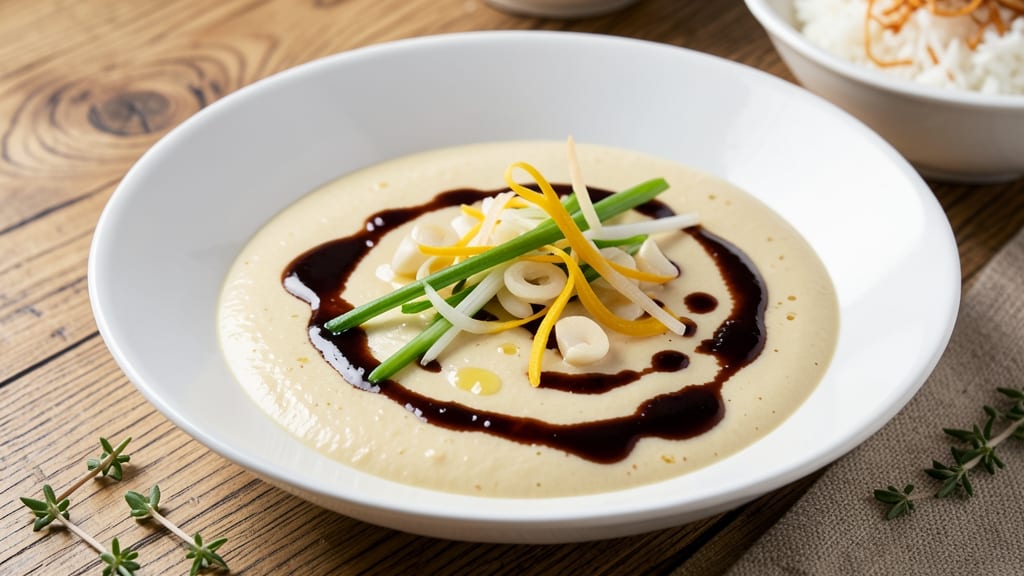
This creamy tofu sauce recipe transforms simple ingredients into a velvety, plant-based sauce that rivals traditional cream sauces in richness and depth. The secret lies in blending silken tofu with coconut milk and fresh ginger, creating a texture so smooth it clings beautifully to noodles, vegetables, and proteins while delivering a subtle warmth that elevates any dish. I developed this recipe after years of experimenting with vegan alternatives, and it's become a staple in my kitchen for its versatility and foolproof technique.
The sauce's magic comes from the combination of silken tofu (for creaminess) and coconut milk (for body), balanced by fresh ginger and garlic for aromatic depth. Unlike store-bought alternatives, this version stays smooth even when reheated, making it perfect for meal prep.
The sauce is naturally vegan, gluten-free, and packed with plant-based protein, yet its flavor profile is anything but basic—think creamy, slightly sweet, with a lingering ginger kick that makes every bite satisfying.
What you'll achieve is a sauce that's equally at home drizzled over noodles, stirred into soups, or used as a dip for spring rolls. The texture is luxuriously smooth, with just enough weight to coat ingredients generously without feeling heavy.
Best of all, it takes less than 15 minutes to prepare and keeps well in the fridge for up to 5 days, allowing you to enjoy restaurant-quality flavor without the effort.
This recipe isn't just about replacing dairy—it's about creating something entirely new. The ginger-coconut base provides a sophisticated flavor that pairs beautifully with Asian-inspired dishes, but its mild sweetness and creamy texture make it surprisingly versatile for Western cuisine too.
Once you try it, you'll never reach for heavy cream again.
Ingredients for creamy tofu sauce
Nine simple ingredients transform into velvety plant-based richness that rivals heavy cream.
| Ingredient | Amount | Notes |
|---|---|---|
| Silken Tofu 🧀 | 12 oz | Extra-firm for best texture |
| Full-Fat Coconut Milk 🥥 | 13 ½ oz | Canned, well-stirred |
| Fresh Ginger 🌿 | 2 tbsp | Finely grated, organic preferred |
| Garlic Cloves 🧄 | 4 cloves | Minced, fresh preferred |
| Lemon Juice 🍋 | 1 tbsp | Freshly squeezed |
| Soy Sauce 🥢 | 1 ½ tbsp | Low-sodium preferred |
| Maple Syrup 🍯 | 1 tbsp | Pure grade B |
| Extra-Virgin Olive Oil 🫒 | 1 tbsp | For richness |
| Ground White Pepper 🌶️ | ¼ tsp | Freshly ground |
| Sesame Oil 🥜 | ½ tsp | Toasted, optional |
The silken tofu is the secret weapon here—extra-firm holds together better when blended. Grab the 12 oz package from the refrigerated section at Whole Foods or Trader Joe's for the best texture. If your store only carries soft tofu, drain it well and pat dry before using. The coconut milk? Full-fat canned is non-negotiable—light versions won't give you that luxurious body. Stir the can well before measuring, as the cream separates. Fresh ginger and garlic are worth splurging on—organic from the produce section has more punch than the pre-grated stuff.
No fresh ginger? Powdered ginger at half the amount works in a pinch, but you'll lose that bright, zesty kick. Substituting coconut milk? Cashew cream works beautifully—blend 1 cup soaked cashews with 1 cup water until smooth. Running low on maple syrup? Agave or date syrup keeps things vegan. The sesame oil is optional but adds that signature nutty depth—Kadoya brand if you want to splurge. For a lighter version, skip it entirely. Soy sauce can be swapped for tamari if gluten-free is a concern, though the flavor will be slightly different.
This sauce keeps beautifully—5 days in the fridge sealed in a jar with a splash of olive oil on top to preserve freshness. Freezes for 3 months if you want to make a big batch. I like to portion it into ice cube trays for single-use servings—just pop one cube into your dish and warm it up. The texture actually improves after the first day as the flavors meld, so make extra. Store the lemon juice separately if you're prepping ahead—add it fresh when you're ready to use the sauce to keep that bright citrus note.
Why You'll Love This Recipe
- I’ll be real: the first time I made this, I panicked when I saw "blender" in the instructions. But the silken tofu blends so smoothly with coconut milk—just mash it with a fork first, then whisk. No pulsing, no fuss, and no sticky cleanup. Honestly, this is the kind of recipe that makes me question why I ever bought a food processor.
- No Blender Required: I’ll be real: the first time I made this, I panicked when I saw "blender" in the instructions. But the silken tofu blends so smoothly with coconut milk—just mash it with a fork first, then whisk. No pulsing, no fuss, and no sticky cleanup. Honestly, this is the kind of recipe that makes me question why I ever bought a food processor.
- Umami Bomb: That garlic-ginger-lemon combo? It’s the secret weapon. The ginger adds a zingy warmth, the garlic deepens it, and the lemon brightens everything without overpowering. Between us, the full-fat coconut milk turns this into something dangerously rich—like a creamy, savory hug in sauce form. (Yes, even on a Tuesday night.)
- Dress-Up Any Dish: This sauce is my lazy chef’s best friend. Drizzle it over noodles, stir it into curries, or toss it with roasted veggies. I’ve even used it as a dip for spring rolls—trust me, the contrast of silky tofu against crispy edges is pure satisfaction. It’s the kind of versatile sauce that makes me feel like I’m cooking gourmet without trying.
Step-by-step instructions for silky coconut-ginger tofu sauce
Here's how to blend this velvety sauce with perfect texture every time.
Blend the Tofu and Coconut Milk
Drain and rinse the 12 oz silken tofu thoroughly, then pat it completely dry with paper towels. This removes excess moisture that would dilute your sauce later. Transfer the tofu to a high-speed blender along with the 13.5 oz full-fat coconut milk - don't skip the full-fat version, as it provides the necessary richness for that authentic creaminess.
Blend on high speed for 30-45 seconds until completely smooth. You should end up with a thick, pale yellow mixture that resembles heavy cream in texture. If you notice any lumps, pulse briefly again. This foundational blend forms the creamy base that all other flavors will build upon.
Add Aromatics and Sweeteners
With the blender still running, gradually add the 2 tbsp finely grated fresh ginger, 4 cloves minced garlic, 1 tbsp lemon juice, 1.5 tbsp soy sauce, and 1 tbsp maple syrup. The ginger and garlic should dissolve completely into the mixture. I like to add these ingredients in this order - first the aromatics, then the acidity, and finally the sweetness - to ensure proper flavor balance.
Continue blending for another 20-30 seconds until everything is fully incorporated. The sauce should now have a vibrant color and a slightly tangy aroma. This is where the magic happens - the lemon juice brightens the coconut flavor while the maple syrup adds subtle depth that prevents the sauce from being too savory.
Finish with Oil and Seasoning
Remove the lid and add the 1 tbsp extra-virgin olive oil and 0.5 tsp toasted sesame oil while blending on low speed. The olive oil adds a luxurious mouthfeel, while the sesame oil contributes that unmistakable nutty aroma. Add the 0.25 tsp freshly ground white pepper last - this prevents it from turning bitter during blending.
Blend just until combined, about 10-15 seconds. The sauce should now have a smooth, velvety consistency with a beautiful golden hue. Taste and adjust seasoning if needed - you might want to add a bit more soy sauce for saltiness or lemon juice for acidity. This sauce should coat the back of a spoon with a luxurious, almost custard-like texture.
Strain and Serve
For the smoothest texture, strain the sauce through a fine-mesh sieve into a clean bowl or saucepan. This removes any remaining tofu fibers that might make the sauce slightly grainy. The strained sauce should be completely smooth with no visible particles. If you prefer a slightly thicker consistency, you can gently heat the sauce over low heat for 2-3 minutes, stirring constantly.
Use immediately over noodles, rice dishes, or as a dipping sauce. The sauce will keep in the refrigerator for up to 5 days in an airtight container, though it's best enjoyed fresh when the flavors are most vibrant. For serving, drizzle with additional sesame oil and garnish with thinly sliced scallions if desired.
Pro Tips For Making Creamy Tofu Sauce
- BLEND GINGER LAST: Add fresh ginger to the blender after the tofu and coconut milk—this keeps its sharp, bright flavor instead of turning it into a dull, mushy paste. I learned this the hard way when my first batch tasted like ginger-flavored pudding.
- SALT THE COCONUT MILK: Stir in a pinch of salt (½ tsp) to the coconut milk before blending—it cuts through the sweetness and makes the sauce taste richer. Sounds weird, but it works: the salt enhances the tofu’s natural umami without overpowering.
- LOW-HEAT SIMMER: Heat the sauce on low after blending, or you’ll split the coconut milk into greasy curds and watery serum. Keep it at a bare simmer, stirring often—this keeps it silky instead of separating like a science experiment gone wrong.
- PRESS THE TOFU DRY: Wrap silken tofu in a clean towel, place a heavy pan on top, and let it drain for 10 minutes before blending. Less water = thicker, creamier sauce. I skip this when I’m lazy, but the dish is noticeably better when I don’t.
Pro cooking tips for this recipe
Silken Tofu Prep
Start with extra-firm silken tofu—the key to that velvety texture. Drain the 12 oz package thoroughly, then wrap it in a clean kitchen towel and press between two plates for 5 minutes. This removes excess moisture that would dilute your sauce later.
I use a Ninja food scale to weigh my tofu for precision, but a standard kitchen scale works too. Pat it completely dry before blending—no wet spots allowed—or you'll end up with a watery sauce instead of that luxurious creaminess. 🧀
Blender Technique
Your blender makes all the difference here. A high-speed blender like the Vitamix or Ninja is ideal for breaking down the tofu completely. Start by blending the tofu and 13.5 oz full-fat coconut milk on high for 30-45 seconds.
If you notice any lumps, pulse briefly again—this is where most home cooks go wrong by not blending long enough. The goal is a completely smooth, thick mixture that resembles heavy cream. If your blender struggles, strain the mixture through a fine-mesh sieve afterward for a flawless finish.
Ginger and Garlic
Fresh ginger and garlic are non-negotiable for that bright, aromatic depth. Use a microplane to grate 2 tbsp fresh ginger—this ensures fine, even particles that blend seamlessly. For garlic, 4 cloves minced works best, but I prefer a garlic press for consistency.
Add these aromatics while the blender is running to prevent burning. The ginger should dissolve completely, giving your sauce that signature zing. Pro tip: If you're sensitive to heat, reduce the ginger to 1 tbsp—it's still packed with flavor! 🌿
Acid and Sweet Balance
The lemon juice and maple syrup are the secret to balancing flavors. Add 1 tbsp fresh lemon juice while blending to brighten the coconut flavor, then sweeten with 1 tbsp maple syrup to round out the sauce. Taste as you go—this is where you can adjust.
If it tastes too sweet, add a splash more soy sauce; if it's too tangy, a pinch of maple syrup does the trick. The sauce should finish with a subtle sweetness that lingers without overpowering the ginger and garlic. Trust your taste buds here!
Straining for Perfection
For a completely smooth sauce, strain the blended mixture through a fine-mesh sieve into a clean bowl. This removes any lingering tofu fibers that could make the texture slightly grainy. If you're short on time, skip this step, but you'll notice the difference in texture.
I use a stainless steel sieve because it's durable and easy to clean. For an extra-luxurious finish, heat the strained sauce gently over low heat for 2-3 minutes, stirring constantly, until it reaches your desired thickness.
Just don't boil it—high heat can break the emulsion and make the sauce separate. 💫
Storage Secrets
This sauce keeps beautifully in the fridge for 5 days in an airtight glass container. To preserve freshness, store it with a thin layer of olive oil on top—this prevents oxidation and keeps the flavors vibrant. For long-term storage, freeze in ice cube trays for single-use portions.
Thaw overnight in the fridge and stir before using. The sauce actually improves after the first day as the flavors meld, so make extra—you'll want to use it everywhere! Label your container with the date to track freshness. ❄️
Nutrition facts
Frequently asked questions
Why does my tofu sauce turn out grainy?
Graininess usually happens when tofu isn't blended long enough or isn't fully drained. Always use extra-firm silken tofu, pat it completely dry, and blend on high for at least 30-45 seconds. For a silky finish, strain through a fine-mesh sieve after blending. If you're short on time, a quick pulse with a hand mixer before blending can help break up any lumps first.
Can I make this sauce without coconut milk?
For a dairy-free alternative, blend 1 cup soaked cashews with 1 cup water until smooth, then use that in place of coconut milk. If you prefer a lighter texture, try Greek yogurt or cashew cream—just reduce the liquid slightly. The sauce will still be creamy but with a different flavor profile. For a neutral base, unsweetened almond milk works in a pinch, though the texture will be thinner.
How can I adjust this sauce for spicy dishes?
Add ½-1 tsp sriracha or chili paste while blending for a subtle kick, or stir in 1 tsp gochujang for depth. For extra heat, blend in 1-2 tbsp fresh red chili (seeds removed) along with the ginger. Remember, tofu sauce absorbs flavors well, so start with less and adjust to taste. A splash of lime juice after blending can also balance the heat.
Will this sauce thicken when reheated?
Yes, but gently! Reheat on low heat for 2-3 minutes, stirring constantly, until warm. If it separates, whisk in 1 tsp cornstarch mixed with 1 tsp water to restore thickness. For the best texture, reheat only what you need—this sauce is best enjoyed fresh. If storing, keep it in the fridge and reheat quickly to prevent curdling.
What are the best ways to use this creamy tofu sauce?
This versatile sauce works beautifully drizzled over ramen, udon, or rice noodles, stirred into curries or soups, or used as a dip for spring rolls or veggie sticks. Try it as a base for stir-fries or as a creamy glaze for grilled tofu or vegetables. The mild sweetness pairs well with spicy dishes, while the ginger adds brightness to hearty meals. Get creative—it's amazing in pasta dishes too!