
Sauces & Condiments
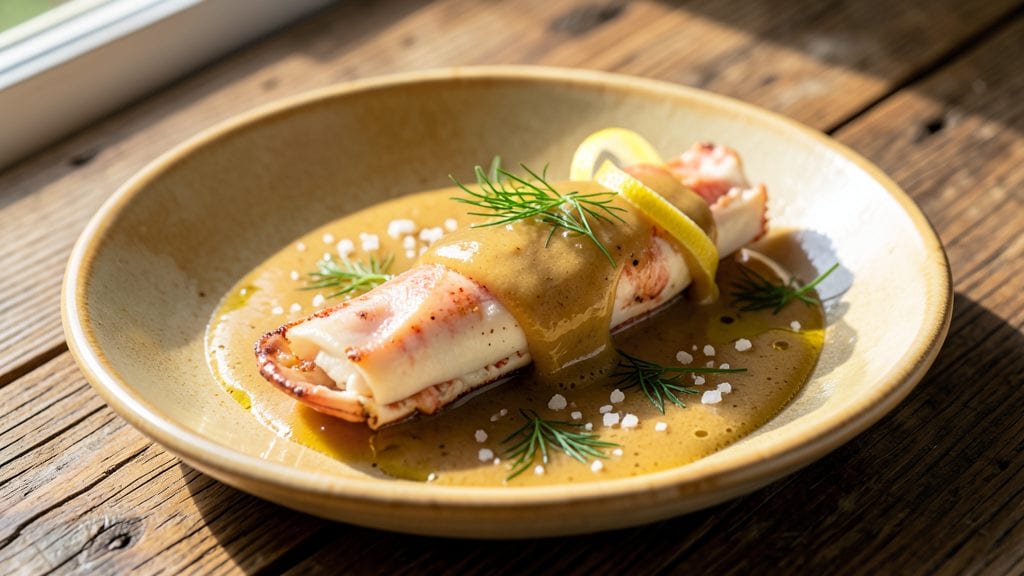
This crab leg sauce recipe transforms ordinary seafood into a luxurious dining experience with just a few simple ingredients. The secret lies in balancing rich butter with bright lemon and fresh dill, creating a velvety drizzle that clings perfectly to every tender bite.
I developed this sauce after years of testing—it’s the one that finally earned me compliments even from the most discerning seafood lovers.
The beauty of this sauce is its versatility and ease. With just five ingredients and 10 minutes of active prep, you’ll have a restaurant-quality sauce ready to elevate any crab legs. The key is emulsifying the butter and lemon juice properly, which gives it that signature silky texture without breaking.
It’s foolproof, even for those new to sauce-making, and pairs beautifully with steamed, grilled, or boiled crab.
What you’ll end up with is a buttery lemon-dill sauce that’s tangy, aromatic, and impossibly smooth—each spoonful adds layers of flavor that cut through the richness of the crab. The sauce stays fresh in the fridge for up to three days, making it perfect for meal prep or entertaining.
Whether you’re serving crab legs at a summer barbecue or a cozy weeknight dinner, this sauce will make every bite unforgettable.
For an extra touch, finish with a sprinkle of flaky salt or a dash of hot sauce if you prefer a bit of heat. The possibilities are endless, but the foundation remains the same: bright, creamy, and utterly irresistible.
Let’s get started on making this sauce—the star of your seafood dish.
Ingredients for crab leg sauce
Five ingredients. Ten minutes. The perfect buttery lemon-dill sauce to elevate any crab feast.
| Ingredient | Amount | Notes |
|---|---|---|
| Unsalted Butter 🧈 | ¾ cup | Cold, cut into small cubes |
| Fresh Dill Weeds 🌿 | ½ cup | Finely chopped, stems removed |
| Lemon Juice 🍋 | ¼ cup | Freshly squeezed, strained |
| Extra-Virgin Olive Oil 🫒 | ¼ cup | Light and fruity variety |
| Flaky Sea Salt 🧂 | 1 ½ tsp | Maldon or Jacobsen preferred |
The butter is non-negotiable here—unsalted, cold cubes emulsify better than melted butter. I grab Plugrá or Land O'Lakes from the grocery store's dairy case, but if you're at a seafood market, ask for the freshest block they have. The dill? Fresh is a must—dried just won't cut it. Look for vibrant green bunches at the market or grocery store's produce section. If you can't find fresh dill, parsley works in a pinch, though it'll taste different. The lemon juice should be freshly squeezed—none of that bottled stuff. If you're making this ahead, squeeze the lemons just before using to keep the sauce bright.
No fresh dill? Tarragon or chives can stand in, though the flavor will shift slightly. Running out of butter? Ghee works beautifully—it has a higher smoke point and adds a subtle caramelized note. The olive oil matters too—avoid strong, peppery varieties like Kalamata. A light, fruity oil keeps the sauce balanced. If you're feeling adventurous, add a dash of hot sauce at the end for a kick, but don't overdo it or you'll lose the delicate balance. The sea salt? Flaky is key—it adds texture and a burst of flavor that regular salt can't match. If you don't have flaky salt, a pinch of coarse kosher salt will do in a bind.
This sauce keeps beautifully in the fridge for up to three days, sealed in an airtight container. If you're prepping ahead for a party, make it the day before—flavors meld even better overnight. To reheat, warm gently in a small saucepan over low heat, stirring constantly until just melted. If it separates, just whisk in a splash of warm water or lemon juice to re-emulsify. For an extra touch, finish with a sprinkle of freshly cracked black pepper or a few more dill fronds right before serving. It's that easy—no fuss, all flavor.
Why You'll Love This Recipe
- No-Fuss Fusion: I swear by this sauce because it’s three ingredients at its core—butter, lemon, dill—and somehow feels fancy. The butter melts into the olive oil while I’m chopping the dill, and by the time I squeeze in the lemon, it’s already magic. No whisking, no straining, just a quick toss with flaky salt.
- Bright & Buttery Magic: That first bite? The lemon cuts through the richness of the butter, while the fresh dill adds a bright, herby punch. It’s the kind of sauce that makes you pause mid-bite—like a little flavor explosion in your mouth. Honestly, I’ve tried store-bought versions, and this one wins every time.
- Weeknight & Weekend Star: This sauce works on crab legs, grilled fish, or even as a drizzle over roasted potatoes. I’ve used it for date nights (because it’s that good) and lazy Sundays when I’m too tired to fuss. The best part? It’s ready in the time it takes to boil water for pasta.
- Leftovers? Better Than Ever: Between us, this sauce tastes better the next day. The flavors meld, and the salt deepens—so I always make extra. I keep it in a jar in the fridge and use it to jazz up whatever’s in my fridge. Budget-friendly? Absolutely. Waste-free? Even better.
Step-by-step instructions for buttery lemon-dill sauce
Creating this velvety sauce is simpler than you think—just five ingredients, precise timing, and gentle heat.
Melt the Unsalted Butter Slowly
Place a heavy-bottomed saucepan over medium-low heat and add the 0.75 cup unsalted butter cut into small cubes. Let it melt completely while stirring occasionally—this prevents burning. You'll know it's ready when the butter transforms into a smooth, golden liquid with no visible solids remaining.
Here's the thing—don't rush this step. If you crank the heat too high, the butter will brown too quickly and develop a bitter flavor. We're aiming for a delicate, buttery foundation that won't overpower the bright citrus and fresh herbs coming next.
Infuse with Lemon Juice and Fresh Dill
Once the butter is fully melted, reduce the heat to low and immediately add the 0.25 cup lemon juice and 0.5 cup finely chopped fresh dill weeds. Stir constantly for 3-4 minutes until the mixture begins to simmer gently. You'll notice the sauce thicken slightly as the lemon's acidity reacts with the butter's fat.
Watch for the moment when the dill releases its vibrant green color and aroma—this is when the sauce starts transforming. The lemon juice will make the mixture bubble lightly, but don't let it come to a full boil. We're creating an emulsion here, not cooking down a reduction.
Incorporate Olive Oil for Emulsion
Remove the saucepan from heat and let it cool for 1 minute—this prevents the olive oil from shocking the hot mixture. Then, very slowly whisk in the 0.25 cup extra-virgin olive oil, adding it drop by drop at first. You'll see the sauce transform from a thin liquid into a thick, velvety emulsion as the oil binds with the butter and lemon.
This is the moment that matters: the sauce should become glossy and thicken noticeably. If it looks too thin, whisk in another 1 teaspoon of olive oil until you achieve that perfect coating consistency. The emulsion should hold its shape when drizzled—it shouldn't immediately disperse into separate components.
Season and Finish with Flaky Sea Salt
Return the sauce to low heat and add the 1.5 teaspoons flaky sea salt, stirring continuously until fully dissolved. Taste the sauce and adjust the seasoning if needed—you might want to add a pinch more salt or a splash of lemon juice to balance the flavors. The sauce should be bright, tangy, and herbaceous with a clean finish.
Real talk: this sauce is delicate. If you overcook it after adding the salt, the emulsion will break and the sauce will separate. Keep the heat at the absolute lowest setting possible, just enough to maintain warmth without active cooking. The ideal serving temperature is 140-150°F—warm enough to coat but cool enough to preserve its velvety texture.
Pro Tips For Making Crab Leg Sauce
- Melt Butter Slowly: If you dump cold butter into the pan and walk away, you’ll end up with greasy, unemulsified sauce. Instead, melt the butter over low heat—just until it’s fully liquid but not browned—then pour in the olive oil. The oil will stabilize the emulsion so your sauce doesn’t split later.
- Chop Dill Like Confetti: Whole dill stems sink to the bottom and turn your sauce into a bitter, muddy mess. Pulse the dill in a food processor for 2–3 seconds, or finely chop it by hand until it’s tiny but not paste. This distributes flavor evenly without overpowering.
- Acid First, Not Last: Adding lemon juice at the end risks curdling the butter. Mix it into the warm butter-oil emulsion before the dill goes in. This lets the acid gently brighten the sauce while keeping the texture smooth—no sudden clumping.
- Salt in Stages: Taste the sauce before the final salt hit. The butter and olive oil already carry salt, and flaky sea salt is potent. Start with half the recipe’s salt, let it sit for 30 seconds, then adjust—you can always add more, but you can’t unsalt.
Best sauces and condiments for this crab leg sauce
Classic Garlic Butter
This timeless sauce is my go-to for crab legs because it’s rich, aromatic, and requires just three ingredients: ½ cup unsalted butter, 3 minced garlic cloves, and 1 tsp lemon zest.
Melt the butter over low heat, add the garlic and zest, and cook for 2-3 minutes until fragrant—never let it brown. Finish with ½ tsp flaky salt and a pinch of black pepper. The result is a luxurious, golden drizzle that clings perfectly to crab meat. 🧄
Spicy Sriracha Mayo
For those who love heat, this sauce delivers with a kick! Mix ½ cup mayonnaise (I prefer Duke’s for its smooth texture) with 1 tbsp sriracha, 1 tsp honey, and ½ tsp lime juice. Stir in 1 tbsp chopped cilantro for freshness.
This sauce works wonders with grilled crab legs, adding a tangy, spicy contrast that cuts through the richness. Adjust the sriracha to taste—start with 1 tbsp and add more if you’re feeling adventurous. 🌶️
Creamy Dill Aioli
This sauce is a crowd-pleaser, blending ½ cup mayonnaise, 2 tbsp sour cream, 1 tbsp fresh dill, 1 tsp lemon juice, and ½ tsp garlic powder. Whisk everything together until smooth and creamy.
The aioli’s thickness makes it perfect for dipping or drizzling over crab legs, especially when served with cornbread or crusty bread. For extra flair, top with a sprinkle of paprika or chopped chives.
This sauce keeps well in the fridge for up to 3 days, sealed tightly. ✨
Herbed White Wine Sauce
Elevate your crab legs with this sophisticated sauce made from ½ cup dry white wine (like Sauvignon Blanc), 2 tbsp butter, 1 tbsp fresh parsley, and 1 tsp Dijon mustard.
Simmer the wine in a saucepan until reduced by half, then whisk in the butter and mustard. Finish with the parsley and a pinch of salt. This sauce pairs beautifully with steamed or boiled crab legs, adding a bright, wine-infused depth that complements the seafood perfectly. 🍷
Mango Habanero Glaze
Sweet, spicy, and irresistible—this tropical sauce is a game-changer for crab legs. Blend ½ cup mango purée, 1 tbsp habanero sauce, 1 tbsp lime juice, and 1 tsp honey until smooth. Simmer for 5 minutes to thicken slightly, then strain if you prefer a smoother texture.
Drizzle over grilled crab legs for a burst of flavor that balances heat and sweetness. Serve with a side of cooling yogurt dip to tame the spice. 🌿
Smoky Chipotle Cream
For a smoky, creamy twist, blend ½ cup sour cream, 1 tbsp chipotle in adobo sauce, 1 tsp lime juice, and ½ tsp cumin until smooth. Thin with a splash of water if needed.
This sauce adds a deep, smoky heat that pairs exceptionally well with grilled or baked crab legs. Garnish with chopped cilantro and a pinch of smoked paprika for extra depth. It’s a fantastic option for those who love bold, complex flavors. 🔥
Nutrition facts
Frequently asked questions
Can I make this sauce ahead of time for a party?
This sauce keeps beautifully in an airtight container in the fridge for up to 3 days. The flavors actually meld better overnight, making it perfect for meal prep. Just reheat gently over low heat and whisk to restore its velvety texture before serving.
What if my sauce separates after adding the olive oil?
Don't panic! Simply whisk in 1 teaspoon of warm water or lemon juice to re-emulsify. The key is to work quickly and gently—this sauce is delicate. If it happens again, try adding the olive oil even slower next time, drop by drop.
Can I substitute fresh dill with dried?
Fresh dill is ideal for that vibrant flavor, but if you must use dried, reduce to 1 teaspoon (about 1/10 the amount of fresh). Dried herbs lose potency when dried, so they won't provide the same aromatic punch. Parsley works in a pinch, though the flavor will differ slightly.
How much sauce should I make for 4 crab legs?
This recipe makes about 1 cup of sauce, which is perfect for 4-6 crab legs. If you're serving as a dip, you might want to double the batch. The sauce coats beautifully and won't overwhelm the delicate crab flavor.
Can I make this sauce dairy-free?
Yes! Replace the butter with vegetable shortening or coconut oil (for a neutral flavor) and use a dairy-free olive oil. The emulsion will still work, though the texture may be slightly lighter. For extra richness, add 1 tablespoon of vegan mayo at the end.