
Sauces & Condiments
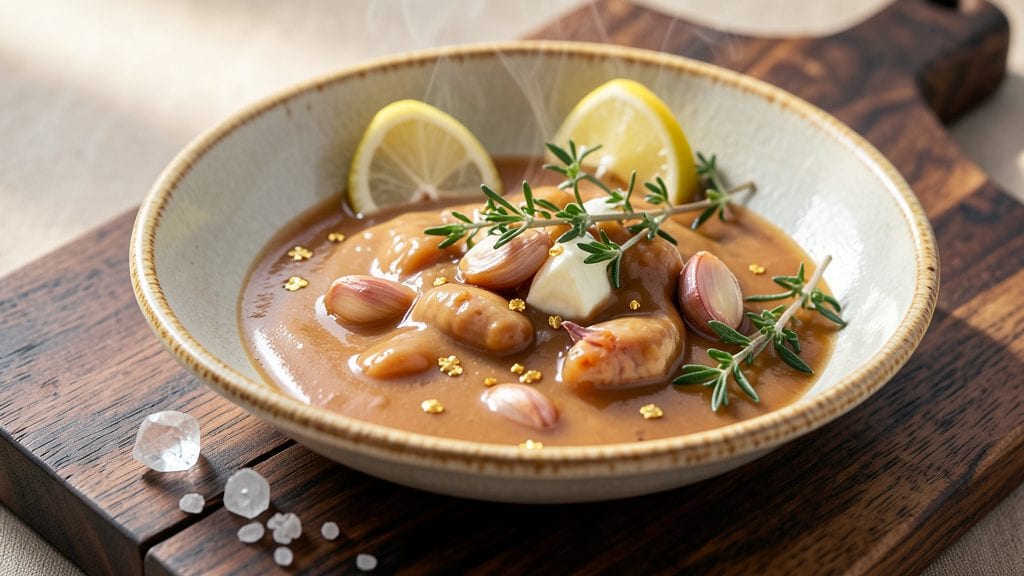
This crab boil butter sauce recipe transforms leftover boil water into a velvety, herb-infused sauce that elevates every bite of your seafood feast.
The secret lies in straining the aromatic broth from the boil, then simmering it with butter, garlic, and fresh herbs until it thickens into a luxurious, golden sauce. I developed this technique after realizing how much flavor gets wasted when we discard that fragrant water.
The process is straightforward yet transformative: melt butter into the strained boil liquid, then add garlic, thyme, and a splash of lemon juice. As it simmers, the sauce reduces to a rich, slightly thickened consistency that clings beautifully to crab meat, corn, and potatoes.
What makes this sauce truly special is how it captures the essence of the crab boil itself—smoky, briny, and herbaceous—without requiring additional ingredients beyond what you already have.
By the time you're done, you'll have a sauce that's creamy yet not heavy, with layers of garlic and thyme that complement the sweetness of crab and the crunch of boiled vegetables. It's the perfect finishing touch for your crab boil, turning leftovers into a restaurant-worthy experience.
This sauce keeps well in the refrigerator for up to 3 days, making it ideal for meal prep or serving at gatherings.
Use it to drizzle over crab cakes, toss with boiled shrimp, or serve alongside cornbread for dipping. The versatility of this sauce means you'll find countless ways to enjoy it beyond the original boil. Let's create this flavorful sauce that makes every bite taste like a celebration.
Ingredients for crab boil butter sauce
Eight simple ingredients transform leftover boil water into restaurant-quality sauce.
| Ingredient | Amount | Notes |
|---|---|---|
| Crab Boil Broth 🍲 | 2 cups | Strained from recent boil |
| Unsalted Butter 🧈 | ½ cup | Cold, cut into cubes |
| Garlic Cloves 🧄 | 4 cloves | Fresh, minced finely |
| Fresh Thyme Leaves 🌿 | ¼ cup | Packed, stems removed |
| Lemon Juice 🍋 | 1 tbsp | Freshly squeezed |
| Sea Salt 🧂 | ½ tsp | Fine grain preferred |
| Black Pepper 🌶️ | ¼ tsp | Freshly ground |
| Fresh Parsley Leaves 🌱 | ⅛ cup | Chopped, for garnish |
The broth is everything here—use it fresh from a recent boil (within 24 hours). Whole Foods or local seafood markets often sell pre-made crab boil mixes if you're starting from scratch, but nothing beats the real deal. For the butter, Plugrá or Land O'Lakes are my go-tos—they melt beautifully without overpowering. Garlic should be fresh; those pre-minced jars in the store are a no-go (they turn bitter). Grab a handful of thyme from the grocery store's fresh herb section—it's cheaper than you think and way more flavorful than dried for this sauce.
No fresh thyme? Dried thyme at one-third the amount works in a pinch, but you'll miss that bright, herbal punch. Short on parsley? Fresh cilantro or chives add a nice contrast. Butter substitutes? Olive oil or ghee can replace half the butter, but the sauce will be lighter. The lemon juice is crucial—don't use bottled, especially that sweetened stuff. If you've got frozen lemon juice concentrate, thaw and dilute it 1:1 with water. And trust me, the black pepper should be freshly ground—pre-ground loses its kick fast.
This sauce keeps beautifully—3 days in the fridge sealed in a jar, or 3 months frozen in ice cube trays for single servings. I like to portion it into small ramekins so it's ready to drizzle whenever. The flavor actually deepens overnight, so if you can wait, do it. If you're prepping for a party, make a double batch—it disappears fast. And if you've got extra broth, freeze it for future sauces. Nothing goes to waste!
Why You'll Love This Recipe
- I’ll be real: most sauces turn sad after day two, but not this one. The broth’s saltiness and the butter’s richness actually improve overnight, so I always double the batch. Store it in the fridge, and it’s ready to elevate whatever you’re cooking—no reheating tricks needed.
- Five-Ingredient Magic: I swear by this sauce because it’s the kind of recipe that makes you wonder why you ever overcomplicated things. Just melt butter, toss in minced garlic and thyme, then let the crab boil broth do the heavy lifting—no fancy techniques, just pure flavor.
- Garlic-Thyme Lemon Zing: That bright lemon cut through the richness of the butter like a cool breeze, while the thyme adds this earthy depth that makes it taste like a restaurant dish. Honestly, the first time I made it, I nearly burned the garlic, but even slightly charred, it still worked—proof this sauce forgives mistakes.
- Tailgate or Tuesday Night: Between us, this sauce is my go-to for feeding a crowd or just treating myself after a long week. Drizzle it over grilled shrimp, toss it with pasta, or even slather it on a baked potato—it’s the kind of versatile sauce that makes mealtime feel special without the fuss.
Step-by-step instructions for crab boil butter sauce
This sauce comes together in minutes using the flavors you already love from your boil.
Melt the Cold Butter Slowly
Place the 2 cups of crab boil broth in a medium saucepan over medium-low heat. Add the 0.5 cup of unsalted butter cut into cubes, letting it melt gradually. The key here is patience—melting butter too quickly causes it to separate. Stir occasionally until the butter is completely melted and the mixture is smooth, about 3-4 minutes. You'll notice the broth will start to simmer gently, creating a light foam on top.
Here's the thing—using cold butter cubes instead of melted butter creates tiny pockets of fat that help emulsify the sauce later. This prevents the sauce from breaking or becoming greasy. Keep the heat low enough that the butter doesn't brown, which would give the sauce an off flavor. You're aiming for a velvety base, not a crispy one at this stage.
Add Garlic and Thyme for Herby Depth
Once the butter is fully melted and the broth is gently simmering, add the 4 cloves of minced garlic and 0.25 cup of packed fresh thyme leaves. Stir constantly for 1-2 minutes until the garlic is fragrant but not browned. You'll know it's ready when the kitchen smells like a seaside restaurant—bright, aromatic, and inviting.
Don't walk away during this step. Garlic burns quickly, and burned garlic makes the sauce bitter. If you notice the mixture starting to darken, immediately reduce the heat to the lowest setting. The thyme leaves will infuse their earthy flavor into the broth, creating the signature herby depth that makes this sauce special. Stirring constantly ensures even distribution of these flavors throughout the mixture.
Finish with Brightness and Seasoning
Pour in the 1 tablespoon of freshly squeezed lemon juice and add the 0.5 teaspoon of sea salt and 0.25 teaspoon of freshly ground black pepper. Stir well to combine all the ingredients. Let the sauce simmer gently for 2-3 minutes until it thickens slightly—you're looking for a consistency that coats the back of a spoon but isn't gluey. The lemon juice will brighten all the rich flavors, cutting through the butter and creating balance.
Taste the sauce now and adjust the seasoning if needed. You might find you need a touch more salt or a splash more lemon juice to achieve perfect balance. This is your chance to customize the sauce to your exact taste preferences. The sauce should be rich, herby, and slightly tangy—not overpowering, but complex.
Garnish and Serve Immediately
Remove the sauce from heat and stir in the 0.125 cup of chopped fresh parsley leaves. The parsley adds a final pop of color and freshness that makes the sauce visually appealing and adds a subtle herbal note. Give it one final taste to ensure all the flavors are harmonious. This sauce is best served immediately while warm, as it will thicken further as it cools.
Here's a pro tip: If you're serving this with seafood or crustaceans, drizzle the warm sauce over the top just before serving. For a more dramatic presentation, you can even use a small ladle to create a beautiful sauce cascade down the center of your dish. The contrast between the warm, rich sauce and the cold seafood creates a restaurant-quality dining experience right at home.
Pro Tips For Making Crab Boil Butter Sauce
- Melt Butter Slowly: I learned this the hard way—dumping cold butter into hot broth makes it seize into clumps. Instead, cut the butter into small cubes and let the pan warm over medium-low heat first. The butter will melt into a smooth, glossy base that actually coats the sauce, not your spoon.
- Toast Thyme, Not Burn It: Fresh thyme leaves should sizzle just enough to release their aroma—about 10 seconds over medium heat. After that, they’ll turn bitter faster than you can say "overcooked." Pull them out when they’re fragrant, not browned. (Yes, even if you’re impatient like me.)
- Strain Broth First: Crab boil broth is delicious but often packed with herbs and spices you don’t need in this sauce. Strain it through a fine-mesh sieve before using—it takes 30 seconds and guarantees a cleaner, brighter sauce. No one wants to taste a mouthful of celery seeds.
- Deglaze with Lemon Early: Add the lemon juice before the broth hits the pan. The acid cuts through the garlic and butter residue, lifting flavors instead of letting them cling to the bottom. Skip this step, and you’ll end up scraping browned bits off your pan mid-cook—trust me.
Regional styles of this recipe
Louisiana Bayou Style
In Louisiana, this butter sauce gets a Cajun twist by adding 1 teaspoon of Cajun seasoning (like Tony Chachere's) and ½ teaspoon of smoked paprika to the broth before melting the butter. The result? A sauce with deep, smoky undertones that perfectly complements the sweetness of Gulf seafood.
I like to finish it with ½ teaspoon of filé powder (made from ground sassafras leaves) just before serving—it adds a unique earthy note and helps thicken the sauce slightly. 🌶️
Carolina Coastal Version
South Carolina’s Lowcountry approach incorporates 1 tablespoon of hot sauce (like Crystal or Tabasco) and ½ teaspoon of cayenne pepper into the sauce for a fiery kick. The key here is balancing the heat with extra lemon juice—I add an additional 1 tablespoon to keep the sauce bright.
For authenticity, garnish with chopped scallions instead of parsley, as they’re a staple in coastal Carolina cuisine. This version pairs beautifully with shrimp and she-crab soup.
Texas Gulf Coast Adaptation
Texans love their butter sauces rich and bold, so this version includes 1 teaspoon of Worcestershire sauce and ½ teaspoon of onion powder in the broth. The Worcestershire adds a deep umami richness that cuts through the butter’s creaminess.
I also like to stir in 1 tablespoon of chopped fresh cilantro at the end for a bright, citrusy finish. This sauce is a must for Texas-style seafood boils, especially when served with grilled corn on the cob and crusty bread for dipping.
Florida Keys Fusion
In the Florida Keys, this sauce gets a tropical twist with the addition of 1 teaspoon of lime zest and ½ teaspoon of grated ginger to the broth. The ginger adds a subtle warmth, while the lime zest brightens the flavor profile.
For extra flair, I finish it with 1 tablespoon of chopped fresh mint—it’s a refreshing contrast to the richness of the butter. This version is perfect for serving with grilled stone crab legs or conch fritters, capturing the laid-back, island vibe of Key West. 🌴
New England Clam Chowder Twist
Up north, this sauce takes on a heartier character by incorporating ½ cup of heavy cream (instead of just butter) and 1 teaspoon of Old Bay seasoning into the broth. The cream adds a velvety texture, while Old Bay brings that signature Maryland spice blend.
I also like to stir in 1 tablespoon of chopped chives at the end for a fresh, oniony finish. This version is ideal for drizzling over clam chowder or lobster rolls, adding a luxurious touch to New England seafood classics.
Nutrition facts
Frequently asked questions
Can I make this butter sauce without leftover crab boil broth?
For a similar flavor profile, use 2 cups of seafood stock (shrimp, crab, or fish) or even 2 cups of water with 1 teaspoon of Old Bay seasoning and ½ teaspoon of smoked paprika added to mimic the boil's depth. The butter and herbs will still create that rich, herby sauce you love.
How do I fix a sauce that's too thin or too thick?
For a thinner sauce, add 1-2 tablespoons of warm water or broth while stirring over low heat. For a thicker sauce, simmer uncovered for 1-2 extra minutes to let the liquid reduce. If it separates, whisk in 1 teaspoon of cornstarch mixed with 1 tablespoon of cold water to emulsify it back together.
Can I use dried herbs instead of fresh?
Yes, but use one-third the amount of dried herbs (e.g., ⅛ teaspoon dried thyme instead of ¼ cup fresh). Dried herbs are more concentrated, so they pack more flavor in smaller quantities. For best results, toast the dried herbs in a dry pan for 30 seconds before adding to release their aromatic oils.
What's the best way to store and reheat this sauce?
Store in an airtight container in the fridge for up to 3 days or freeze for 3 months. To reheat, warm in a saucepan over low heat with 1 tablespoon of water or broth to restore creaminess. Avoid microwaving—it can make the sauce separate. Stir in fresh parsley after reheating for a bright finish.
Can I make this sauce dairy-free?
Yes! Replace the butter with ½ cup of olive oil or vegan butter, and use ½ cup of coconut milk (full-fat) for creaminess. Add an extra ½ teaspoon of lemon juice to balance the richness. The sauce will have a lighter texture but still pack all the herby, garlicky flavor you love.