
Sauces & Condiments
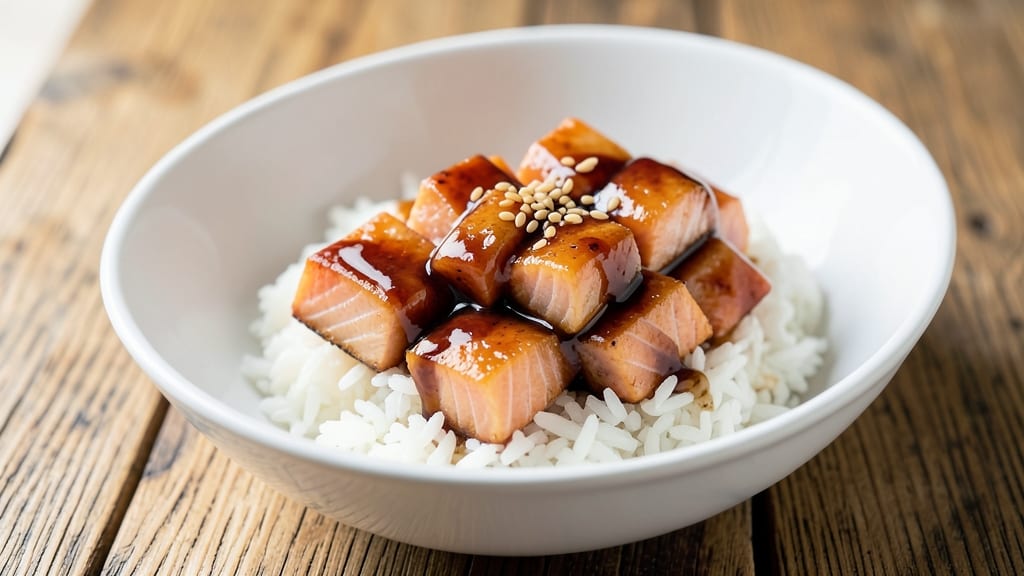
This copycat teriyaki sauce recipe delivers the same restaurant-quality depth and honey-soy balance that makes takeout so irresistible. The secret lies in precise ingredient ratios—soy sauce for umami, honey for sweetness, and a touch of vinegar for brightness—all simmered until thick and glossy.
I’ve perfected this sauce over years of testing, ensuring it’s rich enough to glaze meats but versatile enough for marinades or drizzling.
The professional technique starts with a simple sauce base, but the magic happens in the reduction. You’ll simmer the ingredients until the sauce thickens to a perfect glaze consistency, with a glossy sheen that clings beautifully to chicken, salmon, or even tofu.
This isn’t just another teriyaki—it’s a sauce that transforms ordinary proteins into something extraordinary, with layers of caramelized sweetness and savory depth.
What sets this recipe apart is its balance: not too sweet, not too salty, but perfectly harmonized. The honey adds natural sweetness without overpowering the soy’s umami, while a splash of vinegar brightens the flavor.
You’ll end up with a sauce that’s restaurant-worthy, but with the precision and control of a home kitchen. Ready to elevate your meals?
Use it as a glaze for grilled salmon, a marinade for chicken thighs, or a drizzle over rice bowls. The possibilities are endless, and the results are always impressive. Let’s get started—your taste buds will thank you.
Ingredients for copycat teriyaki sauce
Eight ingredients transform into a restaurant-quality teriyaki glaze with perfect honey-soy harmony.
| Ingredient | Amount | Notes |
|---|---|---|
| Kosher Soy Sauce 🥢 | ½ cup | High-quality, low-sodium preferred |
| Raw Honey 🍯 | ¼ cup | Wildflower or clover variety |
| Rice Vinegar 🍶 | 2 tbsp | Seasoned preferred for depth |
| Sesame Oil 🫒 | 1 tbsp | Toasted, not refined |
| Fresh Ginger 🌿 | 1 tbsp | Grated, not powdered |
| Garlic Cloves 🧄 | 3 cloves | Minced, not pre-minced jar |
| Diamond Crystal Kosher Salt 🧂 | ½ tsp | Fine grain preferred |
| Water 💧 | ¼ cup | Filtered or spring water |
| Cornstarch 🌾 | 1 tsp | For thickening, not flour |
| Toasted Sesame Seeds 🌰 | 1 tsp | For garnish, optional |
The soy sauce is non-negotiable—Kikkoman or La Choy are my go-tos, but any high-quality brand works. For honey, Manuka or wildflower adds subtle floral notes that elevate the sauce. Fresh ginger and garlic? Always fresh, never powdered or jarred—the flavor difference is night and day. I grab my ginger at Whole Foods when it's on sale, but the regular grocery store stuff is fine if it's plump and firm. Toasted sesame oil is key here—Trader Joe's sells it pre-toasted, which saves time. If you can't find it, lightly toast regular sesame oil in a dry pan for 30 seconds before using.
No rice vinegar? Apple cider vinegar works in a pinch, but it’ll have a slightly different tang. Short on honey? Maple syrup at half the amount keeps the sauce balanced. The cornstarch is crucial for that perfect glaze consistency—arrowroot powder works too. For extra depth, a splash of mirin (about 1 tbsp) can replace some of the vinegar. And if you're feeling fancy, a pinch of white miso paste adds umami magic. Just remember: the sauce should coat the back of a spoon when done—thick enough to cling, but still pourable.
This sauce keeps beautifully—1 week in the fridge in an airtight jar, or 6 months frozen in ice cube trays for single-use portions. The flavor actually improves after a day or two as everything melds together. For best results, reheat gently on the stove—no microwaving, or it’ll lose that glossy sheen. Store leftovers with a thin layer of oil on top to preserve freshness. And if you make extra? Freeze it in small batches—it’s perfect for quick glaze sessions later.
Why You'll Love This Recipe
- Pantry Magic: I swear by this sauce because it uses stuff I already have—no special trips to the store. The honey and soy sauce balance perfectly, and that little hit of ginger? It’s the secret weapon that makes it taste homemade, not bottled.
- Sticky-Sweet Perfection: The sesame oil gives it this deep, nutty warmth that clings to everything—grilled chicken, roasted veggies, even scrambled eggs. Honestly, the first time I drizzled it over store-bought chicken tenders, my kids asked for seconds before I even sat down.
- Weeknight Hero: This sauce is my go-to for busy nights because it doubles as a marinade and a glaze. Toss it on chicken for dinner, then use the leftovers to stir-fry veggies the next day. (Yes, even on a Tuesday night when you’re exhausted.)
- Budget-Friendly Luxury: For under $5, I get enough sauce to feed my family for three meals. The rice vinegar cuts the saltiness, so a little goes a long way—no waste, just flavor. Plus, it keeps for weeks in the fridge, so I’m never scrambling for takeout.
Step-by-step instructions for perfect copycat teriyaki glaze
Here's how to balance sweet, salty, and umami for that signature restaurant-style teriyaki sauce.
Bloom the Aromatics in Sesame Oil
Heat a small saucepan over medium-low heat and add the 1 tablespoon sesame oil. Swirl gently until fragrant—about 30 seconds. Here's the thing: sesame oil has a delicate toasted aroma that disappears if overheated. You'll know it's ready when it smells nutty and warm, not burnt.
Add the 3 minced garlic cloves and 1 tablespoon grated fresh ginger, stirring constantly for 1 minute until fragrant. The garlic should turn golden around the edges but not brown completely—this prevents bitterness. If it starts to darken too quickly, reduce the heat immediately. This aromatic base forms the flavor foundation of your sauce.
Build the Sauce Base with Honey and Vinegar
Pour in the 0.5 cup kosher soy sauce and 0.25 cup raw honey, stirring to combine. The mixture will look thick and syrupy at first. Increase heat to medium and bring to a gentle simmer, stirring occasionally for 5 minutes until slightly reduced. You're looking for the sauce to thicken just enough to coat the back of a spoon.
Add the 2 tablespoons rice vinegar and 0.5 teaspoon diamond crystal kosher salt, stirring well. Taste at this stage—it should be sweet, tangy, and slightly salty but not overpowering. If you want deeper flavor, this is the moment to add a pinch more salt. The vinegar brightens the honey while balancing the soy's saltiness, creating that perfect umami-sweet harmony.
Thicken and Finish with Cornstarch Slurry
In a small bowl, whisk together the 1 teaspoon cornstarch with the 0.25 cup water until completely dissolved. This creates your thickening agent. Pour the slurry into the simmering sauce while stirring constantly. The sauce will bubble vigorously—keep stirring for 2-3 minutes until it reaches your desired consistency.
You want a glossy, coatable glaze that clings to proteins without being gluey. If it's too thick, add 1 teaspoon water at a time until smooth. For extra depth, remove from heat and stir in the 1 tablespoon sesame oil—this adds richness and balances the sweetness. The sauce should now have that signature teriyaki sheen and viscosity.
Rest and Adjust for Perfect Balance
Transfer the sauce to a clean jar or bowl and let it cool for 10 minutes. This resting period allows flavors to meld and the sauce to thicken slightly as it cools. Taste again—you may need to adjust the balance. If it's too sweet, add a splash more soy sauce. Too tangy? A touch of honey helps.
For that authentic restaurant finish, sprinkle with 1 teaspoon toasted sesame seeds just before serving. The seeds add texture and visual appeal, completing the copycat experience. Store any unused sauce in the refrigerator for up to 2 weeks, or freeze for longer storage. When reheating, warm gently over low heat and stir occasionally to prevent skin formation.
Pro Tips For Making Copycat Teriyaki Sauce
- SIMMER LOW AND SLOW: I learned this the hard way—boiling teriyaki sauce ruins it. Keep the heat at a gentle simmer (tiny bubbles, not rolling) or the honey will turn bitter and the vinegar will evaporate too fast. If it starts to bubble aggressively, drop the heat immediately—your sauce will thank you.
- GRATE GINGER FINE: Skip the pre-grated jar unless you want a weird texture. Fresh ginger needs to be finely grated (almost like a paste) so it blends smoothly into the sauce. A microplane works best—no chunks, no fuss, just flavor.
- STOP WHEN IT THICKENS: The sauce is done when it coats the back of a spoon like syrup, not when it looks reduced to syrup consistency. Overcooking turns it gluey. Taste it at 15 minutes—if it’s still too thin, simmer another 2-3 minutes, but don’t let it darken.
- SWAP HONEY FOR MAPLE: Raw honey can crystallize if not fully dissolved, leaving grainy bits. Substitute with the same amount of maple syrup—it blends instantly and adds a deeper caramel note. (Yes, even if you’re not vegan.)
Regional styles of this dish
Japanese Home-Style
This is the teriyaki sauce I grew up with in my grandmother’s kitchen—simple, balanced, and deeply flavorful. The key difference here is using mirin (about 1 tablespoon) instead of vinegar for a subtler sweetness that caramelizes beautifully.
I like to add 1 teaspoon grated daikon radish for a gentle crunch and freshness. Serve it over steamed rice with grilled salmon or chicken thighs for that authentic home-style experience. 🍣
Hawaiian Fusion Twist
In Hawaii, teriyaki sauce gets a tropical makeover with pineapple juice replacing some of the water and honey. Swap ½ cup pineapple juice for the water and reduce the honey to 2 tablespoons.
Add 1 teaspoon ground ginger and a pinch of red pepper flakes for a sweet-spicy kick. This version is perfect for glazing grilled pineapple chicken skewers or drizzling over macadamia nut-crusted fish. 🍍
Korean-Inspired Gochujang Teriyaki
For a spicy, umami-packed twist, stir in 1 tablespoon gochujang (Korean red pepper paste) after simmering the sauce. This adds a deep, fermented heat that pairs perfectly with bulgogi beef or spicy tofu.
Balance the heat with an extra ½ teaspoon honey if needed. The gochujang also gives the sauce a beautiful ruby-red hue that’s hard to resist. 🌶️
Thai-Inspired Sweet-Chili Teriyaki
Transform your sauce into a Thai-inspired glaze by adding 1 tablespoon fish sauce and 1 teaspoon sweet chili sauce after simmering. The fish sauce deepens the umami, while the chili sauce adds a tangy sweetness.
This version is fantastic for glazing grilled shrimp or chicken satay. Garnish with fresh cilantro and lime wedges for a bright, aromatic finish. 🍤
Vegan Teriyaki Adaptation
To make this sauce vegan, swap the honey for maple syrup and use tamari (gluten-free soy sauce) instead of regular soy sauce. Add 1 teaspoon nutritional yeast for a cheesy, umami boost.
This version works beautifully as a glaze for tofu, tempeh, or veggie burgers. The sauce’s glossy texture clings perfectly to plant-based proteins, making it just as satisfying as the original. 🌱
Smoky Grill Master’s Version
For a smoky depth, add ½ teaspoon smoked paprika and ¼ teaspoon liquid smoke to the sauce base before simmering. This version is ideal for glazing grilled meats like ribs or brisket, giving them that signature smoky-sweet crust.
Pair it with charred corn on the cob or grilled vegetables for a full BBQ-inspired meal. 🔥
Nutrition facts
Frequently asked questions
Why does my homemade teriyaki sauce turn out too sweet?
The honey-to-soy ratio is delicate—too much honey creates imbalance. Start with 2 tablespoons honey instead of ¼ cup and adjust gradually. The key is balancing sweetness with 2 tablespoons rice vinegar and ½ cup soy sauce—the acidity and saltiness cut through the sweetness. Taste as you simmer and add vinegar first if it's too cloying.
Can I make this sauce without cornstarch?
Yes! Swap the cornstarch for 1 teaspoon arrowroot powder (better clarity) or 1 tablespoon tomato paste (adds depth). For a thicker natural option, simmer the sauce uncovered for 5-10 extra minutes until reduced to desired consistency. Just avoid flour—it can make the sauce cloudy.
What’s the best way to store leftover teriyaki sauce?
Transfer to an airtight container and refrigerate for up to 2 weeks. For longer storage, freeze in ice cube trays (thaw as needed) or 1-cup portions in freezer bags. The sauce thickens when cold—reheat gently over low heat, stirring constantly, until smooth. Never microwave—it creates a skin and dulls the gloss.
How can I use this sauce beyond glazing meats?
This versatile sauce works as a marinade (2-4 hours for chicken, 30 minutes for fish), stir-fry sauce, or rice bowl drizzle. Thin with 1 tablespoon water for brushing, or reduce it further for a sticky glaze. Try it in ramen broth, pasta dishes, or even as a dipping sauce for spring rolls. The possibilities are endless!
My sauce is too thin—how can I fix it?
If the sauce is too runny, simmer it uncovered for 5-10 more minutes to reduce. For instant thickening, mix ½ teaspoon cornstarch with 1 teaspoon cold water, stir into the sauce, and simmer for 1-2 minutes. Avoid adding too much at once—it can make the sauce gluey. Stir constantly to prevent lumps!