
Sauces & Condiments
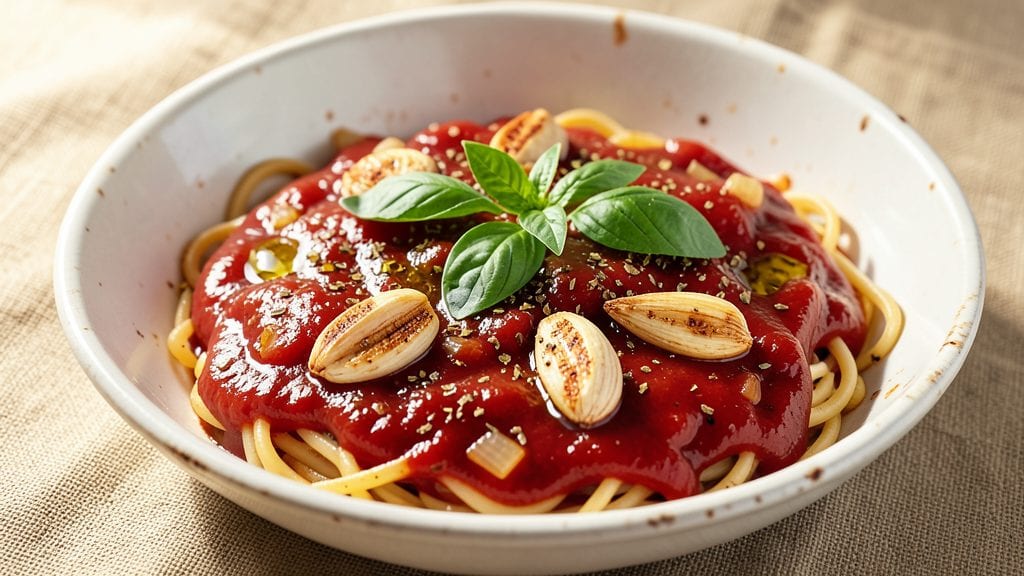
This copycat spaghetti sauce recipe delivers the deep, slow-simmered umami that clings to every strand of pasta—just like your favorite Italian restaurant. The secret lies in a precise blend of tomatoes, aromatics, and herbs that develop complex flavors over time, creating a sauce that’s rich, balanced, and impossible to resist.
I’ve refined this over years of testing, ensuring it’s foolproof yet packed with restaurant-quality depth.
The foundation is a slow simmer (at least 2 hours) that allows the flavors to meld and intensify, while a touch of sugar and vinegar balances acidity for a smooth, velvety texture.
No shortcuts here—just patient cooking and careful seasoning. The result? A sauce so flavorful it transforms simple spaghetti into a meal that feels like a night out, without the restaurant price tag.
What sets this apart is its versatility—use it as a base for lasagna, a topping for baked ziti, or a dipping sauce for crusty bread. The sauce thickens naturally as it cooks, but you can adjust consistency with a splash of water or a sprinkle of cornstarch if needed.
Every batch delivers that signature umami punch, with layers of caramelized tomatoes and aromatic herbs that make it impossible to stop at one serving.
Ready to elevate your pasta nights? This sauce is designed to be made ahead and taste even better the next day, so you can spend less time cooking and more time enjoying the results. Let’s get started—your noodles are waiting.
Ingredients for copycat spaghetti sauce
Tomatoes, aromatics, and patience—this sauce delivers restaurant-quality umami in every spoonful.
| Ingredient | Amount | Notes |
|---|---|---|
| San Marzano Tomatoes 🍅 | 28 oz | Whole, crushed by hand |
| Extra-Virgin Olive Oil 🫒 | ½ cup | High-quality, fruity variety |
| Yellow Onion 🧅 | 1 whole | Diced, medium size |
| Garlic Cloves 🧄 | 4 cloves | Fresh, minced finely |
| Fresh Basil Leaves 🌿 | ½ cup | Packed, stems removed |
| Dried Oregano 🍃 | 2 tsp | Italian or Mediterranean |
| Ground Black Pepper 🌶️ | 1 tsp | Freshly cracked |
| Sea Salt 🧂 | 1 ½ tsp | Kosher or fine grain |
| Granulated Sugar 🍚 | 1 tbsp | Balances acidity |
| Red Wine Vinegar 🍷 | 1 tbsp | For brightness |
| Tomato Paste 🍅 | 2 tbsp | Squeeze tube preferred |
| Dried Thyme 🌿 | ½ tsp | Crumbled between fingers |
San Marzano tomatoes are non-negotiable here—they’re sweeter and less acidic, which is key for that restaurant-quality depth. Trader Joe's and Whole Foods carry them canned, but if you can find them fresh, even better. The onion and garlic are your flavor anchors, so don’t rush the mincing—smaller pieces mean more surface area for caramelization. Fresh basil is ideal, but if you’re using dried, reduce to one-third the amount—it packs way more punch. The olive oil should be the good stuff; California Olive Ranch or Bertolli are solid choices if you’re not using extra-virgin.
No San Marzano tomatoes? Crushed Roma tomatoes work in a pinch, but they’ll be slightly more acidic. Swap the red wine vinegar for a splash of white wine if you prefer—just reduce the amount to 1 teaspoon since it’s milder. The tomato paste can be skipped if you’re using a lot of fresh tomatoes, but it adds that concentrated umami that makes this sauce sing. Pre-shredded cheese is a no-go for the Parmesan—grate it yourself from a wedge for that authentic flavor. If you’re making this ahead, the sauce actually gets better as it sits, so double the batch and freeze half for next time.
This sauce is designed to be made ahead—it tastes even better the next day once all the flavors meld. Store it in an airtight container in the fridge for up to 5 days, or freeze for 6 months. I like to portion it into 1-cup servings in silicone molds so I can grab just what I need. When reheating, do it gently on low heat to avoid breaking down the flavors. A splash of water or a pinch of cornstarch can adjust the consistency if needed—just stir it in at the end.
Why You'll Love This Recipe
- No Chopping Stress: I swear by the 5-minute prep here—just dice one onion and mince a few garlic cloves. That’s it. The San Marzano tomatoes handle the rest, so soft and sweet they practically melt down on their own.
- Garlic-Basil Magic: Between us, that slow-simmered garlic and fresh basil at the end? It’s the kind of flavor that makes you pause mid-bite. The olive oil ties it all together—rich but bright, like a hug in a jar.
- Meals for Days: This sauce doubles as my go-to for Tuesday dinners and Sunday leftovers. Freeze half in jars—no fancy containers, just a spoon and a lid—and reheat straight from frozen. (Yes, even on a Tuesday night.)
- Budget-Friendly Luxury: San Marzano tomatoes might sound fancy, but they’re cheaper than you’d think—plus, they stretch this sauce over three meals. The rest of the ingredients? Olive oil, onion, garlic—stuff you already have. Taste like a splurge, costs like a steal.
Step-by-step instructions for slow-simmered umami spaghetti sauce
This method delivers restaurant-quality depth with simple techniques you can master.
Sauté the Aromatics in Olive Oil
Heat the 0.5 cup extra-virgin olive oil in a large, heavy pot over medium heat. Add the 1 whole yellow onion, diced into even ¼-inch pieces, and cook for 5-6 minutes until the edges turn translucent and the onion softens. Stir occasionally to prevent browning.
Here's the thing—don't rush this step. The onion needs to sweat out its moisture before you add the garlic. Once it's tender, push the onion to one side of the pot and add the 4 cloves garlic cloves, minced finely. Cook for 30 seconds until fragrant but not browned—garlic burns faster than you think.
Build the Sauce Base with Tomatoes and Seasonings
Pour in the 28 oz San Marzano tomatoes, crushed by hand for natural sweetness. Stir well to combine with the aromatics, then add the 2 tbsp tomato paste and the 1 tbsp red wine vinegar. The vinegar brightens the sauce while balancing the acidity of the tomatoes.
Bring the mixture to a gentle boil over medium-high heat, then immediately reduce to low heat. Here's where patience pays off—let it simmer uncovered for 20 minutes to allow excess water to evaporate. You're aiming for a thick, syrupy consistency that will cling perfectly to spaghetti.
Season and Simmer for Deep Flavor
Add the 2 tsp dried oregano, 0.5 tsp dried thyme, 1.5 tsp sea salt, 1 tbsp granulated sugar, and 1 tsp ground black pepper. Stir well to distribute the seasonings evenly. The sugar isn't just for sweetness—it helps balance the acidity and enhances the tomatoes' natural flavors.
Continue simmering uncovered for another 30-40 minutes, stirring occasionally. You'll notice the sauce darkening slightly and thickening—this is the magic happening. Real talk: don't walk away. Stir every 10 minutes to prevent sticking and ensure even cooking. The sauce should reduce to about 3 cups total.
Finish with Fresh Basil and Rest
Remove the pot from heat and stir in the 0.5 cup fresh basil leaves, packed and stems removed. Let the basil steep in the hot sauce for 5 minutes—this infuses the leaves' bright, sweet flavor without overpowering the dish. Then, use a slotted spoon to remove the basil leaves, leaving just the infused oil behind.
Let the sauce rest for 10 minutes before serving. This resting period allows the flavors to meld completely. The sauce will thicken slightly more as it cools, which is exactly what you want for that perfect cling to every strand of spaghetti.
Pro Tips For Making Copycat Spaghetti Sauce
- Sweat Onions Low: I learned this the hard way—sautéing onions on high heat turns them bitter before they even soften. Use medium-low and let them cook for 8-10 minutes until translucent, stirring occasionally. The slow release of their sugars is what builds real flavor in this sauce.
- Crush Garlic Lightly: Minced garlic burns fast and turns bitter, especially in olive oil. Give your cloves a few firm presses with the flat side of your knife—just enough to bruise them—before adding to the pot. You’ll get aroma without the acrid aftertaste.
- Skip the Boil: Your San Marzanos are already cooked, so simmering them gently (180°F/82°C) prevents skin sloughing and keeps the sauce from turning mushy. A rolling boil ruins the texture—this sauce should bubble softly, like a lazy Sunday morning.
- Toast Basil Leaves: Tossing fresh basil into cold sauce kills its flavor. Instead, heat the leaves in a dry pan for 10 seconds until fragrant, then add them to the sauce off the heat. It’s a quick step that makes the basil taste like it belongs there—and not like a sad garnish.
Regional styles of this copycat spaghetti sauce
Classic Italian Style
This is the sauce you’d find in a traditional Roman trattoria, where simplicity and quality ingredients shine. The key here is slow simmering—I always cook mine for at least 2 hours to develop deep, caramelized flavors.
Use San Marzano tomatoes for their natural sweetness and extra-virgin olive oil (like California Olive Ranch) to elevate the dish. The secret weapon? A touch of red wine vinegar to brighten the acidity and fresh basil added at the end for that signature aroma. 🌿
Neapolitan-Inspired
For a richer, meatier flavor profile, add 2 tbsp tomato paste and 1 tsp dried thyme during the simmer. The Neapolitan style often includes a splash of white wine (like Pinot Grigio) to deglaze the pot before adding tomatoes.
I like to finish with a sprinkle of Parmesan rind while simmering for an extra umami boost. This version pairs perfectly with ziti pasta or manicotti.
Sicilian Heat
If you love spice, this variation cranks up the heat with 1 tsp red pepper flakes and 1 chopped fresh chili (like Calabrian chili). The Sicilian style also incorporates 1 tsp fennel seeds toasted in the olive oil at the start for a unique anise-like depth.
Balance the heat with an extra ½ tsp sugar to keep the sauce from becoming too sharp. Serve with crusty bread for dipping. 🌶️
Americanized Twist
For a sauce that’s familiar to American tastes, add ½ cup beef broth when you introduce the tomatoes and a pinch of ground cinnamon (just ¼ tsp) for warmth. Many American versions also include 1 tsp Worcestershire sauce for a savory depth.
This works beautifully with meatballs or as a lasagna filling. The sauce thickens slightly more than the Italian original, making it ideal for layered dishes.
Vegetarian-Friendly
Skip the meat entirely and boost umami with 1 tbsp soy sauce or 1 tsp miso paste during the simmer. Add ½ cup mushrooms (like cremini or shiitake) sautéed with the onions for a meaty texture.
A splash of balsamic vinegar at the end adds complexity without overpowering. This version is just as rich and satisfying—perfect for plant-based pasta lovers. 💚
Make-Ahead Adaptations
All these styles improve when made ahead, but the Italian and Neapolitan versions benefit the most from overnight resting. Store in an airtight container in the fridge for up to 5 days or freeze for 3 months.
When reheating, add 1-2 tbsp water to loosen the sauce if it thickens too much. The Sicilian heat version reheats best with a splash of lemon juice to keep the flavors vibrant. 📅
Nutrition facts
Frequently asked questions
Why does this sauce need such a long simmer time?
The 2+ hour simmer is what builds the deep, complex flavors that make this sauce restaurant-quality. Slow cooking allows the tomatoes to break down and caramelize, while the aromatics and herbs infuse fully. This isn't just about reducing liquid—it's about developing that rich umami that clings perfectly to pasta.
Can I make this sauce in a slow cooker?
Use the same ingredients but transfer everything to a 6-quart slow cooker after sautéing the aromatics. Cook on low for 6-8 hours or high for 3-4 hours. The texture will be slightly thinner, so reduce it on the stovetop for 10-15 minutes before serving. The flavors will still develop beautifully this way.
What if my sauce is too acidic?
Add ½ teaspoon sugar or 1 teaspoon honey to balance the acidity, or stir in 1 tablespoon tomato paste to deepen the flavor. If the sauce is still too sharp after simmering, a splash of white wine or balsamic vinegar can help round out the flavors. Taste as you go—this sauce is all about finding that perfect balance.
How do I store leftovers?
Transfer to an airtight container and refrigerate for up to 5 days. For longer storage, freeze in 1-cup portions for up to 6 months. When reheating, warm gently on the stove with a splash of water or pasta water to restore the perfect consistency. The sauce actually tastes better the next day as flavors meld!
Can I use canned crushed tomatoes instead of whole San Marzano?
Yes, but choose a high-quality crushed tomato with minimal additives. For best results, drain most of the liquid first to prevent a watery sauce. The natural sweetness of San Marzano tomatoes is ideal, but brands like Muir Glen or Century work well in a pinch. Just be prepared to simmer slightly longer to achieve the same thickness.