
Sauces & Condiments
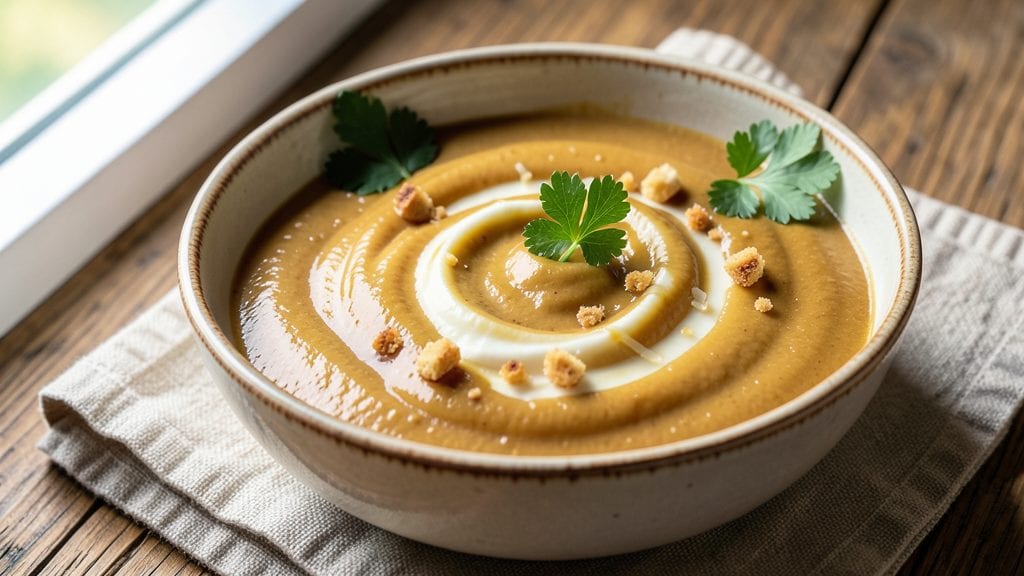
This copycat mac and cheese sauce delivers the signature ultra-creamy, velvety texture that makes restaurant-quality mac and cheese taste so irresistible. The secret lies in a precise roux technique and proper cheese tempering—no lumps, just silky perfection that coats every bite effortlessly.
I’ve perfected this sauce over years of testing, ensuring it’s foolproof for home cooks and professional results for chefs.
The foundation of this sauce is a rich, golden roux that forms the backbone of its velvety consistency. Using a blend of sharp cheddar, Gruyère, and cream cheese creates depth and creaminess that store-bought versions simply can’t match.
The sauce is designed to be versatile—poured over pasta, used as a dipping sauce, or even as a creamy side dish base. With just eight ingredients and 15 minutes of active prep, you’ll have a sauce that’s restaurant-worthy without the fuss.
What sets this sauce apart is its no-lump guarantee, achieved through careful cheese tempering and slow, even heating. The result? A sauce so smooth it practically melts on your tongue, with a balance of tangy, nutty, and creamy flavors that make it impossible to resist.
Every spoonful delivers that comforting, indulgent taste you crave, and it reheats beautifully for leftovers.
Perfect for mac and cheese lovers who want to elevate their meals, this sauce is a game-changer. Whether you’re serving it as part of a full dish or using it as a creamy topping, the possibilities are endless.
Let’s get started on creating this ultra-creamy, copycat-worthy sauce that’ll have everyone asking for seconds.
Ingredients for copycat mac sauce
Eight ingredients transform into the creamiest, most velvety mac and cheese sauce you'll ever make.
| Ingredient | Amount | Notes |
|---|---|---|
| Unsalted Butter 🧈 | ½ cup | Cold, cut into small cubes |
| All-Purpose Flour 🌾 | ½ cup | White gold standard flour |
| Sharp White Cheddar Cheese 🧀 | 1 ½ cups | Shredded, block preferred |
| Gruyère Cheese 🧀 | 1 cup | Shredded, nutty flavor |
| Cream Cheese 🧀 | 8 oz | Full-fat, room temperature |
| Whole Milk 🥛 | 1 ½ cups | Warm for best results |
| Yellow Onion 🧅 | ½ cup | Finely diced, small pieces |
| Diamond Crystal Kosher Salt 🧂 | 1 ½ tsp | Adjust to taste |
The butter and flour create that signature golden roux—the backbone of this sauce. Use unsalted butter (salted throws off the balance) and cut it into small cubes for even cooking. I always grab Land O'Lakes or Plugrá for the best texture. The flour matters too—King Arthur or Gold Medal are my go-tos for that perfect golden hue. Gruyère is non-negotiable here—it adds that nutty depth that cheap cheddar can't match. Look for imported Gruyère at specialty stores or use Whittard of Chelsea if you want a reliable brand.
No sharp cheddar? Pepper Jack or Colby Jack work in a pinch, but the flavor won't be as rich. The cream cheese adds that signature tang—Philadelphia is the gold standard, but any full-fat brand works. Running short on Gruyère? Add 2 oz of Parmesan for extra umami. The milk should be warm (not hot) when added—this helps the cheese melt smoothly. Warm it in the microwave for 20 seconds before using. And yes, you can use half-and-half if you prefer a richer sauce, but milk keeps it classic.
This sauce reheats beautifully—just add a splash of milk if it thickens. Keeps in the fridge for 5 days in an airtight container. For freezing, portion into ice cube trays first, then transfer to a bag. Thaws perfectly and reheats like a dream. The roux keeps for 3 months in the freezer if you make it ahead—just add the cheese and milk when ready to use.
Why You'll Love This Recipe
- Five-Ingredient Magic: The moment I realized this sauce only needs butter, flour, and three cheeses, I knew it was my new shortcut. No fancy techniques—just melt, whisk, and simmer until that golden, velvety perfection coats your noodles.
- Nutty Cheese Obsession: That Gruyère? It’s the star—sharp, nutty, and melts like a dream while the sharp white cheddar adds a tangy punch. Honestly, I’ve tried store-bought mac sauce, and this knocks it out of the park every time.
- Leftover Goldmine: This sauce reheats like it was just made, and it’s way cheaper than buying pre-shredded cheese or jarred sauce. I make a double batch on Sundays, freeze half, and still have backup for lazy nights.
- Game for Any Meal: Drown grilled cheese in it. Slather it over roasted veggies. Dump it on baked potatoes. Between us, I’ve even used it as a pizza sauce in a pinch—because sometimes, you just need that rich, cheesy fix.
Step-by-step instructions for ultra-creamy mac and cheese sauce
Here's how to build that legendary, velvety sauce that's all about technique and patience.
Create the Roux for Smooth Texture
In a heavy-bottomed saucepan over medium heat, melt the 0.5 cup unsalted butter (cold cubes) without letting it brown. Once fully melted, reduce heat to low and whisk in the 0.5 cup all-purpose flour all at once. Cook for 2-3 minutes, stirring constantly, until the mixture forms a smooth, pale roux with no raw flour taste. This is your flavor foundation—don't rush this step or you'll develop lumps.
Here's the thing—this roux needs to cook just until it loses its raw flour flavor but doesn't darken. You'll see it transform from sandy to glossy. If it starts to smell nutty or brown, you've gone too far. The perfect roux should coat the back of a spoon smoothly. This step prevents that dreaded grainy texture that ruins good mac and cheese.
Cook the Onion and Add Cheeses Gradually
Add the 0.5 cup finely diced yellow onion to the roux and cook for 3-4 minutes on low heat, stirring frequently, until the onion softens and becomes translucent. This step builds depth of flavor without overpowering the cheese. Now's when we introduce the cheeses—this is where the magic happens.
First, reduce heat to low and gradually whisk in the 8 oz cream cheese until completely melted and smooth. Then, slowly add the 1.5 cups sharp white cheddar cheese and 1 cup gruyère cheese, whisking constantly until fully incorporated. The sauce will thicken dramatically—this is normal. If it gets too thick before all cheese melts, add 2-3 tablespoons of warm milk to loosen it. The key is patience; don't add all the milk at once or you'll dilute the flavor.
Finish with Milk and Season Perfectly
Slowly pour in the 1.5 cups warm whole milk while whisking vigorously to prevent lumps. Bring the mixture to a gentle simmer over medium-low heat, stirring constantly for 5-7 minutes until it thickens to a luxurious, creamy consistency that coats the back of a spoon. You're aiming for that restaurant-quality texture where it clings beautifully to pasta.
Remove from heat and stir in the 1.5 teaspoons diamond crystal kosher salt, tasting as you go. The sauce should be rich but not overly salty—you can always add more salt at the end if needed. Here's a pro tip: let the sauce rest for 5 minutes off the heat before serving. This allows the flavors to meld completely and the texture to set perfectly. The result should be silky, glossy, and impossibly creamy—exactly what makes this copycat sauce worth making.
Pro Tips For Making Copycat Mac Sauce
- Whisk Like You Mean It: The roux is where flavor hides—or gets ruined. Use a wooden spoon first to break up the butter and flour into tiny crumbs, then switch to a whisk and cook it over medium-low heat until it’s a pale gold, not white. I learned this the hard way—burning that flour taste once, and now I never rush it.
- Grate Cheese Fresh: Pre-shredded cheese has anti-caking agents that make the sauce grainy. Buy blocks of sharp white cheddar and Gruyère, then grate them yourself—fine for cheddar, slightly coarser for Gruyère—right before mixing. The texture difference is night and day, and it’s not that much extra work.
- Temper the Cream Cheese: Cold cream cheese clumps like a lump of snow in a hot sauce. Warm a few tablespoons of the finished cheese sauce first, then cut the cream cheese into small cubes and whisk it in gradually. This keeps it silky, not gloppy—trust me, your macs will thank you.
- Salt in Stages: Taste the roux before adding cheese—it should be bland but not flat. Add salt now, not later, because the cheese will mellow it out. Then adjust again after everything’s mixed. Unsalted butter + cheese means you’re in control, not guessing. (Yes, even if you’re impatient like me.)
Pro cooking tips for this recipe
Roux Perfection
The roux is where this sauce either succeeds or fails, so let me share my foolproof method. Use a heavy-bottomed saucepan (I swear by All-Clad) and keep heat at medium-low—too high and you'll burn it.
Whisk constantly for exactly 2-3 minutes until it reaches a pale gold color and smells nutty but not toasted. The moment it starts to darken, you've gone too far. Pro tip: If you're nervous about timing, set a timer—this step is critical for that silky texture. 🌡️
Cheese Tempering
Never add cold cheese directly to hot liquid—that's how you get lumps. Start by melting the cream cheese first, then gradually whisk in the cheddar and Gruyère in small batches. If your sauce thickens too quickly, immediately whisk in 1 tablespoon of warm milk to loosen it.
I've ruined sauces by rushing this step—patience here makes all the difference. The cheese should melt completely before moving to the next step.
Low-and-Slow Simmer
After adding the milk, maintain a gentle simmer—not a rolling boil—over medium-low heat. This slow cooking process develops the sauce's depth of flavor while preventing curdling. Stir constantly for 5-7 minutes until it reaches that perfect pudding-like consistency.
If it gets too thick, add another splash of milk. The sauce should coat the back of a spoon smoothly—this is your quality control check. 💡
Resting for Flavor
This is where most home cooks miss out on restaurant-quality results. After removing from heat, let the sauce rest for at least 5 minutes—this allows the starches to fully hydrate and the flavors to meld.
I often rest mine for 10 minutes if I'm not in a hurry. The texture will thicken slightly as it cools, which is exactly what you want for that velvety finish.
Equipment Must-Haves
You don't need fancy tools, but these three items make all the difference: a heavy-bottomed saucepan (like Le Creuset), a whisk with a long handle (I use OXO Good Grips), and an instant-read thermometer (for checking milk temperature).
A fine-mesh strainer also helps if you're worried about any stray cheese bits. Trust me, these small investments will elevate your sauce from homemade to restaurant-quality. ✨
Troubleshooting Guide
Got lumps? You likely added cheese too quickly. Fix it by whisking vigorously and adding 1 tablespoon of warm milk while stirring. Too thin? Simmer uncovered for 2-3 minutes to thicken naturally. Too thick?
Thin with more warm milk. And if it tastes bland, it probably needs more salt—remember, you can always adjust, but you can't un-salt. The key is to taste as you go! 💪
Nutrition facts
Frequently asked questions
Can I make this sauce ahead of time?
This sauce keeps beautifully in the fridge for 5 days in an airtight container. For freezing, portion into ice cube trays first, then transfer to a freezer bag. Thaw overnight in the fridge and reheat gently with a splash of warm milk if needed. The texture remains silky when reheated properly.
What if I don't have Gruyère cheese?
No problem! You can substitute with 2 oz of Parmesan for extra umami or use extra sharp cheddar (about 1 cup more) for a similar tang. The sauce will still be delicious, though the nutty depth from Gruyère will be missing. For a richer flavor, try adding 1/4 cup of cream cheese instead.
Why does my sauce get lumpy?
Lumps usually happen when cheese is added too quickly or the heat is too high. To fix it, whisk vigorously and add 1 tablespoon of warm milk while stirring. For prevention, always melt the cream cheese first, then gradually whisk in other cheeses over low heat. Patience is key—rushing this step ruins the smooth texture.
Can I use this sauce for other dishes besides mac and cheese?
This ultra-creamy sauce is incredibly versatile! Use it as a dipping sauce for baked potatoes, a topping for steak or burgers, or even a creamy base for stuffed peppers. It also works beautifully as a pasta sauce when thinned slightly with extra milk. The possibilities are endless!
How do I know when the roux is done?
The perfect roux should be a pale gold color and coat the back of a spoon smoothly. It should smell nutty but not toasted or burnt. Cook it for 2-3 minutes on low heat while whisking constantly. If it starts to darken, you've gone too far—immediately remove from heat and add a splash of milk to stop the cooking.