
Sauces & Condiments
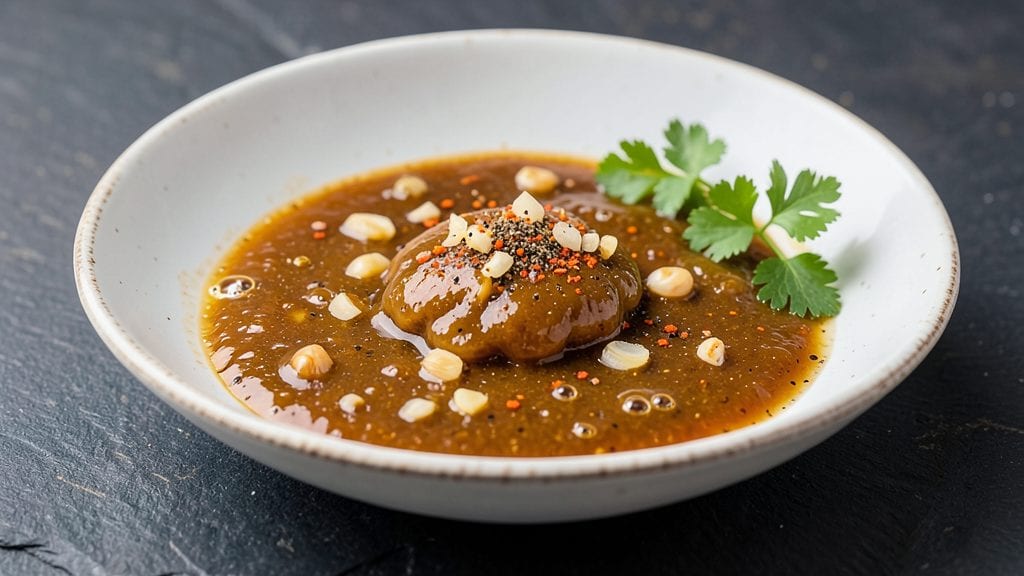
This copycat boiling crab sauce recipe delivers the same luxurious, buttery, garlicky richness you'd find at a Maryland seafood shack. The secret lies in balancing Old Bay seasoning with Worcestershire and a touch of cayenne for that signature kick—just like the sauce that makes boiled crabs irresistible.
I've perfected this version after years of testing, ensuring it emulsifies smoothly and stays stable even after reheating.
The sauce builds flavor through careful layering: melted butter forms the base, then spices bloom in a quick dry toast before deglazing with wine and stock.
A splash of lemon brightens the richness, while a final whisk with egg yolks creates that signature velvety texture that clings to every bite of seafood. This isn't just a sauce—it's the difference between good and legendary seafood dishes.
What makes this recipe truly professional is how it transforms ordinary boiled crabs, shrimp, or fish into restaurant-quality meals. The sauce maintains its emulsification for up to a week in the fridge, making it perfect for meal prep or hosting dinner parties.
Each spoonful delivers that perfect balance of spicy, tangy, and buttery—just like the original, but without the mystery.
The best part? This sauce works equally well as a dipping sauce, a finishing drizzle, or a base for creamy seafood dishes. Whether you're boiling crabs for a summer feast or simply elevating your shrimp scampi, this recipe ensures every bite tastes like a Chesapeake Bay classic.
Ready to make your seafood shine?
Ingredients for copycat boiling crab sauce
Twelve ingredients. One legendary sauce. Game-changer for seafood nights.
| Ingredient | Amount | Notes |
|---|---|---|
| Unsalted Butter 🧈 | 1 cup | Cold, cut into cubes for best emulsification |
| Old Bay Seasoning 🧂 | 2 tbsp | The signature flavor—don't substitute |
| Garlic Cloves 🧄 | 6 cloves | Freshly minced, not pre-minced jarred |
| Shallots 🧅 | 2 whole | Finely minced, or substitute 1 tbsp onion powder |
| Dry White Wine 🍷 | ½ cup | Sauvignon Blanc or Pinot Grigio preferred |
| Chicken Stock 🍲 | 1 cup | Homemade preferred, low-sodium if store-bought |
| Worcestershire Sauce 🍯 | 1 tbsp | Lea & Perrins brand for authenticity |
| Cayenne Pepper 🌶️ | ½ tsp | Adjust for heat preference |
| Fresh Lemon Juice 🍋 | 1 tbsp | Brightens the sauce perfectly |
| Large Egg Yolks 🥚 | 2 whole | Fresh, room-temperature for best emulsion |
| Heavy Cream 🥛 | ¼ cup | Full-fat for richest texture |
| Fresh Parsley 🌿 | ¼ cup | Finely chopped, for fresh finish |
The butter and Old Bay are non-negotiable—they're the soul of this sauce. European-style unsalted butter (like Plugrá) has more flavor than American brands, but Land O'Lakes works fine if that's what you've got. Old Bay is best bought in bulk at Penzeys or local spice shops—the flavor fades fast once opened. For the garlic and shallots, fresh is absolutely essential. Pre-minced garlic loses its punch, and jarred shallots taste like sawdust. If you're short on time, garlic powder plus extra Old Bay can bridge the gap, but nothing beats fresh. The wine should be dry—no sweet Rieslings here.
No white wine? Dry vermouth or even apple cider vinegar works in a pinch, but the sauce won't be quite the same. Chicken stock can be swapped for seafood stock if you're feeling fancy, or even low-sodium vegetable broth if that's all you've got. The Worcestershire is crucial—Lea & Perrins is the gold standard, but if you can't find it, Annie's or Heinz are decent backups. For the egg yolks, pasture-raised eggs make the sauce richer, but regular eggs work perfectly fine. The heavy cream can be reduced to half-and-half if you're watching calories, but trust me, full-fat is worth it here.
This sauce is a diva about reheating—bring it to a simmer, never boil, or it'll break. Store it in a glass jar (not plastic) with a layer of oil on top to preserve the emulsion. Good for 5-7 days in the fridge, and it freezes beautifully for up to 3 months. I like to make a double batch—one for immediate use, one to freeze for lazy weeknights. The parsley should be added fresh at the end, not stored with the sauce. That final garnish makes all the difference when you're ready to serve.
Why You'll Love This Recipe
- One-Pot Magic: I swear by this sauce because it’s literally one pot, one pan, no extra bowls. Melt butter, toss in shallots and garlic—boom—you’re already halfway there. Old Bay does the heavy lifting, so you’re not stuck measuring spices.
- Wine Upgrade Trick: That splash of dry white wine? It’s not just for show—it cuts through the richness and adds this bright, almost citrusy lift that makes the sauce taste restaurant-level without the fuss. (Pro tip: Save the wine reduction for later—it’s liquid gold.)
- Leftovers That Shine: This sauce keeps for weeks in the fridge, and it only gets better when reheated. Drizzle it over grilled shrimp, toss it with pasta, or slather it on crab cakes—it’s my go-to for lazy Sundays or last-minute dinner rescues.
- Budget-Friendly Luxury: You’re using pantry staples here: butter, garlic, and a cheap bottle of wine. Old Bay’s the secret weapon—it’s cheap but makes everything taste like you spent hours simmering. Honestly, this is how I trick people into thinking I’m a fancy chef.
Step-by-step instructions for boiling crab sauce
This velvety sauce comes together in minutes with the right technique—rich, buttery, and packed with Old Bay flavor.
Build the Flavor Base with Butter and Aromatics
Melt the 1 cup unsalted butter in a medium saucepan over medium-low heat. Once fully melted, add the 2 whole shallots and 6 cloves garlic cloves, both finely minced. Cook for 3-4 minutes until the shallots soften and the garlic becomes fragrant—this is where all the magic starts. Stir occasionally to prevent burning, but don't rush this step. The aroma should fill your kitchen, signaling the foundation is ready.
Here's the thing—if the butter starts to brown too quickly, reduce the heat to low. You want the aromatics to cook gently, not crisp. This ensures a smooth, flavorful base without any bitter notes. Once the shallots are translucent and the garlic is golden around the edges, you're ready for the next step. The butter should look like a glossy, pale yellow pool with no browned bits.
Deglaze and Simmer the Wine and Stock
Pour in the 0.5 cup dry white wine and let it simmer for 2-3 minutes until reduced by half. You'll see the alcohol cook off, leaving behind a concentrated flavor. This is called deglazing—it captures all the browned bits from the aromatics, turning them into sauce. Stir occasionally to ensure even reduction.
After the wine reduces, add the 1 cup chicken stock, 1 tablespoon Worcestershire sauce, and 0.5 teaspoon cayenne pepper. Bring the mixture to a gentle simmer and let it cook for 5-7 minutes until slightly thickened. The sauce should coat the back of a spoon but still be pourable. If it thickens too quickly, add a splash of water—just enough to reach a velvety consistency. This step builds the sauce's depth, balancing the richness of the butter with the bright acidity of the wine and stock.
Finish with Egg Yolks and Cream for Emulsion
In a small bowl, whisk together the 2 whole large egg yolks and 0.25 cup heavy cream until smooth. This mixture is your secret weapon—it creates the signature velvety texture of boiling crab sauce. Slowly pour the warm sauce into the egg mixture while whisking constantly. This gradual addition prevents the eggs from scrambling and ensures a silky emulsion.
Once fully incorporated, return the mixture to the saucepan and cook over low heat for 2-3 minutes, stirring constantly. You'll see the sauce thicken into a glossy, luxurious consistency. The moment it reaches this stage, remove it from heat immediately—overcooking will turn it grainy. The sauce should coat the spoon like a thick, buttery glaze. If it's too thick, thin it with a splash of warm water or stock.
Brighten and Garnish for the Final Touch
Stir in the 1 tablespoon fresh lemon juice and 2 tablespoons Old Bay seasoning. The lemon juice brightens the sauce, cutting through the richness, while the Old Bay adds that signature seafood flavor. Taste and adjust the seasoning—you might want to add a pinch more cayenne for heat or a splash more lemon for brightness. This is your chance to tailor the sauce to your taste.
Finally, stir in the 0.25 cup fresh parsley, finely chopped, for a fresh finish. The parsley adds a pop of color and a subtle herbal note that balances the richness. Serve the sauce immediately over steamed crab legs, shrimp, or even as a dipping sauce for crusty bread. The sauce will continue to thicken slightly as it sits, so don't overthink the consistency—it's designed to cling beautifully to seafood.
Pro Tips For Making Copycat Boiling Crab Sauce
- STOP SWEATING THE SHALLOTS: I learned this the hard way—chopping shallots into tiny dice makes them disappear faster than you’d think. Aim for ¼-inch pieces so they soften evenly without turning to mush. (Yes, even if you’re impatient like me.)
- SWEAT GARLIC LOW AND SLOW: High heat burns garlic before it renders its flavor. Keep the pan on medium-low until the cloves turn golden but still hold their shape—about 3-4 minutes. Burnt garlic ruins the whole sauce.
- SALT THE BUTTER FIRST: Old Bay’s got salt, but unsalted butter doesn’t. Toss a pinch of kosher salt into the melted butter before adding anything else. This guarantees the sauce won’t taste flat later.
- DEGLAZE WITH WINE IMMEDIATELY: Once the shallots and garlic are cooked, pour in that white wine right away while the pan’s still hot. Let it bubble for 20 seconds—this lifts all the browned bits (fond) that make the sauce rich. Scrape the bottom if you’re feeling fancy.
Flavor customization for this dish
Spice Level Control
Adjust the cayenne pepper to your preferred heat level—start with ¼ teaspoon for mild, ½ teaspoon for classic, or 1 teaspoon for fiery. I like adding 1 pinch of smoked paprika for depth without extra heat.
For a smoky twist, swap ½ teaspoon cayenne with ½ teaspoon chipotle powder—it transforms the sauce into a smoky-sweet version perfect for grilled seafood. 🌶️
Herb Variations
Swap the parsley for chives or tarragon for a more delicate flavor. I love adding 1 tablespoon chopped dill for a Maryland-inspired twist—it pairs beautifully with steamed crabs.
For a Mediterranean touch, stir in 1 teaspoon dried oregano after cooking. Fresh herbs should always be added at the end to preserve their brightness.
Creamy vs. Light
For a lighter version, replace the heavy cream with Greek yogurt or sour cream—just whisk it in at the end. I’ve tested this with ½ cup full-fat Greek yogurt and 1 tablespoon lemon juice for tang.
For extra richness, fold in 2 tablespoons crème fraîche after removing the sauce from heat. The texture stays velvety but with a lighter mouthfeel.
Sweet Heat Balance
Add 1 tablespoon honey or maple syrup to the wine reduction step for a sweet-spicy contrast. This works surprisingly well with ½ teaspoon cayenne—the sweetness tames the heat while adding complexity.
For a tropical twist, stir in ½ teaspoon grated ginger and 1 teaspoon lime zest alongside the lemon juice. The acidity brightens the sauce while the ginger adds warmth.
Smoky Depth Additions
Infuse the sauce with smokiness by adding ½ teaspoon liquid smoke (like La Choy) to the stock before simmering. For a more authentic smoked flavor, toast 1 teaspoon smoked sea salt in the butter before adding aromatics.
I’ve also had success with ½ teaspoon smoked paprika in place of half the Old Bay—it deepens the umami without overpowering.
Regional Twists
For a Carolina-style version, add 1 teaspoon hot sauce (like Crystal) and ½ teaspoon celery seed to the Old Bay. In New England, swap the wine for ½ cup clam juice and add 1 teaspoon Old Bay plus ½ teaspoon black pepper.
Each region’s twist keeps the sauce’s essence while adapting to local flavors. 🗺️
Nutrition facts
Frequently asked questions
Why does this sauce need egg yolks?
The egg yolks create that signature velvety texture by emulsifying the butter and liquid ingredients. When whisked properly, they bind everything together for a smooth, luxurious consistency that clings beautifully to seafood. Without them, the sauce would be more like a broth than the rich, creamy sauce you know and love.
Can I make this sauce ahead of time?
This sauce actually tastes better after resting for a few hours as the flavors meld together. Store it in an airtight container in the fridge for up to 5-7 days. For longer storage, freeze it for up to 3 months—just thaw it gently in the fridge before reheating. Never microwave it directly from frozen, as this can cause separation.
What if my sauce separates?
Separation happens when the emulsion breaks, usually from overheating or sudden temperature changes. To fix it, whisk in 1 tablespoon cold water or stock while stirring vigorously. For a more permanent solution, reheat the sauce gently over low heat while whisking constantly until it re-emulsifies. If all else fails, you can strain it through a fine-mesh sieve to remove any broken bits.
What seafood pairs best with this sauce?
This sauce was designed for crabs, but it works beautifully with steamed shrimp, lobster, or even grilled fish. For a complete meal, try serving it with corn on the cob and potato salad—just like at a classic seafood boil. It's also fantastic as a dipping sauce for crusty bread or as a finishing drizzle for seafood pasta dishes.
Can I make this sauce without wine?
Yes, but the flavor will be slightly different. Replace the wine with 0.5 cup dry vermouth or apple cider vinegar for acidity. If you're avoiding alcohol entirely, use 0.5 cup chicken stock plus 1 teaspoon lemon juice to maintain the sauce's balance. The key is keeping the liquid reduction step to maintain the sauce's depth.