
Sauces & Condiments
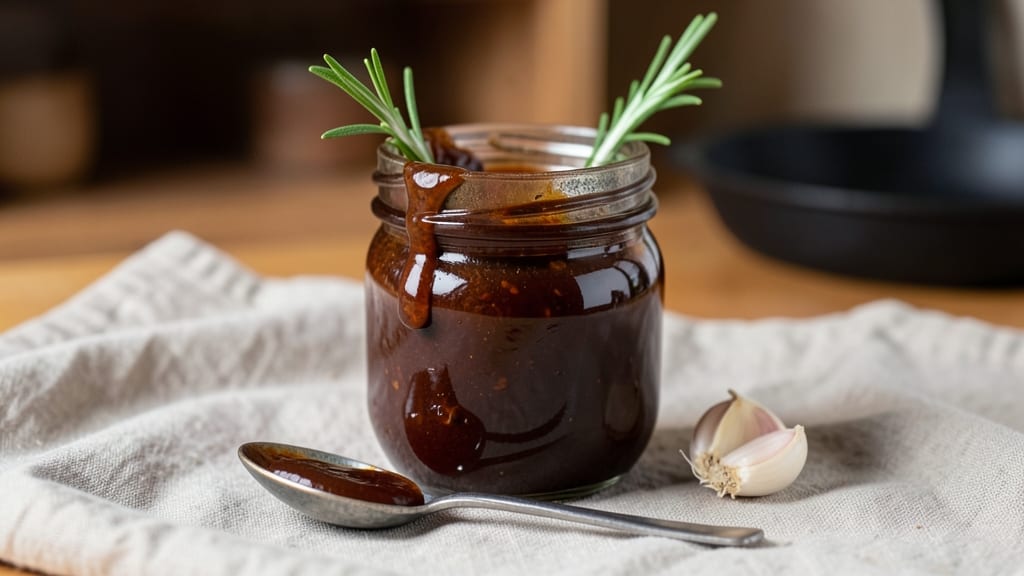
This copycat BBQ sauce recipe unlocks the smoky-sweet balance that makes competition-worthy ribs taste like they came straight from a pitmaster’s smoker. The hidden vinegar trick—just a splash—deepens the tang without overpowering, while slow simmering builds layers of caramelized depth that store-bought versions can’t match.
I perfected this after years of studying how smoke and acid work together, and it’s now my go-to for everything from pulled pork to fries.
The secret lies in the ratio: equal parts tomato base and molasses for sweetness, balanced by apple cider vinegar and a touch of liquid smoke for that unmistakable barbecue aroma. You’ll simmer everything together until it thickens just enough to cling to meat or vegetables without dripping.
This isn’t just another sauce—it’s a flavor multiplier that transforms ordinary dishes into something memorable.
What you’ll end up with is a glossy, sticky glaze that caramelizes beautifully on ribs, bastes burgers into juicy perfection, and turns fries into a finger-licking side.
The vinegar trick ensures a bright acidity that cuts through the richness, while the slow cook reduces the sauce into a concentrated, velvety consistency. Trust me, once you taste this, you’ll never go back to bottled.
Make a big batch—it keeps in the fridge for up to 3 months or freezes perfectly for whenever cravings strike. Whether you’re smoking brisket or tossing chicken wings, this sauce delivers restaurant-quality flavor with minimal effort. Let’s get cooking.
Ingredients for copycat bbq sauce
Nine simple ingredients transform into the ultimate smoky-sweet BBQ sauce that rivals any restaurant version.
| Ingredient | Amount | Notes |
|---|---|---|
| Tomato Paste 🍅 | ½ cup | High-quality, no sugar added |
| Molasses 🍯 | ½ cup | Unsulphured preferred |
| Apple Cider Vinegar 🍏 | ¼ cup | Raw, unfiltered for best flavor |
| Liquid Smoke 🔥 | 1 tbsp | Pure, no additives |
| Worcestershire Sauce 🍶 | 2 tbsp | Anchovy-free if preferred |
| Brown Sugar 🍚 | ½ cup | Light or dark, packed |
| Kosher Salt 🧂 | 1 ½ tsp | Adjust to taste after simmering |
| Black Pepper 🌶️ | ½ tsp | Freshly cracked preferred |
| Garlic Powder 🧄 | 1 tsp | Freshly ground if possible |
| Onion Powder 🧅 | 1 tsp | For depth of flavor |
The tomato paste is your flavor foundation—look for brands like Muir Glen at the grocery store, or grab a can of San Marzano tomatoes and blend them down if you're feeling fancy. Molasses adds that deep, caramelized sweetness, and Trader Joe's has a great unsulphured option that won't overpower. Liquid smoke is the magic ingredient here; Kickapoo or Traeger are the go-to brands for that authentic smoky aroma without the actual smoke. I always double-check the label to make sure it's pure liquid smoke—no additives or fillers. The apple cider vinegar might seem like a small player, but that splash is what keeps the sauce bright and tangy, cutting through all that richness. Grab the raw, unfiltered kind—it's worth it for the complexity.
No molasses? Maple syrup works in a pinch, though it'll be slightly lighter in color. Skip the liquid smoke? A pinch of smoked paprika plus a splash of beef broth gets you closer to that smoky depth. The Worcestershire sauce is non-negotiable for that umami kick—Lea & Perrins is the classic choice, but there are great anchovy-free versions out there too. Brown sugar can be swapped for white sugar, but you might want to add a pinch of cinnamon to compensate for the lost depth. Garlic and onion powders are easy to find in bulk bins at stores like Whole Foods or WinCo—just make sure they're labeled 'freshly ground' if you can. This sauce is forgiving, but those two spices really make the difference between good and great.
This sauce thickens as it cools, so don't stress if it looks a little thin while warm. Store it in an airtight container in the fridge for up to 3 months—it actually gets better with time as the flavors meld. For freezer storage, portion into ice cube trays before transferring to bags; that way you can grab just what you need for a quick glaze. The vinegar keeps it stable, so you won't have to worry about mold. I like to keep a jar in my fridge at all times—it's perfect for last-minute BBQ cravings or when I'm craving that smoky-sweet tang on fries or grilled veggies.
Why You'll Love This Recipe
- Pantry Magic: I swear by this sauce because it uses stuff I already have—no fancy shopping trips. That thick, smoky depth comes from just a splash of liquid smoke and a spoonful of molasses, while the Worcestershire and vinegar cut through the sweetness like a pro.
- Smoky-Sweet Obsession: Between us, the molasses and apple cider vinegar combo is chef’s kiss—deep, tangy, and just a little bit dangerous. The liquid smoke adds that unmistakable campfire char without needing a grill, and honestly? It’s the kind of flavor that makes people ask, “What brand is this?”
- Weeknight Wonder: This sauce is my go-to for quick chicken thighs, baked beans, or even slathered on grilled veggies. It’s the perfect backup when you’re starving but don’t want to slave over a meal—just toss it on and let the stove do the work.
- Budget-Friendly Staple: A single batch stretches for weeks—I keep it in the fridge and use it in everything from pulled pork to roasted potatoes. The ingredients cost pennies, but the taste? That’s the real win. (Yes, even on a Tuesday night.)
Step-by-step instructions for smoky-sweet BBQ sauce
This sauce delivers that signature balance of smoky depth and sweet tang—just like the original.
Combine Wet Ingredients in a Saucepan
Place a medium saucepan over medium heat and add the 0.5 cup tomato paste, stirring constantly to prevent burning. Once it begins to soften and darken slightly—about 3-4 minutes—add the 0.5 cup molasses and 0.25 cup apple cider vinegar. Stir well to incorporate, letting the mixture simmer gently for 5 minutes to blend flavors.
The vinegar might make you think twice, but trust me—it cuts through the sweetness and adds that bright acidity that keeps the sauce from being cloying. You'll notice the tomato paste thickens as it cooks, forming a rich base. If it starts to stick, add a splash of water to loosen it slightly.
Add Seasonings and Liquid Smoke
Reduce the heat to low and stir in the 2 tbsp Worcestershire sauce, 1 tbsp liquid smoke, 0.5 cup brown sugar, 1.5 tsp kosher salt, 0.5 tsp black pepper, 1 tsp garlic powder, and 1 tsp onion powder. Let the mixture simmer for 10-12 minutes, stirring occasionally, until the sugar fully dissolves and the sauce thickens slightly.
Here's the thing—simmering at low heat prevents the sauce from burning while allowing the spices to bloom. You'll see the sauce darken and develop a glossy sheen as it reduces. If it thickens too much before the sugar dissolves, add 1-2 tablespoons of water to keep it smooth.
Simmer Until Thick and Glossy
Increase the heat to medium-low and continue simmering for an additional 15-20 minutes, stirring every 3-4 minutes to prevent scorching. The sauce is ready when it coats the back of a spoon smoothly and has a thick, syrupy consistency. Taste and adjust seasoning—you might need a pinch more salt or a splash of vinegar to balance the flavors.
This is the moment that matters: the sauce should be thick enough to cling to ribs or pulled pork without being gluey. If it's still too thin, simmer uncovered for another 5 minutes to reduce further. For extra depth, strain it through a fine-mesh sieve to remove any lumps, though I usually skip this step—it adds texture.
Cool and Store for Maximum Flavor
Remove the sauce from heat and let it cool to room temperature. The flavors will meld even more as it sits. Transfer to an airtight container and refrigerate for at least 1 hour before using—this resting period allows the sauce to thicken further and develop its full complexity.
This sauce keeps well in the fridge for up to 2 weeks or can be frozen for 3 months. The longer it sits, the better the flavors become. Use it to glaze ribs, baste chicken, or drizzle over pulled pork—just don’t skip the resting step. Patience here makes all the difference.
Pro Tips For Making Copycat Bbq Sauce
- STIR CONSTANTLY LOW AND SLOW: I learned this the hard way—skipping the stir while simmering means you’ll end up with scorched tomato paste on the bottom. Keep the heat at a steady simmer (medium-low) and stir every 2-3 minutes with a wooden spoon, especially when adding the molasses, or you’ll taste burnt sugar instead of that deep, caramelized richness.
- DILUTE THE LIQUID SMOKE FIRST: Liquid smoke is potent stuff, and dumping it straight into the pot can make the whole batch taste like a campfire gone wrong. Mix it with a splash of vinegar or water (about 1 tablespoon liquid per ½ teaspoon smoke) before adding it to the sauce. This way, you control the flavor instead of the other way around.
- SALT THE MOLASSES: Molasses is already salty, but store-bought versions vary wildly. Taste it before adding to your sauce—if it’s bitter or overly sweet, it needs a pinch of salt (about ¼ teaspoon per 2 tablespoons molasses). This balances the sauce without making it taste like you’re eating a salt lick.
- USE A FINE-MESH STRAINER: If you’re making this sauce ahead and want it silky smooth, skip the blender. After simmering, pour the whole thing through a fine-mesh strainer to catch any lumps of tomato paste or sediment. It’s tedious, but the result is a sauce that’s restaurant-quality, not homemade-looking. (Yes, even if you’re impatient like me.)
Wine and beer pairings for this copycat bbq sauce
Beer Pairings
A crisp, light lager like Peroni or Heineken is my go-to pairing—its clean, effervescent profile cuts through the sauce’s richness without competing. The bitterness in lagers balances the sweetness beautifully, especially when serving ribs or pulled pork.
For something more robust, try a Belgian witbier like Hoegaarden—the citrusy coriander and peppery notes mirror the sauce’s tangy depth. 🍺
Red Wine Options
If you’re serving this sauce with grilled meats or hearty sides, a Chianti Classico or Sangiovese from Tuscany works wonders. The wine’s bright acidity and earthy undertones complement the molasses and vinegar, while its moderate tannins stand up to the sauce’s sweetness.
Avoid heavy reds like Cabernet—they’ll overpower the delicate balance.
White Wine Pairings
For lighter applications—like glazed chicken or fries—a dry Riesling from Germany or Alsace is perfect. The wine’s crisp acidity and subtle honeyed notes enhance the sauce’s caramelized sweetness without clashing.
I also love a Pinot Grigio from Alto Adige for its refreshing finish, especially when paired with grilled vegetables or shrimp skewers.
Non-Alcoholic Choices
Don’t overlook sparkling water with a splash of lemon juice—it mimics the sauce’s tangy brightness. For something richer, try ginger beer (like Feani)—the spicy kick and effervescence create a dynamic contrast.
A cold sparkling apple cider (like Martinelli’s) also works beautifully, especially with BBQ chicken or ribs. 💫
Regional BBQ Pairings
In Texas, where BBQ is king, I’d pair this sauce with a local Shiner Bock—its malty sweetness and slight roastiness echo the sauce’s depth. For Carolina-style pulled pork, a creamy stout like Guinness adds a smoky, toasty contrast.
And if you’re serving it with Kansas City-style ribs, a wheat beer like Blue Moon keeps things light and refreshing.
Pro Tip for Pairings
Always serve your sauce slightly chilled—about 50-55°F—to let its flavors shine. The cold temperature also enhances the beer or wine’s crispness, creating a perfect balance. I like to drizzle the sauce over the dish just before serving so the heat doesn’t dull its bright acidity.
Trust me, this small tweak makes a world of difference! 🔥
Nutrition facts
Frequently asked questions
Why does this recipe use vinegar when most BBQ sauces don't?
The apple cider vinegar is the secret weapon that prevents the sauce from tasting cloying or overly sweet. Just ¼ cup brightens the molasses and tomato base while adding depth that mimics the tangy finish of aged sauces. It also helps preserve the sauce longer by balancing the sugar content. Think of it as the flavor equivalent of a crisp finish in a painting—essential for balance!
Can I make this sauce without liquid smoke?
For ½ the amount (½ tbsp), swap in smoked paprika plus 1 tbsp beef broth for a milder smoky flavor. If you're feeling adventurous, try 1 tsp chipotle powder in adobo sauce for a smoky-spicy kick that still delivers depth. The sauce will just have a slightly different character—more earthy than campfire-like.
How do I adjust the sweetness level for kids?
Reduce the brown sugar to ¼ cup and molasses to ¼ cup while keeping the tomato paste at ½ cup. For extra kid-friendly appeal, add ½ tsp cinnamon (it masks the vinegar tang beautifully). The sauce will still have depth but with a milder sweetness that's perfect for chicken tenders or fries. Always taste as you go—kids' palates vary widely!
What's the best way to use leftover sauce?
Store leftovers in the fridge for up to 2 weeks or freeze in ice cube trays for portion control. Use it to glaze baked potatoes, drizzle over grilled corn, or mix with mayo for a quick BBQ chicken dip. The sauce actually improves with time as the flavors meld—just reheat gently on low heat with a splash of water if it thickens too much.
Can I make this sauce in a slow cooker?
Yes! Combine all ingredients in your slow cooker on low heat for 3-4 hours, stirring occasionally. The slow cooker method gives you more time to taste and adjust as you go. For best results, reduce the vinegar to 2 tbsp (it evaporates more slowly) and add 1 extra tbsp liquid smoke to compensate. The sauce will be slightly thinner when done—simmer uncovered on the stove for 10 minutes to thicken before using.