
Sauces & Condiments
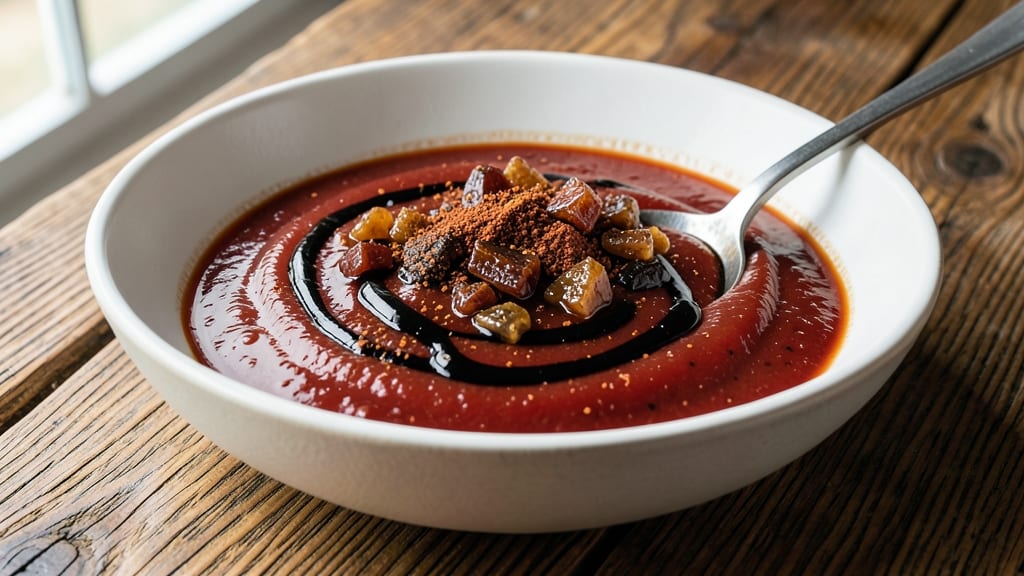
This copycat barbecue sauce recipe delivers that signature smoky-sweet balance that turns every meal into a standout. The day I realized French technique could elevate my rubs also taught me how to perfect this sauce—simmering spices until they sing, blending ingredients until they harmonize.
That first whiff of hickory smoke at my family backyard cookout still inspires me to recreate flavors that bring people together.
The secret lies in the balance of vinegar for tang, sugar for depth, and spices that develop during the slow simmer. You’ll need just 10 minutes of active prep, followed by 30 minutes of simmering to let the flavors meld.
This isn’t just a sauce—it’s a flavor foundation that transforms grilled meats, baked beans, or even fries into something restaurant-worthy.
What you’ll end up with is a glossy, smoky-sweet glaze that clings perfectly to ribs, chicken, or pulled pork. The sauce thickens just enough to coat without being syrupy, delivering that signature kick in every bite.
It’s the kind of sauce that makes people ask, “What chain is this from?”—and the answer will be your secret.
Use it as a marinade, glaze, or dipping sauce, and keep leftovers in the fridge for up to two weeks. Let’s get started on recreating that iconic flavor profile at home.
Ingredients for copycat barbecue sauce
Nine simple ingredients transform into that iconic smoky-sweet glaze everyone loves.
| Ingredient | Amount | Notes |
|---|---|---|
| Ketchup 🍅 | 1 cup | High-quality, no artificial flavors |
| Apple Cider Vinegar 🍏 | ½ cup | For tangy depth (not white vinegar) |
| Brown Sugar 🍚 | ½ cup | Light or dark, packed firmly |
| Molasses 🍯 | 2 tbsp | Unsulphured for best flavor |
| Worcestershire Sauce 🍶 | 1 ½ tbsp | Lea & Perrins preferred |
| Smoked Paprika 🌶️ | 1 ½ tbsp | For that signature smokiness |
| Garlic Powder 🧄 | 1 tbsp | Freshly ground preferred |
| Onion Powder 🧅 | 1 tbsp | Not onion salt |
| Ground Black Pepper 🌶️ | ½ tsp | Freshly cracked |
| Salt 🧂 | 1 ½ tsp | Kosher or sea salt |
The ketchup is your base—Heinz or Hunt's work best, but avoid the low-quality store brands. Apple cider vinegar is non-negotiable here; its fruity tang elevates the sauce. Trader Joe's or Whole Foods carry great organic options. For molasses, Grandma's or Brer Rabbit unsulphured are the gold standard. Smoked paprika is where the magic happens—Penzeys or McCormick have excellent options. I always buy extra because once you taste it, you won't go back to regular paprika. The spices? Freshly ground makes all the difference, but pre-ground works in a pinch.
No apple cider vinegar? White vinegar with a splash of lemon juice gets you close. Short on molasses? Maple syrup at half the amount works, though it won't be identical. Worcestershire missing? Soy sauce plus a pinch of sugar mimics the umami. Want more heat? Add cayenne pepper to taste. The brown sugar can be swapped for white, but the sauce will be slightly lighter in color. For a deeper smoky flavor, add a pinch of liquid smoke—just a quarter teaspoon starts it. And if you're feeling fancy, a dash of cinnamon adds warmth that pairs beautifully with ribs.
This sauce keeps for two weeks in the fridge, sealed tight. The flavors actually improve over time—let it sit for a day before using for the best results. For long-term storage, freeze in ice cube trays—perfect for single-use portions. Double the batch if you can; it disappears fast. I make a gallon every summer and give it away—people go crazy for it. Store in a glass jar to preserve the smoky aroma.
Why You'll Love This Recipe
- Pantry Magic: I swear by this—five ingredients, one pot. The molasses and brown sugar caramelize into something rich while I’m still chopping veggies for dinner. No fancy techniques, just simmering and stirring until it’s that sauce.
- Smoky-Sweet Obsession: That tangy vinegar kick meets the deep, sticky sweetness of molasses—it’s the kind of balance that makes you pour it on everything. Worcestershire adds this mysterious umami punch that turns basic ribs into something you’ll fight over.
- Game for Any Gathering: Weeknight burgers? Check. Backyard BBQ? Double check. Even drizzled over grilled chicken for a Tuesday night. It’s my go-to because it works everywhere—no last-minute shopping or fancy plating required.
- Budget-Friendly Staple: A single batch stretches across four meals, and the ingredients? All under $10. The ketchup and vinegar keep it shelf-stable, so I make a big batch and freeze half. No waste, all flavor—my wallet thanks me every time.
Step-by-step instructions for smoky-sweet barbecue sauce
Here's how to recreate that iconic chain restaurant flavor at home with precise measurements and simple technique.
Combine Wet Ingredients in a Saucepan
In a medium saucepan, pour in the 1 cup ketchup and 0.5 cup apple cider vinegar. Add the 0.5 cup brown sugar and 2 tablespoons molasses, stirring constantly over medium heat until the sugar dissolves completely—this should take about 3-4 minutes. You'll notice the mixture bubbling gently as it begins to thicken slightly.
Here's the thing—don't rush this step. The sugar needs time to fully integrate with the vinegar and ketchup to prevent graininess in your finished sauce. Stir occasionally to prevent sticking, and keep the heat at a steady simmer rather than letting it boil vigorously.
Add Seasonings and Simmer for Depth
Reduce the heat to low and stir in the 1.5 tablespoons Worcestershire sauce, 1.5 tablespoons smoked paprika, 1 tablespoon garlic powder, 1 tablespoon onion powder, 0.5 teaspoon ground black pepper, and 1.5 teaspoons salt. Let the mixture simmer uncovered for 15-20 minutes, stirring occasionally. You'll see the sauce gradually thicken and develop a rich, aromatic smell.
This is where the magic happens—the smoked paprika and Worcestershire sauce meld with the sweet elements, creating that signature smoky-sweet balance. The sauce should reduce until it coats the back of a spoon smoothly. If it thickens too quickly, add 1-2 tablespoons water to maintain the right consistency.
Adjust Consistency and Test Flavor
Taste the sauce and adjust the seasoning if needed. If it needs more sweetness, add a pinch of brown sugar. For extra tang, stir in a splash of apple cider vinegar. The sauce should have a perfect balance of smoky, sweet, and slightly tangy flavors with a noticeable kick.
For the ideal consistency, the sauce should be thick enough to coat the back of a spoon but still flow smoothly when poured. If it's too thick, thin it with 1 tablespoon water at a time. If it's too thin, simmer uncovered for another 5 minutes to reduce. Remember, the sauce will thicken further as it cools.
Cool and Store Properly
Remove the saucepan from heat and let the sauce cool to room temperature. This cooling process allows the flavors to fully meld and the sauce to thicken to its final consistency. Once cooled, transfer the sauce to an airtight container and refrigerate for up to 2 weeks or freeze for up to 3 months.
This sauce gets better with time as the flavors continue to develop. I like to give it at least 24 hours in the fridge before using it on ribs or pulled pork—it makes all the difference in that signature taste you're recreating. The longer it sits, the more complex and balanced the flavors become.
Pro Tips For Making Copycat Barbecue Sauce
- Simmer Slow and Steady: I learned this the hard way—rushing the simmer turns your sauce into a sticky mess instead of a rich, glossy glaze. Keep it at a gentle bubble (not a full boil) for at least 20 minutes, stirring occasionally to prevent scorching. The longer it simmers, the deeper the flavors meld.
- Balance the Vinegar First: Apple cider vinegar is sharp, and adding it all at once can make your sauce taste sour instead of tangy. Taste after mixing the ketchup, brown sugar, and molasses, then add the vinegar gradually—start with half, simmer, then adjust. You can always add more, but you can’t take it out.
- Skip the Cheap Molasses: I was skeptical until I tried it—using regular molasses instead of unsulphured leaves a bitter aftertaste that ruins the sauce. Unsulphured molasses (the kind labeled for baking) costs a few bucks more but makes a real difference. Measure it carefully—too much turns your sauce cloyingly sweet.
- Strain for Smoothness: If you’re using store-bought ketchup with seeds or Worcestershire sauce with sediment, trust me: straining makes a smoother sauce. After simmering, pour everything through a fine-mesh sieve into a clean jar. It’s an extra 30 seconds that guarantees a velvety texture every time.
Storing and reheating this recipe
Fridge Storage Secrets
Transfer your cooled sauce to a glass jar or airtight container—I swear by Ball mason jars for their tight seals and durability. Store it in the fridge where it’ll keep for 2 weeks, with flavors actually deepening over time.
The key is using glass to preserve that smoky aroma—plastic absorbs odors and dulls the taste. Honestly, I’ve had people ask me for this sauce just because of how good it smells coming out of the fridge. 💫
Freezer Magic
For long-term storage, freeze your sauce in ice cube trays—perfect for single-use portions like burgers or dipping sauces. Once frozen, transfer cubes to a freezer bag with all the air squeezed out to prevent freezer burn.
This method works great if you’re prepping for a big cookout and want to keep the sauce on hand. Thaw overnight in the fridge before using, and you won’t lose any of that signature kick. ❄️
Reheating Like a Pro
To reheat, I like to pour the sauce into a small saucepan and warm it over low heat for 5-7 minutes, stirring occasionally. Avoid high heat—it can burn the sugar and make the sauce bitter.
If it thickens too much, add 1 tablespoon water at a time until it reaches that perfect glaze consistency. For quick fixes, microwave in 30-second bursts until heated through, but stir well between each burst to prevent hot spots. 🔥
Reviving Leftovers
If your sauce has separated or looks too thick after storage, don’t toss it! Add 1-2 tablespoons water and warm gently until smooth. The sauce should return to its glossy, cling-worthy texture.
I’ve even revived sauces that were left out overnight—just a quick simmer and stir bring it back to life. The beauty of this recipe is how forgiving it is once you’ve got the balance right. 💡
Batch Prep Tips
Double or triple the recipe and store in quart-sized mason jars for easy grab-and-go use. Label with the date so you can track freshness. I make a gallon every summer and give it away—people go crazy for it.
The sauce keeps its quality for 3 months in the freezer, so you can prep ahead for holiday cookouts or tailgating season. Just remember, the longer it sits, the more those flavors meld together. 🌟
Nutrition facts
Frequently asked questions
Can I make this sauce without molasses?
Swap the 2 tablespoons molasses for 1 tablespoon maple syrup—it'll give a similar depth of flavor, though slightly less rich. For a closer match, use 1 tablespoon honey instead. The sauce will still be delicious, just with a slightly different sweetness profile.
How do I adjust the heat level?
Start with the recipe as written, then taste and adjust. For more heat, add ¼ teaspoon cayenne pepper or a pinch of red pepper flakes. Want it milder? Reduce the smoked paprika to 1 tablespoon and skip the cayenne. The key is balancing the smoky-sweet base with just the right amount of kick.
Can I use this sauce as a marinade?
Yes! Use it undiluted for 2-4 hours on chicken or pork—it adds incredible flavor without overpowering. For tougher cuts like ribs, thin it with ½ cup apple cider vinegar and marinate overnight. Just remember, the acidity in the sauce will tenderize meat, so don't over-marinate delicate fish.
Why did my sauce turn out too thick?
This happens when it reduces too much during simmering. Fix it by adding 1 tablespoon water at a time while reheating, stirring until smooth. For future batches, simmer uncovered for 15 minutes max—the sauce will thicken more as it cools. Think of it like a glaze: it should coat the back of a spoon but still flow when poured.
What’s the best way to use leftover sauce?
Leftover sauce is perfect for dipping fries, basting grilled veggies, or mixing into baked beans. Store it in ice cube trays for single-use portions—just pop one out and thaw in the microwave. The sauce also makes an amazing glaze for roasted potatoes or a tangy dressing for coleslaw. Don’t let it go to waste!