
Sauces & Condiments
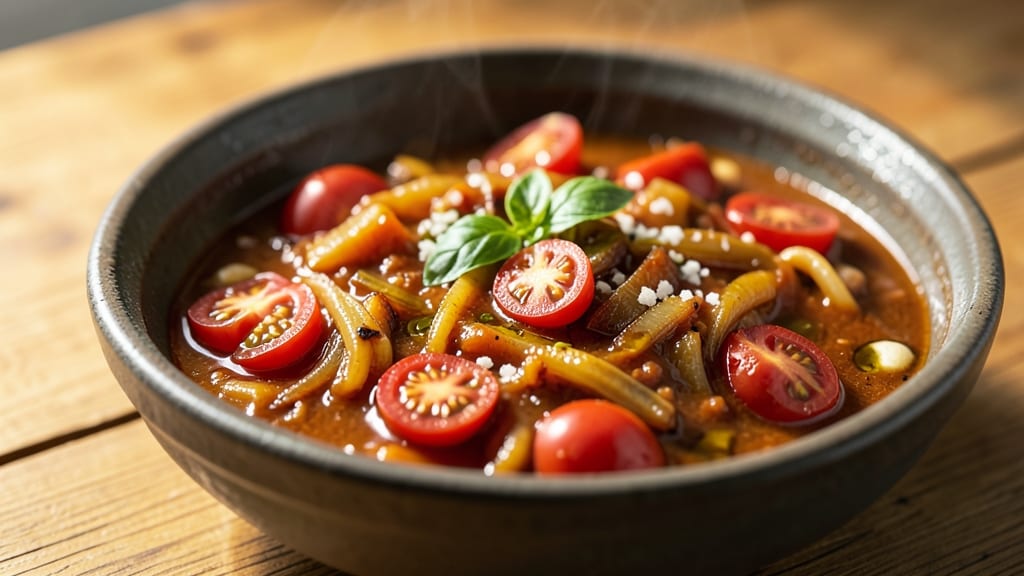
Clemenza's spaghetti sauce delivers the deep, meaty flavor of a classic Italian-American sauce without relying on ground meat. The secret lies in a celery crust that builds rich, umami-packed depth through slow simmering—transforming simple tomatoes into something extraordinary.
This technique has been perfected over generations, creating a sauce that clings to pasta like a hug and tastes even better the next day.
The foundation starts with a soffritto of onions, celery, and carrots cooked until they form a thick, flavorful paste—this is where the "hidden meatiness" comes from. Fresh tomatoes, garlic, and Italian herbs infuse the sauce with bright acidity and aromatic complexity, while a splash of red wine adds depth.
The sauce simmers low and slow, allowing flavors to meld into a perfect balance of sweet, tangy, and savory.
What makes this sauce truly special is its versatility—it elevates any pasta dish while standing up to hearty proteins like meatballs or chicken. The texture is velvety yet substantial, with just enough body to coat each noodle perfectly.
Unlike many store-bought versions, this sauce develops richer flavor the longer it sits, making it ideal for meal prep.
Whether you're serving it with spaghetti, rigatoni, or even as a marinara for pizza, this sauce delivers restaurant-quality results at home. The slow-cooked celery crust ensures every bite carries that unmistakable Italian-American soul—deep, comforting, and impossible to resist.
Ingredients for clemenza's spaghetti sauce
The celery crust and Italian herbs create a sauce with restaurant-quality depth and umami richness.
| Ingredient | Amount | Notes |
|---|---|---|
| Yellow Onions 🧅 | 2 whole | Medium, finely diced for soffritto |
| Celery Stalks 🥬 | 4 whole | Fresh, trimmed and finely chopped |
| Carrots 🥕 | 3 whole | Medium, peeled and finely diced |
| Extra-Virgin Olive Oil 🫒 | ½ cup | High-quality, fruity variety |
| Garlic Cloves 🧄 | 6 cloves | Fresh, minced for aromatic depth |
| Fresh Tomatoes 🍅 | 2 lb | Roma or vine-ripened, chopped |
| San Marzano Tomatoes 🍅 | 28 oz | Canned, crushed by hand |
| Dry Red Wine 🍷 | ½ cup | Bold, like Chianti or Cabernet |
| Fresh Basil Leaves 🌿 | ½ cup | Packed, finely chopped |
| Fresh Oregano Leaves 🍃 | ¼ cup | Packed, finely chopped |
| Sea Salt 🧂 | 1 ½ tsp | Diamond Crystal preferred |
| Ground Black Pepper 🌶️ | ½ tsp | Freshly ground for heat |
| Tomato Paste 🍅 | 2 tbsp | High-quality, no sugar added |
| Sugar 🍯 | 1 tsp | Balances acidity |
| Bay Leaves 🍃 | 2 whole | Fresh for subtle aroma |
The soffritto trio—onions, celery, and carrots—forms the sauce's flavor backbone. Fresh, organic produce from Whole Foods Market or local farmers markets delivers superior flavor, but grocery store brands work fine if they're crisp and vibrant. Celery should snap when broken, not feel rubbery, and carrots should be firm with bright orange color. For the tomatoes, San Marzano cans are non-negotiable—they're sweeter and less acidic, which directly impacts the sauce's balance. The red wine should be dry and bold; Chianti or Cabernet Sauvignon work perfectly, but avoid sweet dessert wines. Fresh herbs are crucial here—basil and oregano from the grocery store's produce section should have a strong, aromatic scent, not a dull smell.
No fresh celery? Substitute with an extra 1/2 cup finely chopped fennel for a slightly different but equally complex flavor. Short on tomatoes? Increase the San Marzano can by 1/2 can and add 1/4 cup tomato juice to maintain consistency. Running out of red wine? Dry vermouth works in a pinch, though it adds a slightly herbal note. For the tomato paste, Trader Joe's brand is excellent and widely available. If you can't find fresh bay leaves, dried bay leaves at 1/3 the amount will suffice, though fresh is preferred. The sugar is optional but recommended—it helps balance the acidity of the tomatoes, especially if you're using vine-ripened varieties that can be quite tart.
This sauce develops deeper flavor over time, so make a double batch if you have the freezer space. Store in airtight glass containers in the fridge for up to 5 days or freeze for 6 months. For freezing, portion into 2-cup containers—perfect for meal prep. The sauce reheats beautifully; simply warm on the stove over medium-low heat, stirring occasionally. If it thickens too much, add a splash of water or pasta water. For best results, let the sauce sit at room temperature for 10 minutes before serving, allowing the flavors to fully meld.
Why You'll Love This Recipe
- No Chopping Stress: I swear by the "sofrito shortcut"—just dice the onions, celery, and carrots into rough chunks (no need for julienne precision). Toss them in olive oil and let them caramelize while you stir your coffee or scroll through memes. The flavor’s still rich; the mess isn’t.
- Garlic-Infused Umami Bomb: That first sizzle of garlic in olive oil? Pure magic. When it blooms into a deep, nutty aroma, you’ll know this sauce is about to hit different. The onions and carrots mellow into sweetness, but the garlic lingers—like a warm hug in every bite.
- Freezer-Friendly Hero: Make a double batch and thank me later. This sauce thickens beautifully when reheated, and it keeps for months in the freezer. Perfect for lazy Sundays or when you suddenly remember it’s your turn to bring dinner to book club.
- Pantry Staple Power: Honestly, you’re probably already stocked. Onions, celery, carrots, garlic—those are the holy trinity of cheap, long-lasting ingredients. No fancy imports or last-minute grocery runs. Just open the fridge, grab what’s there, and go.
Step-by-step instructions for Clemenza's spaghetti sauce
This method builds flavor layer by layer—don't rush the process.
Develop the Soffritto Base
Heat the 0.5 cup extra-virgin olive oil in a large Dutch oven over medium-low heat. Add the 2 whole yellow onions, 4 whole celery stalks, and 3 whole carrots, all finely diced. Cook for 20-25 minutes, stirring occasionally, until the vegetables are deeply golden and nearly caramelized. This slow cooking transforms them into a flavorful paste that forms the sauce's foundation.
Here's the thing—this step is where the magic happens. The vegetables should stick to the bottom of the pan and develop a rich, nutty aroma. If they brown too quickly, reduce the heat slightly. You're not just cooking vegetables; you're creating a concentrated flavor base that will carry through the entire sauce.
Add Aromatics and Tomato Paste
Increase heat to medium and add the 6 cloves garlic cloves, mincing them directly into the pan. Cook for 1-2 minutes until fragrant but not browned—garlic burns in seconds. Stir in the 2 tablespoons tomato paste and cook for another 2 minutes to deepen its flavor.
This is where the sauce's depth begins to develop. The tomato paste will darken slightly, creating a rich, umami base. Don't skip this step—it's what gives Clemenza's sauce its signature intensity. The paste should coat the vegetables completely, forming a thick, glossy layer.
Build the Tomato Base
Pour in the 0.5 cup dry red wine and scrape up any browned bits from the bottom of the pan. Let it simmer for 3-4 minutes until mostly evaporated. Add the 2 lb fresh tomatoes, chopped, along with the 28 oz San Marzano tomatoes crushed by hand, the 1.5 teaspoons sea salt, 0.5 teaspoon ground black pepper, and the 2 whole bay leaves.
The wine should reduce to a syrupy consistency before adding the tomatoes. This step prevents a watery sauce and concentrates the flavors. The tomatoes will break down as they cook, releasing their juices and creating a thick, velvety base. Stir gently to combine, then bring to a gentle simmer.
Simmer and Develop Complexity
Partially cover the Dutch oven and simmer over low heat for 45-60 minutes, stirring occasionally. The sauce should reduce gradually, developing a thick, syrupy consistency. Taste and adjust seasoning—add the 1 teaspoon sugar if the acidity is too pronounced, and more salt if needed.
This long simmer is critical. It allows the flavors to meld and deepen, creating that rich, meaty depth without actual meat. You'll notice the sauce darken slightly as it reduces—this is a good sign. The vegetables should soften completely, breaking down into the sauce. If it gets too thick, add a splash of water or tomato juice to loosen it.
Finish with Fresh Herbs
Remove the 2 whole bay leaves and stir in the 0.5 cup fresh basil leaves and 0.25 cup fresh oregano leaves, both finely chopped. Simmer uncovered for another 5-10 minutes to allow the herbs to infuse the sauce. The fresh herbs should brighten the flavors and add a vibrant finish.
Don't let the sauce boil vigorously after adding the herbs—this can make them bitter. Instead, maintain a gentle simmer. The herbs should wilt slightly and release their oils into the sauce. Taste one final time and adjust seasoning if needed. The sauce is now ready to pair with al dente spaghetti and a sprinkle of grated Parmesan.
Pro Tips For Making Clemenza'S Spaghetti Sauce
- SOFTEN THE SOFFRITTO: Cook the onions, celery, and carrots until they’re almost translucent—about 10 minutes on medium heat. I learned this the hard way: rushing this step means your sauce will taste raw and bitter later, no matter how long you simmer.
- CHOP UNIFORMLY OR REGRET IT: Slice onions, celery, and carrots into ¼-inch pieces—no bigger, no smaller. My grandmother swore by this, and she was right: even cooking means no tough chunks or undercooked bits in the finished sauce.
- SWEEP THE PAN: After browning the garlic, tilt the pan and scrape up any stuck bits with a wooden spoon—this prevents bitter flavors from lingering. I skip this when I’m lazy, but the dish is noticeably better when I don’t.
- SALT THE SOFFRITTO: Add a pinch of salt to the onions, celery, and carrots while they cook—it draws out moisture and helps them break down faster. Sounds weird, but it works: your sauce will be richer and more flavorful by the end.
Flavor customization for this clemenza's spaghetti sauce
Sweet-Tangy Balance
Adjust the acidity-sweetness ratio by tweaking the 1 teaspoon sugar or adding ½ teaspoon citric acid for extra tang. If your tomatoes are particularly tart (like vine-ripened varieties), increase the sugar to 1.5 teaspoons.
For a deeper sweetness, add 2 tablespoons caramelized onions during the final simmer—this adds natural sweetness without altering the sauce's structure. 🍯
Herb Variations
Swap out the fresh basil and oregano for other Italian herbs like thyme or rosemary (use ¼ teaspoon dried if fresh isn’t available). For a Mediterranean twist, add 1 teaspoon dried marjoram or ½ teaspoon fennel seeds during the soffritto stage.
These herbs pair beautifully with the celery crust and add unique aromatic depth.
Umami Boosters
For an extra layer of meaty flavor without actual meat, stir in 1 tablespoon soy sauce or ½ teaspoon fish sauce during the final simmer. If you love mushrooms, add ½ cup finely chopped cremini mushrooms with the soffritto—they’ll break down and add a rich, earthy umami.
Another trick? Add 1 teaspoon balsamic vinegar at the end for a sophisticated depth. 💫
Spicy Heat Levels
Add heat by stirring in ½ teaspoon red pepper flakes during the final simmer for a mild kick. For medium heat, use 1 teaspoon Calabrian chili paste or ½ teaspoon crushed dried chili peppers.
If you love spicy food, add 1-2 fresh chili peppers (like jalapeños or serranos) with the fresh tomatoes—they’ll soften and infuse the sauce without overpowering it.
Creamy Texture Twist
For a velvety finish, stir in ¼ cup heavy cream or ½ cup ricotta cheese during the last 5 minutes of simmering. This adds a luxurious texture while balancing the acidity.
If you prefer a lighter option, blend ½ cup tomato sauce with 2 tablespoons cream cheese and stir it back in at the end. This works especially well with creamy pasta dishes like fettuccine Alfredo.
Protein Add-Ins
Transform this sauce into a one-pot meal by adding cooked proteins. Stir in 1 cup crumbled pancetta or Italian sausage during the final simmer for a meaty depth. For seafood lovers, add ½ cup chopped clams or shrimp in the last 5 minutes of cooking.
Even ½ cup cooked lentils or ½ cup diced white beans add protein and creaminess without altering the sauce’s texture. 🍽️
Nutrition facts
Frequently asked questions
Why does this sauce taste so rich without meat?
The secret lies in the soffritto technique—slow-cooking onions, celery, and carrots until they form a flavorful paste creates deep umami notes that mimic meatiness. The red wine reduction and tomato paste further concentrate these flavors, while fresh herbs add aromatic brightness. This method has been perfected in Italian-American kitchens for generations to deliver that satisfying depth without ground beef.
Can I make this sauce in a slow cooker?
Yes! Follow the same steps for the soffritto and wine reduction, then transfer everything to a 6-quart slow cooker. Cook on low for 6-8 hours or high for 3-4 hours, stirring occasionally. The slow cooker's gentle heat helps develop flavors without risking burning. Just add fresh herbs at the end and simmer for 5-10 minutes before serving.
How do I prevent the sauce from being too acidic?
Balance acidity by adjusting the 1 teaspoon sugar—add more if using tart tomatoes or reduce if your tomatoes are naturally sweet. For extra insurance, stir in 1 tablespoon tomato paste during the final simmer or add ½ cup caramelized onions to naturally sweeten the sauce. Always taste as you go! The key is patience—let the sauce simmer until flavors meld naturally.
What's the best way to store leftovers?
Store in airtight glass containers in the fridge for up to 5 days, or freeze for 6 months. For freezing, portion into 2-cup containers—perfect for meal prep. Thaw overnight in the fridge, then reheat gently on the stove with a splash of water or pasta water if needed. The sauce actually improves with time, developing deeper flavor as it rests!
Can I use this sauce for dishes other than spaghetti?
This versatile sauce works perfectly with rigatoni, penne, or bucatini. Use it as a marinara for pizza bases or as a dip for crusty bread. The rich texture also pairs well with grilled chicken, meatballs, or even as a topping for baked potatoes. The celery crust adds enough body to stand up to heartier proteins while remaining light enough for delicate dishes.