
Sauces & Condiments
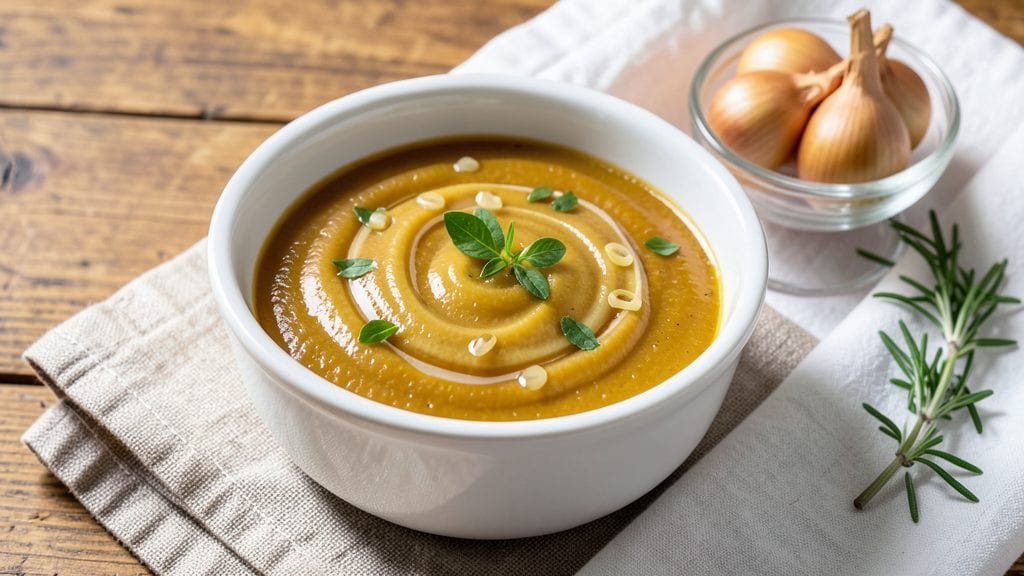
Mastering classic Béarnaise sauce at home transforms any steak dinner into a restaurant-worthy experience. This French emulsion requires precision—reducing vinegar to balance acidity, whisking egg yolks with clarified butter, and incorporating fresh tarragon for that signature herbaceous depth.
I’ve perfected this technique over years of trial and error, ensuring a silky, stable sauce every time without breaking the emulsion.
The key to success lies in temperature control: a gentle double boiler method prevents scrambled yolks while allowing the butter to melt smoothly into the sauce. Traditional recipes call for shallots and tarragon, but modern shortcuts like pre-reduced vinegar can save time without sacrificing flavor.
Once you nail the technique, you’ll never buy store-bought again—the rich, tangy sauce clings perfectly to grilled meats and asparagus.
What sets this recipe apart is its versatility. Use it as a drizzle for steak, a topping for roasted vegetables, or even a glaze for fish. The sauce keeps well in the refrigerator for up to 3 days, though it’s best enjoyed fresh.
With practice, you’ll achieve that signature golden hue and velvety texture that defines classic Béarnaise.
For those new to emulsions, don’t be intimidated—the process is simpler than it seems. We’ll walk through every step, from reducing vinegar to tempering the yolks, so you can confidently create this French classic at home. Let’s get started.
Ingredients for classic bearnaise sauce
Eight essential ingredients for restaurant-quality Béarnaise—no shortcuts, just French finesse.
| Ingredient | Amount | Notes |
|---|---|---|
| Fresh Tarragon Leaves 🌿 | ½ cup | Packed, stems removed |
| Shallots 🧅 | 2 whole | Finely minced, not sliced |
| White Wine Vinegar 🍷 | ½ cup | Distilled or white wine vinegar |
| Unsalted Butter 🧈 | 1 cup | Clarified preferred, cold |
| Large Egg Yolks 🥚 | 3 whole | Fresh, room temperature |
| Diamond Crystal Kosher Salt 🧂 | ¼ tsp | Fine grain preferred |
| Freshly Ground Black Pepper 🌶️ | ¼ tsp | Freshly cracked preferred |
| Granulated Sugar 🍚 | ½ tsp | For reducing vinegar |
Tarragon is non-negotiable here—fresh leaves only capture that signature anise-like flavor. Whole Foods or specialty markets carry the best quality, but any grocery store’s herb section should have it if it’s bright green and firm. Shallots add depth, so mince them finely—don’t slice. The vinegar matters too: distilled is sharper, white wine vinegar adds complexity. For butter, clarified butter is ideal (it won’t burn), but unsalted works if you strain it. Egg yolks? Fresh is key—older yolks emulsify poorly. Grab a small bowl for whisking and a heatproof measuring cup for the vinegar reduction.
No tarragon? Fresh dill or basil at half the amount works in a pinch, but it won’t taste the same. Substituting butter? Ghee is a good alternative, but it’s richer. Vinegar shortage? Lemon juice with a pinch of sugar mimics the acidity. The sugar in the vinegar reduction is crucial—skip it only if your vinegar is already sweetened. For the yolks, room temperature is mandatory—cold yolks break emulsions. If you’re nervous about scrambling, temper the yolks with sauce first before whisking in butter. And always whisk in one direction—circular motions create air, which weakens the emulsion.
Béarnaise reheats beautifully—just warm gently over a double boiler, whisking constantly. Store in an airtight container in the fridge for 3 days max; it separates but re-emulsifies with a whisk. For longer storage, freeze in ice cube trays—thaw and whisk to restore. The sauce thickens as it cools, so thin with a splash of warm water if needed. Leftovers? Use within 2 days for best texture. And if it breaks? Start over—patience is the secret to a perfect emulsion.
Why You'll Love This Recipe
- No Chopping Chaos: I swear by this recipe because the shallots only need a quick dice—no mincing, no tears. That tarragon? Just tear the leaves right off the stem. Honestly, the hardest part is remembering to whisk.
- Tarragon Magic: That bright, anise-like tarragon cuts through the richness of the butter like a whisper. The vinegar’s tang and the yolks’ silkiness? It’s the kind of balance that makes you pause mid-bite—like a fancy restaurant trick, but with ingredients you already own.
- Leftovers That Shine: This sauce actually improves the next day. I’ll make a double batch for steak night, then drizzle it on eggs the morning after. No waste, no fuss—just pure, buttery goodness waiting to happen.
- Weeknight Steak Hero: Between us, this is my secret weapon for Tuesday dinners. The butter melts into the pan with whatever protein you’re cooking, and suddenly, it feels like a date night. No fancy plating, just flavor that demands seconds.
Step-by-step instructions for classic béarnaise sauce
Here's how to create this elegant French sauce with perfect balance and silky texture every time.
Create the Tarragon Vinegar Reduction
In a small saucepan, combine the 0.5 cup white wine vinegar, 0.5 teaspoon granulated sugar, 0.5 cup packed fresh tarragon leaves, and 2 whole finely minced shallots. Bring to a gentle simmer over medium heat, then reduce until the liquid reduces by half and becomes a deep amber color—about 8-10 minutes. You'll notice the aroma intensify as the vinegar mellows and the tarragon releases its anise-like essence.
Strain the reduction through a fine-mesh sieve into a heatproof bowl, pressing gently on the tarragon and shallots to extract every drop of flavor. Discard the solids. This reduction forms the aromatic backbone of your sauce—don't rush this step, as proper reduction is key to authentic flavor.
Prepare the Egg Yolk Emulsion
While the reduction cools slightly (it should be warm but not hot), whisk the 3 whole large egg yolks in a separate bowl until they're pale and slightly thickened. This preparation is crucial—the yolks should be at room temperature to prevent curdling when combined with the hot reduction. Add 0.25 teaspoon diamond crystal kosher salt and 0.25 teaspoon freshly ground black pepper to the yolks.
Temper the yolks by slowly drizzling in 1 tablespoon of the warm tarragon reduction while whisking constantly. This gradual warming prevents the eggs from scrambling. Once the mixture reaches 160°F, it's ready to be combined with the remaining reduction. The emulsion should thicken slightly but remain pourable—this is your base for the finished sauce.
Incorporate the Butter for Silky Texture
Place the bowl containing the tempered yolks over a pot of barely simmering water (double boiler method), ensuring the bottom of the bowl doesn't touch the water. Gradually whisk in the 1 cup cold unsalted butter, cut into small pieces, while maintaining a gentle heat. The butter should melt slowly and incorporate smoothly into the yolk mixture, creating a velvety emulsion.
Continue whisking until the sauce reaches 170°F and thickens to a glossy consistency that coats the back of a spoon. This process, called mounting, is what gives béarnaise its signature richness. If the sauce breaks or separates, immediately remove it from heat and whisk vigorously—it can often be saved with quick attention.
Finish and Strain for Perfection
Remove the sauce from the heat and carefully fold in the remaining tarragon reduction using a rubber spatula. The sauce should now have a vibrant golden color and a smooth, velvety texture. For an ultra-refined finish, strain through a fine-mesh sieve into a clean saucepan to remove any potential lumps or bits of butter.
Keep the sauce warm at 160-170°F until ready to serve, stirring occasionally to prevent a skin from forming. The final product should have a delicate balance of tangy, herby notes with a luxurious butter richness. This classic sauce pairs beautifully with steak, grilled fish, or roasted vegetables—just be sure to serve it immediately for the best texture.
Pro Tips For Making Classic Bearnaise Sauce
- Whisk Like Mad: The vinegar-butter emulsion is fragile—whisk that first batch of butter into the tarragon reduction fast and hard until it thickens noticeably. I used to let it cool too much between additions, and the sauce would split like a bad joke. Keep it moving.
- Mince Shallots Fine: Tiny dice, not rough chunks. A food processor works, but I’ve seen shallots hide like shy guests in a crowd, leaving your sauce bland. Pulse until they’re nearly paste—this ensures even flavor distribution without bitterness creeping in.
- Temper Those Yolks: Warm the yolks first by whisking them with a splash of the hot reduction before combining. Cold yolks curdle faster than you can say “disaster,” and once they scramble, no amount of whisking fixes it. Test with a drop—if it sizzles, they’re ready.
- Save the Tarragon: Strain the reduction after adding the butter, not before. The tarragon’s essential oils dissolve into the warm fat—skip this, and you’ll lose that bright, herby punch. Reserve a few leaves for garnish, but don’t skimp on the strained ones.
Perfect pairings for this dish
Steak Pairings
Béarnaise sauce is legendary with steak, especially ribeye or filet mignon. I like to serve it with a 12-14 oz dry-aged ribeye seared in avocado oil until it reaches 130°F internal temperature for medium-rare.
The sauce’s tangy richness cuts through the buttery fat, while the tarragon’s anise notes complement the beef’s depth. For extra drama, finish the steak with flaky sea salt and a sprinkle of coarse black pepper before drizzling the sauce. 🥩
Grilled Fish
Salmon and halibut shine with béarnaise, especially when grilled over cedar planks. I brush the fish with a thin layer of olive oil, sprinkle with lemon zest, and grill skin-side down for 4-5 minutes per side.
The sauce’s buttery texture contrasts beautifully with the fish’s delicate flakiness. For a complete dish, serve with roasted asparagus> and a side of wild rice pilaf. The acidity in the sauce prevents the fish from tasting dry.
Vegetable Dishes
Don’t overlook vegetables—béarnaise elevates roasted Brussels sprouts or grilled eggplant. Toss halved Brussels sprouts with 1 tablespoon olive oil, ½ teaspoon smoked paprika, and roast at 425°F for 20 minutes.
Drizzle with sauce and top with toasted pecans for crunch. For eggplant, grill slices until tender, then drizzle with sauce and garnish with microgreens. The sauce’s richness balances the earthy flavors. 🥦
Breakfast Twist
Yes, béarnaise works for breakfast! Drizzle it over poached eggs on sourdough toast with a sprinkle of crumbled feta. The tangy sauce cuts through the richness of the eggs, while the toast adds a satisfying crunch.
For extra flair, add crispy bacon and a handful of arugula. This unexpected pairing is a brunch game-changer.
Sauce Upgrades
Take your béarnaise to the next level with these additions. For a smoky twist, stir in ½ teaspoon chipotle powder or 1 teaspoon smoked paprika. For a citrus kick, add 1 teaspoon lemon zest and 1 tablespoon fresh lemon juice at the end.
For a herb boost, fold in 1 tablespoon chopped chives or 1 teaspoon fresh thyme. Each variation keeps the sauce’s signature balance while adding new dimensions. 💫
Nutrition facts
Frequently asked questions
Why does my béarnaise sauce break or separate?
Sauce separation usually happens from one of three issues: adding cold butter too quickly, overheating the mixture, or not whisking vigorously enough during the mounting process. Always cut butter into small pieces and add it gradually while whisking constantly over gentle heat. If it breaks, immediately remove from heat and whisk like crazy—it often re-emulsifies!
Can I make béarnaise without a double boiler?
Use a heatproof bowl over a pot of barely simmering water instead. The key is maintaining 160-170°F without direct heat touching the bowl. A thermometer helps track temperature—never let it boil. For extra stability, whisk constantly and keep the heat low.
What can I substitute if I don’t have fresh tarragon?
While nothing replaces tarragon’s anise flavor, try ½ cup fresh dill or ¼ cup fresh basil as a backup. For depth, add ½ teaspoon fennel seeds (toasted and ground) to mimic tarragon’s profile. The sauce will taste different but still delicious—just expect a more herbal, less complex flavor.
How do I reheat béarnaise sauce without curdling?
Gently reheat over a double boiler (or in a saucepan with warm water) while whisking constantly. Keep the temperature below 160°F—never microwave, as the heat spikes cause separation. If it thickens too much, thin with 1 teaspoon warm water while whisking. Store leftovers in an airtight container for up to 3 days.
Is it safe to use store-bought vinegar for the reduction?
Yes, but choose high-quality white wine vinegar or distilled vinegar for the best flavor. Avoid apple cider or balsamic—their sweetness alters the sauce’s balance. For a shortcut, reduce the vinegar to ¼ cup (half the original amount) before adding herbs, saving 5-10 minutes of cooking time.