
Sauces & Condiments
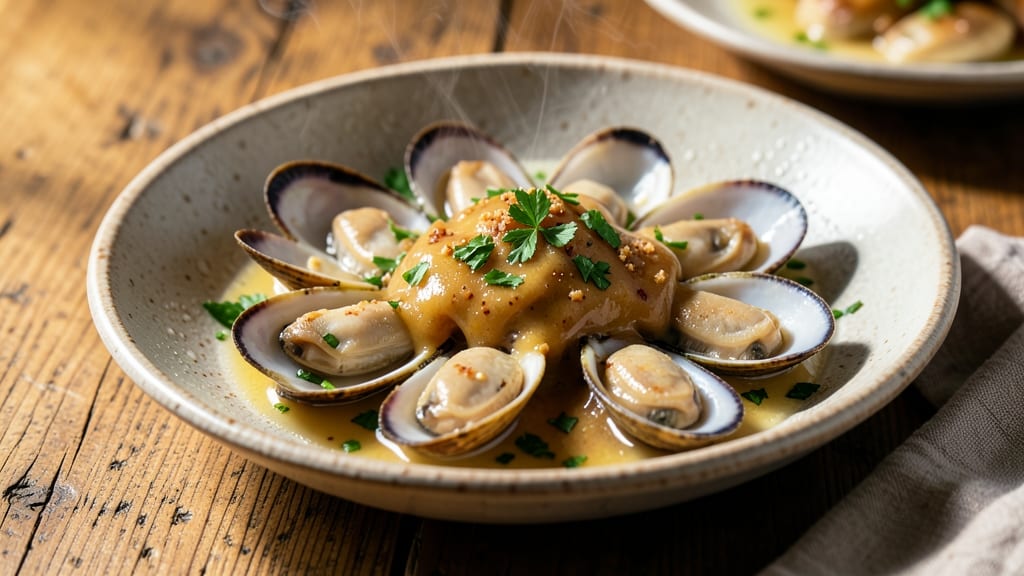
This clam sauce recipe transforms fresh clams into a velvety, briny-sweet sauce that adds depth to any dish. The secret lies in carefully reducing clam juice with aromatics and cream, creating a balance of sweetness and umami that's impossible to resist.
I developed this version after years of refining restaurant-style techniques at home—no shortcuts, just pure flavor development.
The process begins with steaming fresh clams until they open naturally, then extracting their precious juice. This liquid forms the foundation of our sauce, which we'll build by simmering with shallots, garlic, and white wine before finishing with heavy cream.
The result is a sauce that's rich enough for pasta, elegant enough for seafood, and versatile enough for countless applications.
What makes this sauce truly special is its ability to elevate simple ingredients. The clam juice carries natural sweetness that caramelizes beautifully during reduction, while the cream adds luxurious body without overpowering the seafood flavor.
Each spoonful delivers that perfect balance of briny, sweet, and savory notes that define coastal cuisine.
This sauce keeps well for up to 5 days in the refrigerator, making it perfect for meal prep. Use it as a pasta sauce, drizzle over grilled fish, or serve with crusty bread to soak up every last drop.
The possibilities are endless—let's create this flavorful foundation for your next seafood feast.
Ingredients for clam sauce recipe fresh clams
Fresh clams and aromatic shallots build this velvety sauce with briny-sweet depth.
| Ingredient | Amount | Notes |
|---|---|---|
| Fresh Clams 🦪 | 1 ½ lb | Steamed until opened, juice reserved |
| Shallots 🧅 | ½ cup | Finely minced for sweetness |
| Garlic Cloves 🧄 | 4 cloves | Minced for aromatic depth |
| Dry White Wine 🍷 | ½ cup | Sauvignon Blanc preferred |
| Heavy Cream 🥛 | 1 cup | Full-fat for richness |
| Unsalted Butter 🧈 | 2 tbsp | Cold, cut into pieces |
| Fresh Lemon Juice 🍋 | 1 tbsp | Brightens the sauce |
| Salt 🧂 | ½ tsp | Diamond Crystal preferred |
| Fresh Parsley 🌿 | ¼ cup | Chopped for garnish |
| Extra-Virgin Olive Oil 🫒 | 1 tbsp | For finishing drizzle |
The clams are everything here—look for fresh, live clams at seafood counters or well-stocked grocery stores like Whole Foods or Trader Joe's. They should smell clean and close tightly when tapped. If you can't find them fresh, canned clams work in a pinch, but the flavor won't be as vibrant. Shallots are sweeter than onions, so don't swap them for regular onions unless you're willing to add extra sugar. The white wine should be dry—Sauvignon Blanc or Pinot Grigio are classic choices that won't overpower the clam flavor.
No white wine? Substitute with clam juice or dry vermouth—both add depth without sweetness. Fresh parsley is ideal for garnish, but dried parsley at half the amount works if you're in a hurry. The heavy cream adds luxurious body, so never use light cream—it won't emulsify properly. For a lighter version, you can substitute with half-and-half and a splash of cream cheese, but the texture will be slightly different. If you're making this ahead, reserve some clam juice to thin the sauce later—it keeps beautifully in the fridge.
This sauce tastes even better the next day as flavors meld. Store it in an airtight container in the fridge for up to 5 days. If it thickens too much, whisk in a splash of clam juice or warm water to reach your desired consistency. For freezing, portion into ice cube trays—each cube is perfect for finishing dishes later. The sauce reheats beautifully, so it's ideal for meal prep. Just give it a quick stir on low heat before serving.
Why You'll Love This Recipe
- One-Pot Magic: I swear by this recipe—just toss everything in one pan, and the wine and cream do all the heavy lifting. No chopping mountains of veggies or fussing with multiple sauces; the shallots and garlic caramelize right into that velvety sauce while you steam the clams.
- Wine-Infused Luxury: That splash of dry white wine? It’s the secret weapon—brightens the cream so it’s rich but not heavy, and the garlic? Oh, it’s there in the best way, like a hug from a coastal grandma. The clams soak up the flavor like sponges, making every bite taste like a seaside feast.
- Date Night or Lazy Night: Between us, this sauce is my go-to for both impressing someone and not actually trying. Pour it over grilled bread for a fancy charcuterie board, or dump it on linguine when you’re too tired to care about presentation. (Yes, even on a Tuesday night.)
- Leftovers That Don’t Suck: Honestly, I usually make double because the sauce thickens beautifully when reheated—perfect for tossing with pasta the next day or drizzling over roasted potatoes. And since clams are seasonal (and sometimes pricey), stretching the recipe means you’re not scrambling for another seafood night.
Step-by-step instructions for clam sauce with fresh clams
This sauce delivers restaurant-quality depth with just a few key techniques—let's make it together.
Steam the Clams and Reserve Their Juice
Place the 1.5 lb fresh clams in a large pot and cover with cold water. Add the 0.5 tsp salt and bring to a boil over medium-high heat. Once boiling vigorously, reduce to medium heat and steam for 5-7 minutes until all clams open—discard any that remain closed.
Carefully remove the clams with tongs and set aside. Strain the clam juice through a fine-mesh sieve into a measuring cup—you should have about 1 cup of briny, flavorful liquid. This juice is the secret to the sauce's depth, so don't skip straining it. The clams can be shelled now or set aside for another use.
Sauté Shallots and Garlic Until Golden
In a large skillet, melt the 2 tbsp unsalted butter over medium heat until foaming. Add the 0.5 cup finely minced shallots and cook for 5-6 minutes, stirring occasionally, until softened and just beginning to turn golden. Add the 4 cloves minced garlic and cook for an additional 30 seconds until fragrant.
Here's the thing—don't let the garlic burn. You'll know it's ready when the pan smells intensely aromatic and the shallots have caramelized slightly at the edges. This step builds the sauce's sweet, savory foundation. If the pan starts to smoke, reduce the heat slightly.
Deglaze with Wine and Reduce
Pour in the 0.5 cup dry white wine and scrape up any browned bits from the bottom of the pan with a wooden spoon. This deglazing step captures all the flavor you've built so far. Let the wine simmer for 3-4 minutes until reduced by half, until the liquid coats the back of a spoon.
The wine should smell rich and slightly concentrated. If it reduces too quickly, lower the heat to maintain a gentle simmer. This reduction step is crucial—it balances the acidity and intensifies the flavors before adding the cream.
Build the Sauce with Cream and Clam Juice
Reduce heat to low and stir in the 1 cup heavy cream and the 1 cup reserved clam juice. Simmer gently for 5-6 minutes, stirring occasionally, until the sauce thickens slightly but remains silky. Add the 1 tbsp fresh lemon juice and taste—adjust the 0.5 tsp salt if needed.
Real talk: the sauce should be velvety with just a hint of clam brininess cutting through the cream's richness. If it's too thick, whisk in 1-2 tablespoons of water or clam juice to reach your desired consistency. Keep the heat low to prevent curdling.
Finish and Serve with Fresh Parsley
Remove the sauce from heat and stir in the 1 tbsp extra-virgin olive oil. This final drizzle adds a luxurious finish and helps emulsify the sauce. Ladle the sauce over your choice of pasta, grilled fish, or crusty bread, and garnish with the 0.25 cup chopped fresh parsley.
Each bite should deliver a perfect balance of creamy richness, briny depth, and bright acidity. The sauce works best served immediately, but if you need to reheat, do so over low heat and stir constantly to prevent separation. This clam sauce transforms simple dishes into something truly special.
Pro Tips For Making Clam Sauce Recipe Fresh Clams
- STEAM THE CLAMS FIRST: I learned this the hard way—skipping the steaming step means your sauce will fight with raw clam flavor instead of melting into it. Drop them in a pot with just water, a pinch of salt, and a splash of wine for 5-7 minutes until they open, then strain and reserve the liquid. That briny broth is the backbone of your sauce.
- MINCE THOSE SHALLOTS: After burning three batches of shallots in butter, I finally figured out: fine mincing is non-negotiable. Use a knife, not a food processor—you want them nearly paste-like, not chunky. If you’re impatient like me, pulse them in a food chopper but finish with a quick knife pass to break up any clumps. Trust me, your sauce will taste like it came from a seafood restaurant.
- DEGLLAZE AGGRESSIVELY: Don’t just splash wine into the pan and stir—scrape the bottom like you’re trying to win a bet. Use a wooden spoon or silicone spatula to loosen every last bit of browned garlic and shallot bits, then let it reduce by half before adding cream. This isn’t the prettiest method, but it’s the tastiest—those bits pack flavor.
- TEMPER THE CREAM: Sounds weird, but it works: warm the heavy cream slightly (just until it’s lukewarm to the touch) before stirring it into the wine reduction. Cold cream shocks the sauce and can make it seize up. I skip this when I’m lazy, but the sauce is noticeably smoother and richer when I don’t. (Your future self will thank you.)
Regional styles of these flavors
New England Clam Sauce
In coastal New England, this sauce is a staple at seafood shacks and lobster rolls. The key difference? A touch of dry vermouth replaces some of the white wine, adding herbal depth that complements the clams perfectly.
I like using Sauternes wine for a subtle sweetness—just 1 tbsp—to balance the brininess. Serve it over steamed clams on the half shell or drizzled over New England clam chowder for a true regional experience. 🦪
Italian-Style Clam Sauce
Southern Italy transforms this sauce into a sugo for linguine or spaghetti. Here, garlic and chili flakes take center stage—add 1 tsp red pepper flakes when sautéing the shallots for heat. Finish with 1 tbsp tomato paste and a splash of dry Marsala wine instead of white wine.
The Italians also love to add anchovy fillets (2-3, dissolved in the wine) for umami bomb. Garnish with basil instead of parsley for that classic Italian touch.
French Bisque-Inspired Clam Sauce
For a refined French approach, turn this into a bisque-like sauce by blending ½ cup of the cooked clams (reserve some for garnish) with the finished sauce. Add 1 tsp cornstarch mixed with 1 tbsp cold water to thicken it slightly before serving.
The French also love to finish with a pinch of saffron steeped in 2 tbsp warm water—just ¼ tsp adds luxurious aroma. Serve with crusty baguette slices or seared scallops on top.
Caribbean-Inspired Clam Sauce
Bring the tropics to your sauce with a Caribbean twist. Add 1 tbsp lime juice (instead of lemon) and 1 tsp grated ginger when sautéing the shallots. Finish with ½ cup coconut milk instead of heavy cream for a lighter, tropical flavor.
A pinch of allspice and thyme gives it that island vibe. This version pairs perfectly with grilled mahi-mahi or conch fritters for a beachy dinner.
Spicy Cajun Clam Sauce
For a Louisiana-inspired kick, add 1 tsp Cajun seasoning (like Tony Chachere's) when sautéing the shallots. Deglaze with 2 tbsp hot sauce (like Crystal or Tabasco) instead of wine, and finish with ½ cup chicken stock instead of clam juice.
Top with green onions and a dash of filé powder (just ½ tsp) for that signature Cajun texture. This sauce is a game-changer over shrimp and grits or blackened catfish. 🌶️
Japanese-Inspired Clam Sauce
For an Asian fusion, replace the white wine with 2 tbsp mirin and 1 tbsp soy sauce, then finish with 1 tsp grated ginger and 1 tsp sesame oil. Add 1 tsp grated daikon radish for a fresh crunch.
Serve this lighter, umami-rich sauce over sushi rice, udon noodles, or grilled salmon. Garnish with toasted sesame seeds and thinly sliced scallions for a beautiful presentation.
Nutrition facts
Frequently asked questions
Can I substitute canned clams for fresh?
You can use canned clams in a pinch, but fresh delivers the best flavor. For the recipe, use 1 (14.5 oz) can of chopped clams (including juice) instead of 1.5 lb fresh. Drain the clams but reserve 1 cup of the juice to maintain the sauce's depth. The texture will be slightly less velvety, but still delicious.
Why did my clam sauce separate?
Sauce separation usually happens from overheating or too much agitation. To fix it, whisk in 1 tbsp cold butter or 1 tsp cornstarch mixed with 1 tbsp water while stirring constantly over low heat. For prevention, always cook on low-medium heat and avoid vigorous stirring when adding cream. The olive oil at the end helps stabilize the emulsion too.
How can I make this sauce spicier? Add heat by incorporating ½ tsp red pepper flakes when sautéing shallots, or finish with 1 tbsp hot sauce (like Tabasco). For a smoky kick, add ½ tsp smoked paprika with the garlic.
Can I make this sauce ahead of time?
This sauce actually tastes better the next day as flavors meld. Store in an airtight container in the fridge for up to 5 days. Reheat gently over low heat, stirring constantly. If it thickens too much, whisk in 1-2 tbsp clam juice or water to reach your desired consistency.
What's the best way to use leftover clams?
Shell the cooked clams and use them in clam chowder, clam dip, or clam fritters. For extra flavor, chop them finely and stir into the sauce at the end. You can also chop them and mix with mayo, lemon juice, and breadcrumbs for clam-stuffed mushrooms or clam-topped flatbread.