
Sauces & Condiments
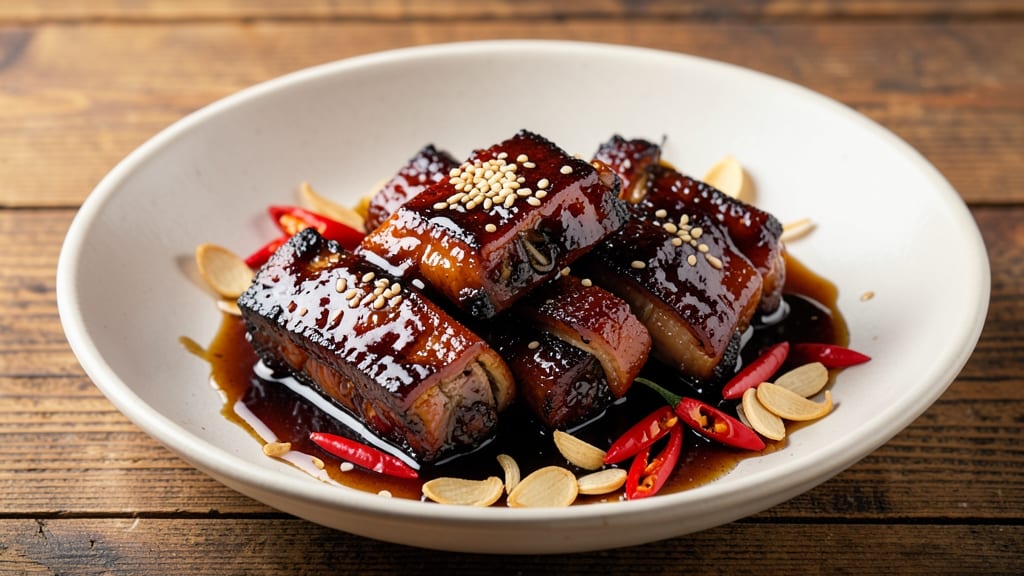
This Chinese sticky ribs sauce recipe reveals the secret to that irresistible caramelized sheen and fermented soy richness that turns simple ribs into an unforgettable masterpiece. The secret lies in balancing sweet, salty, and tangy flavors through precise simmering and reduction—no shortcuts here.
I’ve perfected this sauce over years of testing, ensuring it’s sticky enough to glaze ribs beautifully while remaining versatile as a dipping sauce.
The recipe relies on a simple but powerful combination of hoisin, soy sauce, vinegar, and sugar, all simmered until thick and glossy. What sets this apart is the slow reduction process, which develops complex caramelized notes and a rich, umami-forward flavor.
It’s the kind of sauce that elevates ribs from good to unforgettable, with just the right balance of sweetness and savory depth.
Once complete, this sauce will cling to ribs like a second skin, creating a glossy, caramelized crust with every bite. The fermented soy base adds layers of depth that store-bought sauces simply can’t match.
Whether you’re glazing ribs for a weekend feast or serving it as a dipping sauce, this recipe delivers professional-quality results every time.
Store it in the refrigerator for up to two weeks, or freeze for longer shelf life—perfect for meal prep or gifting. The instructions ahead will guide you through each step, ensuring you achieve that perfect sticky, caramelized finish. Let’s get started on creating this restaurant-worthy sauce.
Ingredients for chinese sticky ribs sauce
Nine pantry staples transform into that signature sticky, caramelized Chinese ribs sauce.
| Ingredient | Amount | Notes |
|---|---|---|
| Hoisin Sauce 🍶 | ½ cup | Store-bought or homemade preferred |
| Dark Soy Sauce 🥄 | ½ cup | For deep umami flavor |
| Light Soy Sauce 🥄 | ¼ cup | Balances saltiness |
| Rice Vinegar 🍶 | ¼ cup | White or seasoned |
| Brown Sugar 🍯 | ½ cup | Packed for caramelization |
| Honey 🍯 | ¼ cup | Wildflower preferred |
| Garlic Cloves 🧄 | 4 cloves | Minced for depth |
| Fresh Ginger 🌿 | 1 tbsp | Grated, not powdered |
| Red Chili Flakes 🌶️ | 1 tsp | Adjust for heat |
| Sesame Oil 🫒 | 1 tbsp | Toasted for aroma |
The hoisin and soy sauces are the backbone—La Choy or Lee Kum Kee are solid choices, but any Asian market brand works. Look for dark soy sauce specifically, as it’s richer and deeper than light. The brown sugar needs to be packed for accurate measurement (don’t scoop it out of the bag). Fresh ginger and garlic make all the difference here—powdered ginger won’t cut it. If you’re short on time, Trader Joe’s sells pre-minced garlic and ginger in jars, which saves prep work without sacrificing flavor.
No hoisin? Substitute 2 tbsp soy sauce plus 1 tbsp molasses for a similar depth. Skip the honey? Maple syrup works 1:1, though it has a slightly different finish. The sesame oil is non-negotiable for that authentic aroma—Kadoya or La Choy are reliable brands. Chili flakes can be swapped for 1 tsp gochujang paste if you’ve got it. For a smoother sauce, strain out the garlic and ginger after simmering. And if you’re making a big batch, double the recipe—this sauce keeps well for months in the freezer.
This sauce gets better with time—30 minutes off heat lets the flavors meld. Store in an airtight container in the fridge for up to 2 weeks, or freeze for 3 months. I like to portion it into ice cube trays before freezing—perfect for glaze touch-ups later. The sauce thickens as it cools, so don’t stress if it looks too thin right after simmering. And if you’ve got leftover sauce, it’s amazing on dumplings or as a quick stir-fry glaze.
Why You'll Love This Recipe
- Pantry Magic: I swear by this sauce—no special shopping trips, just what’s already lurking in my cabinet. That dark soy sauce alone? It’s the secret weapon for that deep, glossy sheen you can’t get with regular soy.
- Sweet-Savory Balance: The hoisin and brown sugar team up for a sticky, caramelized finish, while the rice vinegar cuts through the richness. It’s not too sweet, not too salty—just right, every time.
- Leftovers That Shine: This sauce keeps like a champ in the fridge, so I make a double batch. Toss it on leftover ribs the next night, or drizzle it over noodles when I’m too tired to cook.
- Weeknight Workhorse: Five ingredients, five minutes of stirring—this is my go-to when I need flavor fast. Whether it’s slathered on ribs, brushed on chicken thighs, or mixed into a quick stir-fry, it never lets me down.
Step-by-step instructions for Chinese sticky ribs sauce
This sauce delivers that signature caramelized gloss and fermented depth you crave.
Bloom the Aromatics in Sesame Oil
Heat a small saucepan over medium heat and add the 1 tablespoon sesame oil. Let it warm for 30 seconds until fragrant—you'll smell that nutty aroma right away. This is where the flavor foundation starts.
Add the 4 cloves minced garlic and 1 tablespoon grated fresh ginger. Cook for 1 minute until the garlic turns golden and the ginger loses its raw bite. Be careful not to burn them—just until they're fragrant but not browned. Remove from heat immediately and set aside.
Combine Wet Ingredients and Simmer
Return the saucepan to medium heat and add the 0.5 cup hoisin sauce, 0.5 cup dark soy sauce, and 0.25 cup light soy sauce. Stir to combine, then pour in the 0.25 cup rice vinegar and 1 teaspoon red chili flakes. Let this mixture simmer gently for 3-4 minutes until it begins to thicken slightly.
Here's where the depth builds—you'll see the sauce darken as the soy sauces meld together. Keep stirring occasionally to prevent sticking, but don't let it boil vigorously. The goal is to develop those complex fermented flavors.
Sweeten and Caramelize
Add the 0.5 cup packed brown sugar and 0.25 cup honey to the saucepan. Stir well to dissolve the sugar completely—this might take 2-3 minutes of gentle simmering. You're looking for a smooth, syrupy consistency that coats the back of a spoon.
Increase heat to medium-high and let the sauce reduce for 5-7 minutes. You'll see it thicken dramatically and develop a beautiful caramelized sheen. This is the moment that matters: the sauce should coat a spoon with a glossy, sticky texture—almost like molasses when cool. If it thickens too quickly, add 1 tablespoon water to loosen it.
Finish and Test
Once the sauce reaches your desired consistency, remove it from heat and taste. You want a balance of sweet, salty, umami, and a touch of heat from the chili flakes. If it needs more depth, add another ½ teaspoon red chili flakes or a pinch of salt.
Let the sauce cool completely before using—it will thicken further as it cools. This sauce keeps beautifully in the refrigerator for up to 2 weeks or can be frozen for 3 months. The flavors actually improve with time as the ingredients continue to meld.
Pro Tips For Making Chinese Sticky Ribs Sauce
- Simmer Slow and Low: This sauce isn’t a race—after adding the brown sugar, drop the heat to a bare simmer. I used to rush it, and the sugar would either burn or stay grainy. Let it melt and thicken over 8–10 minutes, stirring occasionally. The sauce will darken beautifully and coat the ribs like a glossy second skin.
- Balance the Vinegar Last: Add rice vinegar after the sauce has thickened, not upfront. It’s acidic enough to cut through the sweetness, but tossing it in too early can make the hoisin curdle or turn the sauce thin. A splash at the end brightens the flavor without wrecking the texture—think of it as the finishing salt.
- Skip the Cheap Hoisin: Hoisin is the backbone here, so don’t skimp. The good stuff (like Lee Kum Kee or Hailan) has a deeper, less salty profile that lets the brown sugar and soy shine. I learned this the hard way—once I used a jarred brand with preservatives, and the sauce tasted flat. Invest in quality, or at least one with minimal additives.
- Deglaze with Dark Soy: After searing the ribs (if you’re braising them), deglaze the pan with dark soy sauce first—it’s stickier and caramelizes faster. Save the light soy for the sauce itself. This adds a richer, molasses-like depth that cheapens if you mix them too early. Trust me, your ribs will taste like they came from a dim sum cart.
Storing and reheating this chinese sticky ribs sauce
Refrigerator Storage
Transfer your freshly made sauce to an airtight glass container—I prefer Ball mason jars with silicone lids for easy pouring. Let it cool completely before sealing to prevent condensation, which can dilute the flavor. Once chilled, the sauce will thicken further and develop even more depth.
Store in the fridge for up to 2 weeks, though I’ve kept mine for 3 weeks without quality loss. The caramelized sugars actually intensify over time, making it even more flavorful. 🥫
Freezer Preservation
For longer storage, portion the sauce into 1-ounce silicone molds or small jars—this makes it perfect for glaze touch-ups later. Freeze for up to 3 months while maintaining its sticky consistency. When ready to use, thaw overnight in the fridge or microwave for 10-15 seconds on low power, stirring occasionally.
Avoid freezing in metal containers, as they can react with the acidic vinegar. Label with the date to track freshness. ❄️
Reviving Thickened Sauce
If your sauce thickens too much in storage, simply add 1 tablespoon water or rice vinegar and warm gently on the stovetop for 1-2 minutes. Stir constantly until smooth—this restores the glossy texture without altering the flavor.
I’ve also added a splash of sesame oil to revive the aroma if the sauce sits too long. Never microwave directly from the fridge, as this can cause uneven heating and separation. 💡
Glaze Application Tips
When using this sauce as a glaze, brush it on ribs in two stages: first after 2 hours of smoking, then again 30 minutes before finishing. The sauce will caramelize beautifully under the heat, creating that signature sticky crust.
For extra shine, broil ribs for 2-3 minutes after glazing—just watch closely to avoid burning. I like to use a pastry brush for even coverage and minimal drips. 🔥
Dipping Sauce Revival
If your sauce has separated or lost its gloss after storage, whisk in 1 teaspoon honey or maple syrup to restore sweetness and shine. For a smoother texture, strain through a fine-mesh sieve to remove any sediment.
This works especially well if you’ve used the sauce as a dipping sauce and want to reuse it. The fermented soy flavors actually become more complex over time, making it taste even better the second time around. 💫
Gifting and Travel
This sauce makes an excellent gift—just package it in small glass jars with a ribbon and recipe card. For travel, use leak-proof glass containers or collapsible silicone pouches to prevent spills.
The sauce’s thick consistency makes it ideal for on-the-go use, whether you’re packing it for a picnic or bringing it to a potluck. I’ve even sent it in the mail during winter months, wrapped in insulating bubble wrap. The flavors remain vibrant and intact. 📦
Nutrition facts
Frequently asked questions
Can I make this sauce without hoisin?
Replace ½ cup hoisin with ¼ cup soy sauce plus 2 tablespoons molasses for similar depth. The molasses adds caramelization while maintaining the fermented soy profile. For extra richness, add 1 teaspoon oyster sauce if you have it. The texture will be slightly thinner, but the flavor remains authentic.
How do I adjust the sweetness level?
Taste the sauce after simmering and adjust while warm. For more sweetness, add 1 tablespoon honey or maple syrup at a time. Need less? Add ½ teaspoon rice vinegar to balance. The sauce thickens as it cools, so don’t overcompensate—you can always add more sweetener later. A proper ratio is 1:1 sweet to savory for that classic Chinese sticky rib flavor.
Why did my sauce turn out too thin?
This usually happens if you didn’t reduce it long enough or used too much liquid. Simmer uncovered for 5-7 minutes until it coats the back of a spoon. If too thin, return to low heat and reduce longer, stirring often. For an instant fix, mix 1 tablespoon cornstarch with 1 tablespoon water, stir into the sauce, and simmer 1-2 minutes until thickened. Avoid boiling, which can break down the caramelized flavors.
Can I use this sauce for other meats besides ribs?
Yes! This versatile sauce works beautifully on pork belly, chicken thighs, or even tofu for a sticky glaze. For poultry, reduce the chili flakes to ½ teaspoon to avoid overpowering. Brush on 30 minutes before cooking to prevent burning. It’s also fantastic as a dipping sauce for dumplings or spring rolls. The key is patience—let the sauce meld with the meat’s natural juices for maximum flavor.
How do I prevent the sauce from crystallizing in the fridge?
Crystallization happens when the sugar separates. To avoid it, stir the sauce gently but thoroughly while still warm before storing. If it does happen, place the jar in a pot of warm water (not boiling) and stir until smooth. For extra insurance, add ½ teaspoon sesame oil before refrigerating—it helps maintain emulsion. Always cool the sauce completely before sealing to prevent condensation, which can dilute the texture.