
Sauces & Condiments
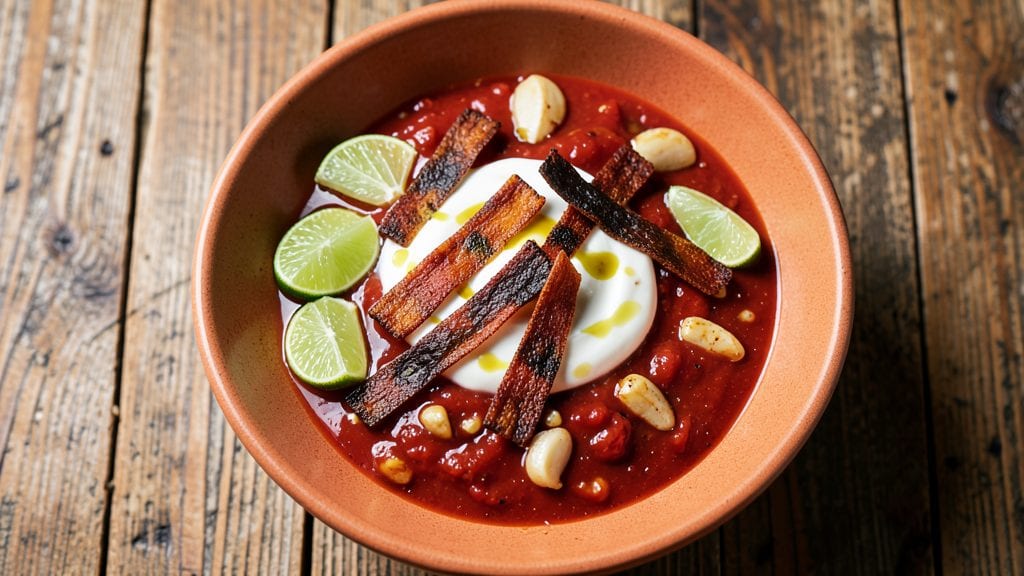
This Chili's ancho salmon sauce recipe unlocks the restaurant-quality smoky chipotle creaminess that makes grilled salmon unforgettable. The secret lies in balancing dried ancho chilis, tomatoes, and garlic with just the right acidity to complement the rich, smoky depth.
I developed this after years of experimenting with different chili blends—this version stays true to the original while being foolproof at home.
The sauce builds flavor through slow simmering, where the ancho chilis infuse their deep, earthy notes into the tomato base. A touch of cream and lime juice at the end creates that signature velvety texture with bright acidity that cuts through the richness.
The result is a sauce that's bold enough to stand up to perfectly grilled salmon but smooth enough to coat every bite.
What makes this sauce truly special is its versatility—it works equally well with shrimp, chicken, or even as a dipping sauce for tortilla chips. The smoky chipotle flavor develops as it simmers, while the cream adds luxurious body without overpowering the dish.
Once you taste this homemade version, you'll never settle for store-bought again.
Ready in just 30 minutes, this sauce requires minimal effort but delivers restaurant-quality results every time. The key is patience during simmering and balancing the heat with acidity. Let's get started—your next salmon dinner is about to become the star of the meal.
Ingredients for chili's ancho salmon sauce
Nine simple ingredients unlock the smoky chipotle magic behind Chili's signature salmon sauce.
| Ingredient | Amount | Notes |
|---|---|---|
| Dried Ancho Chilies 🌶️ | 2 whole | Stems and seeds removed |
| Canned San Marzano Tomatoes 🍅 | 1 can | 28 oz, crushed by hand |
| Garlic Cloves 🧄 | 3 cloves | Peeled, roughly chopped |
| Extra-Virgin Olive Oil 🫒 | ½ cup | High quality, fruity |
| Heavy Cream 🥛 | ½ cup | Full-fat for richness |
| Fresh Lime Juice 🍋 | 2 tbsp | Freshly squeezed |
| Salt 🧂 | ½ tsp | Diamond Crystal preferred |
| Ground Black Pepper 🌶️ | ¼ tsp | Freshly ground |
| Granulated Sugar 🍬 | 1 tsp | Balances acidity |
| Fresh Cilantro 🌿 | ¼ cup | Chopped, for garnish |
The ancho chilies are the heart of this sauce—look for dried, not canned—they should be deep red with no dark spots. Penzeys Spices or bulk bins at natural markets are your best bet for quality. If you can't find ancho, guajillo or pasilla chilis work in a pinch, but they'll give a slightly different flavor. Toast the chilies for 30 seconds in a dry pan first—this deepens their smoky aroma. The San Marzano tomatoes are non-negotiable here; their natural sweetness balances the heat perfectly. Trader Joe's or Whole Foods carry them year-round, and they're worth the splurge for this sauce.
No ancho chilies? Substitute 1 tsp smoked paprika plus 1/2 tsp cayenne—it won't be identical, but it'll get you close. Heavy cream can be swapped for Greek yogurt or coconut milk if you're avoiding dairy, though the texture will be slightly lighter. The lime juice is crucial—Mexican Key limes add extra tang, but regular limes work fine. Short on cilantro? Fresh parsley or basil works for garnish, though it'll change the flavor profile. The sugar might seem odd, but it's there to balance the acidity from the tomatoes and lime—don't skip it, even if you're not sweet-toothed.
This sauce tastes even better the next day as the flavors meld. Store it in an airtight container in the fridge for up to 5 days, or freeze portions for 3 months. I like to make a double batch—one for salmon night, one to freeze for lazy weeknights. The sauce thickens as it cools, so add a splash of water or milk when reheating. Garnish with fresh cilantro right before serving—it wilts fast, so don't add it too early.
Why You'll Love This Recipe
- One-Pot Magic: I swear by this—just chiles, tomatoes, and garlic simmering in olive oil until the house smells like a Mexican cantina. No blender, no straining, just a single pot that transforms into something rich and velvety.
- Smoky Creamy Balance: That ancho chile gives it depth—earthy, slightly sweet—while the heavy cream smooths it into something luxurious. It’s the kind of sauce that makes you pause mid-bite, like, "Wait, why didn’t I think of this sooner?"
- Weeknight to Weekend: Slap it on grilled salmon for a fancy dinner, drizzle it over pasta when you’re too tired to think, or even toss it with roasted veggies for a crowd. Honestly, I’ve used it for all three—and no one’s ever questioned my menu planning.
- Leftovers That Lie: Between us, this sauce tastes better the next day. The flavors meld into something even richer, and it freezes like a dream. I make a double batch so I can pull it out for lazy breakfasts or last-minute takeout nights.
Step-by-step instructions for chili's ancho salmon sauce
Here's how to recreate that signature smoky, creamy sauce at home with just 10 simple ingredients.
Toast and Rehydrate the Ancho Chilies
Start by removing stems and seeds from the 2 whole dried ancho chilies. Place them on a dry skillet over medium heat for 30 seconds per side until fragrant and slightly darkened. This toasting step deepens their natural sweetness and removes any bitterness.
Immediately transfer the toasted chilies to a heatproof bowl and pour over ½ cup hot water. Let them steep for 15 minutes while you prepare the rest. The chilies will soften and release their rich, smoky flavor into the water—this is the foundation of your sauce.
Build the Tomato-Garlic Base
In a medium saucepan, combine the strained ancho chile mixture (discard the softened chilies) with the 1 can crushed San Marzano tomatoes. Add the 3 cloves roughly chopped garlic, ½ teaspoon salt, and 1 teaspoon granulated sugar. Bring to a gentle simmer over medium-low heat for 10 minutes, stirring occasionally.
Here's where the magic happens: the tomatoes will break down into a smooth, velvety consistency while absorbing the chile's smoky depth. You'll notice the aroma becoming more complex—earthy, slightly sweet, with a hint of heat. If the mixture looks too thick, add 1-2 tablespoons water to help it blend smoothly later.
Infuse with Olive Oil and Cream
Reduce heat to low and stir in the ½ cup extra-virgin olive oil. Let it simmer gently for 5 minutes to allow the oil to fully incorporate and mellow the acidity. Then add the ½ cup heavy cream and continue simmering for another 5 minutes until the sauce thickens slightly but remains silky.
This is the moment that matters: the cream should blend seamlessly, creating a luxurious texture without curdling. If you see any separation, whisk vigorously for 10 seconds to re-emulsify. The sauce should now have a rich, velvety appearance with a beautiful smoky hue.
Finish with Bright Acid and Fresh Herbs
Remove the pan from heat and stir in the 2 tablespoons fresh lime juice and ¼ teaspoon ground black pepper. Taste and adjust seasoning—you might need a pinch more salt to balance the acidity. Let the sauce sit off heat for 2 minutes to allow the flavors to meld completely.
Just before serving, stir in the ¼ cup chopped fresh cilantro. This adds a bright, herbaceous finish that cuts through the richness. The cilantro should be evenly distributed throughout the sauce, not just floating on top. For the best results, use the sauce immediately while it's still warm and vibrant.
Pro Tips For Making Chili'S Ancho Salmon Sauce
- TOAST THE CHILIES: I learned this the hard way—skip toasting the ancho chilies, and your sauce will taste flat, like someone forgot to wake up. Heat a dry skillet over medium and toast them 30 seconds per side until fragrant. They’ll darken slightly, but don’t burn—just warm them enough to release their depth.
- PULSE THE TOMATOES: Dumping whole San Marzano tomatoes into the pot? You’re missing out. Pulse them 3-4 times in a food processor first—just enough to break them down into rough chunks. This keeps the sauce silky without turning it into a paste, and the texture stays vibrant.
- LOW AND SLOW WITH GARLIC: After burning three batches, I finally figured out garlic’s role here: it needs time. Sauté it in olive oil until just golden—about 2 minutes—then add the tomatoes and chilies. If you rush it, the garlic turns bitter and overpowers the whole dish. Patience pays off.
- WHISK IN THE CREAM: Sounds weird, but it works: off the heat. Heavy cream straight into the simmering sauce? You’ll get curdled lumps. Instead, whisk it in while stirring constantly, and the sauce will emulsify like a dream. If you’re lazy, at least temper it first—warm the cream with a splash of sauce before adding.
Best sauces and condiments for this chili's ancho salmon sauce
Smoky Chipotle Cream Sauce
This sauce is all about that smoky chipotle depth balanced with creamy richness. The ancho chilis provide an earthy, slightly sweet heat that pairs perfectly with the heavy cream and San Marzano tomatoes.
The key is simmering the sauce long enough—15-20 minutes total—to let the flavors meld without burning. I like to taste it at the 10-minute mark to adjust heat or acidity before adding the cream. 🌶️
Acidity Balance
The fresh lime juice is non-negotiable—it brightens the sauce and cuts through the richness. If your tomatoes are extra tangy, reduce to 1 tablespoon lime juice instead of 2. The sugar (yes, really!) helps balance the acidity without making the sauce sweet.
For extra brightness, add a pinch of citric acid (found in baking aisles) if you're sensitive to lime's variability. 🍋
Texture Secrets
The sauce should be silky but not watery—like a cross between a glaze and a creamy dip. If it's too thick after simmering, whisk in 1 tablespoon warm water or milk.
For extra smoothness, strain it through a fine-mesh sieve before serving (though I usually skip this—those little chili flecks add character!). The olive oil prevents curdling and adds a fruity note that rounds out the flavors. 🫒
Heat Adjustments
Ancho chilis are mild compared to other dried peppers, but if you want more heat, add ½ teaspoon cayenne when simmering the tomatoes. For a smokier profile, toast the chilis for 45 seconds per side instead of 30.
If you accidentally overdo the heat, balance it with 1 extra tablespoon lime juice or a pinch of sugar. The sauce should be warm and inviting, not fiery. 🔥
Versatile Pairings
While this sauce was designed for salmon, it shines on grilled shrimp (drizzle over with lemon zest) or blackened chicken. For a vegetarian option, serve it with roasted sweet potatoes or as a dip for tortilla chips.
The smoky notes also work surprisingly well with seared scallops—just reduce the lime to 1 tablespoon to avoid overpowering the delicate seafood. 🍤
Make-Ahead Magic
This sauce tastes even better the next day as the flavors deepen. Store it in an airtight glass container in the fridge for up to 5 days.
For freezing, portion into ice cube trays, then transfer to a freezer bag—this makes it easy to thaw just what you need. When reheating, warm over low heat with 1 tablespoon water to restore its silky texture. Garnish with fresh cilantro right before serving to keep it vibrant. ❄️
Nutrition facts
Frequently asked questions
Can I substitute ancho chilis with other dried peppers?
Yes, but expect a different flavor profile. For a milder heat, use guajillo or pasilla chilis—they're sweeter with less smokiness. Need more heat? Try ½ teaspoon cayenne or 1 chipotle pepper in adobo (remove seeds). Toast your substitute for 30 seconds to enhance flavor. The sauce will still work, but the smoky depth will change.
Why does my sauce look curdled after adding cream?
This happens when the sauce is too acidic or hot. Reduce heat to low before adding cream, then whisk constantly for 10 seconds to re-emulsify. If it separates, stir in 1 teaspoon cornstarch mixed with 1 tablespoon cold water and simmer for 1 minute. The sauce should smooth out completely. Never boil the cream—it breaks down proteins and causes curdling.
How can I make this sauce spicier without overpowering it?
Add ¼ teaspoon ground chipotle powder or 1-2 drops of liquid smoke when simmering the tomatoes. For heat control, start with less and taste before adding cream. The lime juice will naturally balance any extra heat. If it's too strong, stir in ½ teaspoon sugar or 1 extra tablespoon lime juice to mellow the flavor.
Can I use this sauce on non-seafood dishes?
It pairs beautifully with grilled chicken, blackened shrimp, or even as a dip for tortilla chips. For vegetarian options, drizzle over roasted sweet potatoes or portobello mushrooms. Reduce lime to 1 tablespoon when using with delicate proteins like scallops to avoid overpowering. The smoky depth works surprisingly well with seared steak too!
What's the best way to reheat leftover sauce?
Gently warm over low heat with 1 tablespoon water or milk to restore its silky texture. Avoid microwaving—it can make the sauce grainy. If it thickens too much, whisk in ½ teaspoon cornstarch mixed with 1 tablespoon cold water. Always add fresh cilantro just before serving to keep it vibrant. The sauce tastes even better reheated as flavors meld further.