
Sauces & Condiments
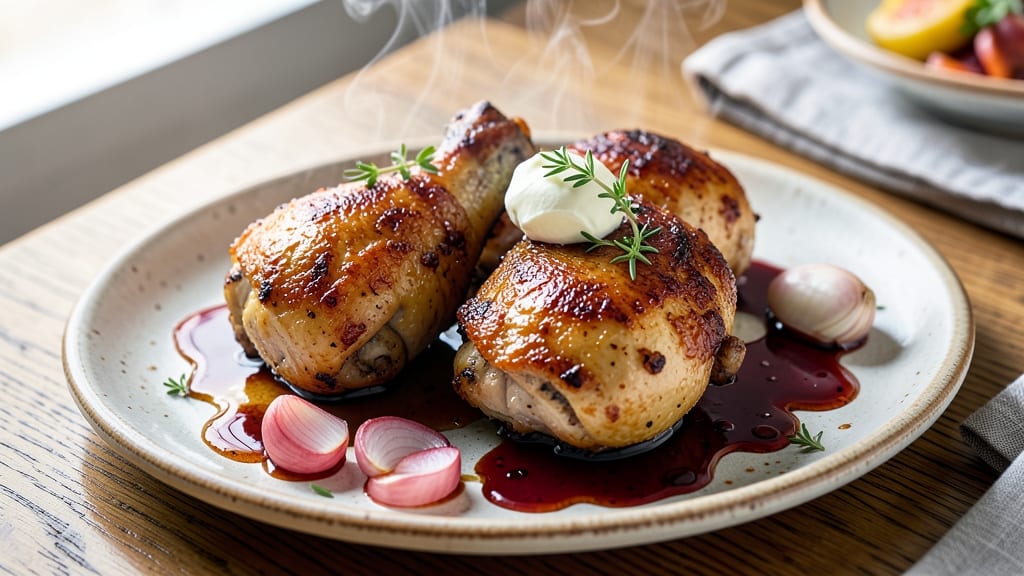
Chicken with sherry wine sauce transforms simple chicken into a restaurant-worthy dish with just 10 minutes of prep and 30 minutes of simmering. The key lies in the sauce—sherry's earthy depth and subtle sweetness meld with rich chicken juices, creating a velvety finish that elevates every bite. This technique works with thighs or breasts, delivering tender meat and a sauce so flavorful it tastes like it's been simmering for hours.
The process begins with searing the chicken to lock in juices, then braising it in a fragrant mix of aromatics and sherry wine. As the sauce reduces, it thickens into a glossy, aromatic coating that clings to the chicken and absorbs perfectly into rice or crusty bread.
The result is a dish that feels indulgent yet remains approachable for weeknight dinners.
What makes this recipe stand out is its balance—sherry's acidity cuts through the richness of the chicken, while herbs and butter add layers of complexity. The sauce's depth comes from proper reduction, where alcohol evaporates and flavors concentrate.
Serve with steamed jasmine rice or roasted green beans to highlight the dish's elegant simplicity.
This method works equally well for special occasions or casual meals, making it versatile for any gathering. The sauce freezes beautifully, so you can prepare it ahead and reheat for a quick, impressive dinner. Let's create this dish that marries comfort and sophistication in every bite.
Ingredients for chicken with sherry wine sauce
Sherry wine sauce transforms simple chicken into an elegant, restaurant-worthy dish with just 13 ingredients.
| Ingredient | Amount | Notes |
|---|---|---|
| Chicken Thighs (bone-in, skin-on) 🍗 | 1 ½ lb | Evenly sized for consistent cooking |
| Dry Sherry Wine 🍷 | ½ cup | Medium-bodied, not sweet |
| Shallots 🧅 | 3 whole | Mince finely for sweetness |
| Garlic Cloves 🧄 | 4 cloves | Peeled and smashed |
| Unsalted Butter 🧈 | ½ cup | Cold, cubed for browning |
| Fresh Thyme Leaves 🌿 | ¼ cup | Stems removed |
| Fresh Parsley Leaves 🌿 | 0.2 cup | Chopped for garnish |
| Chicken Stock 💧 | 1 cup | Homemade preferred |
| All-Purpose Flour 🌾 | 1 tbsp | For thickening sauce |
| Olive Oil 🫒 | 2 tbsp | For searing chicken |
| Salt 🧂 | 1 ½ tsp | Kosher or sea salt |
| Black Peppercorns 🌶️ | ½ tsp | Freshly cracked |
| Honey 🍯 | 1 tsp | For balancing acidity |
The sherry wine is the heart of this dish—look for medium-bodied, dry sherry at the liquor store or wine section. La Vieille Taupe or Harveys are reliable choices, but any dry amontillado works. Chicken thighs are ideal for their flavor and tenderness, but breasts work too if you prefer leaner cuts. Bone-in, skin-on thighs stay juicier during braising. Fresh herbs make a difference here: thyme and parsley should smell vibrant, not dried out. If you're using frozen chicken stock, thaw it first and skim off any fat.
No sherry wine? Dry white wine or vermouth can substitute, but reduce the liquid by half since they're less concentrated. Fresh thyme unavailable? Dried thyme at one-third the amount works, but toast it first for better flavor. The butter matters—use unsalted to control seasoning. For a quicker version, swap chicken stock for low-sodium broth. The honey balances the sherry's acidity—substitute maple syrup if needed. Always measure your sherry precisely; overdoing it makes the sauce too thin.
This sauce thickens as it cooks, so don't rush the reduction. Leftovers keep for 4-5 days in the fridge, and the sauce freezes beautifully for up to 3 months. Store chicken separately if reheating—just warm the sauce and toss it in. For extra richness, add a splash of cream when reheating. The dish tastes even better the next day as flavors meld. Portion into containers with rice for easy lunches.
Why You'll Love This Recipe
- Weeknight-Friendly Magic: I swear by this when I’m too tired to fuss—bone-in thighs crisp up while you chop shallots in five minutes. The sherry wine deglazes the pan like it’s meant to, so you’re not stuck scrubbing stuck-on bits.
- Rich Without Effort: That butter-sherry sauce? It’s the kind of depth you’d pay $30 for at a restaurant, but here it’s just garlic, shallots, and a splash of wine reducing down. The skin-on thighs stay juicy while the sauce clings like a hug.
- Leftovers That Shine: I make double batches because reheated chicken in this sauce is even better—crispier edges, richer flavor. Pack it for lunch or freeze portions; it’s the kind of dish that tastes like you put in more work than you did.
- Budget Chef’s Secret: Bone-in thighs stretch my grocery budget without sacrificing flavor, and a single bottle of sherry wine lasts for three batches. Honestly, it’s the most cost-effective fancy-feeling meal I know.
Step-by-step instructions for chicken with sherry wine sauce
Here's how to create a perfectly balanced sherry wine sauce with tender chicken thighs.
Season and Sear the Chicken Thighs
Pat the 1.5 lb chicken thighs (bone-in, skin-on) completely dry with paper towels—this ensures maximum crispiness. Place them skin-side down in a cold skillet and turn the heat to medium. Let them sit undisturbed for 5 minutes until the skin begins to render fat and turn golden.
Flip the thighs and cook for another 5-6 minutes until the skin is deep golden brown and crispy. Remove the chicken from the skillet and set aside on a plate. You should have about 2 tablespoons of rendered fat remaining in the pan—this will form the base of your sauce. If needed, add 1 tablespoon olive oil to help prevent sticking.
Build the Sauce Base with Shallots and Garlic
In the same skillet, reduce the heat to medium-low and add the 3 whole shallots and 4 cloves garlic cloves. Cook for 5-6 minutes, stirring occasionally, until the shallots are soft and translucent and the garlic is fragrant but not browned. The goal is to develop their sweetness without burning them.
Remove the skillet from heat and stir in the 1 tablespoon all-purpose flour. Return to medium heat and whisk continuously for 1-2 minutes until the flour is fully incorporated and the mixture looks like wet sand. This creates a roux that will thicken your sauce beautifully.
Deglaze with Sherry and Simmer the Sauce
Pour in the 0.5 cup dry sherry wine and scrape up any browned bits from the bottom of the pan with a wooden spoon. Return the heat to medium-high and let the wine simmer for 3-4 minutes until reduced by half. This step concentrates the flavors and removes the alcohol.
Add the 0.5 cup unsalted butter, 1 cup chicken stock, 1.5 teaspoons salt, and 0.5 teaspoon black peppercorns to the skillet. Bring to a gentle simmer and let it cook for 5-6 minutes until the sauce has thickened slightly. Stir in the 0.25 cup fresh thyme leaves and 1 teaspoon honey—the honey balances the acidity of the sherry and adds subtle sweetness.
Finish the Chicken and Sauce
Return the chicken thighs to the skillet, skin-side up, and spoon the sauce over them. Cover the skillet and let it simmer gently for 8-10 minutes until the chicken is cooked through and the internal temperature reaches 165°F at the thickest part. The sauce should coat the chicken beautifully and have a velvety texture.
Remove the chicken from the skillet and transfer it to a serving platter. Skim any excess fat from the sauce and stir in the 0.2 cup fresh parsley leaves. Taste and adjust seasoning if needed—you may need a pinch more salt to balance the flavors.
Serve with Perfectly Balanced Sauce
Slice the chicken thighs against the grain for maximum tenderness and arrange them on a platter. Spoon the sherry wine sauce generously over the top and around the chicken. The sauce should be glossy, rich, and perfectly balanced between the wine's acidity, the butter's richness, and the thyme's earthy notes.
Serve immediately with your choice of sides—roasted vegetables, mashed potatoes, or crusty bread to soak up every last drop of that luxurious sauce. The combination of crispy skin, tender meat, and velvety sauce makes this dish unforgettable.
Pro Tips For Making Chicken With Sherry Wine Sauce
- Brown the Skin First: High heat. Seriously, crank it up until the chicken skin turns golden and crispy before touching anything else. I learned this the hard way—skipping this step means your sauce will taste flat, no matter how much sherry you add. The skin renders fat and flavor that becomes the base of your sauce, so don’t rush it.
- Minimize Sherry Waste: Deglaze that pan immediately after removing the chicken with the same sherry you’d use in the recipe. The browned bits stuck to the bottom are pure flavor—let them simmer for 30 seconds to melt into the wine before adding anything else. I used to pour in fresh sherry and wonder why my sauce lacked depth.
- Slice Shallots Thin: No, not chopped—thinly sliced, almost translucent. Thick rings turn mushy and disappear into the sauce, while paper-thin slices caramelize beautifully and add texture. Use a sharp knife or mandoline, and do it before you start cooking. Trust me, your sauce will look and taste like a restaurant dish.
- Finish with Butter Slowly: Swirl in that unsalted butter off the heat and let it melt gradually. Dumping it in hot sauce can turn it greasy—you want it to emulsify with the sherry reduction for a silky finish. I was skeptical until I tried it; now I double-check this every time.
Common mistakes when making perfect results
Overcooking the Chicken
Watch the internal temperature closely—chicken thighs should reach 165°F but no higher. Overcooking dries them out and turns the sauce into a gluey mess. I’ve ruined a perfectly good batch by letting it sit too long in the braising liquid.
Use a meat thermometer for accuracy—insert it into the thickest part of the thigh to avoid false readings. 🌡️
Skipping the Sear
Never skip the initial sear—it’s what builds flavor and locks in juices. If you rush this step, your chicken will be bland and the sauce won’t have that deep, caramelized base.
Let the skin render slowly over medium heat for that golden, crispy texture. Trust me, the extra 10 minutes is worth it.
Using Sweet Sherry
The sauce relies on dry sherry’s balance of acidity and earthiness. Sweet sherry adds cloying sweetness that overpowers the dish. Stick with medium-bodied dry sherry like amontillado. If you’re unsure, taste it first—it should be slightly bitter, not syrupy. A little goes a long way, so measure carefully.
Ignoring the Reduction
Rushing the sauce’s reduction is a common mistake. The alcohol needs time to evaporate and the flavors to concentrate. If you don’t simmer the sherry long enough, the sauce will taste raw and harsh.
Let it reduce by at least half before adding butter and stock. Patience here makes all the difference.
Overthickening the Sauce
Too much flour or too long a simmer turns the sauce into a paste. The goal is a velvety, glossy finish—not a gluey blob. Stir in the flour just until it’s incorporated, then remove the pan from heat immediately.
The sauce will thicken further as it cools, so stop when it’s just slightly thickened, not solid.
Forgetting to Skim Fat
Excess fat in the sauce can make it greasy and unbalanced. After cooking, skim off any surface fat before finishing with parsley. I use a spoon to remove it while the sauce is still hot—this keeps the texture light and the flavors bright.
A quick skim makes a world of difference in the final dish. ✨
Nutrition facts
Frequently asked questions
Can I substitute sherry wine with another type of wine or alcohol?
Yes, but choose carefully! Dry white wine or vermouth work in a pinch, but reduce the liquid by half since they're less concentrated. For a non-alcoholic version, use apple cider vinegar mixed with a splash of chicken stock. Avoid sweet wines—they'll make the sauce cloying. The key is balancing acidity and depth.
How do I make this recipe with chicken breasts instead of thighs?
Chicken breasts work, but they cook faster and stay drier. Pound them to even thickness (about 1-inch) and sear them skin-side down for 4-5 minutes until golden. Remove from pan, then cook the sauce as directed. Add the breasts back in the last 6-8 minutes of cooking, then cover to finish at 165°F. Serve immediately for best texture.
What's the best way to reheat leftovers?
Reheat chicken and sauce separately for best results. Warm the sauce in a saucepan over low heat for 3-4 minutes, stirring occasionally. For chicken, place thighs skin-side down in a cold skillet over medium heat for 3-4 minutes until heated through. The skin will crisp again, and the sauce will cling beautifully. Never microwave—it ruins the texture!
Can I make this sauce ahead of time?
The sauce freezes perfectly for up to 3 months. Cool it completely, then transfer to an airtight container. When ready to use, thaw in the fridge overnight and reheat gently. For freshness, cook the chicken separately and toss it in the reheated sauce just before serving. The flavors actually improve after resting!
What sides pair best with this dish?
This rich sauce pairs beautifully with simple sides that won't overpower it. Try steamed jasmine rice or creamy mashed potatoes to soak up the sauce. Roasted asparagus, green beans, or a crisp baguette also work wonderfully. For a heartier meal, add sautéed mushrooms or a simple salad with a citrus vinaigrette.