
Sauces & Condiments
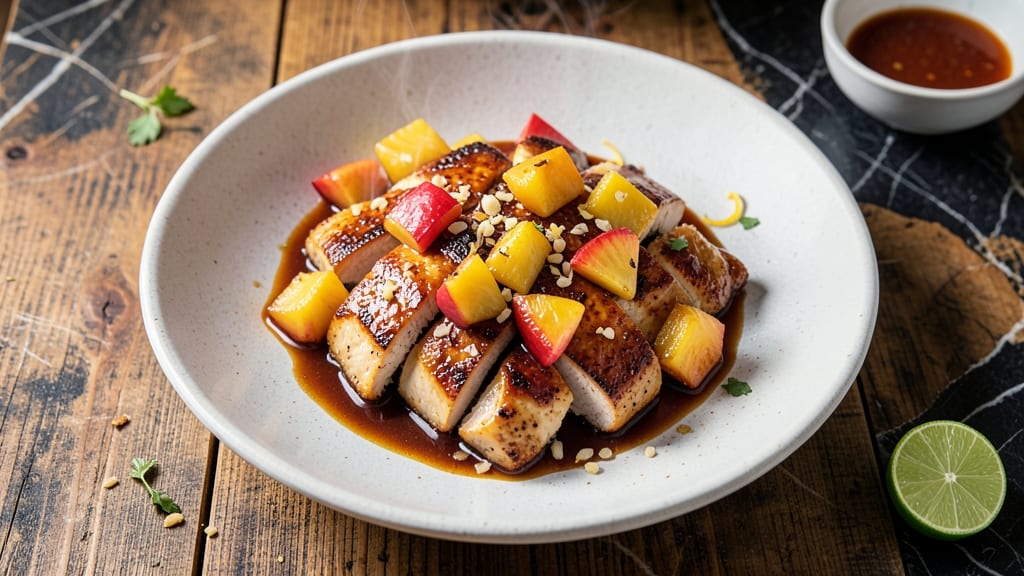
This chicken soy sauce pineapple recipe delivers the perfect balance of sweet and savory in just 20 minutes, transforming simple ingredients into a restaurant-worthy stir-fry.
The secret lies in marinating the chicken in a bold soy-ginger base, then finishing with caramelized pineapple chunks that cut through the richness with bright acidity. I developed this technique after years of perfecting quick weeknight dinners that still feel special—no takeout required.
The magic happens in the sauce: a simple combination of soy sauce, honey, and garlic creates a glossy glaze that clings to the chicken while keeping it tender. Fresh pineapple adds natural sweetness and tenderness, while a touch of red pepper flakes brings just enough heat to balance the flavors.
This isn't your grandmother's sweet-and-sour chicken—it's a modern take with depth and complexity that stands up to any protein.
By the time you're done, you'll have perfectly seared chicken with a glossy soy glaze, caramelized pineapple chunks, and a sauce that's both sweet and savory. The dish is hearty enough to be a main course but light enough to enjoy over rice or noodles.
The aroma alone will have everyone asking what's for dinner—then they'll be back for seconds.
Serve this stir-fry over steamed jasmine rice or with a side of steamed bok choy for a complete meal. The flavors develop even better when reheated, making it perfect for meal prep or leftovers. Let's get cooking!
Ingredients for chicken soy sauce pineapple
Quick grocery run plus your pantry staples—this stir-fry comes together faster than takeout.
| Ingredient | Amount | Notes |
|---|---|---|
| Boneless, Skinless Chicken Breast 🍗 | 1 ½ lb | Cut into 1-inch strips |
| Fresh Pineapple Chunks 🍍 | 1 ½ cups | Fresh or canned (drained) |
| Soy Sauce 🥢 | ½ cup | Low-sodium preferred |
| Honey 🍯 | ¼ cup | For natural sweetness |
| Garlic Cloves 🧄 | 4 cloves | Minced for bold flavor |
| Fresh Ginger 🌿 | 1 tbsp | Grated, fresh preferred |
| Vegetable Oil 🫒 | 2 tbsp | High smoke point |
| Red Pepper Flakes 🌶️ | ½ tsp | Adjust for heat preference |
| Sesame Oil 🫒 | 1 tsp | For aroma (optional) |
| Toasted Sesame Seeds 🌾 | 1 tbsp | For garnish |
| Green Onions 🧅 | 3 whole | Sliced, for garnish |
| Salt 🧂 | ½ tsp | Kosher or sea salt |
| Black Pepper 🌶️ | ¼ tsp | Freshly ground |
| Cooked Jasmine Rice 🍚 | 2 cups | For serving |
The chicken needs to be tender but not dry, so boneless, skinless breasts are ideal—cut them into even strips for consistent cooking. Fresh pineapple is a game-changer (the canned stuff works in a pinch), but if you're using it, grab the kind packed in juice, not syrup. For the soy sauce, Kikkoman or La Choy are my go-tos, but any good-quality brand works. If you're short on time, pre-minced garlic from the jar saves steps, but fresh is always better. Ginger loses potency fast, so buy it fresh and grate it right before using—it makes a huge difference in flavor.
No sesame oil? Toasted sesame oil from Trader Joe's is my favorite, but any brand works. Swap honey for agave if you're avoiding it, though the flavor will be slightly different. Running low on pineapple? Mango chunks add a nice tropical twist. The red pepper flakes are optional, but I always keep them in there for a little kick—start with half a teaspoon and adjust to taste. If you don't have sesame seeds, crushed peanuts give a similar texture. The green onions add freshness, but if you're out, cilantro or basil work too. For the rice, jasmine is perfect, but any long-grain white rice will do.
This dish reheats beautifully—honestly, it tastes even better the next day as the flavors meld. Store leftovers in an airtight container in the fridge for up to 4 days, or freeze for 3 months. I like to portion mine into containers with a little extra sauce so it's ready to grab for lunch. The pineapple can be prepped ahead and stored in the fridge for up to 3 days, but keep the marinade separate until you're ready to cook. The chicken strips cook fast, so have everything prepped and ready to go before you start frying.
Why You'll Love This Recipe
- One-Pan Magic: I swear by this for nights when I don’t want to dirty three pots—just sear the chicken, toss in pineapple chunks (no peeling required if you use fresh), and let the soy-honey glaze do its thing. The garlic cloves get minced in 30 seconds, and boom: dinner’s ready when the chicken hits 165°F.
- Sweet-Savory Balance: That honey-soy glaze? It’s the kind of addictive contrast you’ll keep going back to—bright pineapple cuts through the umami, while the garlic adds this warm, punchy depth. I’ll be real: the first time I tasted it, I immediately texted my mom to make it for her next visit.
- Lunchbox Hero: Between us, this is my go-to for meal prep—chicken stays juicy for days, and pineapple adds that refreshing crunch no sad desk salad ever could. Pack it cold or reheat it gently; either way, it’s the kind of lunch that makes coworkers ask, “What is that? I need the recipe.”
- Budget Bright Spot: Soy sauce and pineapple stretch this dish farther than you’d think—especially when you use chicken breasts instead of pricier cuts. Honestly, it’s the kind of recipe that makes me feel fancy without breaking the bank, and leftovers? They disappear just as fast as the first batch.
Step-by-step instructions for chicken soy sauce pineapple stir-fry
Here's how to create a perfectly balanced stir-fry with tender chicken and sweet-tangy pineapple.
Prep All Ingredients for Even Cooking
Cut the 1.5 lb boneless, skinless chicken breast into 1-inch strips—this ensures even cooking and quick tenderness. Pat the strips dry with paper towels to help them brown properly. In a small bowl, combine the 0.5 cup soy sauce, 0.25 cup honey, 0.5 tsp salt, and 0.25 tsp black pepper. Mix well and let it sit while you prep the rest.
Finely mince the 4 cloves garlic and grate the 1 tbsp fresh ginger—you want them as small as possible so they dissolve into the sauce. Slice the 3 whole green onions into 1-inch pieces, reserving the tops for garnish later. If using canned pineapple, drain it thoroughly; fresh pineapple should be cut into 1-inch chunks for even cooking. Keep all prepped ingredients within easy reach.
Cook the Chicken Until Just Done
Heat 2 tbsp vegetable oil in a large skillet or wok over medium-high heat until shimmering. Add the chicken strips in a single layer, leaving space between them to avoid steaming. Cook undisturbed for 3-4 minutes until the bottoms turn golden brown—this creates flavorful crust. Flip and cook another 2-3 minutes until the chicken reaches 165°F internally but remains juicy.
Remove the chicken to a plate and set aside. If the pan looks dry, add 1 tsp vegetable oil to help build the sauce. Here's the thing—overcooking chicken makes it tough, so aim for just cooked through, not dry. The residual heat will finish cooking slightly when it returns to the pan.
Build the Sweet-Savory Sauce
In the same skillet, add the minced garlic and ginger, stirring for 30 seconds until fragrant—don't let them brown. Pour in the pineapple chunks and stir for 1 minute to warm through. Return the chicken to the pan, then add the soy sauce-honey mixture. Stir everything together and let it simmer for 2-3 minutes until slightly thickened.
Taste and adjust seasoning—you might want to add a pinch more salt or red pepper flakes depending on your preference. The sauce should coat the chicken and pineapple without being overly glossy. Here's where the magic happens: the honey caramelizes slightly, creating a beautiful balance of sweet and savory.
Finish with Aromatics and Garnish
Drizzle 1 tsp sesame oil over the stir-fry and toss gently to combine. The aroma will instantly elevate the dish. Sprinkle with 1 tbsp toasted sesame seeds and sliced green onions. Serve immediately over 2 cups cooked jasmine rice—the rice should be hot to soak up any remaining sauce.
Real talk: this dish tastes best fresh off the heat. The pineapple stays juicy, the chicken remains tender, and the sauce clings perfectly. If you're serving a crowd, keep the stir-fry warm in a low oven while you finish plating. Garnish each serving with extra green onion tops for that restaurant-quality presentation.
Pro Tips For Making Chicken Soy Sauce Pineapple
- Slice Chicken Thin: Chicken breast fights you when it’s thick—here’s the fix. Cut against the grain into ½-inch strips (yes, even if it’s pre-sliced). Thinner pieces cook faster and soak up the soy-honey glaze better without drying out. I used to skip this and end up with rubbery chunks—don’t make my mistake.
- Prep Pineapple Right: Fresh pineapple is stubborn—score the rind in a crosshatch, then boil it for 3 minutes to soften before cutting. This makes slicing clean chunks a breeze (no more fighting the core or mushy edges). If you’re lazy, use frozen pineapple thawed and drained—just pat it dry so the glaze sticks.
- Balance Heat First: Start with garlic and chicken on medium-high until browned (3-4 minutes), then lower to medium. High heat at the start sears the chicken for flavor, but too much later turns the sauce into glue. I learned this after one batch where the sauce curdled like sad pudding—now I adjust early.
- Deglaze Aggressively: After browning the chicken, pour in just half the soy sauce and scrape the pan like your life depends on it. Those browned bits (fond) pack serious flavor—ignore them, and you’re basically making watered-down glaze. Add honey and pineapple last, or it’ll turn into syrup faster than you can say "overcooked."
Essential equipment for this recipe
Skillet Essentials
Start with a 12-inch cast iron skillet or carbon steel wok—these retain heat beautifully and create that perfect sear. I swear by my Lodge cast iron skillet for this recipe; it develops a natural non-stick patina over time that makes flipping chicken a breeze.
If you don’t have cast iron, a heavy stainless steel skillet works too, though it may require slightly more oil. Preheat your pan over medium-high heat until a drop of water sizzles and evaporates instantly—this ensures proper browning. 🔥
Oil Selection Matters
Use a high-smoke-point oil like avocado oil, grapeseed oil, or refined peanut oil—they handle the heat without burning. I keep a bottle of Avocado Joe’s light avocado oil in my kitchen specifically for stir-fries. Avoid olive oil (it burns easily) and butter (it can make the sauce separate).
For extra flavor, add 1 tsp toasted sesame oil at the very end—it adds an aromatic depth that regular oil can’t match.
Marinade Tools
A small mixing bowl (8-10 inches) is perfect for combining the soy sauce, honey, and aromatics. I use glass or stainless steel—they’re easy to clean and don’t react with acidic ingredients.
For the garlic and ginger, a microplane is my go-to for quick grating, but a fine grater or mincing knife works too. Pro tip: Let the marinade sit for 5-10 minutes before using—it helps the flavors meld and tenderizes the chicken slightly.
Garnish & Serve
Toast your sesame seeds in a dry skillet over low heat for 1-2 minutes until golden—this brings out their nutty flavor. For green onions, a sharp chef’s knife gives cleaner slices than scissors.
Serve the stir-fry immediately over hot jasmine rice in wide, shallow bowls (like stoneware or ceramic) to showcase the dish. The rice soaks up the sauce beautifully, making every bite flavorful. ✨
Optional Upgrades
Want to take it to the next level? A wok with a lid helps cook faster and traps aromatics. For extra crispiness, finish the chicken under a broiler for 30 seconds after tossing with sauce.
I also love using fresh cilantro instead of green onions for a brighter finish—just chop ¼ cup finely and sprinkle on top. These little touches make a big difference in restaurant-quality results.
Nutrition facts
Frequently asked questions
Can I use chicken thighs instead of breasts?
Chicken thighs work beautifully and stay juicier during cooking. Use 1.5 lbs boneless, skinless thighs cut into 1-inch chunks. Since they cook faster, reduce the time to 2-3 minutes per side for medium doneness. The skin adds extra flavor, but remove it if you prefer leaner meat.
How do I adjust the sweetness level?
The honey provides natural sweetness, but you can easily adjust it. For less sweetness, reduce honey to 2 tbsp and add 1 tbsp rice vinegar for tang. For more sweetness, increase honey to 3 tbsp and balance with a pinch of salt. Taste as you go—this sauce is very forgiving!
What if I don't have fresh pineapple?
Canned pineapple works perfectly! Choose chunks packed in juice (not syrup) and drain thoroughly. For extra flavor, add ½ tsp vanilla extract to the sauce. Fresh pineapple adds natural juiciness, but canned gives consistent results. Avoid pineapple with added sugar—it'll make the dish overly sweet.
Can I make this gluten-free?
Yes! Simply substitute regular soy sauce with tamari or coconut aminos (use the same amount). Both provide that umami depth without gluten. For extra richness, add 1 tsp gluten-free fish sauce to the marinade. The flavor profile stays identical—just make sure all other ingredients are certified gluten-free.
How do I prevent the chicken from drying out?
Never overcook the chicken! Remove it from the pan when it reaches 165°F internally (about 2-3 minutes per side for breasts). The residual heat will finish cooking slightly when it returns to the pan. For extra moisture, add 1 tbsp chicken broth to the sauce at the end. Cutting the chicken into even 1-inch strips ensures consistent cooking.