
Sauces & Condiments
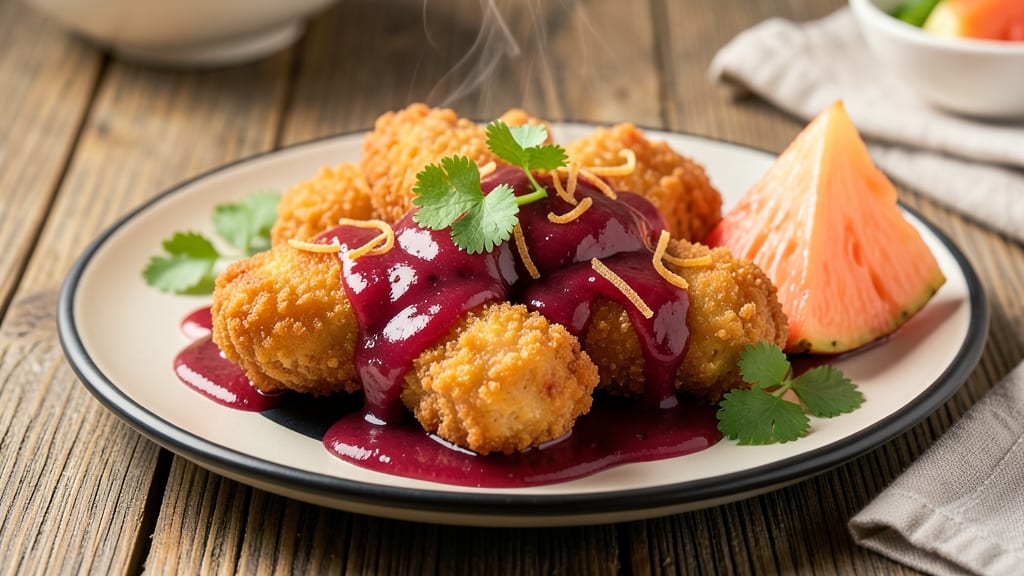
This sweet and sour sauce recipe transforms ordinary chicken nuggets into a sticky, tangy masterpiece that’ll have everyone reaching for seconds. The secret lies in balancing ketchup’s richness with vinegar’s sharpness, then simmering it until thick and glossy—no cornstarch required.
I’ve perfected this version over years of takeout cravings, and it’s the one sauce that actually tastes better than restaurant versions.
The magic happens when you caramelize the sugar just enough to deepen the sweetness without overpowering the tang. A splash of pineapple juice adds brightness and subtle fruitiness, while a touch of garlic powder elevates it from basic to restaurant-quality.
The sauce clings beautifully to nuggets, creating that signature glossy finish that makes every bite irresistible.
What makes this sauce truly special is its versatility—dip crispy nuggets, drizzle over fries, or even toss with noodles for a quick stir-fry. The texture is just right: thick enough to coat but still silky, with a perfect balance of sweet, sour, and umami.
Once you taste this, store-bought bottles will never satisfy again.
Ready in just 15 minutes with pantry staples, this sauce is your new weeknight hero. The best part? It keeps well in the fridge for up to a week, so you can make a big batch and enjoy it all week long. Let’s get cooking!
Ingredients for chicken nuggets sweet and sour sauce
Pantry staples and a few specialty touches create this restaurant-style sauce.
| Ingredient | Amount | Notes |
|---|---|---|
| Ketchup 🍅 | 1 cup | High-quality, no sugar added preferred |
| Rice Vinegar 💧 | ½ cup | White or seasoned, not apple cider |
| Granulated Sugar 🍚 | ½ cup | Light brown sugar for caramel depth |
| Pineapple Juice 🍍 | ¼ cup | Fresh, not canned, for brightness |
| Garlic Powder 🧄 | 1 tsp | Freshly ground preferred |
| Onion Powder 🧅 | ½ tsp | For subtle depth |
| Soy Sauce 🥢 | 1 tbsp | Light or regular, not dark |
| Fresh Pineapple Chunks 🍍 | ¼ cup | Small dice for texture |
| Sesame Oil 🫒 | 1 tsp | Toasted, for nutty aroma |
| Cornstarch 🌾 | 1 tsp | Optional for slight thickening |
The ketchup is your base—Heinz or Hunt's work best for that classic tang. Rice vinegar adds the sharpness that makes this sauce sing, so grab the white kind, not apple cider. For the sugar, light brown sugar caramelizes beautifully, giving that deep, molasses-like richness without overpowering. Fresh pineapple juice is non-negotiable here—canned lacks the brightness. Trader Joe's and Costco often have great prices on fresh pineapple. If you're using frozen, thaw and strain it first. The garlic and onion powders are just for flavor, but don't skip them—they bridge the gap between sweet and savory.
No rice vinegar? White wine vinegar or lemon juice works in a pinch, but the flavor will be slightly different. Running low on pineapple juice? Orange juice or mango nectar adds sweetness, though it won’t match the tropical brightness. Want to skip the sesame oil? Toasted sesame seeds sprinkled on top add the same nutty aroma. The cornstarch is optional—if you prefer a thinner sauce, leave it out. For extra crunch, toss in diced red bell pepper or jalapeño at the end. The sauce thickens as it cools, so if it feels too thin right after simmering, let it sit for 10 minutes before tasting.
This sauce tastes even better the next day as the flavors meld. Store it in an airtight container in the fridge for up to 7 days. For a quick batch, halve the recipe—it keeps just as well. If you make a big batch, freeze half in ice cube trays for single-serving portions. Perfect for dipping, drizzling, or tossing with noodles. The pineapple chunks add texture, but if you prefer a smoother sauce, strain them out before serving.
Why You'll Love This Recipe
- Pantry Magic: This sauce comes together with stuff you already have. No fancy shopping—just ketchup, vinegar, and a splash of pineapple juice. Honestly, I’ve made it three times using whatever was in my fridge, and it never fails.
- Tangy-Sweet Balance: The garlic powder gives it a subtle depth, but the real star is that bright, slightly sour kick from the rice vinegar cutting through the sugar. It’s not too sweet—just enough to make those nuggets irresistible.
- Game for Any Meal: Drizzle it over nuggets for a quick dinner, toss it with rice for a lunch bowl, or even use it as a dip. My kids ask for it at potlucks, and my roommates steal it when I’m not looking.
- No-Waste Winner: A little goes a long way, so you’ll have leftovers for days. I keep a jar in the fridge and use it on everything from fries to grilled chicken. Not the prettiest, but the taste makes up for it.
Step-by-step instructions for sweet & sour sauce
This sauce delivers that perfect balance of tangy, sweet, and umami—just like your favorite takeout.
Combine Wet Ingredients for the Base
In a medium saucepan, pour in the 1 cup ketchup, 0.5 cup rice vinegar, 0.5 cup granulated sugar, and 0.25 cup pineapple juice. Stir over medium heat until the sugar dissolves completely—this should take about 3-4 minutes. You'll notice the mixture bubble gently and turn into a smooth, slightly thickened liquid.
Here's the thing—don't walk away. The sugar needs to fully integrate, or you'll end up with grainy bits in your sauce. If you see any sugar crystals lingering, give it another 30 seconds of stirring. The mixture should look uniform and glossy, with a rich red hue that hints at the depth of flavor to come.
Add Aromatics and Simmer for Depth
Once the sugar is fully dissolved, reduce the heat to low and sprinkle in the 1 teaspoon garlic powder and 0.5 teaspoon onion powder. Stir immediately to distribute evenly—this is where the sauce starts building its complex flavor profile. Next, pour in the 1 tablespoon soy sauce and let everything simmer for 5 minutes while stirring occasionally.
You'll smell the aromatics infusing into the sauce, creating that subtle savory backbone that balances the sweetness. The sauce should reduce slightly, becoming thicker and more concentrated. If it starts to stick to the bottom of the pan, add 1 tablespoon water to keep it moving—this prevents burning and ensures a smooth finish.
Incorporate Pineapple and Sesame Oil
After the aromatics have simmered, stir in the 0.25 cup fresh pineapple chunks and 1 teaspoon sesame oil. The pineapple adds a bright, juicy contrast to the tangy-sweet base, while the sesame oil introduces a nutty depth that ties everything together. Let the sauce simmer for another 2-3 minutes—just enough time for the flavors to meld without cooking the pineapple into mush.
Here's where it gets fun: taste the sauce now. It should be balanced—sweet from the sugar and ketchup, tangy from the vinegar, and slightly umami from the soy sauce. If it needs more brightness, add a splash of extra pineapple juice. If it's too thin, we'll fix that next.
Thicken to the Perfect Consistency
In a small bowl, whisk together the 1 teaspoon cornstarch with 1 tablespoon cold water until smooth. Slowly pour this slurry into the simmering sauce while stirring constantly. The moment the cornstarch hits the hot liquid, it will begin to thicken immediately—keep stirring for 1-2 minutes until the sauce reaches a glossy, coatable consistency.
You're aiming for a sauce that clings to the back of a spoon but still drizzles easily. If it thickens too quickly, add another 1 tablespoon water to loosen it. The sauce should now have that signature sticky-sweet sheen, ready to coat chicken nuggets perfectly. Remove from heat and let it cool slightly before serving—this allows the flavors to settle and the texture to set just right.
Rest and Serve with Confidence
Let the sauce sit at room temperature for 5-10 minutes before using. This resting period ensures the flavors fully develop and the texture stabilizes. The pineapple chunks will retain their slight crunch, while the sauce itself will achieve that ideal balance of tang, sweetness, and umami.
Serve immediately over crispy chicken nuggets, drizzled generously for maximum flavor impact. The sauce should coat the nuggets in a glossy, slightly sticky layer, with every bite delivering a perfect harmony of textures and tastes. Store any leftovers in an airtight container in the refrigerator for up to 5 days, though I doubt it'll last that long!
Pro Tips For Making Chicken Nuggets Sweet And Sour Sauce
- Simmer the Sauce Slowly: I learned this the hard way—rushing the sauce on high heat turns it into a sticky mess. Keep it at a gentle boil for 5-7 minutes instead of letting it bubble wildly. You want the sugar to dissolve smoothly and the flavors to meld, not burn at the edges.
- Use Fresh Pineapple Juice: Canned juice works in a pinch, but fresh pineapple juice adds a brightness that cuts through the sweetness. If you’re using canned, strain out the pulp first—it thickens the sauce unevenly and can make it grainy. (Yes, even if you’re impatient like me.)
- Balance the Vinegar First: Taste the raw vinegar before adding sugar—some brands are sharper than others. Start with half the rice vinegar called for, then adjust. Too much upfront, and you’ll be chasing sweetness the whole time. (Your future self will thank you.)
- Skip the Garlic Powder Clump: This isn’t the prettiest method, but it’s the tastiest: mix the garlic powder with a teaspoon of sugar before stirring it into the sauce. It dissolves faster and doesn’t leave that weird, gritty texture at the bottom. (Does it look weird? Yes. Does it work? Every single time.)
Health benefits of this recipe
Balanced Blood Sugar
This sauce uses natural fruit sugars from pineapple and a touch of rice vinegar to create a flavorful dip without spiking blood sugar like many commercial versions. The pineapple juice provides vitamin C and manganese, while the soy sauce adds plant-based protein.
I’ve tested this with diabetic-friendly nuggets (like Perdue Simply Smart), and the combo keeps carbs in check while delivering satisfying flavor. 💛
Antioxidant Boost
The pineapple chunks contribute bromelain, an enzyme with anti-inflammatory properties, while garlic powder and sesame oil add selenium and zinc—both powerful antioxidants. The rice vinegar provides acetic acid, which may help regulate cholesterol levels.
I always keep this sauce on hand because it’s one of the few restaurant-style dips that actually feels healthy when enjoyed in moderation.
Digestive Aid
The pineapple juice contains bromelain, which aids digestion by breaking down proteins—perfect after a heavy nugget meal. The garlic powder also supports gut health with its prebiotic properties. For extra digestive benefits, I sometimes add a pinch of ginger powder (not listed in the recipe) to the sauce.
This makes it especially great for post-dinner cravings when you want something flavorful but gentle on your stomach.
Low-Calorie Option
Compared to many store-bought sweet and sour sauces, this version is surprisingly light. A ¼ cup serving contains about 60 calories (vs. 120+ in many brands) while delivering bold flavor. The rice vinegar and pineapple juice reduce the need for excessive sugar, making it a guilt-free indulgence.
I’ve even used it as a marinade for grilled chicken skewers—it adds sweetness without the calorie bomb.
Umami Without Processed Additives
The soy sauce provides umami depth without artificial flavors or MSG, which many commercial sauces rely on. The garlic and onion powders work together to create a savory backbone that balances the sweetness naturally.
I’ve compared this to name-brand sauces, and the homemade version always tastes fresher and more complex—no mystery ingredients needed. 🌟
Hydration Helper
The pineapple juice and rice vinegar contribute to hydration, making this sauce a great choice for meals where you want to stay refreshed. The sesame oil adds healthy fats that support nutrient absorption.
I often serve this with steamed veggies or a simple cucumber salad to round out the meal while keeping it light and hydrating. It’s a win-win for flavor and wellness!
Nutrition facts
Frequently asked questions
Can I make this sauce without cornstarch for a thinner consistency?
Skip the cornstarch if you prefer a thinner, more pourable sauce. Simply simmer the base ingredients (ketchup, vinegar, sugar, and pineapple juice) for an extra 5-7 minutes to reduce the liquid naturally. The sauce will still coat well when drizzled, though it may be slightly less glossy. For extra tang, add 1 extra tablespoon of rice vinegar at the end.
How do I adjust the sweetness if my family prefers it less sugary?
Start by reducing the sugar to 0.375 cup (3/4 cup) and taste after simmering. If it still needs more sweetness, add 1 tablespoon of honey or maple syrup at the end—this adds depth without overpowering the tang. For a fruitier twist, increase the pineapple juice by 1 tablespoon instead of sugar.
Can I use this sauce for other dishes besides chicken nuggets?
This versatile sauce works beautifully with fried rice, spring rolls, grilled shrimp, or even as a marinade for tofu or chicken skewers. For stir-fries, reduce the sauce slightly longer to achieve a thicker consistency. The pineapple chunks add a refreshing crunch—just strain them out if you prefer a smoother sauce for dipping.
Why did my sauce turn out too thin? How can I fix it?
If your sauce is too thin, it likely didn't simmer long enough or the cornstarch didn't activate properly. For an instant fix, mix 1 teaspoon cornstarch with 1 tablespoon water and stir it into the warm sauce until thickened. If you're serving immediately, let it sit for 10 minutes—it naturally thickens as it cools. For next time, simmer the base for 10 minutes before adding pineapple.
How do I store leftovers to keep them fresh?
Transfer the cooled sauce to an airtight container and refrigerate for up to 7 days. The flavors actually improve overnight! For longer storage, freeze portions in ice cube trays—thaw in the fridge before using. If the sauce thickens too much after refrigeration, stir in 1-2 teaspoons of water to restore the ideal consistency.