
Sauces & Condiments
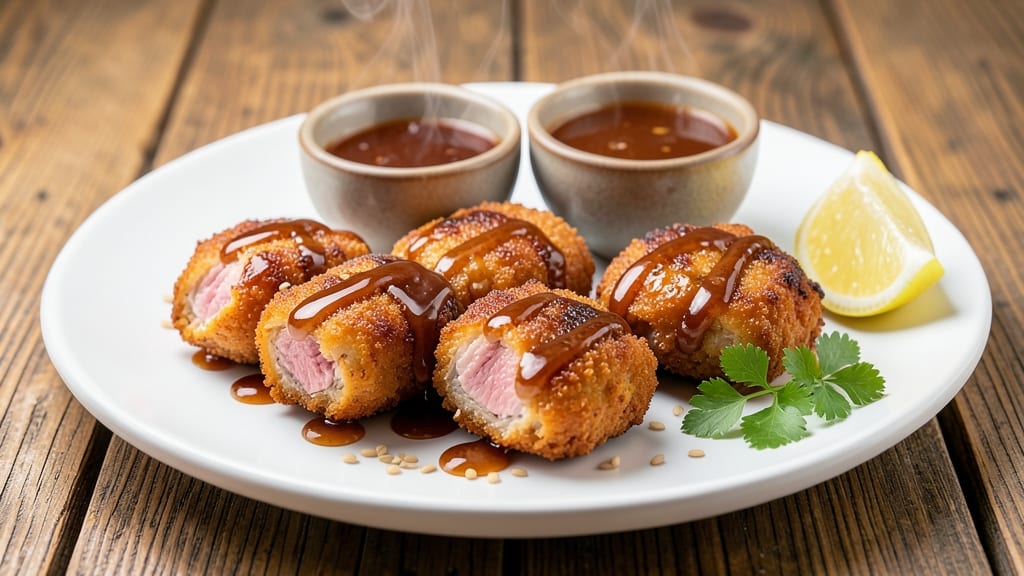
This chicken karaage sauce recipe transforms ordinary fried chicken into something extraordinary with its perfect balance of sweet, tangy, and umami flavors. The sauce's glossy sheen clings to crispy breading, turning every bite into a flavor explosion.
What makes this sauce special is its ability to enhance the natural richness of fried chicken while adding layers of complexity that store-bought versions simply can't match.
The secret lies in the combination of soy sauce, mirin, and a touch of Worcestershire sauce, which creates that signature Japanese-inspired depth. A small amount of sugar caramelizes slightly during cooking, adding subtle sweetness that complements the sauce's savory base.
Unlike many dipping sauces, this one doesn't overpower the chicken—it enhances it, making each crispy bite even more satisfying.
What you'll end up with is a sauce that's equally at home as a dip for karaage chicken or as a glaze for other fried dishes. The texture is just right—thick enough to coat but still smooth and glossy, with a perfect balance between sweetness and acidity.
This isn't just a sauce; it's the finishing touch that elevates your fried chicken from good to unforgettable.
Ready to make this sauce? It takes just minutes to prepare and can be made ahead of time, allowing the flavors to meld even more deeply.
The result is a versatile condiment that will become a staple in your kitchen, perfect for enhancing everything from homemade fried chicken to store-bought favorites. Let's get started!
Ingredients for chicken karaage sauce
Nine ingredients, explosive flavor—this sauce turns ordinary fried chicken into karaage perfection.
| Ingredient | Amount | Notes |
|---|---|---|
| Soy Sauce 🍶 | ½ cup | Japanese-style preferred |
| Mirin 🍶 | ¼ cup | Sweet cooking rice wine |
| Worcestershire Sauce 🍶 | 1 tbsp | For that umami kick |
| Granulated Sugar 🍚 | 2 tbsp | Light brown sugar works too |
| Rice Vinegar 🍶 | 1 tbsp | White or seasoned vinegar |
| Sesame Oil 🫒 | 1 tsp | Toasted for nutty aroma |
| Garlic Cloves 🧄 | 2 cloves | Minced for intense flavor |
| Fresh Ginger 🌿 | 1 tsp | Grated, fresh preferred |
| Cornstarch 🌾 | 1 tsp | For thickening sauce |
| Water 💧 | 1 tbsp | For cornstarch slurry |
Soy sauce is the backbone here—Japanese-style like Kikkoman has that perfect balance of salt and umami. Mirin adds sweetness and depth, so don't skimp on quality (the less expensive stuff works fine, but authentic mirin makes a difference). Worcestershire sauce brings that signature umami punch—Lea & Perrins is the classic choice, but any good brand works. For the sugar, light brown sugar adds subtle caramel notes, but white granulated keeps it clean. Fresh ginger and garlic are non-negotiable for that authentic Japanese flavor—frozen works in a pinch, but fresh is always better.
No mirin? Substitute 1 tbsp honey or maple syrup—it won't be identical, but you'll still get that sweetness. Short on sesame oil? Toasted sesame seeds at half the amount give you that nutty aroma without the oil. The cornstarch slurry is key for that glossy texture—arrowroot powder works too—just make sure to whisk it smooth. If you're making this ahead, store the sauce without the sesame oil and add it fresh before serving to keep that toasty aroma intact.
This sauce keeps for up to 2 weeks in the fridge, sealed tight. The flavors actually get better as it sits—let it sit 30 minutes before serving so everything melds. For a restaurant-quality finish, strain through a fine-mesh sieve before using to get that silky texture. Double the batch—it disappears fast, especially when paired with crispy karaage chicken.
Why You'll Love This Recipe
- Pantry Magic: I swear by this sauce—no specialty ingredients, just what’s already lurking in your cabinet. That Worcestershire and mirin combo? It’s the secret weapon that turns basic chicken into something restaurant-worthy without extra shopping trips.
- Umami Bomb: The moment the sauce hits the hot pan, your kitchen smells like a Tokyo izakaya. That deep soy-sugar balance with a tangy vinegar kick? It clings to the chicken like a flavor hug—crispy outside, sticky inside.
- Leftovers That Beg: This sauce doesn’t fight reheating. Store it in the fridge, and the next day’s chicken tastes just as good—maybe even better, because the flavors meld overnight. (Yes, even my picky husband grabs seconds.)
- Weeknight Hero: Toss the chicken in sauce, throw it on the grill or skillet, and you’re done. No marinating, no waiting—just 20 minutes of hands-off cooking while you pretend you’re not actually cooking. (Between us, it’s my go-to for game days.)
Step-by-step instructions for chicken karaage sauce
This sauce delivers that signature crispy, sticky glaze that makes karaage irresistible—bold, balanced, and packed with umami.
Build the Sauce Base
In a medium saucepan, combine the 0.5 cup soy sauce, 0.25 cup mirin, 1 tbsp Worcestershire sauce, and 2 tbsp granulated sugar. Bring to a gentle simmer over medium heat—you'll see tiny bubbles forming along the edges. Let it cook uncovered for 5-6 minutes until the sugar dissolves completely and the mixture reduces slightly. You're looking for a syrupy consistency here, not a thick paste.
The mirin adds sweetness and depth, while the Worcestershire sauce brings that unmistakable umami punch. Stir occasionally to prevent sticking, and keep the heat steady—too high and you'll burn the sauce before it reduces properly.
Add Aromatics and Vinegar
Reduce heat to low and add the 2 cloves minced garlic, 1 tsp grated fresh ginger, and 1 tbsp rice vinegar. Stir everything together and let it simmer for another 3-4 minutes until the garlic turns golden and the aroma fills your kitchen. You'll know it's ready when the raw garlic smell transforms into something rich and fragrant.
Here's the thing—fresh ginger and garlic are non-negotiable for authentic flavor. If you're using jarred minced garlic, toast it in the pan for 30 seconds first to deepen its flavor. The rice vinegar brightens the sauce, cutting through the richness of the soy and mirin.
Thicken the Sauce with Cornstarch Slurry
In a small bowl, whisk together the 1 tsp cornstarch and 1 tbsp water until smooth. This is your thickening agent—critical for that glossy, coatable consistency. Once the sauce is fragrant from the aromatics, pour in the cornstarch slurry while stirring constantly. The sauce will thicken almost immediately, so keep stirring for 1-2 minutes until it reaches a glossy, syrup-like texture that coats the back of a spoon.
If it thickens too much, add 1 teaspoon of water at a time to adjust. You want it to be thick enough to cling to the chicken but still flow smoothly. The sauce should be glossy, not pasty—this ensures it caramelizes beautifully when brushed onto the crispy chicken.
Finish with Sesame Oil and Rest
Remove the sauce from heat and stir in the 1 tsp sesame oil. The oil will create a delicate, nutty aroma and add a subtle richness. Let the sauce cool slightly—this allows the flavors to meld together. If you're using it immediately, it's fine to proceed, but letting it sit for 10-15 minutes at room temperature enhances the depth of flavor.
This sauce is best when used fresh, but it keeps well in the refrigerator for up to 3 days in an airtight container. When reheating, warm it gently over low heat, stirring occasionally, until it reaches 160°F—just enough to loosen the consistency without breaking down the cornstarch. The result? A glossy, sticky glaze that turns every bite of karaage into a crispy, flavor-packed masterpiece.
Pro Tips For Making Chicken Karaage Sauce
- Boil the Mirin: Skip the raw mirin straight from the bottle—it’s too harsh. Simmer it with the sugar for 2-3 minutes first. This softens the alcohol bite and lets the sweetness meld properly, so your sauce doesn’t taste like you just poured perfume on the pan.
- Balance the Vinegar Last: Add rice vinegar after the sauce has reduced slightly. Dumping it in early makes the sauce watery and dulls the soy’s depth. Wait until the last 30 seconds of simmering—just enough to brighten the flavors without wrecking the harmony.
- Don’t Rush the Reduction: Let that sauce bubble gently until it coats the back of a spoon. I used to rush it, and the result was thin and flat. A proper reduction (about 5-7 minutes on medium-low) concentrates the umami and caramelizes the sugar, giving you that glossy, clingy finish.
- Use Less Worcestershire: Start with half the recommended amount—this stuff packs a punch. Taste as you go; you can always add more, but you can’t un-Worcestershire a sauce. A little goes a long way, especially if your soy sauce is already bold.
Troubleshooting great chicken karaage sauce
Sauce Too Thin?
If your sauce isn't thickening enough, don't panic—this is an easy fix. The cornstarch slurry is your best friend here. Simply whisk together 1 extra teaspoon of cornstarch with 1 teaspoon of water and stir it into the simmering sauce.
Keep stirring for 1-2 minutes until it reaches that perfect glossy consistency. If it thickens too much, just add ½ teaspoon of water at a time to loosen it up. 💡
Sauce Too Thick?
Over-thickened sauce can happen if you stir too aggressively or let it cook too long. To fix it, remove the pan from heat and slowly add ½ teaspoon of warm water at a time while stirring gently.
For a smoother texture, strain the sauce through a fine-mesh sieve to remove any lumps. The goal is a sauce that coats the back of a spoon but still flows freely—this ensures it clings beautifully to crispy chicken.
Burnt or Bitter Taste?
If your sauce tastes burnt or overly bitter, it likely cooked too long or at too high a heat. The sugar in the sauce can caramelize too much, creating a bitter flavor. Next time, keep the heat at medium-low and stir frequently.
If this happens, balance the flavors by adding ½ teaspoon of rice vinegar or a pinch of sugar to restore the sweet-tangy balance. A splash of mirin can also help mellow out the bitterness.
Lacking Depth of Flavor?
If your sauce tastes flat or lacks that signature umami kick, it might need more aromatic depth. Boost the flavor by adding ½ teaspoon of toasted sesame seeds (lightly crushed) or an extra ½ teaspoon of Worcestershire sauce.
For a richer taste, simmer the sauce for an additional 2-3 minutes to deepen the reduction. Freshly grated ginger and garlic are also key—if you used jarred versions, toast them in the pan for 30 seconds before adding to enhance their flavor.
Sauce Separating?
Sauce separation usually happens if the cornstarch slurry wasn't whisked smoothly or if the sauce was stirred too vigorously while hot. To fix it, gently reheat the sauce over low heat while stirring constantly with a silicone spatula.
If separation persists, whisk in 1 teaspoon of cold water to help re-emulsify the sauce. For a smoother finish, strain it through a fine-mesh sieve before serving.
Not Sticky Enough?
A non-sticky sauce often means the cornstarch wasn't fully activated or the sauce wasn't reduced enough. To fix this, return the sauce to low heat and simmer uncovered for 1-2 minutes to reduce it further.
If it still isn't sticky, whisk in ½ teaspoon of cornstarch mixed with ½ teaspoon of water and cook for another 30 seconds. The sauce should coat the back of a spoon and cling beautifully to fried chicken. 🌟
Nutrition facts
Frequently asked questions
Can I make this karaage sauce without mirin?
Yes! If you don’t have mirin, substitute 1 tbsp honey or maple syrup for the sweetness, plus ½ tbsp rice vinegar to balance the flavor. The sauce will still taste delicious, though it won’t have the exact same depth. For extra umami, add ½ tsp fish sauce or an extra ½ tsp soy sauce.
How long does this sauce keep, and can I freeze it?
This sauce stays fresh in an airtight container in the fridge for up to 2 weeks, and flavors actually improve over time. For freezing, portion it into ice cube trays or small containers—it keeps for 3 months. Thaw overnight in the fridge and reheat gently over low heat until warm. Avoid reheating too long to prevent thickening.
Is this sauce only for karaage chicken, or can I use it for other dishes?
This versatile sauce works beyond karaage! Use it as a glaze for fried pork cutlets, a dip for spring rolls, or even a marinade for grilled meats. Its sticky, umami-rich profile also pairs well with steamed dumplings or as a drizzle for ramen noodles. The key is balancing its bold flavors with the right dish.
Why does my sauce turn cloudy or separate after making it?
Cloudiness or separation usually happens if the cornstarch slurry wasn’t whisked smooth or the sauce cooled too quickly. To fix it, gently reheat the sauce over low heat while stirring constantly. If separation persists, whisk in 1 tsp cold water to re-emulsify. For a silky finish, strain through a fine-mesh sieve before serving.
Can I adjust the sweetness or spice level?
For less sweetness, reduce the sugar to 1 tbsp and add ½ tsp extra rice vinegar. For spice, stir in ½ tsp sriracha or chili flakes at the end. If you love heat, toast ½ tsp red pepper flakes in the pan with the garlic and ginger for a smoky kick. Adjust to taste!