
Sauces & Condiments
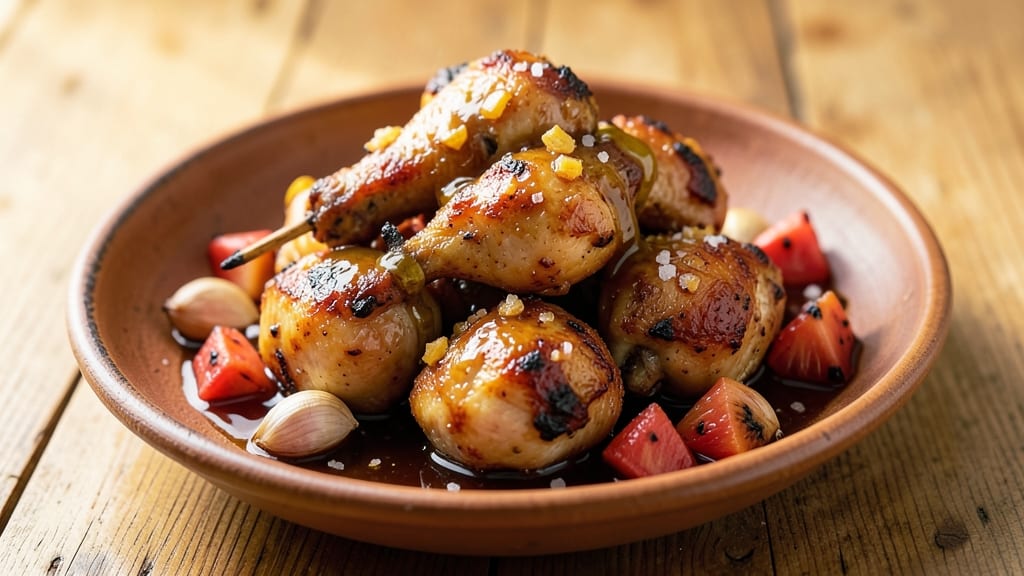
This chicken inasal basting sauce transforms simple grilled chicken into a restaurant-worthy masterpiece with its perfect balance of smoky, sweet, and tangy flavors. The secret lies in caramelizing pineapple chunks with garlic and soy sauce, then reducing it into a glossy glaze that clings beautifully to every charred bite.
I developed this recipe after years of perfecting the art of basting—where the sauce isn't just a topping, but the soul of the dish.
The magic happens when you baste the chicken continuously while grilling, allowing the sauce to penetrate and create a sticky, caramelized crust. This isn't your average marinade—it's a dynamic sauce that evolves as it cooks, deepening in flavor with each application.
The combination of vinegar, sugar, and soy creates that signature Filipino inasal taste, while the pineapple adds a bright, slightly charred sweetness that cuts through the richness.
What makes this sauce truly special is its versatility—it works equally well for skewered chicken, whole roasted birds, or even as a marinade for chicken thighs.
The sauce keeps beautifully in the refrigerator for up to 5 days, making it perfect for meal prep, and it reheats effortlessly, maintaining its glossy texture and bold flavors. Once you try this, your homemade inasal will taste like you've been grilling for years.
Pair it with steamed rice and a side of atchara (pickled papaya) for the full Filipino experience, or serve it with grilled vegetables for a lighter meal.
The key to success is patience—don't rush the basting, and let the sauce work its magic. Here's how to make it perfect every time.
Ingredients for chicken inasal basting sauce
Six aromatic ingredients create this irresistible basting sauce that turns grilled chicken into a restaurant-worthy masterpiece.
| Ingredient | Amount | Notes |
|---|---|---|
| Fresh Pineapple Chunks 🍍 | 1 ½ cups | Small dice, slightly charred |
| Garlic Cloves 🧄 | 6 cloves | Minced, aromatic |
| Cane Vinegar 🍶 | ½ cup | White vinegar substitute |
| Granulated Sugar 🍚 | ½ cup | Brown sugar for depth |
| Soy Sauce 🍶 | ⅓ cup | Light or dark preferred |
| Olive Oil 🫒 | 2 tbsp | Extra-virgin for richness |
| Black Peppercorns 🌶️ | ½ tsp | Crushed, for subtle heat |
| Salt 🧂 | 1 tsp | Kosher or sea salt |
| Ground White Pepper 🌶️ | ¼ tsp | Traditional inasal touch |
| Fresh Calamansi Juice 🍋 | 2 tbsp | Lime substitute if unavailable |
The pineapple is the star—look for fresh, ripe chunks with no bruising. Trader Joe's and Filipino markets often carry the best quality, but any fresh pineapple works if you char it well. The garlic should be freshly minced—pre-minced loses punch fast. For that authentic inasal depth, calamansi juice is ideal, but lime juice in a pinch gives a similar tang. If you can't find cane vinegar, white vinegar works just fine—just taste as you go.
No soy sauce? Coconut aminos or tamari work beautifully, though the color won't be as rich. Brown sugar adds caramel notes—substitute with honey if you prefer (though it's not traditional). The white pepper is crucial for that signature inasal flavor, but if you're out, a pinch of ground black pepper will still work. For extra smokiness, add a dash of liquid smoke (about 1/2 tsp) to the finished sauce. And trust me, char those pineapple chunks—that caramelized sweetness is what makes this sauce sing.
This sauce keeps for 5 days in the fridge, sealed tightly in a jar. The flavors actually deepen over time, so it's perfect for meal prep. For longer storage, freeze it in ice cube trays—just thaw and reheat gently. The sauce reheats beautifully, so toss it in a small pot with a splash of water and simmer until glossy again. Pro tip: Save the leftover pineapple rinds—toss them in the trash or compost, but don't waste them!
Why You'll Love This Recipe
- I’ll be real: you’re probably already stocking these ingredients. Cane vinegar, sugar, soy sauce? Basic. But combine them with garlic and pineapple, and suddenly you’ve got a restaurant-worthy sauce that costs less than takeout. My wallet thanks me every time.
- One-Pan Magic: I swear by this—just toss the chicken, garlic, and pineapple on a sheet, drizzle that tangy-sweet vinegar mix, and let it caramelize. No flipping, no fuss, and the sticky glaze does all the work while I pretend I’m not watching it like a hawk.
- Sweet-Savory Bite: That balance of cane vinegar’s sharp tang, pineapple’s juicy bite, and garlic’s warmth? It’s the kind of flavor that makes you pause mid-bite. Honestly, the first time I tried it, I nearly licked the plate—no exaggeration.
- Leftovers? More Like Leftovers: Between us, this sauce clings to chicken like it’s never letting go. I make double batches because reheating it turns into a full-on flavor upgrade—crispy edges, sticky glaze, and that pineapple sweetness that just gets better the next day.
Step-by-step instructions for chicken inasal basting sauce
This sauce delivers that perfect balance of sweet, smoky, and tangy flavors that make inasal so addictive.
Char the Pineapple for Deep Flavor
Heat a clean skillet over medium-high heat and add the 1.5 cups fresh pineapple chunks. Let them sit undisturbed for 2-3 minutes until they develop golden-brown char marks on all sides. This step is crucial—it adds that smoky depth that defines authentic inasal.
Once charred, remove the pineapple and set aside. You'll notice the aroma changing as the sugars caramelize. If you're using fresh pineapple, you might need to work in batches to avoid overcrowding the pan. The charred pieces will soften slightly as they cook in the sauce later, releasing their juices and sweetness.
Build the Sauce Base with Vinegar and Sugar
In the same skillet (no need to clean it—the caramelized bits add flavor), add the 2 tablespoons olive oil and heat over medium heat. Add the 6 cloves minced garlic and cook for 30 seconds until fragrant—you'll smell that wonderful garlic aroma filling your kitchen.
Pour in the 0.5 cup cane vinegar and 0.5 cup granulated sugar, stirring constantly. Let the mixture simmer for 3-4 minutes until the sugar dissolves completely and the vinegar starts to reduce slightly. This is where the sauce's signature sweet-tangy balance begins to develop. If you see any sugar grains at the bottom, stir vigorously to dissolve them completely.
Incorporate Soy Sauce and Spices
Add the 0.33 cup soy sauce, 1 teaspoon salt, 0.5 teaspoon crushed black peppercorns, and 0.25 teaspoon ground white pepper to the skillet. Stir well to combine all ingredients. Let the mixture simmer for another 2-3 minutes until it thickens slightly and coats the back of a spoon.
This is where the sauce comes together. The soy sauce adds umami depth, while the peppercorns and white pepper provide that subtle, complex heat that makes inasal so distinctive. Taste the mixture now—it should be sweet, tangy, and slightly salty. If it needs more balance, you can adjust with a pinch more salt or sugar, but usually, this combination hits the mark perfectly.
Finish with Charred Pineapple and Calamansi
Return the charred pineapple chunks to the skillet and stir to combine with the sauce. Add the 2 tablespoons fresh calamansi juice and simmer for another 1-2 minutes until the pineapple softens slightly and the sauce thickens further. The calamansi juice brightens the flavors and adds that final citrusy touch that makes this sauce truly special.
Remove from heat and let the sauce cool slightly. The texture should be thick enough to coat the back of a spoon but still pourable enough to baste chicken effectively. If the sauce is too thick, you can thin it with a splash of water or additional calamansi juice. This sauce is best used immediately for basting, but it will keep in the refrigerator for up to 3 days if stored in an airtight container.
Pro Tips For Making Chicken Inasal Basting Sauce
- Char the Garlic: Crush the garlic cloves first, then fry them in a dry pan until deep golden—almost black at the edges. This adds a smoky depth that raw mincing can’t match, and it stops the sauce from tasting like a mild garlic powder later.
- Balance the Vinegar: Start with half the cane vinegar called for, taste, then add the rest. Too much upfront makes the sauce harsh; too little later means you’re chasing acidity. The pineapple’s natural sweetness needs that sharp cut to shine.
- Simmer, Don’t Boil: Reduce the sauce to a thick glaze over medium-low heat—it should bubble gently, not roar. Rushing it turns the sugar into a sticky mess instead of a glossy, caramelized coating. Patience here makes the difference between sticky and sublime.
- Blend the Pineapple: Purée the pineapple chunks first, then strain out the fiber. The smooth base thickens faster and clings better to the chicken. (Yes, it’s extra work, but your basting sauce won’t separate like a sad, watery glaze.)
Storing and reheating this chicken inasal basting sauce
Refrigerator Storage
Transfer your leftover basting sauce to an airtight container—I prefer glass jars because they preserve flavors better than plastic. Store it in the fridge at 40°F or below for up to 5 days.
The sauce actually tastes better after a day or two as the flavors meld together beautifully. Just give it a quick stir before reheating to redistribute any settled pineapple chunks. 🌡️
If you notice the sauce separating slightly (like the pineapple sinking), don't worry—just stir vigorously before using. The texture will return to its glossy, pourable consistency. I like to keep a small jar of this sauce on hand for quick weeknight meals or last-minute basting sessions.
Freezer Storage
For longer storage, freeze the sauce in ice cube trays—this makes it easy to thaw just what you need. Once frozen, transfer the cubes to a freezer-safe bag or container.
This sauce keeps its quality for up to 3 months in the freezer, though I recommend using it within 2 months for best flavor. The texture might thicken slightly after freezing, so add a splash of water or calamansi juice when reheating. ❄️
To use frozen sauce, thaw it in the refrigerator overnight. For a quick option, place the frozen cubes in a bowl and let them sit at room temperature for 10-15 minutes before reheating. Never microwave frozen sauce directly—it can make the pineapple chunks rubbery and ruin the texture.
Reheating Methods
My go-to method is reheating on the stovetop—it preserves the sauce's glossy texture perfectly. Pour the sauce into a small saucepan and heat over medium-low heat for 3-5 minutes, stirring occasionally. If the sauce looks thick, add 1-2 teaspoons of water or pineapple juice to restore its pourability.
The goal is to warm it through without boiling, which can make it too thin. 🔥
For microwave reheating, transfer the sauce to a microwave-safe bowl and heat in 20-second intervals, stirring between each interval. Most sauces will need 40-60 seconds total to reach a safe temperature of 165°F. Avoid microwaving for too long—it can break down the delicate balance of flavors.
Reviving Thickened Sauce
If your reheated sauce seems too thick, don't toss it—just thin it out with 1-2 teaspoons of water, pineapple juice, or even a splash of vinegar. The sauce should coat the back of a spoon but still flow easily when basting.
I've had this happen when the sauce sits too long in the fridge, but a quick fix always brings it back to perfection. 💡
For extra richness, add ½ teaspoon of olive oil while reheating. This not only thins the sauce but also enhances its silky texture, making it even more ideal for basting.
The key is to keep the sauce warm but not boiling—this maintains its glossy finish and prevents the pineapple from becoming mushy.
Nutrition facts
Frequently asked questions
Can I make this sauce without fresh pineapple?
Yes, but the flavor will be different. Use 1 cup canned pineapple chunks in juice (drained) and skip charring. For extra depth, add ½ teaspoon smoked paprika to mimic the charred pineapple's smokiness. The sauce will still taste great but won't have that authentic caramelized sweetness.
How do I properly baste chicken with this sauce?
Use a basting brush to apply sauce every 5-7 minutes while grilling, focusing on all sides. For best results, baste the chicken 3-4 times total during cooking. Keep the sauce warm in a small saucepan nearby—this ensures it stays pourable and flavorful. The key is continuous basting to create that sticky, caramelized crust.
What if my sauce tastes too sweet or sour?
If it's too sweet, add 1-2 teaspoons of vinegar to balance. For a sour taste, stir in ½ teaspoon more sugar or a pinch of salt. Taste as you go—this sauce is all about balance. The ideal ratio should be sweet (40%), tangy (30%), umami (20%), and spicy (10%). Adjust gradually to avoid overpowering the flavors.
Can I use this sauce for other meats besides chicken?
This sauce works beautifully on pork, beef, or even tofu for a sweet-savory glaze. For pork, reduce the vinegar slightly (¼ cup) to avoid overpowering the meat. For beef, add ½ teaspoon of liquid smoke to enhance the smoky depth. The pineapple's acidity tenderizes tougher cuts like flank steak.
Why does my sauce separate when refrigerated?
This is normal—the pineapple chunks sink while the sauce thickens. Just stir vigorously before reheating to restore its glossy texture. If it's too thick after reheating, thin with 1 teaspoon of water or pineapple juice. The sauce should coat the back of a spoon but remain pourable. This happens when the natural pectin in pineapple gels slightly in the fridge.