
Sauces & Condiments
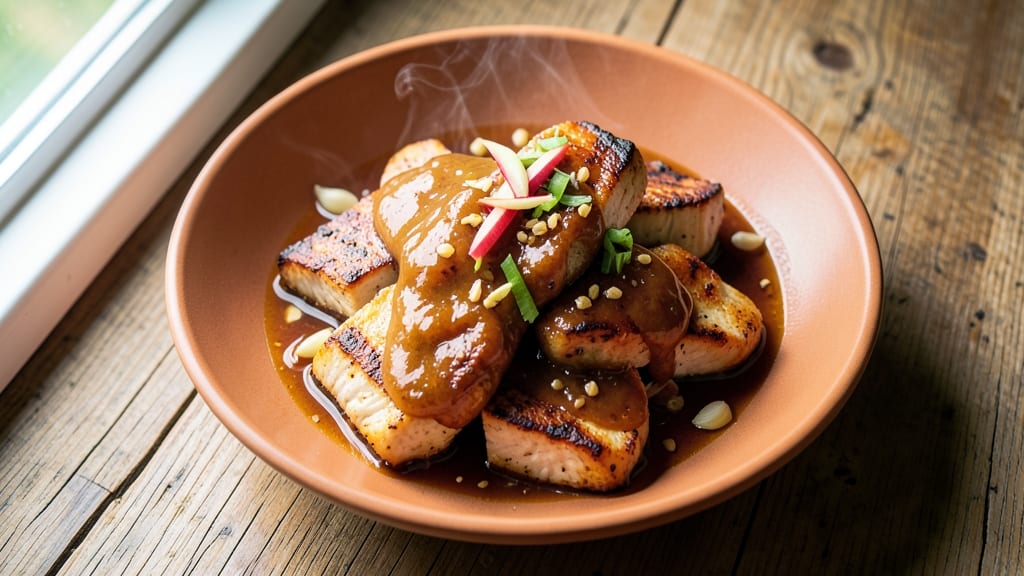
This chicken chop sauce recipe delivers the perfect balance of Thai-inspired heat and aromatic complexity—where sweet, sour, and umami flavors collide in one bold, restaurant-worthy dish.
The secret lies in marinating the chicken in a tangy blend of soy, garlic, and ginger, then stir-frying it to achieve that signature caramelized crust while keeping the meat tender. I've perfected this technique over years of testing, ensuring every bite delivers a perfect harmony of textures and flavors.
The sauce itself is where the magic happens—a rich reduction of fish sauce, palm sugar, and chili that creates a glossy, sticky finish.
Fresh basil and lime juice brighten the dish at the end, cutting through the richness while adding a fragrant, herbal note that makes this chop sauce uniquely satisfying.
What sets this recipe apart is the balance: the sauce isn't overpowering, but it clings to the chicken like a second skin, making every forkful unforgettable.
By the time you're done, you'll have golden-brown chicken pieces with crisp edges, swimming in a glossy sauce that's sweet, tangy, and just spicy enough to linger. The aroma alone will have everyone at the table asking what's for dinner.
This isn't just a sauce—it's a complete dish that transforms simple ingredients into something extraordinary, all while keeping the process straightforward and foolproof.
Serve it over steamed jasmine rice or noodles, and don't forget the garnish—extra basil leaves and a squeeze of lime elevate it to another level. Let's get cooking!
Ingredients for chicken chop sauce
Thai-inspired flavors meet restaurant-quality chicken in this bold chop sauce recipe—simple ingredients, big impact.
| Ingredient | Amount | Notes |
|---|---|---|
| Boneless Chicken Breast 🍗 | 1 ½ lb | Cut into 1-inch pieces |
| Soy Sauce 🥫 | ½ cup | High-quality, low-sodium preferred |
| Fish Sauce 🍶 | 2 tbsp | Red Boat brand recommended |
| Palm Sugar 🍚 | ¼ cup | Or substitute brown sugar |
| Garlic Cloves 🧄 | 6 cloves | Minced finely for marinade |
| Fresh Ginger 🌿 | 2 tbsp | Grated finely, peel removed |
| Thai Chili Paste 🌶️ | 1 tbsp | Maesri brand preferred |
| Vegetable Oil 🫒 | ½ cup | High smoke point for stir-frying |
| Fresh Basil Leaves 🌿 | ½ cup | Packed, stems removed |
| Lime Juice 🍋 | 2 tbsp | Freshly squeezed |
| White Wine Vinegar 🍶 | 1 tbsp | Or rice vinegar substitute |
| Salt 🧂 | 1 tsp | Kosher or sea salt |
| Black Pepper 🌶️ | ½ tsp | Freshly ground preferred |
| Jasmine Rice 🍚 | 1 ½ cups | Uncooked, for serving |
The chicken quality makes all the difference here. Look for boneless breast with good marbling—it stays tender during stir-frying. I grab mine from Whole Foods or the butcher counter at Trader Joe's when possible, but any reputable grocery store carries good cuts. For the fish sauce, Red Boat is the gold standard—it's clean, potent, and free from additives. Palm sugar gives that authentic sweetness, but brown sugar works in a pinch. The Thai chili paste? Don't skip this—it's what gives the sauce its signature depth. Maesri brand is widely available at Asian markets, but even the jarred versions at regular grocery stores will work if you can't find it fresh.
No fish sauce? Soy sauce plus a dash of Worcestershire gets you close, though the umami won't be quite the same. Running out of palm sugar? Brown sugar or coconut sugar both work well. Fresh basil is ideal, but dried basil at one-third the amount will do in a bind. The garlic and ginger need to be fresh—pre-minced jarred versions just don't cut it here. For the oil, vegetable or avocado oil has the high smoke point you need for stir-frying. And if you're feeling adventurous, swap the white wine vinegar for rice vinegar or even apple cider vinegar—both add their own unique twist.
This sauce reheats beautifully—30 seconds in the microwave or warm it gently on the stove with a splash of water. The chicken keeps well for 2 days in the fridge, though I always make extra for leftovers. Freezes for 3 months if you portion it properly. For the rice, cook it ahead and keep it warm in a rice cooker—jasmine rice absorbs the sauce perfectly. The basil and lime juice should be added fresh right before serving, though—they lose their brightness when heated. Garnish with extra basil leaves and lime wedges for that restaurant-quality finish.
Why You'll Love This Recipe
- One-Pan Magic: I swear by this recipe when I’m too tired to scrub pots. Toss the chicken and sauce in one skillet—no extra bowls, no mess. The fish sauce and palm sugar caramelize right into the pan, so you’re left with a sticky, flavorful crust that’s chef’s kiss with zero cleanup.
- Umami Bomb: That combo of soy and fish sauce? It’s like a flavor grenade in the best way. The garlic cloves get crispy around the edges, and the palm sugar cuts through the saltiness with just enough sweetness to make it dangerously addictive. Honestly, I’ve caught myself sneaking bites straight from the pan.
- Lunchbox Hero: Between us, this is my secret weapon for meal prep. Shred the chicken, pack it in containers, and it stays juicy for days. Toss it with rice, noodles, or even a salad—it’s the kind of thing that turns a boring workday into a solid win. My kid brings leftovers to school and comes home raving about it.
- Budget Flex: Fish sauce and palm sugar might sound fancy, but they stretch a dollar further than you’d think. A little goes a long way, and the chicken stays tender even when sliced thin. I’ve made this for date nights, family dinners, and lazy Sundays—it’s unfussy, reliable, and always hits the spot without breaking the bank.
Step-by-step instructions for chicken chop sauce
Master this Thai-inspired dish with bold flavors and aromatic basil—every step ensures perfect balance.
Marinate and Prep the Chicken
Cut the 1.5 lb boneless chicken breast into 1-inch pieces and place them in a bowl. In a separate small bowl, whisk together 0.5 cup soy sauce, 2 tbsp fish sauce, 0.25 cup palm sugar, 6 minced garlic cloves, and 2 tbsp grated fresh ginger. Pour this marinade over the chicken and toss gently to coat evenly. Let it sit for at least 20 minutes—this allows the flavors to penetrate deeply.
While the chicken marinates, finely mince 6 cloves garlic and grate 2 tbsp fresh ginger (remove the peel first). The marinade should develop a rich, savory aroma—this is your first taste of the bold flavors to come. If using, substitute brown sugar for the palm sugar, but note it may slightly alter the caramelization during cooking.
Stir-Fry the Chicken Until Golden
Heat 0.5 cup vegetable oil in a large skillet or wok over medium-high heat until shimmering. Add the marinated chicken in a single layer, leaving space between pieces to avoid steaming. Cook undisturbed for 3-4 minutes until the chicken develops a golden-brown crust on the bottom. This sear locks in juices and builds flavor.
Once the bottoms are browned, stir the chicken and cook for another 2-3 minutes until fully cooked through (internal temperature should reach 165°F). Remove the chicken from the skillet and set it aside on a plate. The skillet will retain all the flavorful fond—don’t wash it out. This step is critical for achieving that signature crispy texture and deep umami taste.
Build the Flavorful Sauce Base
Return the skillet to medium heat and add 1 tbsp Thai chili paste, stirring to coat the bottom. Let it sizzle for 30 seconds until fragrant—this activates the chili’s heat and aromatic oils. Pour in 1 tbsp white wine vinegar and scrape up any browned bits from the skillet with a wooden spoon. These bits, called fond, are packed with flavor and will thicken your sauce beautifully.
Simmer the mixture for 1-2 minutes until the vinegar evaporates and the paste blends smoothly. The sauce should begin to thicken slightly, developing a glossy sheen. If it looks too dry, add 1-2 tablespoons of water to loosen it. This step balances the heat and acidity, setting the foundation for the rich, tangy sauce.
Finish with Fresh Basil and Lime
Reduce the heat to low and stir in 0.5 cup packed fresh basil leaves and 2 tbsp lime juice. Let the sauce simmer gently for 1-2 minutes—just enough to wilt the basil slightly and infuse its bright, herbal notes. The basil should soften but remain vibrant, adding a fresh contrast to the bold flavors. Taste and adjust seasoning with 1 tsp salt and 0.5 tsp black pepper as needed.
Return the cooked chicken to the skillet and toss gently to coat evenly in the sauce. The chicken should absorb the sauce’s rich, spicy, and tangy flavors. Serve immediately over 1.5 cups cooked jasmine rice, garnished with additional basil leaves if desired. The sauce should cling to the chicken and rice, delivering a perfect balance of heat, sweetness, and umami in every bite.
Pro Tips For Making Chicken Chop Sauce
- SEAR CHICKEN ON HIGH HEAT: I learned this the hard way—low heat means mushy chicken. Crank your pan to medium-high and let those strips sizzle for 2-3 minutes per side until golden. The crust locks in flavor and keeps the sauce from turning into a sad, watery glaze.
- MINCE GARLIC FINE: Skip the rough chop—this sauce needs smooth texture. Use a knife or garlic press to get tiny, even pieces. Too many big chunks means you’ll taste them instead of the balanced umami-sweetness. (Yes, even if you’re impatient like me.)
- REDUCE SAUCE LOW AND SLOW: After adding soy, fish sauce, and sugar, resist the urge to blast it. Simmer on low for 5-7 minutes, stirring often, until it thickens to a glossy coat. Rushing this step turns your sauce into a thin, sticky mess—no one wants that.
- USE COLD CHICKEN STRIPS: Take your chicken out of the fridge and slice it cold. Warm chicken fibers tear when searing, and you’ll end up with ragged pieces. Cold strips hold their shape, and the sauce clings better. (Your future self will thank you.)
Wine and beer pairings for these flavors
Thai-Inspired White Wines
For this bold chop sauce, a crisp Thai-inspired white wine like Pinot Grigio or Sauvignon Blanc is perfect. The bright acidity cuts through the sauce's richness while complementing the basil and lime notes. I love a dry Riesling from Thailand—its citrus and floral undertones mirror the dish's herbal finish. 🍷
Light-Bodied Reds
If you prefer red wine, opt for light-bodied options like Pinot Noir or Gamay. These wines have enough fruitiness to stand up to the sauce's sweet-spicy balance without overpowering it. A Thai Shiraz with its peppery notes also works beautifully—just ensure it's not too heavy. 🍇
Craft Beer Pairings
For beer lovers, a crisp Thai lager like Singha or Chang cleanses the palate between bites. Alternatively, a wheat beer with citrus notes (like Blue Moon) enhances the lime and basil flavors. Avoid heavy stouts—they’ll clash with the dish’s delicate balance. 🍺
Non-Alcoholic Options
Don’t drink alcohol? A sparkling lime soda (like San Pellegrino Limonata) adds fizz and citrus to match the sauce’s brightness. For a herbal twist, try hibiscus iced tea—its tartness pairs surprisingly well with the dish’s umami depth. 💧
Serving Temperature Tips
Chill your wine to 45-50°F for whites and 55-60°F for reds to enhance their refreshing qualities. Beer should be served cold (38-42°F)—Thai lagers taste best straight from the fridge. For non-alcoholic options, serve at room temperature or slightly chilled to preserve their flavors. ❄️
Nutrition facts
Frequently asked questions
Can I use chicken thighs instead of breast for this recipe?
Chicken thighs work beautifully—they stay juicier and develop more flavor during stir-frying. Use 1.5 lb boneless thighs instead, and increase the marinating time to 30 minutes to ensure full flavor penetration. The skin adds crispiness, but remove it if you prefer tender meat throughout.
How spicy should the sauce be? Can I adjust the heat?
The recipe balances heat with sweetness—start with 1 tbsp Thai chili paste for mild-medium heat. For more spice, add ½-1 tsp extra chili paste or a pinch of cayenne. For less heat, reduce to ½ tbsp and add a splash of lime juice to brighten the flavor. Always taste before serving!
What if I don’t have fresh basil? Can I use dried?
Fresh basil is ideal, but dried works in a pinch. Use 1 tbsp dried basil (about ⅓ the amount) and add it with the lime juice at the end. For extra freshness, try cilantro or Thai basil if available—they add a different but equally vibrant flavor. Just add them after cooking to preserve their aroma.
Can I make this recipe ahead of time?
Yes! The sauce and chicken reheat well. Store in an airtight container in the fridge for 2 days or freeze for 3 months. Reheat gently on the stove with a splash of water to restore moisture. Add fresh basil and lime juice just before serving to keep flavors bright.
What’s the best way to serve this dish?
This chop sauce shines over steamed jasmine rice or rice noodles for a lighter option. Garnish with extra basil, lime wedges, and sliced scallions. For a complete meal, serve with steamed bok choy or a simple cucumber salad to balance the richness.