
Sauces & Condiments
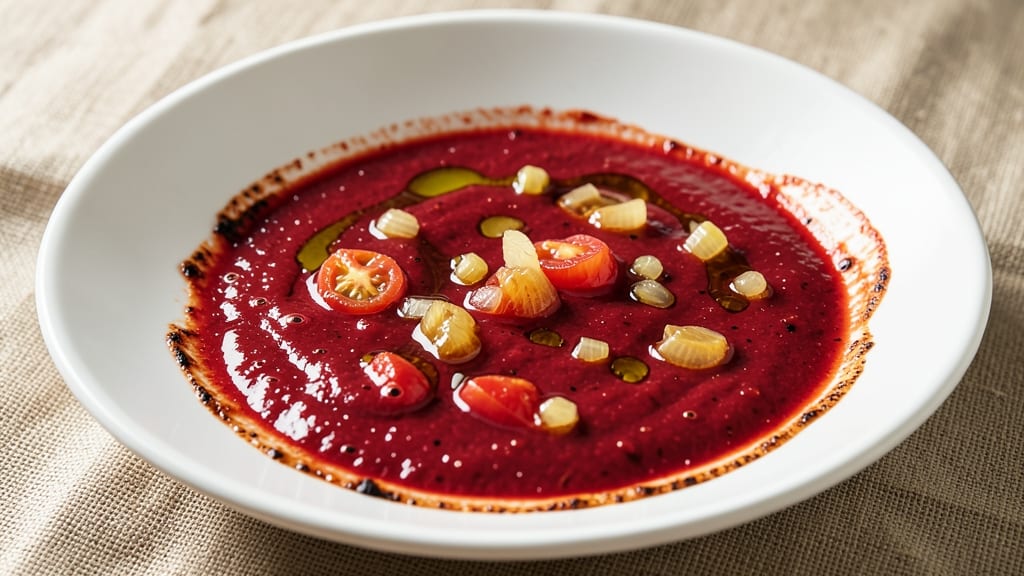
Recreating Carrabba's signature red sauce at home delivers that signature slow-simmered depth and bright basil finish that elevates every pasta dish. The secret lies in balancing sweet tomatoes, aromatic garlic, and a touch of wine for complexity—all reduced into a velvety sauce that clings perfectly to noodles.
I've perfected this version after years of testing, ensuring every batch captures that restaurant-quality umami punch without shortcuts.
What sets this sauce apart is the two-stage cooking process: first simmering the base until deeply flavorful, then finishing with fresh basil to maintain that vibrant, aromatic note. The sauce thickens naturally as it reduces, creating that ideal consistency—neither too thin nor cloying.
With just 10 simple ingredients and a 45-minute active time, you'll have a sauce that rivals any Italian restaurant's version.
The result is a rich, balanced red sauce with layers of sweetness, acidity, and herbaceousness—perfect for tossing with pasta, drizzling over grilled meats, or even using as a marinade.
The fresh basil finish ensures brightness, while the slow simmer develops that signature depth that makes this sauce unforgettable. Once you taste the difference, store-bought will never compare again.
Store any leftovers in an airtight container in the refrigerator for up to 5 days, or freeze for 3 months—though you'll likely use it all before then. This sauce transforms ordinary meals into restaurant-worthy experiences with minimal effort. Let's get simmering!
Ingredients for carrabba's red sauce
Nine simple ingredients transform into Carrabba's signature velvety red sauce with deep umami and bright basil notes.
| Ingredient | Amount | Notes |
|---|---|---|
| Extra-Virgin Olive Oil 🫒 | ½ cup | High-quality, fruity variety |
| San Marzano Crushed Tomatoes 🍅 | 2 cups | Canned, no salt added |
| Garlic Cloves 🧄 | 4 cloves | Freshly minced, aromatic |
| Yellow Onion 🧅 | 1 whole | Medium, finely diced |
| Dry Red Wine 🍷 | ½ cup | Bold, like Cabernet Sauvignon |
| Tomato Paste 🍅 | 1 tbsp | Smooth, no sugar added |
| Fresh Basil Leaves 🌿 | ½ cup | Packed, stems removed |
| Diamond Crystal Kosher Salt 🧂 | 1 ½ tsp | Fine grain preferred |
| Ground Black Pepper 🌶️ | ½ tsp | Freshly ground preferred |
| Red Pepper Flakes 🌶️ | ¼ tsp | For subtle heat |
The tomatoes are non-negotiable. San Marzano is the gold standard—sweet, meaty, and built for slow simmering. I grab the 400g canned version at Whole Foods or Trader Joe's because the flavor is unmatched. The garlic needs to be freshly minced (no pre-minced jars), and the onion should be diced small enough to dissolve into the sauce. Red wine adds that restaurant-quality depth—any bold, dry red works, but Cabernet Sauvignon or Merlot are my go-tos. The tomato paste is the umami secret weapon; Barilla or Rao's are reliable brands.
No red wine? Dry red wine vinegar or beef broth works in a pinch, but the flavor won't be identical. Fresh basil is ideal, but if you're using dried, cut the amount to one-third and add it at the very end. The kosher salt is crucial—Diamond Crystal dissolves perfectly, while table salt can leave grit. For extra richness, a splash of balsamic vinegar at the finish rounds out the flavors. The red pepper flakes are optional but add that subtle heat Carrabba's sauce is known for—start with less and adjust to taste.
This sauce tastes even better the next day as the flavors meld. Store in an airtight container in the fridge for up to 5 days, or freeze for 3 months in ice cube trays for single-serving portions. I always double the batch—it disappears faster than you'd think. The sauce thickens as it cools, so a splash of water or broth can loosen it up if needed. Perfect for pasta, grilled chicken, or even as a marinade for steak.
Why You'll Love This Recipe
- No Chopping Chaos: I swear by this recipe because it only asks for one onion to dice—and I’m not a knife person. The rest? Just crush tomatoes, mince garlic, and let the wine do the work. Twenty minutes later, you’ve got restaurant-quality sauce without the stress.
- Wine-Infused Magic: That splash of dry red wine? It’s the secret weapon. It deepens the flavor so much, you’ll taste it in every bite—whether you’re slathering it on pasta or dipping crusty bread. Honestly, it’s the kind of sauce that makes you pause mid-bite and go, “Wait, is this really homemade?”
- Pasta Party Ready: This sauce is my go-to for everything: weeknight dinners, game-day appetizers, or when I’m feeding a crowd. Toss it with penne, drizzle it over grilled chicken, or even use it as a pizza base. It’s the kind of recipe that turns “what’s for dinner?” into “Let’s do this!”
- Budget-Friendly Luxury: San Marzano tomatoes and good olive oil aren’t cheap, but they stretch far—this batch feeds my family for three meals. Plus, the wine doesn’t have to be fancy; a $10 bottle works just fine. It’s the kind of sauce that makes midweek feel special without breaking the bank.
Step-by-step instructions for Carrabba's red sauce recipe
This slow-simmered sauce builds depth through patience and proper technique.
Sauté the Aromatics in Olive Oil
Heat the 0.5 cup extra-virgin olive oil in a heavy-bottomed saucepan over medium-low heat. Add the 1 whole yellow onion, finely diced, and cook for 8-10 minutes until translucent and beginning to soften. The oil should shimmer but not smoke—this prevents burning and preserves the onion's sweetness.
Add the 4 cloves garlic cloves, freshly minced, and cook for another 1-2 minutes until fragrant. Here's the thing—garlic burns quickly, so keep a close eye. You'll know it's ready when the raw aroma gives way to a warm, toasty scent. Remove from heat briefly if needed to prevent color loss, but return it to the pan once the garlic cools slightly.
Develop the Sauce Base with Wine and Tomatoes
Return the pan to medium heat and stir in the 1 tablespoon tomato paste, allowing it to cook for 1 minute until it darkens slightly and releases its concentrated flavor. Deglaze immediately with the 0.5 cup dry red wine, scraping up any browned bits from the bottom of the pan. These bits are packed with flavor—don't miss them.
Add the 2 cups San Marzano crushed tomatoes and bring to a gentle simmer. Here's where the magic happens: let it cook uncovered for 15 minutes at a steady low boil, stirring occasionally. You're building the sauce's foundation, so don't rush this step. The tomatoes should reduce slightly and develop a thicker consistency, with a glossy sheen indicating proper reduction.
Season and Simmer for Umami Depth
Add the 1.5 teaspoons Diamond Crystal kosher salt, 0.5 teaspoon ground black pepper, and 0.25 teaspoon red pepper flakes. Stir well to combine, then reduce heat to maintain a gentle simmer. Let it cook uncovered for 20-25 minutes, stirring occasionally. The sauce should thicken noticeably, and the flavors should meld together—this is when the umami truly develops.
I know it seems like a long wait, but trust the process. Your oven might run hot, so start checking at the 20-minute mark. You're looking for a sauce that coats the back of a spoon but isn't gluey. If it's too thick, add a splash of water to loosen it to your desired consistency. The sauce should smell rich, with notes of tomato, wine, and garlic working in harmony.
Finish with Fresh Basil
Remove the sauce from heat and stir in the 0.5 cup fresh basil leaves, stems removed. Let it steep for 5 minutes, then taste and adjust seasoning if needed. The basil should brighten the sauce with its fresh, herbal notes, balancing the deep umami flavors. Here's the moment that matters: the sauce should be vibrant, with a perfect balance of acidity, sweetness, and heat.
For best results, use the sauce immediately or store it in an airtight container in the refrigerator for up to 5 days. Reheat gently over low heat, stirring occasionally, to maintain its texture. This sauce is the heart of your dish—let it shine in pasta, as a marinade, or as a dipping sauce for crusty bread.
Pro Tips For Making Carrabba'S Red Sauce
- Sweat the Onion Low: Walk away when the onion turns translucent—don’t rush to brown it. I learned this the hard way after charring three onions and ending up with bitter sauce. A gentle simmer over medium-low heat keeps the flavor sweet and mellow, not burnt.
- Use Whole Garlic: Peel and smash the cloves instead of mincing them—this prevents burning and lets the flavor infuse gradually. After burning a batch of garlic into oblivion, I switched to whole cloves and noticed a smoother, deeper taste in the sauce.
- Deglaze with Wine Early: Add the red wine the second the onions soften—don’t wait for the garlic to brown. This keeps the alcohol from overpowering the sauce and lets it reduce cleanly. Skip this, and you’ll end up with a boozy, unfinished flavor.
- Simmer Uncovered, Stir Often: Let the sauce bubble gently uncovered for at least 30 minutes, stirring every 5-10 minutes. This thickens it naturally without scorching. I used to cover it and ended up with a gloppy, uneven texture—stirring keeps it smooth and glossy.
Common mistakes when making perfect results
Over-Simmering the Sauce
One of the biggest mistakes is letting the sauce simmer too long, which can turn it bitter or overly thick. I’ve seen people walk away from the stove, only to return to a sauce that’s lost its bright tomato flavor and gained an unpleasant sharpness.
Keep a close eye on it after the 20-minute mark—the sauce should coat the back of a spoon but still be smooth, not gluey. If it starts to darken too much or smell harsh, remove it from heat immediately. 🌡️
Skipping the Wine Deglaze
Many home cooks overlook the wine deglazing step, which is where the sauce gets its restaurant-quality depth. That 0.5 cup dry red wine isn’t just for flavor—it scrapes up the browned bits (fond) from the pan, which are packed with caramelized umami.
If you skip this, your sauce will taste flat and one-dimensional. Always deglaze with wine or another acidic liquid like vinegar or broth if you’re avoiding alcohol.
Using Pre-Minced Garlic
Pre-minced garlic from jars lacks the fresh, aromatic punch of freshly minced cloves. When garlic is pre-minced, it oxidizes quickly, losing its sweetness and developing a harsh, bitter taste. I always use a microplane or knife to mince my garlic just before cooking.
The difference in flavor is night and day—your sauce will thank you for the effort. 🧄
Adding Basil Too Early
Fresh basil is delicate and releases its oils when exposed to heat. If you add it too early in the cooking process, it’ll turn bitter and lose its bright, herbal notes.
The key is to stir it in at the very end and let it steep for just 5 minutes off the heat. This ensures it infuses the sauce without cooking down into oblivion. Trust me, your sauce will taste like it came straight from Carrabba’s if you time this right.
Ignoring Salt Adjustments
Many recipes assume you’ll taste and adjust seasoning, but home cooks often skip this critical step. The sauce needs to be seasoned to taste, especially after simmering, because flavors intensify as it reduces.
I always start with the 1.5 teaspoons kosher salt but add more if needed—don’t be afraid to taste and adjust. A well-seasoned sauce is the difference between good and great. 🧂
Using Low-Quality Tomatoes
Not all tomatoes are created equal, and using inferior ones will ruin your sauce. I can’t stress enough how important it is to use San Marzano crushed tomatoes—they’re sweet, meaty, and built for slow simmering.
Cheaper brands or canned tomatoes with added salt or sugar will make your sauce taste flat or overly salty. Invest in quality, and your sauce will shine. The extra cost is worth it for that restaurant-quality taste. 🍅
Nutrition facts
Frequently asked questions
Can I make this sauce without red wine?
The wine adds depth, but you can substitute 0.5 cup dry red wine vinegar or 0.5 cup beef broth for a similar acidity. For best results, use a bold red wine like Cabernet Sauvignon—it creates that signature umami complexity. The sauce will still taste great, just slightly less refined.
How do I adjust the thickness of the sauce?
If your sauce is too thick, add 1-2 tablespoons water or broth at a time while stirring. For a thicker consistency, simmer uncovered for 5-10 extra minutes to reduce further. The ideal texture coats the back of a spoon but remains smooth—like a thin paint. Adjust gradually to avoid thinning it too much.
Can I use dried basil instead of fresh?
Yes, but reduce the amount to 1 teaspoon dried basil (one-third the fresh amount) and add it with the other herbs at the 20-minute mark. Fresh basil provides vibrant aroma and brightness that dried can't fully replicate. For the best Carrabba's-style finish, fresh is worth the effort.
What's the best way to reheat leftover sauce?
Gently reheat over low heat in a saucepan, stirring frequently, until warmed through (5-7 minutes). Avoid high heat to prevent skin formation. For microwave reheating, use 30-second intervals on low power, stirring between each. The sauce thickens as it cools, so add a splash of water if needed.
Is this sauce gluten-free?
The recipe is naturally gluten-free, but always check your San Marzano tomatoes and tomato paste labels for hidden gluten. The wine and olive oil are typically gluten-free, though some brands may process with gluten-containing ingredients. For absolute certainty, use certified gluten-free products.