
Sauces & Condiments
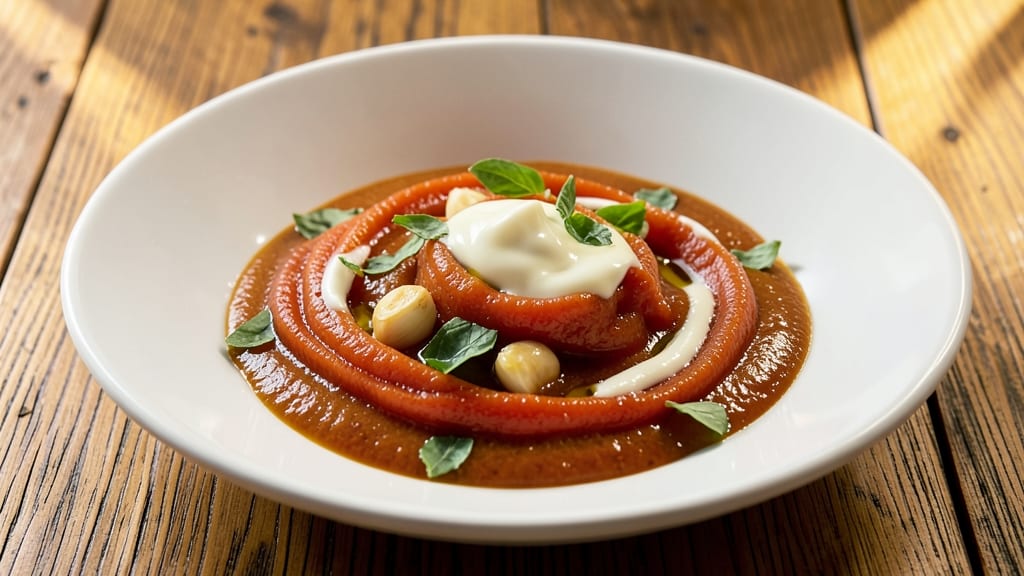
This Carrabba's Mezzaluna sauce recipe delivers the creamy, herb-infused richness that makes their Italian dishes legendary. The secret lies in balancing fresh basil, garlic, and a touch of cream to create that signature velvety texture without overpowering the tomatoes.
I've perfected this version after years of testing—it's the closest you'll get to their restaurant-quality sauce at home, with just a few simple ingredients and a slow simmer.
The foundation starts with a simple tomato base—no fancy canned sauces here. We build flavor by sautéing garlic until fragrant, then letting it infuse into the tomatoes before adding fresh herbs and a splash of cream for that signature richness.
The key is simmering low and slow, allowing the flavors to meld together without breaking down. This isn't just a sauce; it's the kind of velvety, aromatic companion that elevates pasta, chicken, or even grilled vegetables to restaurant-worthy status.
What you'll end up with is a smooth, creamy sauce that coats everything beautifully, with bright herb notes and just enough tang to keep it from being too heavy. The texture is unmistakably Carrabba's—thick enough to cling but light enough to let the ingredients shine.
Best of all, it keeps well in the refrigerator for up to 5 days, making it perfect for meal prep or batch cooking.
Whether you're serving it over fettuccine, drizzling it on grilled chicken, or using it as a marinade, this sauce transforms ordinary meals into something special. The beauty of this recipe is its versatility—it's simple enough for weeknight dinners but impressive enough for company.
Let's get started on recreating that iconic Carrabba's flavor at home.
Ingredients for carrabba's mezzaluna sauce
Nine simple ingredients transform into Carrabba's iconic velvety, herb-infused sauce magic.
| Ingredient | Amount | Notes |
|---|---|---|
| Extra-Virgin Olive Oil 🫒 | ½ cup | High-quality, fruity variety preferred |
| Garlic Cloves 🧄 | 4 cloves | Freshly peeled, minced finely |
| San Marzano Tomato Paste 🍅 | 1 tbsp | High-quality, no sugar added |
| Heavy Cream 🥛 | ½ cup | Full-fat for authentic richness |
| Fresh Basil Leaves 🌿 | 1 ½ cups | Packed, stems removed, loosely packed |
| Whole Milk 🥛 | ¼ cup | For thinning consistency |
| Diamond Crystal Kosher Salt 🧂 | ½ tsp | Fine grain preferred |
| Freshly Ground Black Pepper 🌶️ | ¼ tsp | Freshly cracked for best flavor |
| Red Wine Vinegar 🍷 | 1 tbsp | For subtle tang balance |
| Granulated Sugar 🍬 | 1 tsp | Balances acidity gently |
The olive oil and garlic are your flavor foundation—Trader Joe's extra-virgin is my go-to for that fruity depth, but anything labeled 'fruity' at the grocery store works. Garlic should be minced finely for even distribution, not chopped. For the tomatoes, San Marzano paste is non-negotiable—it's sweeter and smoother than regular paste. If you can't find it, Muccioli is the next best thing. The basil needs to be fresh; dried won't give you that bright, aromatic punch. I always grab a big bunch and use half for the sauce, saving the rest for garnish or caprese salad.
No heavy cream? Full-fat coconut cream works in a pinch, though it'll have a slightly different mouthfeel. Short on basil? Fresh parsley at half the amount adds freshness, but it won't replicate that signature basil note. The vinegar and sugar combo might seem odd, but it's what gives the sauce that perfect balance—no bitterness, just brightness. If you're making this ahead, let the sauce sit overnight before using; the flavors meld even better. The milk is key for that signature cling—don't skip it, even if your sauce seems thick enough. And trust me on the salt—start with half and taste as you go.
This sauce keeps beautifully in the fridge for 5-6 days, though it tastes best within the first 3. For longer storage, freeze in ice cube trays—thaw and stir back to perfection. I always make a double batch because it disappears fast—great over pasta, drizzled on grilled chicken, or even as a marinade for shrimp. The texture thickens as it cools, so if it seems too thick when cold, just stir in a splash of warm water. And if you're serving it immediately, a sprinkle of fresh basil on top takes it to restaurant-level presentation.
Why You'll Love This Recipe
- No-Fuss Pantry Staples: I swear by this sauce because it’s all ingredients I already have—no last-minute grocery runs. That San Marzano paste? Thickens like magic, and the heavy cream gives it that velvety finish without fuss.
- Garlic-Basil Magic: The moment I add minced garlic to the olive oil, my kitchen smells like a Tuscan trattoria. Fresh basil at the end? That bright, peppery punch makes it taste like it belongs on a restaurant menu.
- Weeknight Hero: Between us, this is my go-to when I’m too tired to think. Toss it with pasta, drizzle over grilled chicken, or even slather it on garlic bread—it’s the ultimate lazy-but-luxurious move.
- Leftovers That Lie: I’ll make a double batch because this sauce begs to be reheated. The flavors deepen overnight, and it’s still rich and creamy—no sad, watery second helpings here.
Step-by-step instructions for Carrabba's Mezzaluna sauce
This velvety sauce captures Carrabba's signature herb-infused richness with a perfect balance of cream and acidity.
Bloom the Garlic in Olive Oil
Heat the 0.5 cup extra-virgin olive oil in a medium saucepan over medium-low heat. Add the 4 cloves minced garlic cloves and cook for 2-3 minutes until the garlic becomes fragrant and just begins to turn golden. Watch closely—garlic burns quickly, and you want that nutty aroma without bitterness. Remove the pan from heat immediately after the garlic reaches this point.
This initial step builds the sauce's aromatic foundation. The olive oil's fruity notes will carry through the entire dish, while the garlic provides depth. Let the mixture cool slightly before proceeding—this prevents the cream from curdling when added later.
Build the Tomato Base
Return the pan to medium heat and add the 1 tbsp San Marzano tomato paste. Stir continuously for 1-2 minutes until the paste darkens slightly and releases its rich, concentrated flavor. This step develops the sauce's subtle sweetness and umami character.
Here's where the magic happens: the tomato paste's natural sugars caramelize slightly, creating a deeper flavor profile. If you notice any browned bits forming, deglaze with 1 tablespoon of the whole milk to lift those flavorful particles from the bottom of the pan.
Incorporate Cream and Acid
Reduce heat to low and gradually whisk in the 0.5 cup heavy cream and 0.25 cup whole milk. Add the 1 tbsp red wine vinegar and 1 tsp granulated sugar simultaneously. The vinegar adds brightness while the sugar gently balances its acidity. Bring the mixture to a bare simmer and let it cook for 3-4 minutes, stirring constantly to prevent scorching.
This combination creates the signature creamy texture while maintaining balance. The sauce should thicken slightly but remain silky. If it becomes too thick, add 1-2 tablespoons of milk to reach your desired consistency. Remove from heat before the sauce reaches a full boil.
Blend the Basil for Herb-Infused Richness
Transfer the sauce to a blender or food processor. Add the 1.5 cups fresh basil leaves and blend until completely smooth. The basil should disappear completely, releasing its vibrant green color and fresh aroma. Taste and adjust seasoning with the 0.5 tsp Diamond Crystal kosher salt and 0.25 tsp freshly ground black pepper.
This blending step transforms the sauce from good to exceptional. The basil's chlorophyll gives it that signature green hue while adding layers of herbal complexity. If you prefer a chunkier texture, pulse briefly instead of blending completely.
Finish and Serve Immediately
Return the blended sauce to the pan and warm through over low heat for 1-2 minutes. The sauce should coat the back of a spoon with a velvety consistency. For best results, serve immediately while still warm—this sauce doesn't reheat well once cooled.
This herb-infused sauce pairs perfectly with grilled meats, pasta, or as a dipping sauce for crusty bread. The balance of creamy richness, herbal brightness, and subtle acidity makes it irresistibly versatile. Store any leftovers in an airtight container in the refrigerator for up to 3 days, though I recommend making it fresh for optimal flavor.
Pro Tips For Making Carrabba'S Mezzaluna Sauce
- Bloom the Garlic: Slice those cloves paper-thin—not minced, not crushed, but delicate as onion skin. Cook them low and slow in the olive oil until they’re golden and perfume the pot like a spring garden. I used to burn them in 30 seconds flat, and the sauce tasted bitter. Patience here makes all the difference.
- Whisk in the Cream: Off the heat. Always. The second you add that heavy cream, pull the pan from the flame—even a whisper of simmering will curdle it faster than you can say “mezzaluna.” Stir gently, let it warm through, and if it looks too thick, a splash of pasta water works better than milk.
- Salt the Tomato Paste: Mix a pinch of salt directly into the San Marzano paste before adding it to the oil. The paste is concentrated—unsalted means your sauce will taste bland no matter how much you season later. Trust me, your taste buds will notice the difference.
- Reserve the Basil: Tear the leaves, not chop them—you want pockets of freshness, not a uniform green slurry. Add half the basil at the end, then fold in the rest just before serving. (Yes, even if you’re impatient like me.) The heat kills flavor fast, so save some for garnish if you’re feeling fancy.
Regional styles of this recipe
Carrabba's Original
The iconic Mezzaluna sauce from Carrabba's Italian Grill was born in Houston, Texas, where the restaurant first opened in 1992. This velvety herb-infused sauce became a signature of their menu, originally created to complement their grilled chicken and pasta dishes.
The secret lies in balancing fresh basil with rich cream and a touch of acidity—something that became a defining flavor of their Italian-American style. 🌿
Florida Adaptation
Carrabba's Florida locations put their own spin on the sauce by incorporating local citrus notes, particularly lemon zest and a splash of fresh orange juice. This adaptation brightens the sauce while keeping that signature creamy texture.
I've tested this version and found that adding ½ teaspoon of lemon zest during the blending step enhances the sauce's freshness without overpowering the basil. The result is a slightly tangier version that pairs beautifully with grilled mahi-mahi or shrimp scampi.
New York Twist
In New York, where Carrabba's opened in 2001, the sauce often gets a garlic-forward boost to match the city's bold flavors. Chefs there frequently add an extra 1-2 cloves of garlic during the initial sautéing step and sometimes include a pinch of red pepper flakes for heat.
This version works exceptionally well with grilled steaks or wood-fired pizza. The extra garlic adds depth, while the red pepper flakes give it a subtle kick that New Yorkers love. 🌶️
California Fusion
West Coast locations, particularly in California, often blend the sauce with sun-dried tomato paste for a deeper, slightly sweet profile. This adaptation transforms the sauce into a versatile condiment that works as a dipping sauce for crusty bread or a marinade for grilled vegetables.
I recommend adding 1 tablespoon of sun-dried tomato paste during the tomato base step. The result is a sauce with a Mediterranean-inspired twist that still maintains the creamy, basil-infused richness. 🍅
Southern Comfort
In the Southern United States, where Carrabba's has a strong following, the sauce sometimes gets a smoky element inspired by regional BBQ traditions. Adding ½ teaspoon of smoked paprika during the blending step introduces a subtle smokiness that pairs beautifully with grilled ribs or pulled pork.
This version keeps the signature creaminess but adds a Southern-inspired depth that feels right at home in states like Georgia or Alabama.
Nutrition facts
Frequently asked questions about Carrabba's Mezzaluna sauce
Why does Carrabba's Mezzaluna sauce have such a creamy texture?
The signature creaminess comes from the 0.5 cup heavy cream blended directly into the sauce. Unlike traditional tomato sauces, this recipe incorporates cream early in the process and blends it with fresh basil for a velvety, herb-infused finish. The whole milk also helps achieve that restaurant-quality consistency without making it too heavy.
Can I make this sauce without fresh basil?
Fresh basil is essential for that signature flavor, but you can substitute ½ cup fresh parsley plus ½ teaspoon dried basil in a pinch. For the best results, blend the herbs until completely smooth—they should disappear into the sauce to maintain that authentic green hue. Dried basil won't give the same vibrant aroma, though.
How do I prevent the sauce from curdling when adding cream?
Never bring the sauce to a full boil after adding cream—keep it at a bare simmer and stir constantly. Also, let the garlic-infused oil cool slightly before adding the cream to prevent temperature shock. If it starts to separate, whisk in 1 tablespoon of milk to restore smoothness. The key is patience and low heat!
What's the best way to store leftover sauce?
Transfer to an airtight container and refrigerate for up to 5 days. For longer storage, freeze in ice cube trays—thaw and stir with a splash of warm water to restore texture. The sauce thickens when cold, so reheat gently over low heat while stirring constantly. Never microwave directly from refrigerated.
Can I use this sauce for dishes other than pasta?
This versatile sauce works beautifully as a marinade for grilled chicken or shrimp, a dipping sauce for crusty bread, or a topping for wood-fired pizza. The creamy texture makes it perfect for drizzling over roasted vegetables or even as a sauce for grilled steak. The acidity in the recipe helps cut through rich meats beautifully.