
Sauces & Condiments
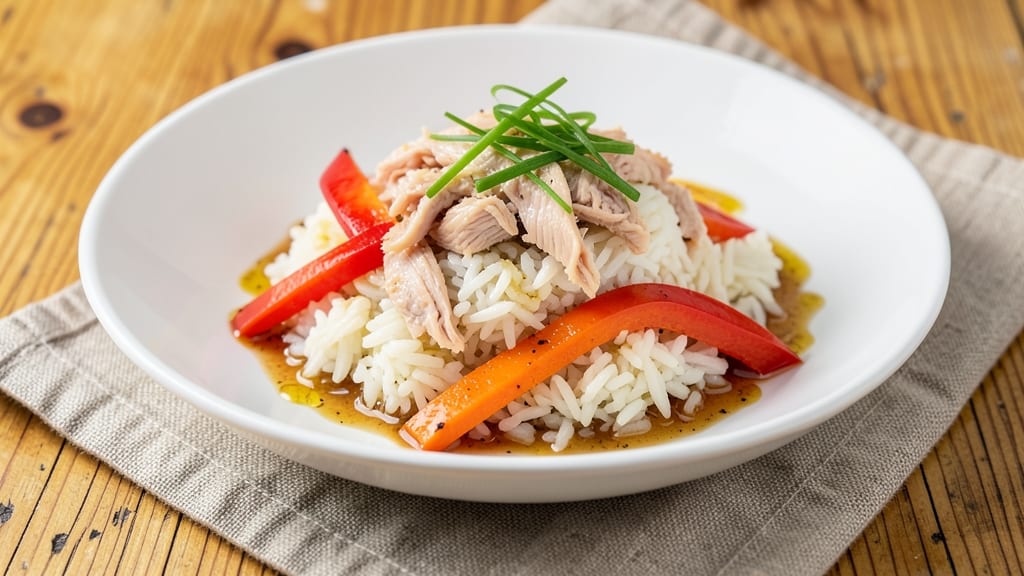
Transforming simple canned tuna into a restaurant-worthy dish takes just 10 minutes with this umami-packed soy sauce bowl—no fancy ingredients required. The secret lies in balancing rich soy sauce with crisp vegetables and perfectly cooked rice, creating a protein-packed meal that delivers bold Japanese-inspired flavors.
I developed this recipe after realizing how quickly canned tuna could become the star of a weeknight dinner when paired with the right seasonings and textures.
This dish proves that high-protein meals don’t need to be complicated—just a can of tuna, soy sauce, and a handful of fresh ingredients come together in minutes. The key is high-heat stir-frying to maintain crispness in the vegetables while letting the soy sauce infuse every bite.
Whether you're meal prepping for the week or throwing together dinner in a flash, this bowl delivers savory, satisfying results without sacrificing nutrition or flavor.
What you’ll end up with is a perfectly balanced bowl featuring tender tuna, crisp vegetables, and fluffy rice—all coated in a glossy soy-ginger glaze that ties every component together.
The contrast of textures—soft rice, crunchy veggies, and flaky tuna—makes each bite exciting, while the soy sauce adds depth that transforms this into something far more than a simple canned tuna dish. This is the kind of meal that proves pantry staples can shine when used thoughtfully.
The best part? This recipe scales effortlessly—double it for leftovers or halve it for a single serving. Pair it with steamed edamame or a sprinkle of sesame seeds for extra flavor. Let’s get cooking—your taste buds (and your schedule) will thank you.
Ingredients for canned tuna soy sauce
Pantry staples meet crisp veggies and flaky tuna for this umami-packed soy sauce bowl.
| Ingredient | Amount | Notes |
|---|---|---|
| Canned Tuna in Water 🐟 | 2 cans | Drained, flaked with fork |
| White Rice 🍚 | 1 ½ cups | Uncooked, long-grain preferred |
| Red Bell Pepper 🍅 | 1 whole | Thinly sliced, seeds removed |
| Carrot 🥕 | 1 whole | Julienned into thin strips |
| Green Onion 🧅 | 3 whole | Thinly sliced, white and green parts |
| Sesame Oil 🫒 | 1 tbsp | Toasted for aroma |
| Soy Sauce 🍶 | ½ cup | High-quality, reduced-sodium preferred |
| Rice Vinegar 🍶 | 1 tbsp | White or seasoned |
| Fresh Ginger 🌿 | 1 tbsp | Grated, finely minced |
| Sesame Seeds 🌰 | 1 tbsp | Toasted for garnish |
| Vegetable Oil 🫒 | 1 tbsp | High smoke point for stir-frying |
| Garlic Cloves 🧄 | 2 cloves | Minced, finely chopped |
| Salt 🧂 | ½ tsp | Kosher or sea salt |
| Black Pepper 🌶️ | ¼ tsp | Freshly ground |
The rice is your base, so don’t skimp on quality. Jasmine or basmati cooks up fluffier than white rice, but any long-grain works. Trader Joe’s and Costco sell bulk rice at great prices—just check the expiration date. For the tuna, Wild Planet or Starkist in water (not oil) keeps things light. The bell pepper and carrot should be firm with vibrant color—no wilting or soft spots. Green onions? Grab a bunch and use the whites for flavor, greens for garnish. Fresh ginger is a must here—Penzeys sells pre-grated if you’re short on time, but freshly grated has more punch.
No soy sauce? Coconut aminos or tamari work in a pinch, though the flavor won’t be identical. Short on bell pepper? Red onion or snap peas add crunch. The sesame oil is non-negotiable for aroma—Kadoya or La Tourangelle are top-tier. For the ginger, if you’ve got powdered, double the amount but toast it first in the pan for 30 seconds to wake up the flavor. The garlic can be pre-minced from a jar, but freshly minced has more impact. And if you’re prepping ahead, cook the rice first—it reheats beautifully.
This bowl keeps for 4 days in the fridge, though the veggies get softer over time. For best texture, store components separately—rice in one container, veggies in another, tuna and sauce together. Reheat rice with a splash of water, veggies in a dry pan over medium heat. The sauce can be reheated on its own—just give it a stir. For meal prep, portion into bento boxes with compartments so everything stays crisp. Freezes for 2 months if you’re planning ahead, but the texture changes slightly after thawing.
Why You'll Love This Recipe
- Pantry Magic: I swear by this one—no fresh herbs, no fancy prep, just what’s already in my cupboard. The canned tuna and soy sauce do all the heavy lifting while I chop one bell pepper and carrot in under five minutes. Honestly, it’s the kind of meal that makes me feel like I’ve earned my dinner without actually slaving over it.
- Umami Bomb: That first bite? Chef’s kiss. The soy sauce cuts through the tuna’s richness, while the crisp-tender bell pepper and carrot add just enough crunch to keep it interesting. Between us, I’ve tried fancier tuna dishes, but this? It’s the one my picky roommate actually finishes.
- Lunchbox Hero: Pack it cold or reheat it—this dish is my go-to for meal prep because it doesn’t get soggy or boring. The rice stays fluffy, the veggies hold their shape, and the green onion on top adds a bright finish that makes it feel fresh even after three days. (Yes, even on a Tuesday night.)
- Budget Win: For under $5, I feed four people a meal that feels like a restaurant dish. The tuna’s cheap, the rice is a staple, and the veggies stretch further than you’d think. I’ll be real: I make this when I’m broke, but I still order it when I’m not.
Step-by-step instructions for canned tuna soy sauce protein bowl
Here's how to assemble this umami-rich bowl with perfect texture and balanced flavors.
Cook the White Rice to Ideal Texture
Rinse the 1.5 cups of white rice under cold water until the water runs clear, then drain well. This removes excess starch that would make the rice gummy. Transfer to a pot with 3 cups of water and bring to a boil over high heat.
Once boiling, reduce heat to medium-low, cover with a tight-fitting lid, and simmer for 15 minutes. Real talk: don't peek or lift the lid during cooking—steam escape makes rice uneven. After 15 minutes, turn off heat and let it steam covered for another 10 minutes. The rice should be fluffy with no liquid remaining, ready to absorb all those delicious soy sauce flavors.
Prepare the Vegetable Stir-Fry Base
Heat the 1 tablespoon vegetable oil in a large skillet over medium-high heat until shimmering. Add the 2 cloves minced garlic and stir for 30 seconds until fragrant—this prevents bitter garlic flavors. Add the 1 whole red bell pepper sliced thin and 1 whole carrot julienned into strips, cooking for 4-5 minutes until the vegetables soften but retain their color.
Here's the thing—you want them tender-crisp, not mushy. Toss occasionally with tongs to ensure even cooking. Add the 3 whole green onions sliced thin and the 1 tablespoon finely minced fresh ginger, stirring for another 30 seconds until the ginger releases its aromatic oils. Remove from heat and set aside temporarily—this keeps the vegetables vibrant for when we combine everything.
Flake the Canned Tuna and Assemble the Bowl
Open the 2 cans of canned tuna in water and drain thoroughly, then flake each with a fork into a medium bowl. Add the 0.5 cup soy sauce, 1 tablespoon rice vinegar, 0.5 teaspoon salt, and 0.25 teaspoon black pepper. Stir gently to combine—you want the tuna to absorb the sauce without breaking apart completely. The mixture should look glossy and well-coated.
Divide the cooked white rice evenly among 4 bowls. Top each portion with the tuna mixture, then spoon the vegetable stir-fry over the top. Drizzle with the 1 tablespoon toasted sesame oil and sprinkle with the 1 tablespoon toasted sesame seeds. The contrast of textures—fluffy rice, tender vegetables, and flaky tuna—makes this dish truly satisfying.
Garnish and Serve Immediately
For the final touch, give each bowl a quick garnish of extra green onion slices and a final drizzle of sesame oil. The aroma alone will have everyone at the table eager to dig in. This dish comes together so quickly that every component stays vibrant and full of flavor—no sad, soggy vegetables here.
Serve immediately while the rice is still warm and the vegetables retain their crisp texture. The umami from the soy sauce will complement the freshness of the vegetables perfectly, creating a balanced, protein-packed meal that's ready in just 10 minutes. Don't skip the sesame seeds—they add that final nutty crunch that takes this bowl from good to exceptional.
Pro Tips For Making Canned Tuna Soy Sauce
- DRAIN AND PRESS THE TUNA: That canned water? It’s the real deal-breaker. Drain the tuna, then press it dry in a fine-mesh strainer for 30 seconds—this keeps your dish from turning into a sad, watery mess. I learned this the hard way after serving a bowl that looked more like tuna soup than a flavor-packed stir-fry.
- CUT BELL PEPPERS INTO THIN STRIPS: Skip the big chunks—slice the red bell pepper into paper-thin strips (about 1/8-inch thick) so they cook fast and stay crisp. Thick slices turn mushy, and nobody wants that rubbery texture fighting with the tuna’s texture. Use a sharp knife or a mandoline if you’re impatient like me.
- SOAK THE CARROTS HALF THE NIGHT: Toss grated carrots in cold water for 30 minutes (or overnight if you’re planning ahead). This removes excess starch and keeps them from turning into glue in your stir-fry. My grandmother swore by this, and she was right: the texture stays bright and the dish holds together better.
- STIR-FRY THE VEGETABLES FIRST: Cook the bell pepper and carrot in the pan for 2–3 minutes before adding the tuna and rice. This jumpstarts their flavor and prevents the tuna from turning into a sad, overcooked lump. High heat is your friend here—crank it up, then toss in the tuna and rice at the end to warm through.
Flavor customization for canned tuna soy sauce
Spicy Kick
For a bold twist, add 1 teaspoon of sriracha or ½ teaspoon of chili crisp to the tuna-soy sauce mixture before combining with the rice. This adds heat without overpowering the dish.
I like to balance it with an extra ½ teaspoon of honey or agave to mellow the spice. For extra heat lovers, sprinkle crushed red pepper flakes on top before serving. 🌶️
Sweet-Savory Glaze
Swap out half the soy sauce for a ¼ cup honey-soy glaze by simmering ¼ cup soy sauce with 2 tablespoons honey in a small saucepan for 3 minutes until thickened.
This adds caramelized depth that pairs beautifully with the tuna. Drizzle this glaze over the finished bowl instead of plain soy sauce for a restaurant-quality touch.
Citrus Zing
Brighten the dish with 1 tablespoon freshly squeezed lime juice or yuzu juice mixed into the soy sauce. The acidity cuts through the richness of the tuna and balances the umami. I also add 1 teaspoon of grated lime zest to the vegetables before stir-frying for an aromatic lift.
Garnish with lime wedges for serving—squeezing a little over each bowl adds freshness. 🍋
Umami Boost
For deeper savory flavor, stir 1 teaspoon of fish sauce or ½ teaspoon of oyster sauce into the soy sauce mixture. This enhances the tuna’s natural richness without altering the dish’s simplicity.
If you’re using oyster sauce, reduce the soy sauce by 1 tablespoon since it’s already salty. For a vegetarian twist, use mushroom powder (like Better Than Bouillon) instead.
Herbaceous Twist
Add fresh herbs like cilantro or basil for brightness. Chop ¼ cup cilantro and mix it into the tuna-soy sauce, or scatter fresh basil leaves over the finished bowl. For a more complex flavor, try thai basil—its anise notes complement the soy sauce beautifully.
Toast the herbs in the pan with the garlic for 10 seconds before adding vegetables to release their oils.
Crunchy Toppings
Elevate texture with toasted nuts or seeds. Sprinkle ¼ cup crushed peanuts or toasted sesame seeds on top for crunch. For extra indulgence, add 2 tablespoons of fried shallots (available at Asian markets) for a crispy, savory garnish. These toppings add contrast that makes every bite exciting. 🌰
Nutrition facts
Frequently asked questions
Can I use canned tuna in oil instead of water?
The recipe calls for tuna in water to keep the dish light and fresh. Using oil-based tuna will make the bowl richer and heavier, but it works if you prefer that texture. Just reduce the soy sauce by 1 tablespoon since oil-based tuna is saltier. For best results, drain the oil thoroughly before flaking the tuna.
What if I don’t have fresh ginger?
No problem! Use 1 teaspoon of ground ginger instead, but toast it in the pan with the garlic for 30 seconds to activate the flavor. For a stronger taste, try ½ teaspoon of ginger powder plus ½ teaspoon of lemon juice to mimic fresh ginger’s brightness. Avoid skipping it entirely—the ginger adds depth that balances the soy sauce.
How can I make this meal prep-friendly?
Store the components separately to keep everything crisp. Cook the rice and let it cool completely, then refrigerate in an airtight container. Pack the tuna-soy sauce mixture in one container and the stir-fried veggies in another. When ready to eat, reheat the rice with a splash of water, warm the veggies in a dry pan, and assemble fresh. This keeps the texture perfect for up to 4 days.
Is this dish gluten-free?
Only if you use gluten-free soy sauce! Regular soy sauce contains wheat. Look for certified gluten-free tamari or coconut aminos as a substitute. The rest of the ingredients are naturally gluten-free, so swapping just the soy sauce makes this dish safe for gluten-sensitive diets. Always check labels, as cross-contamination can occur during processing.
Can I add other proteins to this bowl?
Shrimp, tofu, or edamame work wonderfully. For shrimp, sauté ½ pound with the garlic until pink, then add to the tuna mixture. For tofu, press and cube ½ block, pan-fry until crispy, and layer on top. The key is balancing textures—keep the veggies crisp and the protein tender. The soy sauce will complement any of these additions beautifully.