
Sauces & Condiments
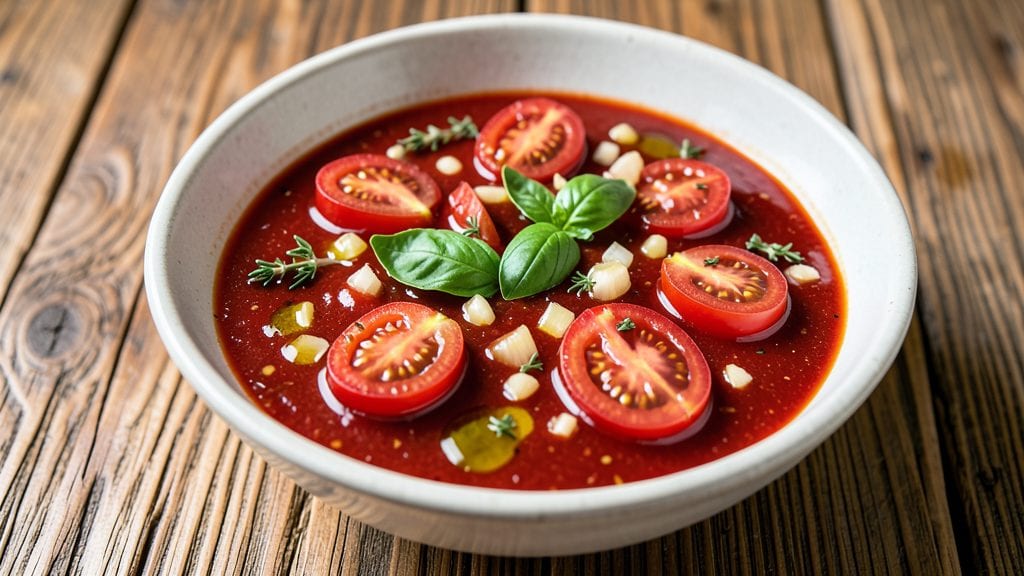
Transforming canned cherry tomatoes into a rich, velvety sauce unlocks a pantry staple that elevates everything from pasta to roasted meats. This recipe balances natural sweetness with bright herbal notes through careful simmering and precise seasoning—no fancy techniques required.
The result is a smooth, deeply flavorful sauce that keeps beautifully for months, ready to transform ordinary meals into restaurant-quality dishes.
What sets this sauce apart is its versatility and depth of flavor, achieved through a simple yet effective method. By simmering the tomatoes with aromatics like garlic, onions, and fresh herbs, we develop layers of complexity that store-bought sauces simply can't match.
The addition of a touch of sugar enhances the natural sweetness of the cherry tomatoes, while a splash of vinegar ensures proper acidity balance—critical for both flavor and preservation.
The process is straightforward but yields professional results: canned tomatoes are simmered until broken down into a luscious consistency, then blended or strained for smoothness. This method works equally well for immediate use or long-term storage, making it perfect for batch cooking.
Whether you're prepping for a busy week or stocking your pantry for winter, this sauce delivers consistent, restaurant-quality flavor every time.
Once complete, you'll have a versatile sauce that works as a base for pasta, a topping for grilled meats, or a marinade for vegetables. The bright herbal notes and balanced sweetness make it ideal for both classic Italian dishes and creative new recipes.
Let's get started on creating this flavorful foundation for your kitchen.
Ingredients for canned cherry tomato sauce
Nine simple ingredients transform canned cherry tomatoes into a velvety sauce bursting with herbal brightness.
| Ingredient | Amount | Notes |
|---|---|---|
| Canned Cherry Tomatoes 🍅 | 28 oz | San Marzano preferred, juices included |
| Yellow Onion 🧅 | 1 whole | Medium, finely diced |
| Garlic Cloves 🧄 | 4 cloves | Fresh, minced fine |
| Extra-Virgin Olive Oil 🫒 | ¼ cup | High-quality, fruity |
| Fresh Basil Leaves 🌿 | ½ cup | Packed, stems removed |
| Fresh Thyme Leaves 🌿 | ¼ cup | Packed, stems removed |
| Granulated Sugar 🍚 | 1 tbsp | Adjust to taste |
| White Wine Vinegar 🍶 | 1 tbsp | For acidity balance |
| Kosher Salt 🧂 | 1 ½ tsp | Diamond Crystal preferred |
| Ground Black Pepper 🌶️ | ½ tsp | Freshly cracked |
San Marzano cherry tomatoes are the gold standard here—their natural sweetness and lower acidity make all the difference. Trader Joe's and Whole Foods carry them year-round, and they're worth the extra cost. Fresh basil and thyme should be vibrant, not wilted—your local farmers market often has better quality than grocery stores. The olive oil isn't just for cooking; it carries the flavors throughout. Grab a high-quality extra-virgin like Colavita or Bertolli—the fruity notes shine through in the final sauce.
No San Marzano tomatoes? Any quality canned cherry tomatoes work—just taste first and adjust sugar/vinegar accordingly. Swap fresh herbs for dried at one-third the amount, but fresh is ideal. Short on vinegar? Lemon juice works too. The sugar can be omitted if your tomatoes are particularly sweet, but it helps balance acidity. For a deeper flavor, toast the garlic in the olive oil for 30 seconds before adding it to the tomatoes—that's where the magic happens. Want more body? Stir in 1 tbsp tomato paste at the end.
This sauce keeps beautifully—5 days refrigerated or 6 months frozen. For freezing, use airtight containers or silicone molds. I like to portion it into ice cube trays first, then transfer to freezer bags. The sauce actually improves with time as flavors meld. Reheat gently on the stove or microwave until just warm—never boil, or it'll separate. Perfect for batch cooking: make a double batch and freeze half for next month's pasta nights.
Why You'll Love This Recipe
- Pantry to Plate Fast: I swear by this sauce because it starts with one can—no fresh tomatoes to peel, no seeds to fuss with. Just open, drain, and simmer with onions and garlic until the kitchen smells like summer.
- Umami Bomb: That burst of sweet-tart cherry tomatoes with garlic sizzling in olive oil? It’s the kind of flavor that makes you pause mid-stir. Fresh basil at the end ties it all together like a little green ribbon.
- Weeknight Multitasker: Slather it on toast with ricotta, toss it with pasta, or drizzle it over grilled chicken—it’s my secret weapon for meals that feel special without the effort. (Yes, even on a Tuesday night.)
- Budget-Friendly Staple: A single can of tomatoes lasts me weeks—freeze extras or keep them in the fridge for whenever I need a quick, cheap flavor boost. Honestly, it’s the kind of recipe that makes grocery day less stressful.
Step-by-step instructions for canned cherry tomato sauce
Here's how to transform simple pantry staples into a velvety, herb-infused sauce with perfect balance.
Sauté Onion and Garlic Until Translucent
Heat the 0.25 cup extra-virgin olive oil in a large saucepan over medium heat. Add the 1 whole yellow onion, finely diced, and cook for 5-6 minutes until soft and just beginning to color. Here's the thing—you want the onions to become translucent without browning, as this prevents bitterness in your finished sauce.
Add the 4 cloves garlic cloves, minced fine, and cook for 30 seconds until fragrant. Watch carefully—garlic burns quickly. The moment you see it turn golden, remove the pan from heat briefly if needed. This aromatic base forms the flavor foundation for everything that follows, so don't rush this step.
Add Tomatoes and Simmer Until Thickened
Pour in the 28 oz canned cherry tomatoes, including their juices, and stir to combine with the onion mixture. Add the 1 tbsp granulated sugar and 1 tbsp white wine vinegar, then bring to a gentle boil. Here's where the magic happens: reduce heat to low-medium and let it simmer uncovered for 20-25 minutes, stirring occasionally.
You'll notice the sauce gradually thickens as the tomatoes break down. The sugar helps balance the acidity while the vinegar brightens the flavors. Stir every 5 minutes to prevent sticking, and taste after 15 minutes—this is when you can adjust seasoning if needed. The sauce should reduce to about 3 cups total volume by the end of this step.
Season and Incorporate Fresh Herbs
Add the 1.5 tsp kosher salt and 0.5 tsp ground black pepper, stirring well to distribute. Taste the sauce now—it should be balanced between sweet, tangy, and savory. If it needs more brightness, add a pinch of salt or a splash more vinegar.
Remove the pan from heat and stir in the 0.5 cup fresh basil leaves and 0.25 cup fresh thyme leaves, packed and stems removed. Let the herbs steep in the warm sauce for 5 minutes—this allows their oils to infuse fully. The basil will add freshness while the thyme contributes earthy depth. For maximum flavor, use the highest-quality herbs you can find.
Adjust Consistency and Finish
Return the sauce to low heat and simmer for an additional 5 minutes to meld all the flavors together. If the sauce is too thick for your liking, thin it with 1-2 tablespoons water or reserved tomato juices. Conversely, if it's too thin, simmer uncovered for another 5-10 minutes to reduce further.
The perfect consistency should coat the back of a spoon but still be pourable. Taste one final time, adjusting seasoning if needed. This sauce works beautifully as a base for pasta, a topping for grilled meats, or a dip for crusty bread—its versatility makes it a kitchen essential.
Pro Tips For Making Canned Cherry Tomato Sauce
- CRUSH THE ONIONS FIRST: I used to toss raw onion chunks into the pot and wonder why my sauce tasted sharp and undercooked. Instead, finely dice the onion (about ½ cup) and sweat it in olive oil for 5–6 minutes until translucent—this builds flavor without bitterness. (Yes, even if you’re impatient like me.)
- SIMMER LOW AND LONG: High heat turns cherry tomato sauce into a watery mess. After adding tomatoes, garlic, and a pinch of salt, reduce to a gentle simmer and let it cook uncovered for 20–25 minutes. This lets the natural sweetness concentrate and the acidity mellow out—no peeking or stirring constantly.
- SAVE THE JUICE: Draining the canned tomatoes before crushing them strips away the sweet, tangy juice that balances acidity. Instead, crush them by hand (or use a wooden spoon) right in the can, then pour everything—juice and all—into your pot. That extra liquid is where the magic happens.
- FINISH WITH BASIL LATE: Tossing in fresh basil early wilts it into oblivion. Wait until the very end, then stir in a handful of torn leaves (about 10–12) and let them steep for 1–2 minutes off the heat. This keeps their bright flavor intact—no sad, muddy aftertaste. (Pro move: Save the rest for garnish or another dish.)
Pro cooking tips for this recipe
Simmering Control
Maintaining a gentle simmer at low-medium heat is critical for developing deep flavor without burning the tomatoes. I keep my saucepan uncovered during the 20-25 minute simmer to allow excess moisture to evaporate naturally.
This controlled reduction concentrates the sweetness and intensifies the herbal notes. If you see the sauce getting too thick too quickly, simply lower the heat further—patience here prevents bitterness. 🌡️
Herb Infusion
Fresh herbs like basil and thyme need proper infusion time to release their oils fully. After adding them, I always remove the pan from heat and let them steep for 5 minutes—this is when their aromatic compounds dissolve into the sauce.
For even more depth, I sometimes add a bay leaf during the initial simmer and remove it before blending. The key is using high-quality herbs—wilted or old herbs won't provide the same bright, vibrant flavor.
Acidity Balance
The white wine vinegar and sugar work together to create the perfect balance in this sauce. I taste the sauce after 15 minutes of simmering to check acidity—if it tastes flat, add another ½ teaspoon vinegar.
Conversely, if it's too sharp, a pinch of sugar or a splash of reserved tomato juice can help. This balance is what makes the sauce versatile for both sweet and savory dishes. 🍷
Consistency Adjustments
Achieving the right thickness takes practice, but it's all about heat control. If your sauce is too thick, thin it with 1-2 tablespoons water or reserved tomato juice—just enough to reach a pourable but coatable consistency.
For a smoother texture, I blend the sauce after simmering using an immersion blender (no need to transfer hot sauce to a separate blender). If you prefer a rustic texture, simply mash the tomatoes with a wooden spoon instead.
Flavor Layering
For an extra layer of complexity, I sometimes add 1 teaspoon tomato paste during the final 5 minutes of simmering. This deepens the umami flavor without overpowering the bright herbal notes.
Another trick is to toast 1 teaspoon red pepper flakes in the olive oil with the garlic—this adds subtle heat that enhances the overall flavor profile. The goal is to build flavor gradually, not all at once. 💡
Storage Secrets
This sauce keeps beautifully in the refrigerator for 5 days or frozen for 6 months, but the way you store it matters. I portion it into ice cube trays first—this makes it easy to thaw exactly what you need.
For freezing, use airtight containers or silicone molds to prevent freezer burn. When reheating, always warm it gently on the stove over low heat—never microwave on high, or the sauce will separate. 🧊
Nutrition facts
Frequently asked questions
Can I use regular canned tomatoes instead of cherry tomatoes?
The recipe is designed for cherry tomatoes because of their natural sweetness and concentrated flavor. Regular canned tomatoes will work, but you may need to add 1 extra tablespoon of sugar and reduce simmering time by 5-10 minutes since they're less concentrated. The texture will also be slightly chunkier.
How do I adjust the sauce for spicier dishes?
For extra heat, add ½ teaspoon red pepper flakes with the garlic during Step 1, or stir in 1 teaspoon hot sauce during the final 5 minutes of simmering. For a smoky kick, toast ½ teaspoon smoked paprika in the olive oil before adding onions. Always taste first—you can't remove excess spice!
What's the best way to store leftover sauce?
Transfer cooled sauce to airtight glass containers with 1-inch headspace to prevent oxidation. Refrigerated sauce lasts 5 days and frozen sauce keeps for 6 months. For freezing, portion into ice cube trays first—this makes thawing easier. When reheating, warm gently on low heat to preserve texture.
Can I make this sauce without fresh herbs?
Yes! Use 1 teaspoon dried basil and ½ teaspoon dried thyme instead. Add them with the salt and pepper in Step 3, but reduce simmering time to 15 minutes after adding herbs to prevent bitterness. For maximum flavor, combine dried herbs with 1 teaspoon tomato paste before adding to the sauce.
Why did my sauce turn bitter?
Bitter flavor usually means overcooking or insufficient acidity. Simmer uncovered at low-medium heat to prevent burning, and ensure proper acidity balance with 1 tbsp vinegar. If it's already bitter, try thinning with 1 tbsp reserved tomato juice or a pinch of sugar. For future batches, taste at 15 minutes and adjust seasoning early.