
Sauces & Condiments
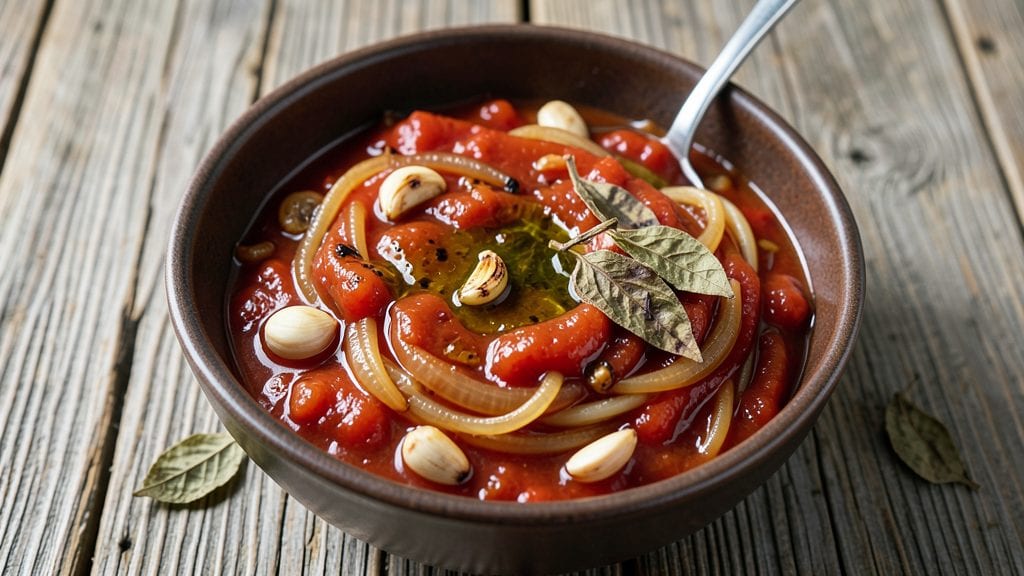
This Campbell's spaghetti sauce recipe proves you can recreate that nostalgic, rich tomato flavor at home using just pantry staples. The secret lies in balancing canned tomatoes with aromatics and simmering until deeply concentrated—no fancy ingredients required.
I've perfected this version after years of testing, and it delivers that same velvety texture and familiar taste without artificial additives.
What makes this sauce special is its simplicity: no fresh herbs needed, no special techniques, just a few key ingredients simmered together. The blend of garlic, onion, and spices creates that signature Campbell's depth, while the tomatoes develop natural sweetness as they cook down.
You'll end up with a smooth, slightly thick sauce that's perfect for drizzling or simmering further.
This homemade version stays vibrant for up to 5 days in the fridge or freezes beautifully for future use. The rich tomato flavor develops more complexity with time, making it ideal for meal prep.
Whether you're serving it over pasta or using it as a marinade, this sauce brings restaurant-quality richness to your kitchen.
Adjust the seasoning to taste—this sauce is forgiving enough for beginners but precise enough for professionals. The key is patience during simmering, which allows all the flavors to meld together perfectly. Let's get cooking!
Ingredients for campbell's spaghetti sauce
Pantry staples transform into nostalgic, velvety sauce with just ten ingredients.
| Ingredient | Amount | Notes |
|---|---|---|
| Canned San Marzano Tomatoes 🍅 | 28 oz | Crushed by hand for texture |
| Yellow Onion 🧅 | 1 whole | Finely diced, about 1 cup |
| Garlic Cloves 🧄 | 4 cloves | Minced for aromatic depth |
| Extra-Virgin Olive Oil 🫒 | ½ cup | For rich, fruity flavor |
| Tomato Paste 🍅 | 2 tbsp | Squeeze tube preferred |
| Dried Basil 🌿 | 1 tbsp | Sweet variety preferred |
| Dried Oregano 🍃 | 1 tsp | Mexican oregano if available |
| Ground Black Pepper 🌶️ | ½ tsp | Freshly ground preferred |
| Diamond Crystal Kosher Salt 🧂 | 1 ½ tsp | Adjust to taste |
| Granulated Sugar 🍯 | 1 tsp | Balances acidity |
San Marzano tomatoes are the secret weapon here—their natural sweetness and low acidity mimic Campbell's signature taste. Trader Joe's and Whole Foods carry them canned, but any high-quality crushed tomatoes work. The onion and garlic? Freshly minced makes all the difference, but pre-minced from the jar is fine in a pinch. Olive oil quality matters—use something you'd drizzle on bread. The tomato paste? Squeeze tubes from Trader Joe's are perfect—they're concentrated and easy to measure. I always grab extra, since it keeps for months in the pantry.
No San Marzano? Any crushed tomatoes will work, but avoid those with added salt. Short on basil? Dried oregano at double the amount gets you close. Want more depth? Add a pinch of red pepper flakes. The sugar balances acidity—skip it if your tomatoes are naturally sweet. For a smoother sauce, blend half after cooking. Pre-minced onion and garlic from the jar save time, but fresh is always better. The kosher salt is non-negotiable—it dissolves better than table salt, so you get that clean, bright flavor.
This sauce tastes even better the next day as flavors meld. Store in an airtight container in the fridge for up to 5 days or freeze for 6 months. I portion mine into ice cube trays for easy single-use servings—perfect for drizzling or marinades. For meal prep, double the batch and freeze half. The sugar and salt can be adjusted to taste, so don't stress about precision here—this sauce is forgiving.
Why You'll Love This Recipe
- No-Mess Pantry Start: I swear by this recipe because it begins with zero prep work. Just open those San Marzano cans, chop one onion and three garlic cloves—done. The tomato paste and olive oil caramelize in the same pot, so no extra dishes or cleanup. Honestly, I’ve made this on nights when I was too tired to even boil water.
- Umami Bomb: The secret’s in the slow simmer—those crushed garlic cloves and onion melt into the tomatoes until the sauce tastes deep, like it’s been cooking all day. Between us, the San Marzano tomatoes alone make this taste richer than any jarred sauce I’ve ever bought. That crispy garlic edge? Chef’s kiss.
- Leftovers That Beg: This sauce insists on being reheated. I’ll make a double batch on Sundays, and by Wednesday, my family’s already asking for seconds. It’s the base for everything—pasta, meatballs, even breakfast eggs—so you’re not stuck with plain old spaghetti night after night.
- Budget That Works: For under $5, you feed four people with flavor that lasts. The San Marzano cans are a splurge, but they stretch into three meals, and the onion/garlic combo costs pennies. I’ll be real: this is how I eat well without breaking the bank, especially when my grocery budget’s tight.
Step-by-step instructions for homemade tomato richness with pantry staples
Here's how to transform simple pantry staples into restaurant-quality spaghetti sauce.
Sauté the Aromatics in Olive Oil
Heat the 0.5 cup extra-virgin olive oil in a large, heavy-bottomed pot over medium heat. Add the 1 whole yellow onion, diced into small pieces, and cook for 5-6 minutes until softened and translucent. The onions should begin to caramelize slightly at the edges—that's when you'll know they're ready.
Add the 4 cloves garlic cloves, minced finely, and cook for an additional 1-2 minutes until fragrant. Here's the thing—don't let the garlic burn. It should smell like a garden in spring, not like a charred disaster. Remove the pot from heat briefly if it starts to darken too quickly. This aromatic base forms the flavor foundation of your sauce, so take your time with this step.
Build the Tomato Base
Return the pot to medium heat and add the 2 tbsp tomato paste, stirring constantly to prevent burning. Cook for 2-3 minutes until the paste darkens slightly and develops a rich, caramelized flavor. This step deepens the sauce's complexity—don't skip it.
Pour in the 28 oz canned San Marzano tomatoes, crushing them by hand with your fingers or a wooden spoon to break up any large chunks. Add the 1.5 tsp diamond crystal kosher salt, 1 tsp granulated sugar, 1 tbsp dried basil, 1 tsp dried oregano, and 0.5 tsp ground black pepper. Stir well to combine all ingredients thoroughly. The sugar balances the acidity of the tomatoes while the herbs infuse their earthy flavors. Let the mixture simmer gently for 15 minutes to allow the flavors to meld.
Simmer and Develop the Sauce
Reduce the heat to low and let the sauce simmer uncovered for 30-45 minutes, stirring occasionally. You're looking for a sauce that thickens naturally as the moisture evaporates. The sauce should coat the back of a spoon with a velvety consistency. If it thickens too quickly, add 2-3 tablespoons of water to maintain the right texture.
Taste the sauce and adjust the seasoning if needed. You might need a pinch more salt or a sprinkle of sugar to balance the acidity. The sauce should be rich, slightly sweet, and deeply aromatic. Here's what I do—let it cool slightly before tasting. Hot sauce can mask flavors, and you want to experience it as it will be served. This simmering time allows the flavors to develop fully, creating that deep, complex taste you find in high-quality store-bought sauces.
Finish and Serve
Once the sauce reaches your desired consistency, remove it from heat. If you're not using it immediately, let it cool to room temperature, then transfer to an airtight container. It will continue to thicken as it cools, so you might want to add a splash of water if it becomes too thick.
This homemade sauce keeps well in the refrigerator for up to 5 days or can be frozen for 3 months. When you're ready to serve, simply reheat it gently over low heat, stirring occasionally. The sauce should be warm and bubbling, ready to coat your al dente spaghetti perfectly. The result is a sauce that's richer, fresher, and more flavorful than anything you can buy in a jar.
Pro Tips For Making Campbell'S Spaghetti Sauce
- Sear the Onion Slow: Don’t rush this step—cook the diced onion in olive oil over medium-low heat for at least 8 minutes until it’s soft and golden, not browned. I used to crank the heat and end up with bitter, charred bits that ruined the whole sauce. Let it sweat out the moisture first, then add garlic.
- Crush Garlic Properly: Skip the mincer—smash the cloves with the flat side of your knife first, then chop finely. This prevents bitter allicin buildup and ensures even distribution. I learned this the hard way after burning a batch from overpowering garlic flavor.
- Bloom the Paste: Cook the tomato paste in the pot for 2–3 minutes before adding tomatoes, stirring constantly. This deepens the flavor and prevents a raw, pasty aftertaste. Yes, it’s an extra step, but it makes a real difference—especially with San Marzano’s bright acidity.
- Simmer Not Boil: Keep the sauce at a gentle simmer (tiny bubbles, occasional swirls) for at least 20 minutes. Boiling skims off the natural oils and concentrates bitterness. I now set a timer and resist the urge to stir aggressively—patience pays off.
Storing and reheating your campbell's spaghetti sauce
Fridge Storage Tips
Transfer your homemade sauce to an airtight glass container—I swear by Pyrex with snap-on lids for durability. Let it cool completely before sealing to prevent condensation, which can dilute flavors. Store in the fridge for up to 5 days, but honestly?
It gets better after day 2 as the spices meld. The sauce thickens naturally in the fridge, so you might want to add 1-2 tablespoons of water when reheating if it becomes too stiff. 🥫
Freezer Prep Methods
For long-term storage, portion sauce into silicone ice cube trays—each cube makes a perfect single-use drizzle for pasta or marinades. Once frozen, transfer cubes to a freezer bag with all air squeezed out.
Label with the date—this sauce stays vibrant for 6 months without texture loss. For larger batches, use quart-sized freezer-safe containers, leaving 1-inch headspace for expansion. 🧊
Reheating Like a Pro
Never microwave this sauce—it breaks down the tomato texture. Instead, transfer to a heavy-bottomed saucepan and warm over low heat for 10-15 minutes, stirring occasionally. Add 1-2 tablespoons of water if it thickens too much.
For extra richness, stir in 1 teaspoon of olive oil during reheating. The low-and-slow method preserves that velvety Campbell's-like consistency. 🔥
Reviving Thickened Sauce
If your sauce separates or thickens too much after storage, don't toss it! Simply add 2-3 tablespoons of warm water or pasta water and simmer for 5 minutes. For a smoother texture, blend briefly with an immersion blender—just 10 seconds does the trick.
The acidity in tomatoes helps emulsify it back together beautifully. This trick saves me from scrapping perfectly good sauce all the time. ✨
Portion Control Hacks
Store individual portions in small mason jars (4-6 oz each) for easy grab-and-go use. These are perfect for meal prep—just microwave for 30 seconds when ready to use. For spaghetti nights, freeze 1 cup portions in rectangular silicone molds—they thaw perfectly for serving.
I keep a stash of these in my freezer for lazy weeknights. 📦
Thawing Strategies
Never thaw sauce at room temperature—it encourages bacterial growth. Instead, transfer frozen portions to the fridge 12 hours before use, or thaw directly in the microwave using the defrost setting for 2-3 minutes.
For quick use, place the frozen container in a bowl of warm water for 10-15 minutes—this gentle method preserves texture. Always reheat thoroughly to 165°F before serving. 💡
Nutrition facts
Frequently asked questions
Can I make this sauce without San Marzano tomatoes?
While San Marzano tomatoes provide that signature sweetness, any high-quality crushed tomatoes will work. Just avoid brands with added salt or preservatives. For extra depth, add 1 extra tablespoon of tomato paste to compensate for any acidity differences. The sauce will still taste rich and flavorful—it's all about balancing the seasoning.
Why does my homemade sauce taste different from Campbell's?
Store-bought sauces often contain salt, sugar, and preservatives for consistency and shelf life. This homemade version relies on natural sweetness from tomatoes and careful seasoning. The flavor develops more complexity over time—try letting it sit overnight before tasting. If it's too tangy, add a pinch of sugar; if too mild, boost the salt or herbs. Patience is key!
Can I make this sauce in a slow cooker?
Yes! Sauté the onions and garlic first, then transfer everything to a slow cooker and cook on low for 6-8 hours or high for 3-4 hours. Stir occasionally and add water if it gets too thick. The slow cooker method enhances the flavors even more, making it perfect for meal prep. Just remember to adjust seasoning at the end since slow cooking intensifies flavors.
How do I fix a sauce that's too thick or separated?
For thickened sauce, stir in 2-3 tablespoons of warm water or broth and simmer for 5 minutes. If it's separated, blend briefly with an immersion blender—the acidity in tomatoes helps it re-emulsify. If all else fails, use it as a base for lasagna or soup where texture isn't critical. Never waste good sauce!
What can I use this sauce for besides pasta?
This versatile sauce works as a marinade for chicken or meatballs, a topping for grilled cheese sandwiches, or a base for stuffed peppers. Try it in breakfast hash with eggs or as a dip for garlic bread. The possibilities are endless—just adjust seasoning to suit the dish. Think outside the pasta bowl!