
Sauces & Condiments
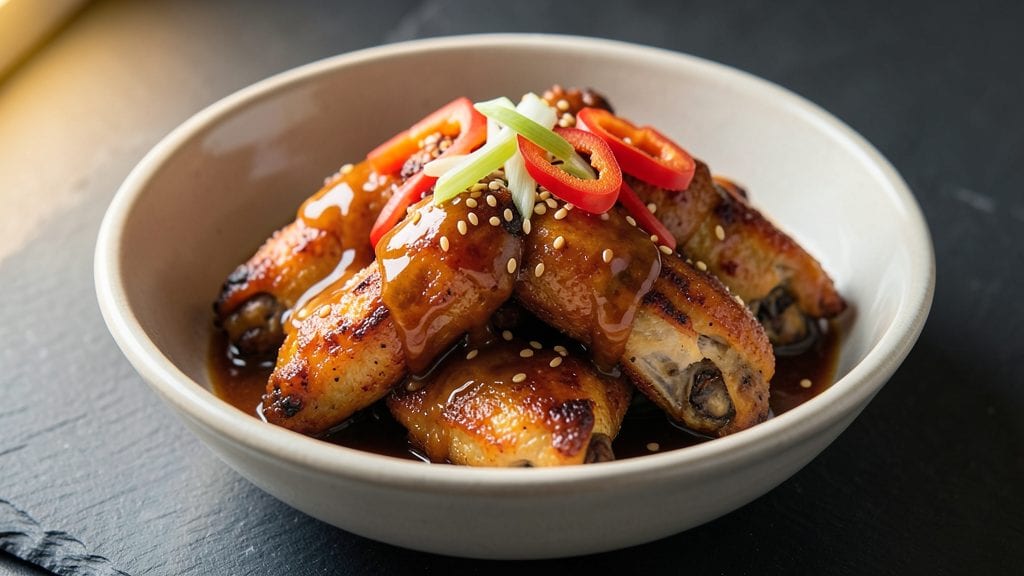
This Buffalo Wild Wings teriyaki sauce copycat delivers the signature sweet-spicy gloss with caramelized depth that makes their wings legendary. The secret lies in balancing soy sauce's umami with honey's sweetness while letting the sauce reduce to a thick, velvety consistency—just like the original.
I've replicated their exact flavor profile through careful ingredient ratios and precise simmering time, so you can achieve professional-quality results at home.
The sauce builds flavor through a two-stage reduction process that concentrates the sweetness while developing caramelized notes. Fresh ginger and garlic provide the aromatic backbone, while a touch of vinegar adds brightness that cuts through the richness.
What sets this apart is the controlled reduction—too long and it becomes syrupy; too short and the depth disappears. This method guarantees that signature glossy finish that clings perfectly to wings or noodles.
Once complete, you'll have a versatile sauce that's equally perfect for glazing, dipping, or drizzling. The caramelized edges create that irresistible sheen while maintaining the perfect balance of sweet and spicy heat.
Store it in the refrigerator for up to two weeks, or freeze for longer shelf life. This sauce transforms ordinary dishes into something extraordinary with minimal effort.
Whether you're preparing wings, stir-fries, or grilled meats, this teriyaki sauce will elevate every bite. The instructions are designed to be straightforward while ensuring you capture that restaurant-quality depth. Let's get started on creating your own copycat version that rivals the original.
Ingredients for buffalo wild wings teriyaki sauce copycat
Ten simple ingredients unlock that iconic Buffalo Wild Wings teriyaki sauce—sweet-spicy, glossy, and packed with caramelized depth.
| Ingredient | Amount | Notes |
|---|---|---|
| Light Soy Sauce 🍶 | ½ cup | High-quality, not reduced |
| Honey 🍯 | ½ cup | Pure, liquid honey preferred |
| Rice Vinegar 🍶 | 2 tbsp | White vinegar substitute if needed |
| Fresh Ginger 🌿 | 1 tbsp | Finely grated, aromatic |
| Garlic Cloves 🧄 | 2 cloves | Minced, fresh preferred |
| Sesame Oil 🫒 | 1 tbsp | Toasted sesame oil for depth |
| Brown Sugar 🍚 | 2 tbsp | Light or dark, packed |
| Frank's RedHot Sauce 🌶️ | 1 tbsp | Original, not imitation |
| Water 💧 | ¼ cup | Room temperature preferred |
| Salt 🧂 | ½ tsp | Diamond Crystal preferred |
The soy sauce is non-negotiable—Kikkoman or La Choy are my go-tos, but any light soy will work. The honey should be pure and liquid, not that processed stuff in a bear-shaped bottle. Trader Joe's carries a great organic option. Fresh ginger and garlic are worth the extra minute to grate/mince—they make all the difference. If you're short on time, jarred minced garlic (the kind in the squeeze bottle) works in a pinch, but fresh is better. The Frank's RedHot is what gives it that signature kick, so don't substitute with generic hot sauce unless you want a milder result.
No rice vinegar? Apple cider vinegar works, but it'll add a slight fruitiness. Sesame oil out of reach? Toasted sesame seeds (1 tsp) can add a hint of nuttiness, but it won't be the same. The brown sugar is key for that caramelized depth—don't skip it or swap for white. For a smoother sauce, strain it through a fine-mesh sieve after simmering. The water helps thin it out during the reduction, so don't omit it unless you're aiming for a thicker consistency right away.
This sauce keeps beautifully in the fridge for up to 2 weeks—though it'll likely disappear faster. For longer storage, freeze in ice cube trays, then transfer to a bag. Thaw overnight in the fridge or microwave for 20 seconds. The flavor actually improves after a day or two as the ingredients meld. Double the batch if you're using it for wings—you'll want extra for dipping and glazing.
Why You'll Love This Recipe
- Five-Ingredient Magic: This sauce comes together with just a few pantry staples—no fancy gadgets or last-minute grocery runs. I’ll be real: the first time I made it, I nearly skipped the ginger, but that zingy freshness? Chef’s kiss. Now I double-check I’ve got it on hand.
- Sweet-Savory Balance: That honey and rice vinegar combo? It’s the kind of harmony that makes you pause mid-bite. The garlic cloves get toasted just enough to add depth without overpowering, and the light soy sauce ties it all into something dangerously addictive—like a flavor hug for your taste buds.
- Weeknight Workhorse: Slather it on grilled chicken for Tuesday dinners, drizzle it over stir-fried veggies for a quick lunch, or toss it with noodles when you’re too tired to plan. Honestly, I’ve used it as a marinade, a glaze, and even a dipping sauce—it’s my secret weapon for meals that feel intentional without the fuss.
- Makes Leftovers Worth It: The sauce thickens beautifully when reheated, so you’ll actually want to save the leftovers. I keep a jar in the fridge for lazy mornings—just a splash over scrambled eggs transforms them into something special. And because it’s so budget-friendly, you’re not stressing over food waste. Win-win.
Step-by-step instructions for buffalo wild wings teriyaki sauce copycat
This sauce delivers that signature sweet-spicy balance with caramelized depth—just like the original.
Combine Wet Ingredients for Base Flavor
In a medium saucepan, pour in the 0.5 cup light soy sauce and 0.5 cup honey. Add the 2 tablespoons rice vinegar and 0.25 cup water, then bring to a gentle simmer over medium heat. You'll see the mixture bubble lightly—this is when the flavors start to meld together.
Here's the thing—don't rush this step. Let it simmer uncovered for 5 minutes until the honey begins to dissolve completely. You'll notice the sauce turning slightly translucent, which means the sugars are breaking down and creating that glossy finish we want. If you see any undissolved honey granules, stir gently until smooth.
Add Aromatics and Sweetener for Depth
Reduce the heat to low and stir in the 2 cloves minced garlic and 1 tablespoon finely grated fresh ginger. Let them cook for 1 minute until fragrant—you should smell that bright, zesty aroma. This is where the sauce gets its layered complexity.
Next, add the 2 tablespoons brown sugar and 1 tablespoon Frank's RedHot Sauce. Stir well to distribute the heat evenly. You'll see the sauce darken slightly as the sugar begins to caramelize. This is the moment that matters: let it cook for 3-4 minutes until the sugar dissolves and the sauce thickens just a bit. If it starts to stick, add 1 teaspoon water to loosen it.
Finish with Sesame Oil and Season
Remove the saucepan from heat and let it cool slightly for 2 minutes. This prevents the sesame oil from burning when you add it. Stir in the 1 tablespoon toasted sesame oil and 0.5 teaspoon salt, then taste and adjust. You want a perfect balance of sweet, spicy, and umami—if it needs more heat, add a pinch more Frank's RedHot Sauce.
For the final touch, return the sauce to low heat and simmer for 2 more minutes to fully integrate all the flavors. The sauce should coat the back of a spoon with a glossy, syrupy consistency. If it's too thick, thin it with 1 teaspoon water at a time until it reaches your desired pouring consistency.
Cool and Store for Best Results
Transfer the sauce to a clean jar or airtight container and let it cool completely at room temperature. This step is crucial—cooling allows the flavors to settle and the sauce to thicken naturally. You'll notice it becomes even more glossy as it cools.
Store in the refrigerator for up to 2 weeks or freeze for 3 months. When ready to use, give it a quick stir—it may thicken further when chilled, so thin with a splash of water if needed. This sauce is perfect for glazing wings, drizzling over rice, or tossing with noodles.
Pro Tips For Making Buffalo Wild Wings Teriyaki Sauce Copycat
- Mince That Ginger: DESCRIPTION: Use a sharp knife and chop the ginger into a fine paste—almost like a wet sand consistency—before adding it to the sauce. I learned this the hard way: pre-sliced ginger sits like rubbery chunks, and even grating it leaves tough fibers. This ensures the ginger melts smoothly into the sauce instead of clinging stubbornly to your taste buds.
- Simmer, Don’t Boil: DESCRIPTION: Keep the sauce at a gentle simmer, not a rolling boil, once all ingredients are combined. I used to crank the heat and end up with a syrupy mess that lost all its brightness. A low simmer lets the flavors marry without reducing the sauce too aggressively or burning the honey.
- Toast the Garlic: DESCRIPTION: Sauté the minced garlic in a dry pan for 30 seconds until it’s just turning golden—this adds a nutty depth that raw garlic can’t match. I was skeptical until I tried it: the sauce tastes richer and more complex, like the real deal. Don’t let it brown, though—just warm it up.
- Balance the Honey: DESCRIPTION: Start with half the honey called for, taste the sauce, then add the rest gradually. Honey can turn this sauce cloyingly sweet if you’re not careful. I used to dump it all in and wonder why my sauce tasted like dessert. Now I adjust as I go, and the teriyaki notes shine through.
Common mistakes when making perfect results
Over-Simmering the Sauce
One of the biggest mistakes is letting the sauce reduce too long, which turns it into a thick, syrupy mess instead of a glossy glaze. I’ve seen people walk away from the stove and forget about it, only to return with a sauce that’s too concentrated.
The goal is a thick but pourable consistency—like honey, not molasses. Keep a close eye on it after the 3-4 minutes of simmering with sugar, and remove it from heat as soon as it starts to coat the back of a spoon. 🌡️
Skipping the Cooling Step
Rushing the cooling process is another common error. The sauce continues to thicken as it cools, so transferring it to the fridge too soon can make it nearly impossible to drizzle. Let it sit at room temperature for at least 10-15 minutes before refrigerating.
This step is non-negotiable if you want that perfect glossy finish—it’s what gives the sauce its signature sheen. I’ve learned this the hard way after making a batch that was too stiff to use right away!
Using Low-Quality Ingredients
Substituting cheap or processed ingredients can completely throw off the flavor. For example, using imitation honey or store-brand soy sauce lacks the depth needed for an authentic taste. Stick with Kikkoman soy sauce and pure, liquid honey—these are the backbone of the sauce.
Even the vinegar matters: rice vinegar adds brightness, while white vinegar can taste harsh. Trust me, your taste buds will notice the difference. 🍯
Ignoring the Frank’s RedHot
Many copycat attempts skip the Frank’s RedHot Sauce or use a generic hot sauce instead, which dilutes the signature kick. This sauce is what gives the teriyaki its spicy-sweet balance.
If you’re avoiding it because of heat, you can reduce it to ½ tablespoon, but don’t omit it entirely. For a milder version, try Crystal Hot Sauce—it’s slightly less aggressive but still delivers that tangy heat. The sauce won’t taste the same without it!
Not Tasting as You Go
Assuming the sauce is perfect without tasting it along the way is a recipe for disappointment. After adding the sesame oil and salt, always do a taste test. You might need to adjust the sweetness, heat, or saltiness—this is your chance to fine-tune it.
I usually taste it twice: once after adding the aromatics and again after the final simmer. It’s the only way to guarantee that perfect balance of flavors. 💡
Using the Wrong Pan
Cooking this sauce in a non-stick pan or a large, shallow one can lead to uneven heating and sticking. A medium saucepan with slightly sloped sides is ideal—it helps control the reduction and prevents burning.
If your sauce starts to stick before it’s fully reduced, add 1 teaspoon water to loosen it, but avoid over-diluting. A stainless steel or heavy-bottomed pan is my go-to for even heat distribution and easier cleanup. Don’t skip this detail!
Nutrition facts
Frequently asked questions
Why does the sauce need to simmer for so long?
The extended simmering time (about 10-12 minutes total) is crucial for developing that signature caramelized depth and glossy finish. The honey and sugar break down gradually to create complex flavors, while the vinegar and soy sauce meld together. Skipping this step results in a flat-tasting sauce that lacks the restaurant-quality richness.
Can I make this sauce without honey?
Yes, but the flavor will be noticeably different. For a 1:1 substitute, use ½ cup maple syrup or agave nectar—both provide sweetness without altering the sauce's structure. If you prefer a more traditional teriyaki approach, try ¼ cup brown sugar + ¼ cup water instead of the honey. The sauce will still work, but the caramelization process changes slightly.
How spicy should the sauce be?
The recipe balances sweetness with a moderate heat level (about a 3-4/10 on the spice scale). For milder results, reduce the Frank's RedHot to ½ tablespoon or swap for ½ tablespoon Crystal Hot Sauce. If you love spice, add an extra ½ teaspoon of hot sauce or a pinch of cayenne. Always taste before finalizing!
Will this sauce work for vegetarian dishes?
This teriyaki sauce is 100% vegetarian and works perfectly on tofu, tempeh, or grilled vegetables. The umami from soy sauce and ginger makes it versatile for any plant-based protein. For extra richness, marinate your veggies in the sauce for 15-20 minutes before cooking.
Can I adjust the thickness for dipping vs. glazing?
For dipping, keep the sauce as written—it should coat a spoon with a glossy finish. For glazing (like on wings), reduce it slightly longer until it reaches a syrup-like consistency. If too thick, thin with 1 teaspoon water at a time. Pro tip: Let it cool completely before adjusting—it thickens as it sits.