
Sauces & Condiments
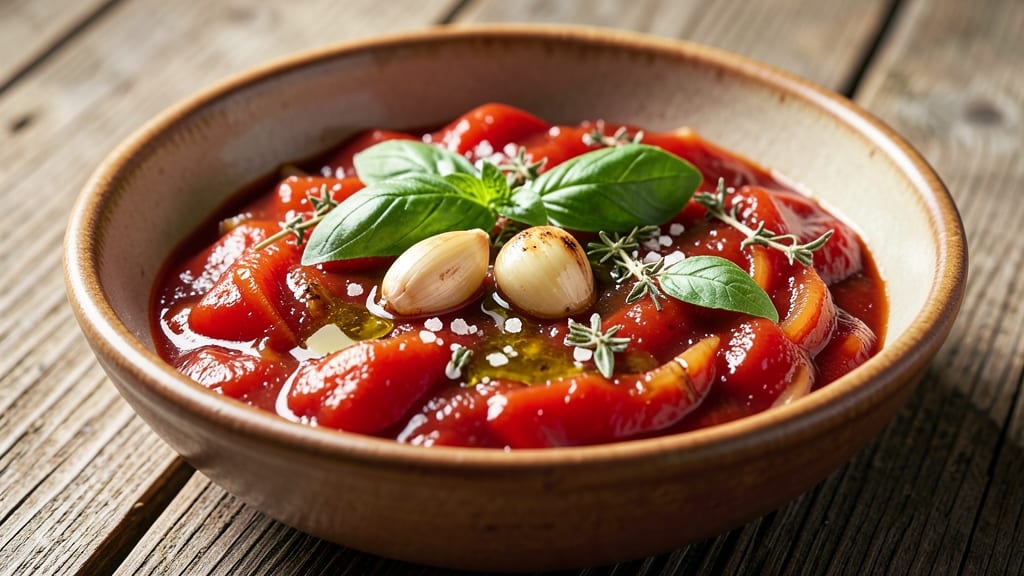
Brenda Gantt's spaghetti sauce recipe delivers that restaurant-quality depth you crave—slow-simmered tomatoes, rich umami layers, and a hidden herb magic that transforms ordinary meals. 💛 The secret lies in letting flavors meld over time, creating a sauce so flavorful it'll have everyone asking for seconds.
This isn't just any sauce; it's the kind that turns simple pasta into a hearty, satisfying dinner.
What sets this sauce apart is the balance of fresh herbs and aromatics—garlic, onions, and a blend of Italian seasonings that infuse the sauce with complexity.
The slow cooking process develops a depth that canned sauces simply can't match, while the addition of a touch of sugar and wine adds brightness and richness. It's the kind of sauce that gets better as it sits, with flavors becoming more layered and sophisticated.
By the time you're done, you'll have a velvety, aromatic sauce that coats every strand of pasta perfectly. The texture is just right—thick enough to cling but still smooth enough to drizzle.
It's the kind of sauce that pairs beautifully with homemade pasta, but it's also versatile enough to elevate store-bought noodles into something special.
Perfect for meal prepping or serving fresh, this sauce is a game-changer for any pasta night. The instructions are straightforward, but the results are anything but ordinary. Let's get started on creating this flavorful masterpiece that will become a staple in your kitchen.
Ingredients for brenda gantt spaghetti sauce
Restaurant-quality sauce starts with these simple, flavor-packed ingredients that work magic together.
| Ingredient | Amount | Notes |
|---|---|---|
| Canned San Marzano Tomatoes 🍅 | 28 oz | Crushed by hand for texture |
| Yellow Onion 🧅 | 1 whole | Medium size, diced small |
| Garlic Cloves 🧄 | 4 cloves | Fresh, minced finely |
| Fresh Basil Leaves 🌿 | ½ cup | Packed, stems removed |
| Fresh Oregano Leaves 🌿 | ¼ cup | Packed, chopped fine |
| Dried Thyme 🌿 | 1 tsp | Or 1 tbsp fresh thyme |
| Red Wine 🍷 | ½ cup | Bold dry variety like Cabernet |
| Extra-Virgin Olive Oil 🫒 | ¼ cup | High quality, fruity |
| Granulated Sugar 🍚 | 1 tbsp | Balances acidity |
| Tomato Paste 🍅 | 2 tbsp | Squeeze tube preferred |
| Salt 🧂 | 1 ½ tsp | Diamond Crystal preferred |
| Black Pepper 🌶️ | ½ tsp | Freshly ground |
The tomatoes are non-negotiable—San Marzano has that perfect balance of sweetness and acidity. Grab a can or two from Trader Joe's or Whole Foods if you want to splurge. Fresh basil and oregano are the hidden stars here, so don't skimp. I always grab extra because half gets torn over the sauce at the end. The red wine adds that rich depth, so whatever bold, dry bottle you've got open will work—no need for fancy labels. For the olive oil, California or Italian brands have the best fruity notes that shine through in the final sauce.
No fresh herbs? Dried oregano at one-third the amount works in a pinch, but trust me, fresh is worth it if you've got it. Running low on wine? Substitute 1/2 cup beef broth with 1 tsp balsamic vinegar—it's a game-changer for umami. The tomato paste can be skipped if you're really short on time, but it gives that concentrated flavor that makes the sauce sing. For the sugar, brown sugar works too—just use the same amount. And if you're worried about the sauce being too acidic, the sugar balances it perfectly, so don't skip it.
This sauce tastes even better the next day as the flavors meld together. Store it in glass jars in the fridge for up to 5 days, or freeze for 3 months in airtight containers. I like to make a double batch so I always have some ready for quick pasta nights. The sauce thickens as it cools, so if it's too thick when reheating, just add a splash of water or pasta water. It reheats beautifully—just warm it gently on the stove or microwave until hot.
Why You'll Love This Recipe
- No-Chop Nightmare: I swear, this sauce only needs one onion and three garlic cloves—minimal chopping, maximum flavor. The San Marzanos do all the heavy lifting while you sip your wine (or coffee, no judgment).
- Herb Bomb Flavor: That fresh basil and oregano? They sing when simmered with the tomatoes—bright, aromatic, and just a little earthy. Honestly, it’s the kind of sauce that makes you pause mid-bite and go, “Wait, is this really homemade?”
- Leftovers for Days: Between us, this sauce tastes better the next day. I make a double batch on Sundays, freeze half, and still have enough for Tuesday’s lazy dinner. (Yes, even on a Tuesday night.)
- Budget Meal Maker: Four ingredients, one pantry staple (San Marzanos), and you’ve got a sauce that feeds a family for under $10. Fresh herbs make it feel fancy, but the canned tomatoes keep it cheap and reliable—my secret weapon for stretching groceries.
Step-by-step instructions for Brenda Gantt's slow-simmered spaghetti sauce
Here's how to build Brenda's legendary sauce—layered flavor, deep umami, and that secret herb magic.
🍳 Step 1: Sauté Aromatics Until Golden and Fragrant
Heat the 0.25 cup Extra-Virgin Olive Oil in a large Dutch oven over medium heat. Add the 1 whole Yellow Onion, diced small, and cook for 5-6 minutes until soft and translucent. I press down gently with a wooden spoon to help it caramelize—this builds sweetness that balances the acidity later.
Add the 4 cloves Garlic Cloves, minced finely, and the 1 tsp Dried Thyme. Cook for 1-2 minutes until the garlic turns golden and smells heavenly. Here's the thing—don't let it burn. Garlic turns bitter fast, and you want that nutty, sweet aroma we're after. Stir constantly until the thyme releases its earthy perfume.
🍳 Step 2: Build Depth with Wine and Tomato Paste
Pour in the 0.5 cup Red Wine and scrape up all those browned bits from the bottom of the pot. This deglazing step captures all the flavor you've built so far—don't miss it. Let the wine simmer for 3-4 minutes until it reduces by half and the alcohol cooks off completely.
Stir in the 2 tbsp Tomato Paste and cook for 1 minute until it darkens slightly. This paste thickens the sauce and adds that concentrated tomato flavor that forms the backbone of the dish. I like to press it into the onions with a spoon to break it down completely—no lumps here.
🍳 Step 3: Add Tomatoes and Simmer Until Thickened
Pour in the 28 oz Canned San Marzano Tomatoes (crushed by hand if not already) and add the 1 tbsp Granulated Sugar, 1.5 tsp Salt, and 0.5 tsp Black Pepper. Bring to a gentle boil, then reduce heat to low and let it simmer uncovered for 45-60 minutes. This slow cook is where the magic happens—it lets the flavors meld and develop depth.
Here's where I check for doneness: I spoon some sauce onto a plate and let it cool slightly. If it coats the back of a spoon with body but isn't gluey, it's ready. If it's too thin, simmer another 10-15 minutes. The sauce should reduce enough to thicken but still be saucy enough to cling beautifully to spaghetti.
🥘 Step 4: Finish with Fresh Herbs for Brightness
About 10 minutes before the sauce is done, stir in the 0.5 cup Fresh Basil Leaves and 0.25 cup Fresh Oregano Leaves, both chopped fine. These herbs add that fresh, bright finish that makes this sauce sing. I like to tear the basil leaves rather than chop them—they stay more intact and add visual appeal when served.
Taste and adjust seasoning—you might need a touch more salt or pepper. The sauce should be rich, slightly sweet, and complex with layers of umami from the tomatoes and wine. This isn't just tomato sauce; it's a symphony of flavors that builds with every simmer.
⏰ Step 5: Rest and Serve with Perfect Al Dente Pasta
Remove from heat and let the sauce rest for 10-15 minutes. This resting period lets the flavors truly meld and the sauce thicken slightly more. I know it's tempting to serve immediately, but trust me—this waiting time makes all the difference.
Serve the sauce over al dente spaghetti (cooked 1 minute less than package directions) with a sprinkle of fresh basil and a drizzle of olive oil. The sauce should cling beautifully to each strand, coating every bite with that perfect balance of sweet, savory, and herbal notes. Leftovers? Even better—this sauce tastes richer the next day.
Pro Tips For Making Brenda Gantt Spaghetti Sauce
- CRUSH THE ONIONS FIRST: I learned this the hard way—sweating onions low and slow is a must, but don’t skip the initial high-heat sear. Cook them until the edges are golden and the edges start to caramelize before adding garlic. This builds real depth, not just a mild onion flavor.
- SMASH THE TOMATOES: Dump those San Marzano cans into a bowl and break them up with your hands—no blender needed. The rough texture releases more juice and gives the sauce body right away. (Yes, even if you’re impatient like me.)
- SALT THE POT WATER: The sauce is only half the battle. Salt your pasta water aggressively (like, a full tablespoon per pound) before boiling. The starch from the pasta will cling to the sauce later, making it cling to the noodles. Trust me, this isn’t optional.
- STIR IN THE HERBS LATE: Toss in the fresh basil and oregano in the last 10 minutes of simmering—any earlier, and they’ll turn bitter. A handful of leaves per quart of sauce is plenty; you’re not making pesto here. (Your future self will thank you.)
Make-ahead tips for this brenda gantt spaghetti sauce
Double-Batch Strategy
Make this sauce in double batches—it’s perfect for meal prep! Use a 6-8 quart Dutch oven and double all ingredients. Store half in the fridge for 5 days and freeze the other half in quart-sized glass jars for 3 months.
The sauce actually improves with time, so you’ll always have restaurant-quality flavor ready. 💛
Freezer-Friendly Tips
For freezing, leave 1 inch of headspace in your containers to prevent expansion cracks. I like using mason jars because they’re stackable and easy to reheat. When thawing, transfer the jar to the fridge 24 hours before using—this prevents temperature shock that can break down the sauce’s texture.
Reheating Perfection
Never microwave this sauce directly from frozen—it creates a skin and ruins the texture. Instead, thaw overnight in the fridge, then reheat on the stovetop over low heat with 2 tbsp water or broth to restore its silky consistency.
Stir frequently to prevent scorching, and add a pinch of salt if needed—the flavors concentrate during freezing. ✨
Pasta Water Hack
When reheating for pasta, add ¼ cup pasta water to loosen the sauce if it thickens too much. The starch in the water helps restore that perfect clingy texture.
I also keep a small jar of sauce in the fridge just for this purpose—it’s my secret weapon for quick weeknight dinners.
Sauce Storage Containers
Glass is your best friend for storage—it preserves flavor better than plastic and won’t absorb odors. I use Ball Mason jars with airtight lids for both fridge and freezer storage.
For portion control, divide into 1-cup servings before freezing—perfect for single servings or meal prep containers. Label with dates to track freshness!
Make-Ahead Timeline
Plan ahead by making this sauce 2-3 days before serving. The flavors deepen beautifully during this time, and you’ll save precious cooking time during the week. I like to prep it on Sundays so it’s ready for spontaneous pasta nights. Just reheat and serve—no stress, all flavor! 🍝
Nutrition facts
Frequently asked questions
Can I make this sauce without wine?
Replace the 0.5 cup red wine with 0.5 cup beef broth plus 1 teaspoon balsamic vinegar for similar depth and umami. The vinegar mimics the acidity and complexity of wine while keeping the sauce rich. For a vegetarian option, use vegetable broth with an extra pinch of salt.
Why does the sauce need to simmer so long?
The 45-60 minute simmer is key for developing deep, layered flavors. This slow cooking breaks down the tomatoes' natural sugars, intensifies the herbs, and lets the wine's alcohol fully cook off—transforming the sauce from ordinary to extraordinary. Patience here makes all the difference in that restaurant-quality taste!
Can I use fresh tomatoes instead of canned?
Fresh tomatoes work but require extra prep. Use 4-5 large ripe tomatoes (peeled, seeded, and chopped) plus 1 cup tomato juice to match the canned tomatoes' moisture content. Simmer the sauce 5-10 minutes longer since fresh tomatoes have more water. For best results, roast the tomatoes first to concentrate their flavor.
What if my sauce turns out too thin?
Simmer uncovered for another 10-15 minutes to reduce it naturally. If it's still too thin, mix 1 tablespoon cornstarch with 2 tablespoons cold water, stir into the sauce, and cook for 2-3 minutes until thickened. Never use flour—it can make the sauce cloudy. For prevention, start with 1 extra tablespoon tomato paste next time.
How do I know when the herbs are added at the right time?
Add the fresh basil and oregano during the last 10 minutes of cooking to preserve their bright flavors. If you add them too early, they'll turn bitter. For extra freshness, stir in a few leaves at serving time—this keeps the herbs vibrant and makes your dish look stunning. The sauce's aroma will tell you when it's ready!