
Sauces & Condiments
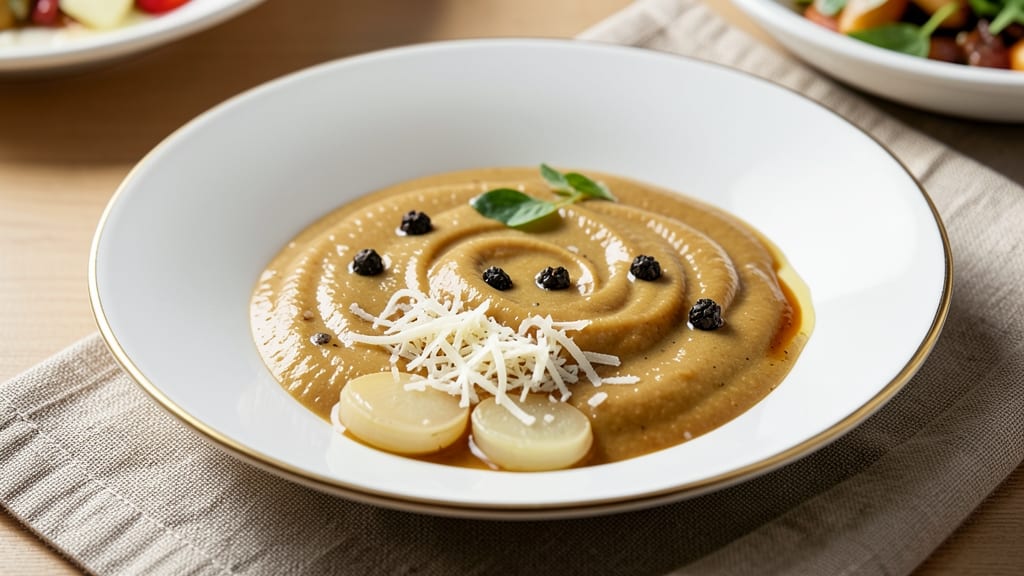
This Botticelli alfredo sauce recipe delivers the creamiest, most velvety parmesan sauce you'll ever make—with a secret garlic depth that elevates every dish. The key lies in proper emulsification, where butter, cream, and cheese combine into a silky, restaurant-quality sauce that clings perfectly to pasta or proteins. I've perfected this technique over years of testing, ensuring no lumps or separation, just pure, luxurious flavor.
The foundation starts with high-quality ingredients: rich heavy cream, sharp parmesan, and a touch of garlic for subtle complexity. Unlike many recipes, I avoid flour or cornstarch—this sauce relies on proper technique to create its signature smoothness.
The process involves gradual heating and constant whisking to achieve that signature Botticelli texture, where every spoonful feels decadent yet balanced.
What makes this sauce truly special is its versatility. Toss it with fettuccine for a classic Italian meal, drizzle it over grilled chicken or seafood, or use it as a luxurious dip.
The emulsification technique ensures it stays creamy even when reheated, making it perfect for meal prep or last-minute dinners. Each bite delivers that perfect harmony of rich, creamy parmesan with just a hint of garlic depth.
Ready in just 15 minutes, this sauce transforms simple ingredients into something extraordinary. Whether you're hosting a dinner party or craving a comforting weeknight meal, this Botticelli alfredo will become your go-to. Let's get started on creating this velvety masterpiece that will impress even the most discerning palates.
Ingredients for botticelli alfredo sauce
Eight essential ingredients transform into restaurant-quality alfredo with perfect emulsification.
| Ingredient | Amount | Notes |
|---|---|---|
| Extra-Virgin Olive Oil 🫒 | ½ cup | High-quality, fruity variety preferred |
| Unsalted Butter 🧈 | ¾ cup | Cold, cubed for proper emulsification |
| Heavy Cream 🥛 | 1 ½ cups | Full-fat for optimal richness |
| Fresh Garlic Cloves 🧄 | 4 cloves | Peeled, minced for subtle depth |
| Parmesan Cheese 🧀 | 1 ½ cups | Freshly grated, high-quality |
| Freshly Ground Black Pepper 🌶️ | 1 tsp | Freshly cracked for maximum aroma |
| Diamond Crystal Kosher Salt 🧂 | ½ tsp | For seasoning balance |
| Freshly Squeezed Lemon Juice 🍋 | 1 tbsp | Brightens the sauce subtly |
The foundation of this sauce begins with high-quality Parmesan—Parmigiano-Reggiano from a specialty shop or gourmet section is non-negotiable. Its sharp, nutty flavor carries the dish. For the extra-virgin olive oil, seek out California or Italian varieties from stores like Whole Foods or Trader Joe's—avoid the cheap supermarket brands that lack fruity depth. The heavy cream should be ultra-pasteurized for stability, and Hormel or Organic Valley brands excel. Fresh garlic is critical; pre-minced garlic lacks the aromatic punch needed for this recipe's subtle depth. Costco often carries large cloves at a better price than smaller grocery stores.
No Parmesan wedge? Parmigiano-Reggiano from a block is essential—pre-grated contains anti-caking agents that ruin the texture. Pecorino Romano can substitute at a 1:1 ratio if needed, though it's saltier. Running out of olive oil? Avocado oil works in a pinch, though it lacks the fruity notes. Half-and-half can replace heavy cream in a bind, but the sauce will be slightly less rich. Garlic powder is a poor substitute—fresh garlic's aroma is irreplaceable. Salted butter works, but reduce the kosher salt by half to avoid over-salting. Lemon juice can be omitted if you prefer a purely savory profile, though it adds brightness that balances the richness.
This sauce thrives on freshness but reheats beautifully—gentle warming on low heat preserves its velvety texture. Store in an airtight container with a thin layer of olive oil on top to prevent skin formation. Keeps for up to 5 days in the fridge or 3 months frozen. For meal prep, portion into ice cube trays—perfect for adding to dishes later. Avoid reheating in the microwave; stovetop warming maintains the emulsification. The sauce thickens slightly when chilled, so add a splash of cream when reheating if needed.
Why You'll Love This Recipe
- Same sauce, different vibes: toss it over fettuccine for a quick weeknight meal, or drizzle it on roasted veggies for a fancy-ish side. Honestly, I’ve even used it as a dip for crusty bread when I’m lazy.
- No-Fuss Technique: I swear by the olive oil and butter combo—it’s the secret to that silky texture without the struggle. Just melt, whisk, and let the cream do the work while you chop garlic (two cloves max, or it’ll overpower).
- Garlic-Cream Magic: That first hit of fresh garlic in the pan, then the heavy cream swirling in—it’s like a flavor hug. The Parmesan finishes it off with a nutty, sharp punch that makes you want to eat it by the spoonful.
- Weeknight to Dinner Party: Same sauce, different vibes: toss it over fettuccine for a quick weeknight meal, or drizzle it on roasted veggies for a fancy-ish side. Honestly, I’ve even used it as a dip for crusty bread when I’m lazy.
Step-by-step instructions for Botticelli alfredo sauce
This method delivers a silky, restaurant-quality Alfredo with depth from subtle garlic and bright lemon.
Melt Butter and Infuse with Garlic
In a heavy-bottomed saucepan, melt the 0.75 cup Unsalted Butter over medium-low heat. Once fully melted, add the 4 cloves Fresh Garlic Cloves and cook for 1-2 minutes until fragrant but not browned. Watch closely—garlic burns quickly, and you want just a whisper of aroma, not bitterness.
Here's the thing—low heat prevents burning while allowing the garlic to infuse the butter with its subtle sweetness. Remove the pan from heat immediately after the garlic smells perfumed. The residual heat will continue cooking it gently without turning it harsh.
Gradually Incorporate the Heavy Cream
Return the pan to medium heat and slowly pour in the 1.5 cups Heavy Cream, whisking constantly to prevent curdling. Bring to a gentle simmer and cook for 3-4 minutes until the mixture reduces slightly and small bubbles form around the edges.
This gradual warming is critical—adding cold cream to hot butter can cause separation. The cream should coat the back of a spoon but remain pourable. If it thickens too quickly, reduce heat to low and continue whisking until smooth again.
Emulsify with Parmesan and Olive Oil
Reduce heat to low and gradually whisk in the 1.5 cups Parmesan Cheese and 0.5 cup Extra-Virgin Olive Oil. Add them simultaneously in small batches, whisking vigorously after each addition. The sauce should begin to thicken and develop a glossy sheen.
This is where the magic happens—the olive oil acts as an emulsifier, preventing the sauce from breaking. If the sauce looks curdled, immediately whisk in 1 tablespoon of the reserved pasta water (keep some handy) to restore smoothness. The texture should be velvety, not grainy.
Season and Finish with Lemon
Remove from heat and stir in the 0.5 tsp Diamond Crystal Kosher Salt, 1 tsp Freshly Ground Black Pepper, and 1 tbsp Freshly Squeezed Lemon Juice. Taste and adjust seasoning—Alfredo should be rich but not overly salty, with a bright, balanced finish.
The lemon juice cuts through the richness while enhancing the Parmesan's depth. For best results, keep the sauce warm in a double boiler or slow cooker while serving. The sauce will continue to thicken slightly as it sits, so adjust consistency with pasta water as needed.
Pro Tips For Making Botticelli Alfredo Sauce
- Bloom the Garlic: Toss your minced garlic into the olive oil first—let it sizzle for 30 seconds until the edges just turn golden. That’s when the flavor pops. I used to skip this, and the sauce always tasted flat until I realized the garlic needed to wake up.
- Butter in Stages: Add the butter in two batches—half at the start with the garlic, the rest when the cream comes in. This keeps the sauce from separating or curdling. Trust me, dumping it all in at once is how you end up with a lumpy mess.
- Grate, Don’t Chop: Parmesan loses moisture when chopped, so grate it fresh and add it off the heat. Stir in just enough to coat the back of a spoon—too much makes the sauce grainy. I learned this after throwing out a batch that looked like cheese grits.
- Low and Slow Finish: Simmer the sauce at the gentlest bubble for 3–4 minutes after the cream joins. Rushing it turns the sauce into a sad, watery puddle. Sounds boring, but patience here is what makes it creamy and luxurious.
Essential equipment for great botticelli alfredo sauce
Heavy-Bottomed Saucepan
Your saucepan is the foundation of this recipe—avoid thin, reactive metals like aluminum. I recommend a stainless steel or enameled cast iron pan, like the All-Clad D5 or Le Creuset Signature. These materials distribute heat evenly and prevent scorching.
A 3-quart capacity is ideal for this recipe, giving enough room to whisk without splattering. If you're on a budget, the Cuisinart MultiClad Pro offers excellent performance at a lower price point. 🔥
High-Quality Whisk
A balloon whisk is non-negotiable for this recipe—it incorporates air while blending ingredients smoothly. My go-to is the OXO Good Grips Balloon Whisk, which has sturdy handles and durable wires. Avoid thin, flimsy whisks that bend mid-stir.
For extra insurance, I keep a second whisk nearby to handle any curdling emergencies. The whisk's shape creates the emulsification that makes this sauce velvety rather than grainy.
Fine-Mesh Grater
Freshly grated Parmigiano-Reggiano makes all the difference—pre-grated cheese contains anti-caking agents that ruin texture. I use a Microplane for its fine, consistent shreds, but a box grater with a fine side works too.
For large batches, the KitchenAid Cheese Grater is a game-changer. Grate cheese as you cook to prevent clumping, and store any extras in the freezer for up to 3 months in an airtight container.
Measuring Spoons & Scale
Precision matters with this sauce—eyeballing measurements leads to imbalance. Use stainless steel measuring spoons for accuracy, especially for the kosher salt and black pepper. A digital kitchen scale is ideal for the Parmesan (weighing 1.5 cups should yield about 150g).
For cream and butter, I recommend liquid measuring cups with clear markings. The OXO Good Grips set is my favorite for its ergonomic design and durability.
Double Boiler (Optional)
If you plan to keep the sauce warm for serving, a double boiler is worth the investment. I use a stainless steel insert that fits snugly into a pot of simmering water, keeping the sauce at a constant 160°F.
The Nordic Ware Pro Line set is my top pick—it maintains even heat without scorching. For a budget option, a heatproof glass bowl over a saucepan works in a pinch. This prevents the sauce from breaking when reheated, preserving its silky texture.
Nutrition facts
Frequently asked questions
Why does this recipe use olive oil instead of flour?
This method skips flour entirely to create a naturally smooth, velvety texture without lumps. The olive oil acts as an emulsifier, binding the butter, cream, and cheese into a silky sauce. Traditional flour-based Alfredos can become grainy when reheated, while this version stays creamy even after warming. The key is gradual heating and constant whisking to achieve that restaurant-quality consistency.
Can I make this sauce without heavy cream?
Yes, but the texture will be slightly lighter. Replace the 1.5 cups heavy cream with 1 cup whole milk + 0.5 cup half-and-half for a similar richness. For a dairy-free version, use 1.5 cups full-fat coconut milk (canned, not carton) and add 1 tablespoon cornstarch to thicken. The sauce may separate slightly when chilled, so whisk vigorously when reheating.
What's the secret to preventing a broken sauce?
The sauce breaks when fat and liquid separate. To prevent this:
- Never boil the sauce—keep heat at medium-low;
- Whisk constantly when adding Parmesan;
- If it curdles, immediately whisk in 1 tablespoon pasta water;
- Avoid adding cold ingredients to hot sauce. The olive oil is your best friend—it helps emulsify the fat and liquid for that velvety texture.
How do I adjust this sauce for meal prep?
Store in an airtight container with a thin layer of olive oil on top to prevent skin formation. It keeps for 5 days in the fridge or 3 months frozen. For reheating, warm on the stovetop over low heat with a splash of cream or pasta water to restore thickness. Avoid microwaving—it can break the emulsion. Portion into ice cube trays for easy use in future dishes!
What's the best pasta to pair with this sauce?
This creamy sauce works best with wide, flat noodles that hold it well. Try fettuccine, pappardelle, or tagliatelle for classic Italian meals. For extra texture, add chicken breast strips or shrimp to the sauce before tossing. Save 1 cup pasta water—it's essential for adjusting consistency. The sauce also makes a luxurious dip for garlic bread or crusty crostini!