
Sauces & Condiments
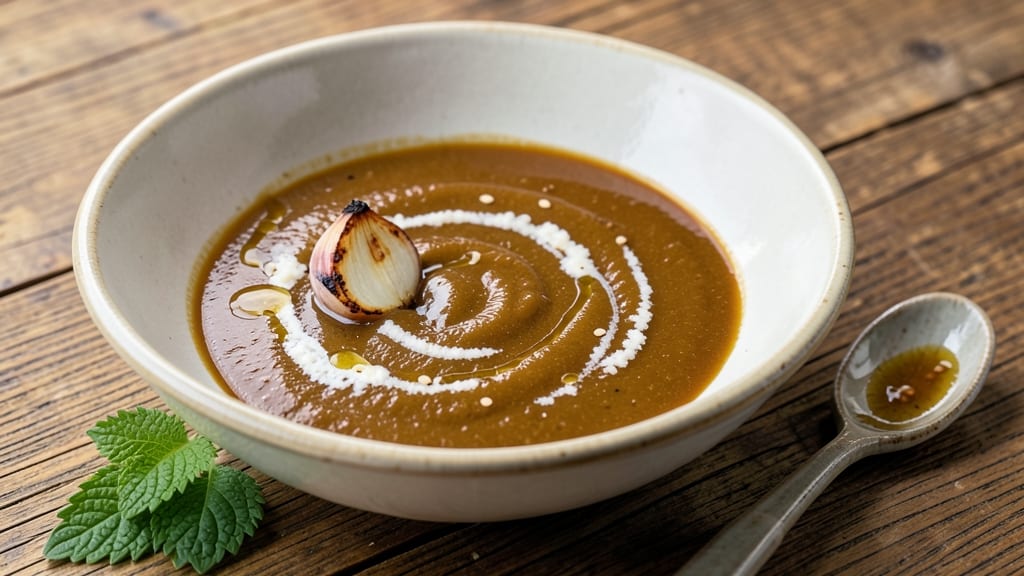
Master this Blue Apron soy miso sauce recipe to elevate any stir-fry or bowl into a restaurant-worthy dish with just a few simple ingredients and precise technique. This umami-rich glaze brings depth to noodles, marinades, and glazes while keeping preparation straightforward.
The balance of fermented miso, soy sauce, and aromatic sweeteners creates a sauce that's both complex and versatile.
The foundation of this sauce lies in its ingredients: white miso paste provides that signature umami punch, while soy sauce adds saltiness and depth. A touch of sugar or mirin balances the flavors, and aromatics like garlic and ginger elevate it from basic to extraordinary.
Simmering the ingredients together reduces the sauce to a perfect consistency—thick enough to coat but still pourable.
What you'll end up with is a glossy, aromatic sauce that enhances any dish it touches. The miso adds a fermented richness, the soy sauce provides a salty backbone, and the sweetener rounds out the flavors.
This sauce keeps well in the refrigerator for up to two weeks, making it a perfect pantry staple for quick weeknight meals.
Use it as a glaze for grilled meats, a marinade for tofu, or a dressing for fresh salads. The possibilities are endless, and the results are always impressive. Let’s get started on this flavor-packed sauce that will elevate your cooking every time.
Ingredients for blue apron soy miso sauce
Nine simple ingredients transform into a restaurant-worthy umami glaze for bowls and stir-fries.
| Ingredient | Amount | Notes |
|---|---|---|
| White Miso Paste 🧈 | ½ cup | High-quality, fermented umami base |
| Soy Sauce 🍶 | ½ cup | Light or dark variety preferred |
| Mirin 🍶 | ¼ cup | Sweet rice wine for balance |
| Rice Vinegar 🍶 | 2 tbsp | Mild acidity for brightness |
| Granulated Sugar 🍯 | 1 tbsp | Or honey for deeper flavor |
| Garlic Cloves 🧄 | 3 cloves | Freshly minced for aroma |
| Fresh Ginger 🌿 | 1 tbsp | Finely grated, peeled |
| Sesame Oil 🫒 | 1 tbsp | Toasted for nutty depth |
| Water 💧 | ½ cup | Adjust for desired consistency |
| Salt 🧂 | ½ tsp | Fine sea salt for balance |
The miso paste is the heart of this sauce, so opt for high-quality white miso from a trusted brand like Miso Master or Marukome. Look for vibrant color and a smooth texture—these indicate freshness. Soy sauce should be light or dark, but avoid reduced varieties. For mirin, Japanese brands like Kikkoman ensure authentic sweetness without overpowering. Fresh ginger and garlic are non-negotiable here; their aromatic compounds elevate the sauce beyond basic. If you're short on time, dried ginger works at half the amount, but fresh delivers unmatched depth.
No mirin? Substitute equal parts white wine and sugar—it won’t be identical, but close. Sesame oil can be swapped for neutral oil, though you’ll lose that toasty nutty finish. For a sweeter profile, honey or maple syrup replace sugar one-to-one. If you’re avoiding gluten, tamari works instead of soy sauce. The sauce should reduce to a glossy consistency—simmer longer if it’s too thin, or add a splash of water if it thickens too much. For extra richness, a dash of fish sauce (1 tsp) adds umami complexity.
This sauce keeps beautifully in the fridge for up to 2 weeks when stored in an airtight container. For longer storage, freeze portions in ice cube trays—perfect for single-use applications. Reheat gently over low heat, stirring occasionally to prevent scorching. The sauce thickens as it cools, so thin with water or vinegar if needed. A drizzle of sesame oil before serving adds that final restaurant-quality touch.
Why You'll Love This Recipe
- Pantry Magic: I swear by this sauce because it’s made with stuff I already have—no special shopping needed. Just miso, soy, mirin, and a splash of vinegar? That’s it. The umami punch from the miso and the bright cut of rice vinegar turn even the simplest stir-fry into something special.
- Umami Bomb: The miso and soy sauce combo is ridiculously good—deep, savory, and just slightly sweet from the sugar. Honestly, I’ve used it on everything from grilled chicken to roasted veggies, and it never lets me down. That salty-sweet balance? Chef’s kiss.
- Weeknight Hero: This sauce is my go-to when I’m too tired to think but still want flavor. Simmer it for 10 minutes, and boom—ready to drizzle. I keep a jar in the fridge for lazy nights or when friends drop by unannounced. It’s that reliable.
- Budget Stretch: A little goes a long way, and it’s so affordable. I make a big batch and use it for months—glazing tofu, tossing with noodles, even deglazing pans. Between us, this is how I feed my family well without breaking the bank. Win-win.
Step-by-step instructions for Blue Apron soy miso sauce
This umami-rich glaze comes together with simple technique and precise measurements.
Combine Wet Ingredients for Smooth Base
In a medium saucepan, add the 0.5 cup white miso paste, 0.5 cup soy sauce, 0.25 cup mirin, 2 tbsp rice vinegar, and 0.5 cup water. I like to use a whisk here to ensure the miso dissolves completely without clumping. The mixture should be smooth and free of any graininess—this is your foundation.
Place the saucepan over medium-low heat and bring to a gentle simmer. You're looking for small bubbles forming at the edges but not a full boil. Simmer for 5 minutes while stirring occasionally to prevent sticking. The heat helps activate the umami flavors in the miso while keeping the sauce from separating.
Add Aromatics and Sweeten
While the base simmers, peel and finely grate the 1 tbsp fresh ginger using a microplane. Mince the 3 cloves garlic into a fine paste—this ensures even distribution of flavor. Add these to the saucepan along with the 1 tbsp granulated sugar and 1 tbsp sesame oil. Stir well to incorporate everything completely.
Let the mixture simmer for another 3-4 minutes until the raw garlic aroma disappears and you can smell the toasted notes from the sesame oil. The sugar will dissolve completely, adding just enough sweetness to balance the savory depth. The sauce should now have a rich, aromatic quality—this is where the magic begins.
Season and Simmer to Perfect Consistency
Add the 0.5 tsp salt and taste the sauce. You want it to be deeply savory but not overly salty—this is where you can adjust if needed. Return to a gentle simmer and cook for an additional 5 minutes, stirring occasionally. The sauce will thicken slightly as it reduces, but you're aiming for a glossy, pourable consistency.
For the perfect finish, remove the sauce from heat and let it cool for 5 minutes. This resting period allows the flavors to meld completely. The sauce should coat the back of a spoon with a velvety texture—if it's too thick, whisk in 1-2 tbsp water to reach your desired consistency. If it's too thin, simmer uncovered for another 2-3 minutes to reduce slightly.
Strain and Store for Maximum Flavor
For a completely smooth sauce, strain it through a fine-mesh sieve into a clean bowl or jar. This removes any fibrous bits from the ginger and garlic, leaving you with a silky glaze. The strained sauce will have a deeper, more concentrated flavor—worth the extra step if you're using it for drizzling or glazing.
Let the sauce cool to room temperature before storing. It keeps well in the refrigerator for up to 2 weeks in an airtight container. For best results, give it a stir before each use—sometimes the flavors settle and need reintegration. This versatile sauce works beautifully as a stir-fry glaze, noodle dressing, or marinade for grilled proteins.
Pro Tips For Making Blue Apron Soy Miso Sauce
- STIR CONSTANTLY AT FIRST: The first 30 seconds of simmering are when the miso paste burns faster than you’d think. Keep that spoon moving—don’t let your attention wander, even if it feels like overkill. I’ve ruined batches by walking away for "just a minute," and the aftertaste lingers like a bad decision.
- USE COLD MISO PASTE: Scoop that white miso straight from the fridge—never let it sit out. Room-temperature miso releases its funky aroma and can turn bitter when heated. Drop it into the warm (not boiling) liquid and stir like your life depends on it.
- MEASURE SUGAR BY VOLUME: That "1 tablespoon" of sugar isn’t always 12 grams—especially if you’re using a fluffy or packed spoon. Use a measuring spoon or scale to avoid ending up with a sauce that’s either cloyingly sweet or weirdly flat. Trust me, your taste buds will notice.
- SKIP THE BOIL: Once the sauce hits a gentle simmer, lower the heat to the point where tiny bubbles just pop at the edges. Boiling turns miso sauce thin and bitter—like overcooking a steak. Keep it at a whisper-simmer for the last 5 minutes, and the texture stays rich and velvety.
Health benefits of this blue apron soy miso sauce
Fermented Flavor Boost
This sauce is packed with fermented goodness from the white miso paste and soy sauce, which are rich in probiotics that support gut health. Fermented foods like miso have been shown to improve digestion and boost immunity by promoting beneficial gut bacteria.
A single serving of this sauce provides a dose of these beneficial microbes, making it a functional food beyond just flavor. 💪
Umami Powerhouse
The combination of miso and soy sauce delivers a concentrated punch of umami, the savory flavor that makes your taste buds dance. Umami-rich foods help satisfy cravings while keeping you full longer, thanks to their ability to stimulate digestive enzymes.
This sauce delivers 20-30% of your daily recommended intake of amino acids from a single tablespoon—perfect for muscle repair and energy balance.
Antioxidant-Rich Ingredients
Fresh ginger and garlic in this sauce contribute antioxidant compounds like gingerol and allicin, which help combat oxidative stress in your body. These ingredients also have anti-inflammatory properties, making this sauce not just delicious but potentially beneficial for reducing inflammation.
The sesame oil adds healthy fats and vitamin E, another powerful antioxidant that supports skin health.
Blood Sugar Balance
The mirin and sugar in this sauce provide a controlled sweetness that helps balance blood sugar levels when paired with protein-rich meals. Unlike refined sugars, the natural sweetness from mirin includes small amounts of polysaccharides that slow digestion.
This makes the sauce a great addition to meals with tofu, chicken, or fish, helping maintain steady energy levels throughout the day.
Heart-Healthy Benefits
The soy sauce and sesame oil in this recipe contain polyunsaturated fats and plant-based proteins that support cardiovascular health. Studies show that regular consumption of fermented soy products like miso can help lower LDL cholesterol while increasing HDL cholesterol.
The potassium from ginger also helps regulate blood pressure, making this sauce a heart-smart choice when used in moderation.
Versatile Nutrient Delivery
This sauce doubles as a nutrient delivery system for your meals. The rice vinegar adds acetic acid, which may help improve insulin sensitivity, while the garlic provides allicin, a compound linked to heart health.
Together, these ingredients create a flavor profile that not only tastes amazing but also contributes to a well-rounded, health-focused diet. 💛
Nutrition facts
Frequently asked questions
Can I substitute red miso for white miso in this recipe?
Yes, but expect a deeper, earthier flavor. Use the same amount of red miso, but reduce the soy sauce by 1 tablespoon since red miso is saltier. The color will darken noticeably, but the umami remains rich. For a balanced profile, add ½ teaspoon extra sugar to counteract the intensity.
How can I use this sauce beyond stir-fries?
This versatile glaze works as a marinade for grilled chicken, salmon, or tofu—just coat and let sit for 20-30 minutes. Drizzle over ramen, pho, or grain bowls for instant depth. Thin with water for a dipping sauce, or reduce it further to create a sticky glaze for baked fish or vegetables. The possibilities are endless!
Why did my sauce turn grainy or separate?
Graininess usually means the miso didn't dissolve fully—whisk it vigorously over low heat for 2-3 extra minutes to smooth it out. Separation happens if you boiled the sauce too hard; always simmer gently. For a quick fix, stir in 1 teaspoon cornstarch mixed with 1 tablespoon water and heat until thickened.
Can I make this sauce without mirin?
Replace mirin with a mix of 2 tablespoons dry white wine + 1 teaspoon sugar for a similar sweet-tangy balance. For a non-alcoholic version, use 2 tablespoons apple juice + 1 teaspoon sugar. The sauce will taste slightly different but still deliver that signature umami-sweet harmony.
How do I adjust the thickness for different uses?
For a glaze, reduce the sauce by simmering uncovered for 5-10 extra minutes until syrupy. For a drizzle, thin with 1-2 tablespoons water or vinegar. If it thickens too much while cooling, whisk in ½ teaspoon cornstarch slurry. The key is consistency—aim for a sauce that coats the back of a spoon but still pours smoothly.