
Sauces & Condiments
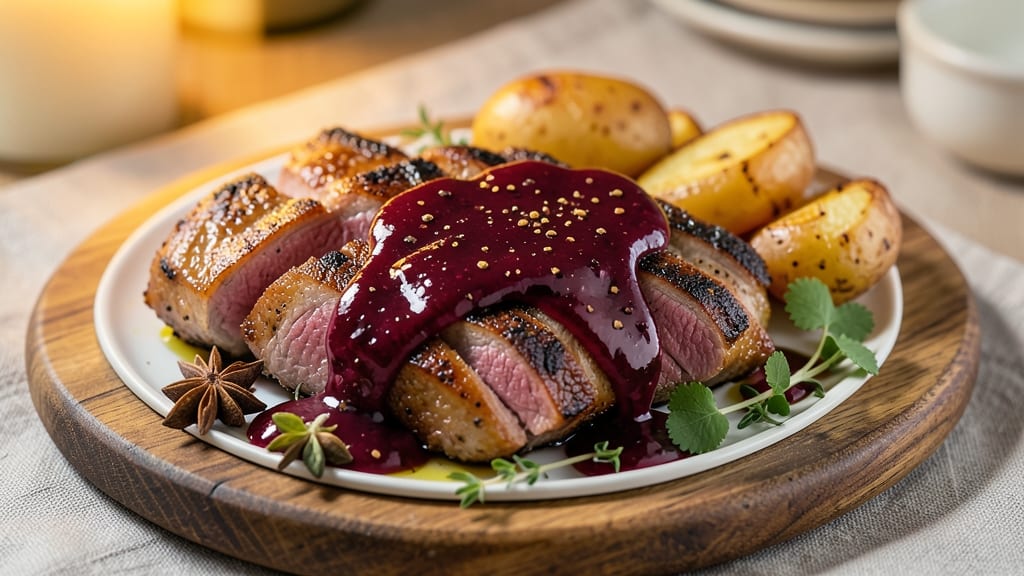
This blackberry sauce recipe for pork transforms simple ingredients into a bold, caramelized glaze that elevates any pork dish.
The secret lies in simmering fresh blackberries with just enough sugar and vinegar to balance their natural tartness, creating a sauce that's rich yet bright—perfect for glazing ribs, drizzling over chops, or serving as a tangy dipping sauce.
I developed this recipe after realizing how often store-bought sauces fall flat against pork's natural richness, so I focused on building depth through slow reduction and a touch of warm spice.
The process is straightforward but yields restaurant-quality results: blackberries break down into a velvety, jammy texture while sugar caramelizes at the edges, creating pockets of intense sweetness.
A splash of vinegar keeps the sauce from becoming cloying, and a pinch of cinnamon or star anise adds warmth that pairs beautifully with pork's savory notes. What makes this sauce special is its versatility—it works as a glaze, a marinade base, or even a finishing drizzle over roasted vegetables.
What you'll end up with is a glossy, deeply flavorful sauce that clings to pork like a second skin, enhancing its natural juiciness without overpowering it. The caramelized edges add a touch of complexity, while the tart-sweet balance ensures every bite is memorable.
This sauce keeps well in the fridge for up to two weeks, making it ideal for meal prep or gifting—just reheat gently to restore its silky texture.
Whether you're slow-roasting pork shoulder or searing chops, this blackberry sauce turns an ordinary meal into something special. The key is patience—letting the sauce reduce slowly until it coats the back of a spoon. Trust the process, and you'll have a sauce that's worth every minute of simmering.
Ingredients for blackberry sauce recipe for pork
Eight simple ingredients create a restaurant-worthy blackberry glaze for pork that caramelizes beautifully.
| Ingredient | Amount | Notes |
|---|---|---|
| Fresh Blackberries 🫐 | 1 ½ lbs | Ripe, stems removed |
| Granulated Sugar 🍚 | ½ cup | Light or dark brown preferred |
| Apple Cider Vinegar 🍎 | ¼ cup | Organic, unfiltered preferred |
| Ground Cinnamon 🌿 | 1 tsp | Freshly ground for warmth |
| Star Anise Pod 🌟 | 1 whole | Optional, for depth |
| Extra-Virgin Olive Oil 🫒 | 1 tbsp | For glossy finish |
| Kosher Salt 🧂 | ½ tsp | Diamond Crystal preferred |
| Fresh Lemon Juice 🍋 | 1 tbsp | Brightens the sauce |
Blackberries are the heart of this sauce, so pick the ripest, juiciest berries you can find. Local farmers markets often have the best quality, but any grocery store's fresh produce section works too. Look for berries that are deep purple-black with no white spots—those are underripe. If you can't find fresh, frozen blackberries work in a pinch, but thaw and drain them well first. The sugar is where the magic happens: light brown sugar adds subtle molasses notes, while dark brown gives deeper caramelization. I always grab the Domino brand for consistency, but any quality granulated will do.
No fresh blackberries? Frozen work perfectly—just don't thaw them completely before using. Swap apple cider vinegar for red wine vinegar if that's what you have, but the apple adds a lovely fruity depth. Star anise is optional but adds that warm, spicy complexity that makes this sauce restaurant-quality. Skip it if you're sensitive to strong spices. The olive oil at the end isn't just for richness—it creates that gorgeous glossy finish that makes the sauce cling to pork like a second skin. For a quicker version, you can reduce the sauce on high heat, but low and slow gives you those caramelized edges that take this from good to spectacular.
This sauce keeps beautifully in the fridge for up to 2 weeks in an airtight jar. The flavors actually deepen over time, so it's perfect for meal prep. To reheat, warm gently on the stove with a splash of water to restore its silky texture—never microwave it directly. The sauce freezes well too for up to 6 months, though the texture may change slightly. I always make extra because it disappears fast—great for gifting too. Just store it in a pretty jar with a ribbon and you've got an instant hostess gift that's always a hit.
Why You'll Love This Recipe
- Five-Ingredient Magic: I swear by this—just blackberries, sugar, vinegar, and two spices. No fancy techniques, no stress. Simmer it down, and you’ve got sauce that feels like a hug for your pork.
- Sweet-Sour Balance: That first bite of tangy blackberry cutting through rich pork? Chef’s kiss. The star anise adds this hidden depth—like a whisper of spice that makes it unforgettable.
- Weeknight to Dinner Party: Same sauce works on grilled pork chops, slow-cooker ribs, or even as a glaze for bacon-wrapped pork tenderloin. Honestly, I’ve used it for everything, and it never lets me down.
- Sauce That Lasts: Make a double batch—this stuff keeps for weeks in the fridge. Freezes like a dream too, so you’re always ready for last-minute BBQs or lazy Sunday breakfasts. (Yes, even on a Tuesday night.)
Step-by-step instructions for blackberry sauce for pork
Here's how to transform fresh blackberries into a rich, caramelized glaze perfect for pork.
Prepare the Blackberries and Aromatics
In a medium saucepan, combine the 1.5 lbs fresh blackberries with the 1 whole star anise pod (if using) and bring to a gentle simmer over medium heat. Let them cook undisturbed for 5-7 minutes until they begin to break down and release their juices. You'll notice the berries soften and the mixture takes on a deep purple hue—this is when the natural pectin starts activating.
While the berries cook, crush the star anise pod lightly between your fingers to release its essential oils into the mixture. This adds subtle depth that complements the tartness of the blackberries. If you're using a particularly ripe batch of berries, you might see some juices foam up—this is normal and indicates high acidity, which we'll balance later with sugar.
Add Sugar and Vinegar for Balance
Once the berries have softened, stir in the 0.5 cup granulated sugar and 0.25 cup apple cider vinegar all at once. Increase the heat to medium-high and bring the mixture to a boil. Let it boil vigorously for 3-4 minutes until the sugar fully dissolves and the sauce begins to thicken. You'll see the sauce darken slightly and become more glossy—this is the moment when the natural sweetness and acidity start to meld.
Here's the thing—don't stir constantly. Occasional stirring prevents sugar from crystallizing on the bottom. Instead, give it a quick stir every 30 seconds to ensure even cooking. If the sauce starts to look too thick before it's fully reduced, add 1-2 tablespoons of water to help it along.
Simmer Until Thick and Glossy
Reduce the heat to medium-low and let the sauce simmer uncovered for 15-20 minutes, stirring occasionally. You're looking for a sauce that coats the back of a spoon and leaves a slight trail when you run your finger through it. The sauce should reduce by about half, and the blackberries should be completely broken down into a smooth, jam-like consistency.
During this time, the natural pectin in the blackberries will continue to activate, helping the sauce thicken without needing additional thickeners. If you're concerned about the sauce becoming too thick, you can remove the star anise pod early—usually around the 10-minute mark. The longer it cooks, the more intense its flavor becomes, but it's entirely optional.
Finish with Spices and Oil
Once the sauce has thickened to your desired consistency, stir in the 1 tsp ground cinnamon, 0.5 tsp kosher salt, and 1 tbsp fresh lemon juice. The cinnamon adds warmth that cuts through the tartness, while the lemon juice brightens the entire sauce. Simmer for another 2-3 minutes to let these flavors meld together. You'll notice the sauce becomes even more aromatic, with a subtle spicy note from the cinnamon.
Remove the sauce from heat and stir in the 1 tbsp extra-virgin olive oil. This step is crucial—it adds a luxurious sheen and helps the sauce cling beautifully to pork. The oil also mellows out the acidity slightly, creating a more balanced glaze. Let the sauce cool slightly before using it, as it will continue to thicken as it cools.
Strain and Adjust Consistency
For a completely smooth sauce, strain it through a fine-mesh sieve into a clean bowl, pressing gently on the berries to extract all the juices. If you prefer a rustic texture with small berry pieces, simply skip this step. Taste the sauce and adjust the sweetness or acidity as needed—add a pinch more sugar if it's too tart, or a splash more vinegar if it's too sweet.
This sauce is best used immediately, but it will keep in the refrigerator for up to 5 days in an airtight container. To use it, simply reheat it gently in a saucepan over low heat, stirring occasionally, until it reaches a smooth, pourable consistency. The sauce will caramelize beautifully when brushed onto pork, creating those coveted crispy edges you're after.
Pro Tips For Making Blackberry Sauce Recipe For Pork
- CRUSH THE BERRIES: Use the back of a spoon or a potato masher instead of a blender—this keeps the sauce chunky and vibrant, just like I learned from my grandmother’s old recipe. Over-blending turns it into a glaze that clings like syrup instead of coating the pork properly.
- SIMMER LOW AND SLOW: Start on medium-high to get the sugar dissolved, then drop to a bare simmer—no boiling, no splattering. I used to rush this and end up with a bitter, vinegary mess. Let it bubble gently for at least 20 minutes so the flavors meld without burning.
- STRAIN THE STAR ANISE: Toss the pod in a fine-mesh strainer after simmering—it’s easy to forget, and you’ll end up with a weirdly grainy texture. I’ve done it twice, and the second time, I swore I’d never skip it again.
- SALT THE VINEGAR: Add a pinch of salt (¼ teaspoon) to the apple cider vinegar before mixing it in—it balances the sharpness and rounds out the sauce. Sounds small, but it makes a real difference, especially if you’re using a strong, tangy vinegar.
Pro cooking tips for this recipe
Heat Control Secrets
Start with medium heat when combining blackberries and star anise—this gentle approach prevents scorching while allowing the berries to break down naturally. I've learned the hard way that rushing this step can turn your sauce bitter.
Once you add sugar and vinegar, crank the heat to medium-high for that initial boil, but then immediately reduce to medium-low for the simmer. This two-step process ensures proper caramelization without burning the sauce. 🌡️
Timing is Everything
The 15-20 minute simmer is where magic happens, but don't walk away! Stir occasionally to prevent sugar crystallization on the bottom, but not constantly—this helps build those beautiful caramelized edges. I've found that 10 minutes is the perfect window to remove the star anise pod if you prefer milder flavor.
The sauce will continue thickening as it cools, so aim for a consistency that coats the back of a spoon while still being pourable.
Sugar Crystallization Fix
If you see sugar crystals forming on the bottom of your pan (a common issue with high-sugar reductions), immediately add 1-2 tablespoons of water and stir vigorously. The heat will dissolve the crystals, and you'll be back on track.
I once ruined an entire batch this way—now I keep a small cup of water nearby specifically for this purpose. The key is acting fast before the crystals set permanently.
Olive Oil Finish
Adding extra-virgin olive oil at the end isn't just about flavor—it creates that glossy sheen that makes your sauce look restaurant-worthy. Use a light hand with the oil (just 1 tablespoon) to avoid making the sauce too greasy.
I recommend California olive oil for its mild, fruity notes that complement the blackberries beautifully. The oil also helps the sauce cling to pork, making it perfect for glazing.
Consistency Adjustments
If your sauce turns out too thick, thin it with 1 teaspoon of water or vinegar at a time until you reach the desired consistency. For a thicker sauce, simmer uncovered for an additional 5-10 minutes to evaporate more liquid.
I've had to adjust consistency more times than I can count—especially when using particularly ripe berries that release more juice than expected. The goal is a sauce that's glossy but not runny, with just enough body to cling to pork.
Storage and Reheating
Store your blackberry sauce in an airtight glass jar in the refrigerator for up to 2 weeks. When reheating, warm it gently over low heat with a splash of water—this prevents the sugar from burning and restores its silky texture.
I always reheat my sauce in a small saucepan, stirring constantly until it reaches 160°F. Never microwave it directly, as this can make it grainy and lose its beautiful sheen. 💫
Nutrition facts
Frequently asked questions
Can I make this blackberry sauce with frozen blackberries?
Yes! Frozen blackberries work perfectly—just don't thaw them completely first. Spread them directly from frozen in the saucepan, and they'll break down just as well as fresh berries. The texture might be slightly chunkier, but the flavor remains rich and vibrant. This is especially handy when fresh berries aren't in season.
How do I prevent sugar from crystallizing in my sauce?
Sugar crystals happen when the sauce cooks too slowly or gets disturbed while hot. To avoid it, stir occasionally (every 30 seconds when boiling) and keep the heat at medium-high until boiling. If crystals appear, immediately add 1-2 tablespoons of water and stir vigorously to dissolve them. I learned this trick after ruining a batch—now I keep water nearby!
What's the best way to use this sauce with pork?
This sauce is incredibly versatile! Use it as a glaze for ribs or chops by brushing on during the last 10 minutes of cooking, or drizzle over roasted pork tenderloin. For extra flavor, simmer pork in this sauce for the last 5 minutes of cooking. It also makes a fantastic dipping sauce for pulled pork or pork sliders.
Can I adjust the sweetness or tartness of the sauce?
Taste the sauce after simmering and adjust to preference. For more sweetness, add 1 teaspoon sugar at a time. For extra tartness, stir in 1 teaspoon vinegar or lemon juice. I usually aim for a balance where the tartness brightens the pork's richness without overpowering it.
How long will this sauce keep, and can I freeze it?
This sauce stays fresh in an airtight jar in the fridge for up to 2 weeks. For longer storage, freeze it in ice cube trays or small jars for up to 6 months. To reheat, warm gently over low heat with a splash of water—never microwave directly, as this can make it grainy. The flavors actually improve over time!