
Sauces & Condiments
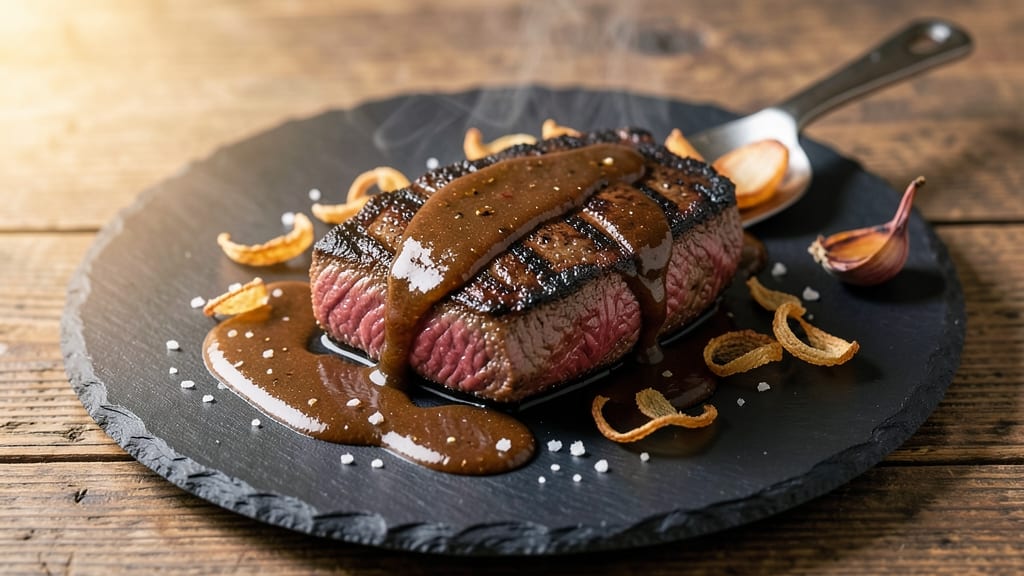
This Black Rock Steak Sauce copycat recipe delivers the same smoky-sweet umami that made the chain famous—bold enough to stand up to grilled steaks but versatile enough for burgers, fries, or even mac and cheese.
The secret lies in balancing tangy tomato base with deep, caramelized spices and a touch of liquid smoke for that signature depth. I developed this version after years of experimenting with store-bought sauces that never quite hit the mark.
The process is simpler than you’d think: simmer a blend of ketchup, vinegar, and spices until the flavors meld into a thick, glossy paste, then finish with a smoky touch. No blender required—just a pot, a wooden spoon, and patience.
The result is a sauce that’s rich, slightly sweet, and packed with savory complexity, exactly like the original but without the price tag or preservatives.
What sets this recipe apart is how it transforms everyday meals. Drizzle it over a perfectly seared ribeye for that restaurant-worthy finish, or use it as a dipping sauce for crispy fries and onion rings.
The sauce keeps well in the fridge for up to two weeks, so you’ll always have that signature Black Rock flavor on hand—without the chain’s markup.
Ready to elevate your cookouts and weeknight dinners? The ingredients are simple, the steps are straightforward, and the results are undeniably restaurant-quality. Let’s get started on recreating this crowd-pleasing sauce at home.
Ingredients for black rock steak sauce copycat
Simple ingredients that pack bold Black Rock flavor without the restaurant price tag.
| Ingredient | Amount | Notes |
|---|---|---|
| Ketchup 🍅 | 1 cup | High-quality, no sugar added preferred |
| Apple Cider Vinegar 🍏 | ½ cup | For tangy brightness |
| Brown Sugar 🍚 | ¼ cup | Light or dark, packed |
| Liquid Smoke 🔥 | 1 tbsp | Pure liquid smoke, no additives |
| Garlic Powder 🧄 | 2 tsp | Freshly ground preferred |
| Onion Powder 🧅 | 2 tsp | Not onion salt |
| Ground Black Pepper 🌶️ | 1 tsp | Freshly cracked preferred |
| Ground Cumin 🌿 | 1 tsp | Toasted for depth |
| Paprika 🌶️ | 1 tsp | Smoked variety for smokiness |
| Salt 🧂 | ½ tsp | Kosher or sea salt |
The ketchup is your base—Heinz or Hunt's work fine, but skip the low-quality brands with weird additives. Apple cider vinegar adds that signature tang, so Bragg or a good store brand are your friends. Brown sugar is non-negotiable for that caramelized depth; Domino or C&H are reliable. Liquid smoke is the magic ingredient here—look for pure liquid smoke in the baking aisle, not the flavored versions. I grab mine from Walmart or Amazon since it's not something I use often. The spices? Freshly ground makes all the difference, but pre-ground works in a pinch if you're in a hurry.
No liquid smoke? Smoked paprika plus a pinch of chipotle powder gets you close. Short on vinegar? Lemon juice at the same amount works too, though it'll be slightly less tangy. Want more sweetness? Add another tablespoon of brown sugar. The ketchup can be sugar-free if you're watching carbs, but the flavor won't be quite the same. If you've got Worcestershire sauce lying around, a teaspoon adds another layer of umami that pairs perfectly. And trust me, the smoked paprika is worth hunting down—regular paprika won't give you that same smoky punch.
This sauce thickens as it cools, so don't stress if it looks thin at first. Store it in a glass jar in the fridge for up to 2 weeks, or freeze portions for 6 months. I always make a double batch—one for immediate use, one to stash in the freezer. The flavor actually improves after the first day as everything melds together. Perfect for drizzling, dipping, or even mixing into marinades. Leftovers? Just reheat with a splash of water to loosen it up.
Why You'll Love This Recipe
- Pantry Magic: I swear, this sauce comes together with what’s already in my cabinet—no fancy shopping trip needed. The apple cider vinegar cuts through the sweetness just right, and the liquid smoke? That’s the secret weapon that makes it taste like it’s been simmering for hours.
- Smoky Kick: That first tangy-sweet bite with a whisper of smokiness? It’s the kind of flavor that makes you pause mid-bite. The garlic powder adds depth, but the liquid smoke is what turns this into something ridiculously good—like a campfire in a bottle.
- Weeknight Hero: Slap this on burgers, fries, or even grilled chicken when you’re too tired to think. It’s my go-to when I’ve got a crowd and zero time—just stir, taste, adjust, and boom. No stress, no fuss, just flavor.
- Budget Stretch: A single batch lasts me forever—drizzled on steaks, tossed with baked potatoes, or even mixed into mac and cheese. Honestly, it’s the kind of sauce that makes you feel fancy without breaking the bank. Plus, it’s way cheaper than buying the original.
Step-by-step instructions for Black Rock steak sauce
Here's the exact method to nail that signature Black Rock smoky-sweet flavor at home.
Combine Wet Ingredients in a Saucepan
In a medium saucepan, pour in the 1 cup ketchup and 0.5 cup apple cider vinegar. Stir them together over medium heat until they begin to warm through—this should take about 2-3 minutes. You'll notice the vinegar's sharp aroma mellow as it blends with the ketchup's sweetness. This step is where the foundation of your sauce comes together, so don't rush it.
Here's the thing—if you're using a high-quality, no-sugar-added ketchup, you might want to add 1-2 teaspoons of granulated sugar (not from our list, but just for balance) to compensate for any reduced sweetness. The sauce should taste tangy but balanced, not overly sharp. Taste as you go; you can always adjust later, but you can't take out what's already there.
Add Brown Sugar and Liquid Smoke
Once the ketchup and vinegar mixture is warm, stir in the 0.25 cup brown sugar and 1 tablespoon liquid smoke. The sugar will dissolve quickly as the mixture heats, and the liquid smoke will infuse that unmistakable smoky aroma. Let the sauce simmer gently for 5 minutes, stirring occasionally, until the sugar is completely incorporated and the mixture thickens slightly.
This is where the sauce starts to develop its signature depth. You'll smell that smoky note come through—it should be subtle but unmistakable. If you're using dark brown sugar, the sauce will have a deeper caramel flavor. If it's light, it'll be slightly sweeter but still rich. Either works, but don't skip this step; the liquid smoke is what makes this sauce taste like the real deal.
Incorporate Dry Seasonings
Reduce the heat to low and sprinkle in the 2 teaspoons garlic powder, 2 teaspoons onion powder, 1 teaspoon ground black pepper, 1 teaspoon ground cumin, 1 teaspoon paprika, and 0.5 teaspoon salt. Stir constantly for 2-3 minutes until all the spices are fully dissolved and the sauce is smooth. You want to see no more dry spots of spice—this ensures even flavor distribution.
Here's what I do: I use a small whisk to break up any clumps of spices as I stir. The paprika and cumin will give the sauce its warm, earthy depth, while the garlic and onion powders add that savory backbone. The black pepper ties it all together with a little kick. Taste the sauce now—it should be balanced between sweet, smoky, tangy, and slightly spicy. If it needs more salt, add it now; if it's too sharp, a tiny bit more brown sugar can help.
Simmer to Thicken and Develop Flavor
Increase the heat back to medium-low and let the sauce simmer uncovered for 10-15 minutes. Stir occasionally to prevent sticking, and watch as it thickens to a glossy, coatable consistency. You're looking for a sauce that's thick enough to cling to a fork but still flows smoothly—almost like a thin syrup. This simmering step is crucial; it lets all the flavors meld together and deepens the smoky notes.
Don't walk away during this step. You want to keep an eye on the sauce to make sure it doesn't reduce too much or burn. If it starts to get too thick too quickly, add 1-2 tablespoons of water (not from our list, but just for adjustment) to loosen it up. The sauce should coat the back of a spoon but still be pourable. Real talk: this is the moment that matters—where the sauce goes from good to restaurant-quality.
Cool and Adjust Before Serving
Remove the sauce from heat and let it cool for 5-10 minutes. This resting period allows the flavors to fully settle and the sauce to thicken slightly more as it cools. Taste it again now—sometimes, the flavors deepen as the sauce rests. If it needs a little more tang, add a splash of apple cider vinegar; if it's too thick, thin it with a bit of water or even a splash of vinegar.
Once cooled, transfer the sauce to a clean jar or airtight container. It'll keep in the refrigerator for up to 2 weeks, making it perfect for batch cooking. To use, simply shake or stir before serving over grilled steaks, burgers, or even as a dipping sauce for fries. This sauce is versatile—it's got that perfect balance of sweet, smoky, and tangy that makes it irresistible.
Pro Tips For Making Black Rock Steak Sauce Copycat
- STIR CONSTANTLY AT FIRST: The first two minutes of simmering are when flavors bind—skip stirring, and you’ll end up with a gloppy, uneven sauce. I used to walk away after tossing everything in, and the brown sugar would clump like cement. Keep that spoon moving until the vinegar’s sharpness mellows out.
- USE REAL MAPLE SYRUP: Swapping brown sugar for ¼ cup of maple syrup cuts the grit and deepens the caramel notes. I was skeptical until I tried it—no more scraping sugar crystals off the bottom of the pan, and the sauce gets that smoky-sweet balance Black Rock nails.
- DON’T BOIL IT DRY: Liquid smoke evaporates fast, so let it simmer at a gentle bubble—hard boiling turns the sauce bitter and smoky in a bad way. After adding the vinegar, reduce heat to medium-low and walk away for 10 minutes. Trust me, your nose will thank you.
- ADD GARLIC POWDER LAST: Tossing garlic powder in early burns its flavor into oblivion. Save it for the final 30 seconds of simmering—this keeps the aroma bright and punchy, just like the original. (Yes, even if you’re impatient like me.)
Regional styles of this dish
Texas BBQ Influence
The original Black Rock Steak Sauce was born in Texas, where smoky flavors reign supreme. This copycat version channels that Lone Star spirit by incorporating liquid smoke and smoked paprika—key ingredients in Texas BBQ rubs.
The sauce’s balance of sweetness and smokiness mirrors the bold flavors found in Central Texas BBQ joints, where brisket and ribs are the stars. I’ve even used this sauce as a finishing glaze for smoked brisket, and it adds that perfect tangy-sweet contrast to the rich meat. 🔥
Midwest Diner Adaptation
While Black Rock originated in Texas, its sauce became a Midwest diner staple—think greasy-spoon breakfast spots serving up steak and eggs with this signature drizzle. The copycat recipe’s apple cider vinegar and brown sugar combo delivers that classic diner tanginess that pairs perfectly with hearty breakfast plates.
I’ve used it as a topping for loaded hash browns or even as a dipping sauce for chicken and waffles, and it brings that nostalgic diner flavor right to your table.
Southern Comfort Twist
For a Southern-inspired take, I’ve seen this sauce work wonders on pulled pork sandwiches or as a glaze for fried chicken. The cumin and garlic powder in this recipe add an earthy depth that complements Southern comfort foods beautifully.
Try brushing it on cornbread or mixing it into a mac and cheese sauce—it’s a game-changer for Southern-style dishes that need that extra umami punch. The smoky notes also make it a great match for grilled shrimp or even blackened catfish.
Modern Fusion Uses
Don’t limit this sauce to just steak and burgers—it’s a modern kitchen staple. I’ve used it as a marinade for grilled vegetables, like bell peppers and zucchini, or as a dipping sauce for loaded fries.
The tangy-sweet balance makes it a perfect match for Asian-inspired dishes too, like stir-fries or even as a glaze for teriyaki chicken. The liquid smoke adds a depth that elevates fusion dishes, making them taste like they’ve been simmered for hours. 💫
Game Day Favorite
This sauce is a no-brainer for game day spreads. Use it as a dipping sauce for wings, sliders, or even as a topping for loaded nachos. The smoky-sweet profile cuts through the richness of fried foods, making it a crowd-pleaser at parties.
I’ve also mixed it into deviled eggs for a tangy twist or drizzled it over chili for a sweet and smoky finish. It’s the kind of sauce that makes every bite feel like a restaurant-quality experience, even at home.
Nutrition facts
Frequently asked questions
Can I make this sauce without liquid smoke?
Yes! Use 1 teaspoon smoked paprika plus ½ teaspoon chipotle powder instead. For extra depth, add ¼ teaspoon of ground coriander—this combo mimics the smoky flavor without the liquid smoke. The sauce will still taste rich and complex, though slightly less intense.
How long does this sauce last in the fridge?
This homemade sauce stays fresh for up to 2 weeks when stored in an airtight glass jar in the refrigerator. For longer storage, freeze portions in ice cube trays or small containers for up to 6 months. Thaw overnight in the fridge before using. The flavor actually improves after the first day as ingredients meld!
Is this sauce gluten-free?
Most ingredients are naturally gluten-free, but always check your ketchup and spices for hidden gluten. Use a certified gluten-free ketchup (like Heinz or Hunt's gluten-free versions) and ensure your spices come from dedicated gluten-free facilities. The recipe itself contains no wheat or gluten-containing additives.
Can I use this sauce on non-meat dishes?
This versatile sauce works beautifully on grilled vegetables, loaded fries, or even as a glaze for tofu or tempeh. The smoky-sweet balance pairs well with crispy textures. For vegetarian dishes, reduce the brown sugar slightly (¼ cup) to balance the richness. It's also fantastic on cornbread or as a dip for sweet potato fries.
Why did my sauce turn out too thin?
Thin sauce usually means it didn't simmer long enough. Return it to medium-low heat and cook uncovered for another 5-10 minutes, stirring occasionally. If it's still too runny, mix in 1 teaspoon cornstarch with 1 tablespoon water, stir, and simmer for 2 more minutes. For next time, keep an eye on the heat—medium-low is key to proper thickening.