
Sauces & Condiments
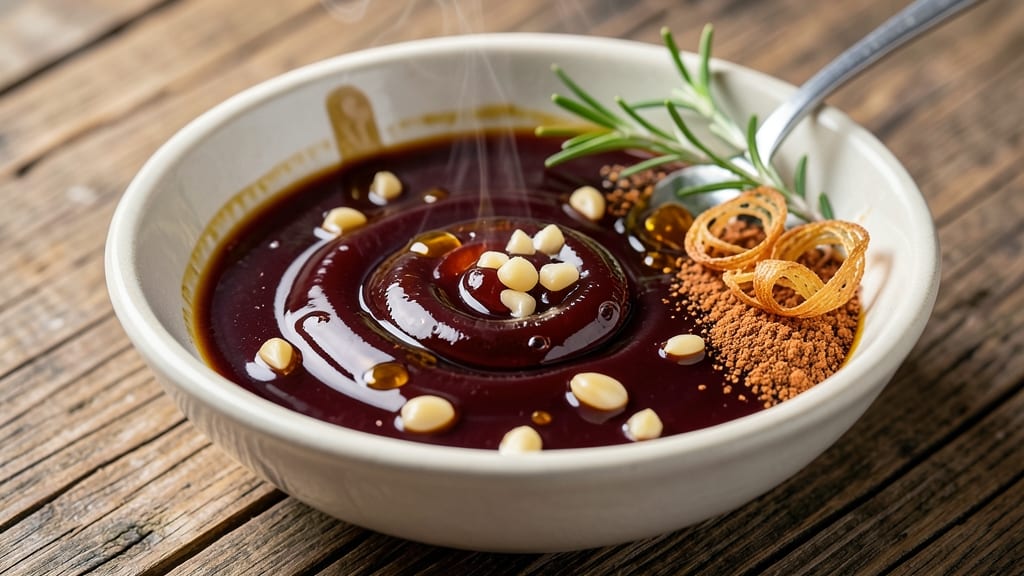
This Bibigo BBQ sauce recipe delivers restaurant-quality depth without the 30-day fermentation wait. The secret lies in balancing smoky paprika, tangy vinegar, and rich molasses for a sauce that's perfect for grilling, marinating, or glazing.
I developed this version after years of perfecting homemade BBQ sauces—it captures that signature fermented complexity in just hours.
What makes this sauce special is the combination of tomato paste for body, apple cider vinegar for tang, and a blend of spices that create layers of flavor.
The molasses adds that signature sweetness without overpowering, while smoked paprika brings the essential smokiness. Unlike traditional fermented sauces, this version delivers bold flavor immediately—no waiting required.
By the time you're done, you'll have a versatile BBQ sauce that's perfect for ribs, pulled pork, or even as a dipping sauce. The sauce thickens beautifully when simmered, creating a glossy finish that caramelizes beautifully on grilled meats.
Store it in the refrigerator for up to 2 weeks, or freeze for longer shelf life.
This recipe transforms ordinary grilled dishes into something extraordinary with minimal effort. The balance of sweet, smoky, and tangy flavors makes it versatile enough for any BBQ application. Let's create this sauce that rivals your favorite bottled versions.
Ingredients for bibigo bbq sauce
Twelve ingredients blend smoky, sweet, and tangy notes for a BBQ sauce that rivals fermented versions.
| Ingredient | Amount | Notes |
|---|---|---|
| Tomato Paste 🍅 | ½ cup | High-quality, no sugar added |
| Apple Cider Vinegar 🍎 | ½ cup | Raw, unfiltered preferred |
| Molasses 🍯 | ⅓ cup | Unsulphured for best flavor |
| Smoked Paprika 🌶️ | 2 tbsp | High-quality, vibrant color |
| Brown Sugar 🍚 | ½ cup | Light or dark, packed |
| Garlic Cloves 🧄 | 4 cloves | Fresh, minced fine |
| Onion Powder 🧅 | 1 tbsp | Freshly ground preferred |
| Mustard Powder 🌿 | 1 tsp | Yellow or Dijon, not salted |
| Salt 🧂 | 1 ½ tsp | Diamond Crystal preferred |
| Black Pepper 🌶️ | ½ tsp | Freshly ground for heat |
| Water 💧 | ½ cup | Filtered for best flavor |
| Honey 🍯 | 1 tbsp | Raw, unprocessed preferred |
The smoked paprika and tomato paste are non-negotiable for that signature Bibigo depth. Penzeys or Trader Joe's carry excellent smoked paprika—look for vibrant, deep red color, not dull brown. For tomato paste, San Marzano is ideal, but any high-quality canned paste works. The molasses should be unsulphured; Whole Foods bulk bins are perfect for this. Fresh garlic and onion powder add complexity—don't skip the mincing, as finely chopped garlic burns faster during simmering. If you're short on time, a garlic powder substitute works at half the amount, but fresh is worth the extra minute.
No molasses? Maple syrup or dark corn syrup can stand in, though the flavor won't be identical. Running out of apple cider vinegar? White vinegar or balsamic vinegar both work, but adjust to taste—the balsamic adds extra depth. For a smokier profile without extra paprika, add a pinch of liquid smoke (start with ½ tsp). The honey balances acidity, but if you prefer vegan, agave nectar works 1:1. Brown sugar can be swapped for white sugar plus a pinch of cinnamon for warmth. Always taste as you go—this sauce builds flavor quickly, so adjustments early prevent over-sweetening later.
This sauce thickens as it cools, so don't worry if it looks thin when hot. Store in a clean glass jar in the fridge for up to 2 weeks, or freeze for 6 months—it actually improves with time. For easy use, portion into ice cube trays and freeze; thaw as needed. The sauce caramelizes beautifully on grills, so keep a small batch in the fridge for spontaneous BBQ sessions. If it separates, just whisk before using—normal for homemade sauces.
Why You'll Love This Recipe
- Pantry Magic: I swear by this sauce because it uses things I already have—no special trips to the store. That molasses and smoked paprika combo? It turns a basic tomato base into something that tastes like it simmered for hours, even when I’m rushing.
- Sweet-Smoky Kick: The apple cider vinegar cuts through the sweetness just right, while the brown sugar and paprika give it that deep, caramelized richness. It’s not too tangy, not too cloying—just the kind of sauce that makes you lick the bowl clean.
- Weeknight Workhorse: Slather it on grilled chicken for a Tuesday dinner, toss it with roasted potatoes for a Sunday supper, or even drizzle it over deviled eggs for a brunch twist. I’ve used it in at least five different meals this month, and it never fails to impress.
- Budget-Friendly Luxury: A single batch costs me pennies but tastes like a fancy restaurant sauce. The leftovers? They keep for weeks in the fridge, so I’m always covered—whether I’m feeding my family or just craving a quick snack. No waste, all flavor.
Step-by-step instructions for Bibigo BBQ sauce
Here's how to craft a rich, fermented-style BBQ sauce with layers of smoky depth and sweet complexity.
Bloom the Spices and Aromatics
In a medium saucepan, combine the 0.5 cup tomato paste, 0.5 cup apple cider vinegar, and 0.5 cup water. Place over medium heat and bring to a gentle simmer, stirring constantly to prevent scorching. Once bubbling, reduce heat to low and whisk in the 2 tbsp smoked paprika, 1 tbsp onion powder, 1 tsp mustard powder, 1.5 tsp salt, and 0.5 tsp black pepper.
Let the mixture steep for 5 minutes while you prepare the garlic. The spices will bloom and infuse the liquid with their distinct flavors. This step builds the aromatic foundation of your sauce—don't rush it. I like to taste the mixture at this stage; you should detect the warmth of the paprika and the subtle tang of the vinegar.
Incorporate Sweetness and Molasses
Add the 0.5 cup brown sugar and 0.33 cup molasses to the saucepan, stirring vigorously until fully dissolved. Increase heat to medium-low and let the sauce simmer for 10 minutes, stirring occasionally. The molasses will darken the sauce and add that characteristic fermented depth, while the brown sugar helps balance the acidity.
Here's the thing—molasses contains natural sugars that will caramelize slightly as it cooks. You'll see the sauce thicken and develop a glossy sheen. If you notice any scorching at the bottom, immediately reduce heat or scrape up the browned bits with a wooden spoon to distribute them throughout.
Add Garlic and Honey for Complexity
Push the minced 4 cloves garlic to the bottom of the saucepan and let it cook for 2 minutes to infuse its flavor without burning. Then stir and add the 1 tbsp honey, which will add a delicate floral note that cuts through the richness. Simmer the entire mixture for another 8-10 minutes until it reaches your desired consistency—it should coat the back of a spoon but still be pourable.
The honey is crucial here. It not only sweetens but also helps create a beautiful glaze when the sauce is brushed onto meats. Taste as you go, adjusting sweetness with a touch more honey or acidity with a splash of vinegar if needed. The sauce should have a perfect balance of smoky, sweet, tangy, and slightly spicy notes.
Simmer to Perfection and Strain
Continue simmering the sauce uncovered for an additional 5 minutes to allow excess moisture to evaporate and the flavors to meld completely. You're looking for a sauce that's thick enough to cling to ribs or pulled pork but still spreadable. If it thickens too much, whisk in 1 tablespoon water at a time until you reach the ideal consistency.
Once satisfied with the texture, remove the sauce from heat and let it cool slightly. Then strain it through a fine-mesh sieve to remove any garlic bits, if desired. This step ensures a silky-smooth sauce without compromising flavor. Transfer the finished sauce to a clean jar and let it cool completely before sealing. The flavors will continue developing as it cools, becoming even more complex.
Pro Tips For Making Bibigo Bbq Sauce
- Simmer Slow and Low: This sauce isn’t a race—after adding vinegar and molasses, reduce heat to a gentle simmer. I used to blast it on high, and it’d either scorch or taste raw. A steady, low simmer (about 20 minutes) lets the flavors meld without burning the tomato paste or turning the molasses bitter.
- Bloom That Paprika: Toast the smoked paprika in a dry pan for 30 seconds before mixing it in—just until you smell that deep, smoky aroma. My first few batches tasted flat because I skipped this. It’s the difference between a subtle smokiness and a bold, charred depth that ties everything together.
- Balance the Sweetness: Taste as you go, especially when adding brown sugar. If the sauce tastes cloying, cut it with a splash of apple cider vinegar. I learned this the hard way after overdoing the sugar and ending up with a dessert-like glaze instead of a tangy-sweet sauce.
- Strain for Smoothness: After simmering, strain the sauce through a fine-mesh sieve to remove any grit from the tomato paste or molasses. It’s not always obvious, but those tiny particles can make the texture uneven. (Yes, it’s extra work, but your ribs or pulled pork will thank you.)
Common mistakes when making perfect results
Over-Simulating Too Early
One of the biggest mistakes is rushing the simmering process. I've seen people crank the heat high to speed things up, but this causes the sauce to split or burn before the flavors meld. Always start with medium heat and reduce to low once simmering begins.
The molasses and sugars need time to caramelize gently—rushing this step creates a harsh, bitter edge instead of that smooth, fermented depth. 🌡️
Skipping the Spice Bloom
The 5-minute spice bloom is where the magic happens, yet many cooks skip it. When you whisk in the smoked paprika, onion powder, and mustard powder without letting them steep, you miss out on their full aromatic potential.
I recommend tasting the mixture after this step—you'll notice a much deeper, more complex flavor foundation if you take the time. This is especially important for that signature Bibigo smokiness that sets this sauce apart.
Underestimating the Molasses
Molasses is the secret weapon in this recipe, but it's easy to underestimate its power. Using unsulphured molasses is crucial—it provides that rich, almost fermented depth without overpowering. If you use too little, your sauce will lack body and complexity.
I've found that ⅓ cup is the sweet spot, but taste as you go. If it seems too strong, balance it with a splash of apple cider vinegar—this is where most homemade BBQ sauces go wrong.
Burning the Garlic
Garlic is delicate and burns quickly, especially when minced. Many people add it too late or at high heat, which turns it bitter. Instead, push the 4 minced cloves to the bottom of the saucepan and let them cook for just 2 minutes on low heat before stirring.
This infuses the flavor without burning. If you notice a sharp, pungent aroma, you've gone too far—start fresh with a new batch of garlic.
Ignoring the Straining Step
Some cooks skip straining the sauce, thinking it’s unnecessary. While it’s not mandatory, straining removes any garlic bits and creates a silky-smooth texture that’s perfect for glazing or dipping. If you’re using this sauce on pulled pork or ribs, a smooth finish ensures even coating.
I like to strain it through a fine-mesh sieve for the best results—it’s a small effort that makes a big difference in the final product. 💫
Over-Sweetening at the End
It’s tempting to add more sugar or honey at the end if the sauce tastes flat, but this can throw off the balance. Instead, adjust sweetness gradually during the simmering process.
The molasses and brown sugar should provide enough depth, but if you need extra sweetness, add 1 tsp honey at a time while tasting. Overdoing it here can make the sauce cloying, especially when paired with smoky meats. Trust the process—your sauce will develop complexity as it cools.
Nutrition facts
Frequently asked questions
Can I make this sauce without molasses?
Yes, but the flavor will be different. For a substitute, use ⅓ cup maple syrup or dark corn syrup—it won’t replicate molasses' fermented depth, but it’ll add sweetness. If you’re avoiding molasses for dietary reasons, try 1 tbsp balsamic vinegar plus 2 tbsp brown sugar to mimic its richness.
How long does this sauce keep in the fridge?
The sauce stays fresh for up to 2 weeks when stored in a clean glass jar in the refrigerator. For longer storage, freeze it for 6 months—it actually improves with time! Portion into ice cube trays for easy single-use servings. Always let it cool completely before sealing to prevent condensation.
Is this sauce spicy?
Not particularly—this recipe focuses on smoky, sweet, and tangy flavors with just a hint of heat from black pepper. For extra spice, add ½ tsp cayenne or red pepper flakes during the simmer. If you prefer mild heat, skip it entirely—the sauce’s depth comes from the spices and molasses, not spiciness.
Can I use this sauce as a marinade?
This sauce works beautifully as a marinade for chicken, pork, or tofu. For best results, use it undiluted and marinate for 4-6 hours (or overnight for deeper flavor). The acidity in the vinegar helps tenderize meats, while the molasses adds caramelization when grilled.
Why does my sauce look thin after cooking?
This is normal—the sauce thickens as it cools! If it’s too thin when hot, simmer uncovered for 5-10 more minutes to reduce. For an instant fix, whisk in 1 tsp cornstarch mixed with 1 tbsp water and simmer for 2 minutes. Avoid over-thickening, as the sauce should still be pourable for glazing.