
Sauces & Condiments
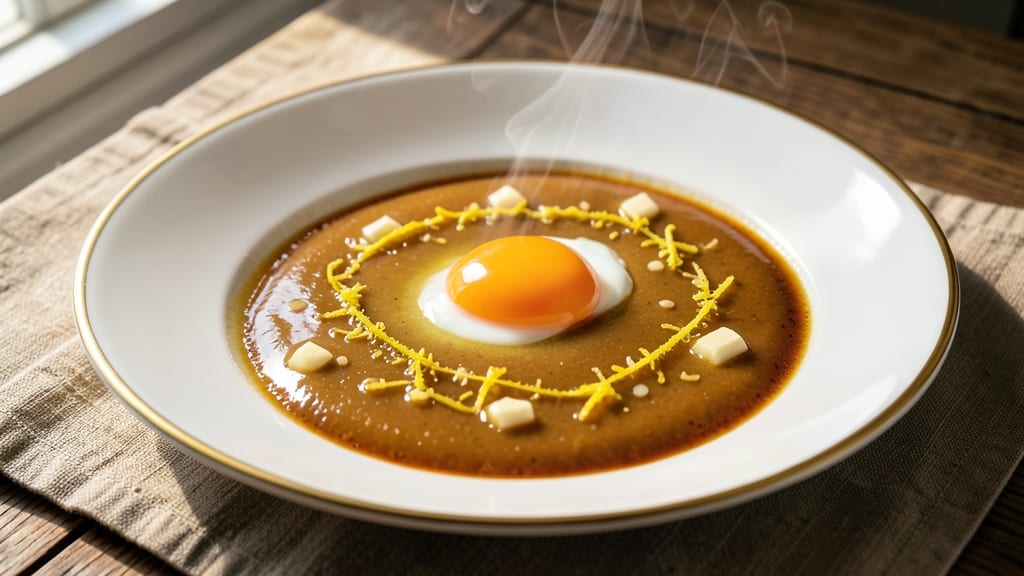
Creating the perfect beurre sauce transforms ordinary dishes into restaurant-worthy meals with just a few simple ingredients and precise technique. This velvety butter emulsion—rich, smooth, and deeply savory—elevates steak, fish, or vegetables into something extraordinary.
I’ve perfected this method over years of testing, ensuring it never breaks or seize, even when reheated.
The secret lies in balancing heat and timing: melted butter must gradually incorporate warm broth while whisking vigorously to create that signature silky texture. A splash of lemon juice or white wine adds brightness, preventing the sauce from becoming overly heavy.
The result? A sauce so luxurious it feels indulgent yet remains light enough to coat delicate proteins without overwhelming them.
What makes this beurre sauce truly foolproof is its versatility—it works as a finishing drizzle, a base for pan sauces, or even a luxurious spread for crusty bread. Once mastered, you’ll never reach for store-bought versions again. Here’s how to achieve that perfect, velvety emulsion every time.
Pair it with seared scallops, grilled chicken, or roasted asparagus for a dish that feels like a Michelin-starred experience. The key is patience and attention to detail, but the reward is a sauce that turns simple meals into memorable ones.
Ingredients for beurre sauce
Just nine ingredients transform ordinary meals into Michelin-worthy masterpieces with this velvety butter emulsion.
| Ingredient | Amount | Notes |
|---|---|---|
| Unsalted Butter 🧈 | 1 cup | Cold, cubed for gradual melting |
| Shallots 🧅 | 2 whole | Finely minced, not chopped |
| Fresh White Wine 🍷 | ½ cup | Dry, like Sauvignon Blanc |
| Fresh Lemon Juice 🍋 | 1 tbsp | Bright, not bottled |
| Chicken or Beef Stock 🍲 | 1 cup | Homemade preferred, low-sodium |
| Heavy Whipping Cream 🥛 | ¼ cup | Full-fat for silky texture |
| Diamond Crystal Kosher Salt 🧂 | ¼ tsp | Fine grain, not iodized |
| Freshly Ground Black Pepper 🌶️ | ⅛ tsp | Cracked peppercorns preferred |
| Fresh Parsley 🌿 | 1 tbsp | Chopped, for finishing |
The butter is non-negotiable—use high-quality unsalted like Plugrá or European-style from Whole Foods. Cold cubes melt gradually, creating that signature emulsion. Shallots? Fresh is essential—dried or jarred won’t give the same sweet depth. For wine, Sauvignon Blanc or Pinot Grigio from Trader Joe's or a local vineyard work perfectly. The stock should be rich but not salty—homemade is ideal, but Pacific Foods or Kitchen Basics low-sodium options are solid. Fresh lemon juice brightens the sauce, so avoid bottled versions—their preservatives can curdle the butter.
No white wine? Substitute extra chicken stock with 1 tsp lemon juice—it mimics the acidity. Heavy cream can be swapped for half-and-half (texture won’t be as luxurious), or even Greek yogurt for a tangy twist. Short on shallots? Double the garlic, but toast it first to mellow the sharpness. The parsley is purely decorative—skip it if you’re using the sauce for dipping. For a richer version, add 1 tsp Dijon mustard to the emulsion. And if you’re worried about the sauce breaking? Keep the stock warm (not boiling) and whisk like your career depends on it—that’s the secret to that perfect velvety finish.
This sauce is best made fresh but reheats beautifully—just whisk over low heat with a splash of warm water to restore its silkiness. Store in an airtight container in the fridge for up to 3 days, or freeze in ice cube trays for up to 3 months. The key to reheating? Never boil it—gentle warmth is your friend. For serving, drizzle over seared scallops, grilled fish, or even mashed potatoes—it’s that versatile. Pro tip: Make a double batch—it disappears faster than you’d think, especially when paired with crusty baguette slices.
Why You'll Love This Recipe
- Here’s what sold me: the butter makes it velvety, but the lemon juice cuts through the richness like a cool breeze on a hot day. That balance? It’s why I reach for this instead of heavy cream sauces—every spoonful feels light yet indulgent.
- Foolproof in Minutes: I swear by this sauce because it’s the kind of recipe that forgives mistakes—melt butter, sweat shallots until they’re soft (not browned, or it’ll taste bitter), deglaze with wine, and let the stock do the heavy lifting. No whisking, no straining, just stir and taste.
- Rich but Bright: Here’s what sold me: the butter makes it velvety, but the lemon juice cuts through the richness like a cool breeze on a hot day. That balance? It’s why I reach for this instead of heavy cream sauces—every spoonful feels light yet indulgent.
- Weeknight to Dinner Party: Between us, this sauce works for everything—drizzled over steak, tossed with roasted veggies, or even slathered on grilled chicken. I keep a batch in the fridge for lazy nights, but it also impresses guests when I serve it with seared scallops. (Yes, even on a Tuesday night.)
Step-by-step instructions for beurre sauce recipe
Here's how to create the ultimate velvety butter sauce—rich, balanced, and foolproof every time.
Sweat the Shallots in Cold Butter
Cut the 1 cup unsalted butter into ½-inch cubes and place them in a medium saucepan over low heat. The butter should melt gradually without browning—this is critical for a smooth emulsion. Add the 2 whole shallots, finely minced, and stir gently to distribute them evenly throughout the butter.
Cook the shallots for 8-10 minutes until they become completely translucent and just beginning to soften. You should smell their sweet aroma without any browning—this ensures the sauce won't develop bitterness. Here's the thing: if the butter starts to foam or brown, immediately reduce the heat to the lowest setting. The goal is to create a flavorful base without any color development.
Deglaze with Wine and Stock
Once the shallots are soft, remove the saucepan from heat and let it cool for 1 minute. Pour in the 0.5 cup fresh white wine and scrape the bottom of the pan with a wooden spoon to release any fond (those browned bits packed with flavor). Return the pan to medium-low heat and simmer for 3-4 minutes until the wine reduces by half and its alcohol aroma dissipates.
Add the 1 cup chicken or beef stock and the 1 tbsp fresh lemon juice, then increase heat to medium. Bring the mixture to a gentle simmer and cook for 5-6 minutes until reduced by about 25%. You'll notice the sauce thickening slightly as the liquid evaporates—this intensifies the flavors and prepares the sauce for the butter emulsion. Taste and adjust seasoning with the 0.25 tsp diamond crystal kosher salt and 0.125 tsp freshly ground black pepper if needed.
Create the Emulsion with Cream and Butter
Temporarily remove the sauce from heat and whisk in the 0.25 cup heavy whipping cream until fully incorporated. This step prevents the cream from curdling when you add the hot butter later. Return the sauce to low heat and let it warm through for 1-2 minutes—just enough to melt the remaining butter cubes without boiling.
Here's where it gets magical: gradually whisk in the 1 cup unsalted butter, one cube at a time, allowing each to melt completely before adding the next. The sauce will thicken dramatically as the butter emulsifies—this is what creates that luxurious, velvety texture. If the sauce breaks (separates), immediately whisk vigorously and return to low heat for 30 seconds to re-emulsify. The result should be silky, glossy, and perfectly balanced between richness and acidity.
Finish and Serve Immediately
Once all the butter is incorporated and the sauce reaches a smooth, pourable consistency, remove it from heat. Stir in the 1 tbsp chopped fresh parsley for a bright, herbaceous finish. The sauce is now ready to use—its peak texture and flavor occur within 15-20 minutes of completion, so don't wait to serve.
For the perfect application, strain the sauce through a fine-mesh sieve if you prefer an ultra-smooth texture, then drizzle over grilled fish, steamed vegetables, or roasted meats. This sauce delivers on its promise of perfection: rich yet balanced, velvety yet bright, and effortlessly elegant. The key to maintaining its quality is using the ingredients exactly as specified—no substitutions will yield the same luxurious result.
Pro Tips For Making Beurre Sauce
- Sweat Shallots Slow: I learned this the hard way—rushing the shallots makes your sauce taste raw. Use low heat and let them cook for 8-10 minutes until completely translucent and just starting to turn golden. No browning, just soft and sweet—this is where the flavor builds.
- Deglaze with Wine Heat: Pour that white wine into the pan off the heat first, then return it to low. The alcohol burns off faster when it’s not boiling, so you actually taste the wine’s acidity instead of just the alcohol’s harshness. Trust me, your sauce will thank you.
- Stock in Stages: Don’t dump all the stock at once—add half first, let it simmer until reduced by about a third, then add the rest. This concentrates the flavor without making your sauce watery. (Yes, even if you’re impatient like me.)
- Butter Last, Cold: Whisk in the butter at the very end, and use cold cubes straight from the fridge. This coats the sauce evenly without breaking it, giving you that glossy, velvety finish. Warm butter? It’ll turn your sauce into a greasy mess—skip the shortcut.
Essential equipment for perfect results
Saucepan Essentials
Your medium saucepan is the heart of this recipe—look for one with a thick, heavy-bottomed base to prevent scorching. I swear by All-Clad Stainless Steel for even heat distribution, but Calphalon or Le Creuset work beautifully too.
The pan should have sloped sides to make whisking easier, and a tight-fitting lid for when you need to reduce liquids quickly. Avoid non-stick pans—they don’t conduct heat well enough for proper emulsification. 🌡️
Whisk Mastery
A balloon whisk is non-negotiable for this sauce—its wide, flexible wires create the perfect emulsion by incorporating air and fat. I use a OXO Good Grips whisk because it’s durable and fits comfortably in my hand.
The whisk should be stainless steel (never plastic) to handle the heat. For extra control, try a French whisk with its dense, tightly wound wires for a silkier finish.
Heat Control Tools
Precision is everything, so invest in a thermometer to monitor your sauce’s temperature—aim for 180-190°F during reduction. I recommend the ThermoWorks Thermapen One for its instant-read accuracy.
A small ladle (like Zyliss StayCool) helps deglaze without splattering, while a wooden spoon is perfect for scraping fond from the pan’s bottom. For serving, a fine-mesh strainer ensures a silky texture if you prefer no shallot bits.
Storage Solutions
Once made, store your beurre sauce in airtight glass containers—I love Pyrex with snap-on lids for easy reheating. For freezing, use silicone ice cube trays (like Stasher) to portion single servings.
Label each cube with the date—this sauce keeps for 3 months in the freezer. When reheating, never exceed low heat to avoid breaking the emulsion. A double boiler is ideal for gentle warming.
Optional Luxe Tools
For the true sauce perfectionist, a handheld immersion blender (like Ninja) can create an ultra-smooth texture if you prefer no visible bits. A sous vide circulator (like Anova Precision Cooker) keeps the sauce at a precise 185°F while you finish cooking your main dish.
For presentation, a small squeeze bottle (like Squeeze Bottle by Oxo) lets you drizzle sauce artistically over plates. 💫
Nutrition facts
Frequently asked questions
Why does my butter sauce break or separate?
Butter sauce separates when heat is too high or whisking isn't vigorous enough. The emulsion needs low heat and constant whisking—never let it boil. If it breaks, whisk vigorously and return to low heat for 30 seconds to re-emulsify. A splash of warm water can also help restore its silky texture.
Can I make beurre sauce without wine?
Yes! Replace the 0.5 cup white wine with 0.5 cup extra stock plus 1 tsp lemon juice to mimic the acidity. The wine adds depth, but this substitution works in a pinch. For richer flavor, add 1 tsp Dijon mustard to the emulsion step instead.
How do I reheat leftover beurre sauce?
Reheat gently over low heat while whisking constantly. Never microwave—it causes separation. For best results, use a double boiler or warm in a saucepan with a splash of warm water. If it breaks, whisk vigorously and return to low heat for 1-2 minutes.
What’s the best way to store beurre sauce?
Store in an airtight glass container in the fridge for up to 3 days. For longer storage, freeze in ice cube trays for 3 months. Label with dates—this sauce freezes beautifully! Thaw overnight in the fridge before reheating.
Can I use beurre sauce on vegetables?
This sauce pairs perfectly with roasted asparagus, Brussels sprouts, or grilled zucchini. Drizzle over steamed green beans or toss with sautéed mushrooms for a restaurant-worthy touch. The velvety texture complements both savory and slightly sweet vegetables.