
Sauces & Condiments
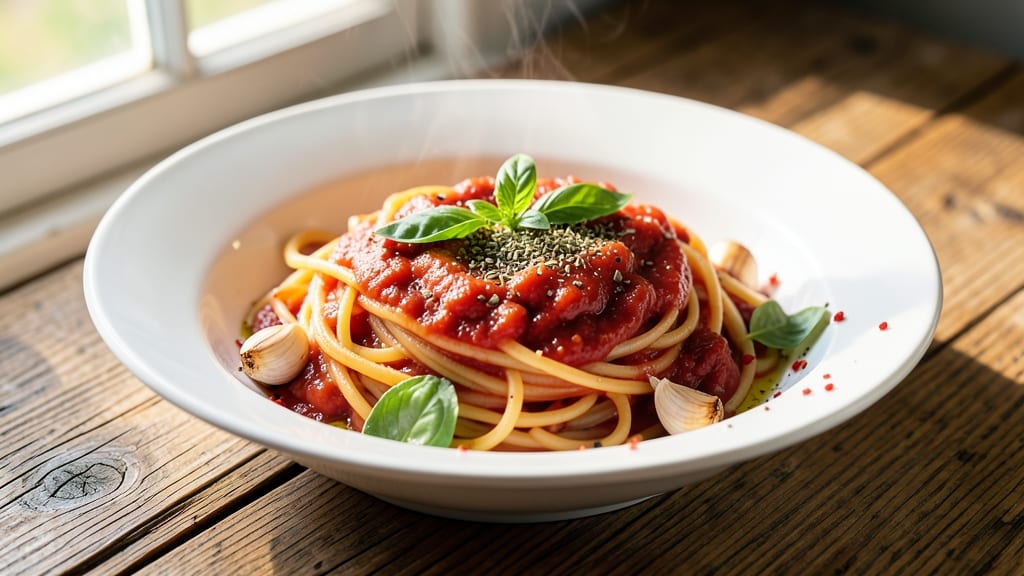
This basic red sauce pasta recipe delivers restaurant-quality tomato-basil richness in just 30 minutes—no fancy techniques required. The secret lies in simmering crushed tomatoes with garlic, olive oil, and fresh basil until deeply flavorful, then tossing with perfectly cooked pasta for a sauce that clings beautifully.
I developed this version after years of testing shortcuts that still taste authentic, and it never fails to impress even picky eaters.
The beauty of this recipe is its simplicity: no blenders, no special ingredients, just a few pantry staples that transform into a vibrant, aromatic sauce. Start by building the sauce on the stove while the pasta boils—this one-pot method minimizes cleanup and ensures maximum flavor infusion.
The key is patience in simmering, which allows the tomatoes to break down into a velvety consistency without turning mushy.
What you'll end up with is al dente pasta coated in a glossy, tomato-basil sauce that's bright, slightly sweet, and packed with herby depth.
The aroma alone will have everyone gathering at the table, and the first bite delivers that perfect balance of tangy tomatoes, garlicky warmth, and fresh basil notes. This is the kind of weeknight dinner that feels special without requiring hours in the kitchen.
Serve immediately with grated Parmesan and fresh basil for garnish, or let it sit for 10 minutes to thicken slightly. The sauce keeps well for up to 3 days in the fridge, making it perfect for meal prep. Here's how to make it—simple, foolproof, and always delicious.
Ingredients for basic red sauce pasta
Pantry staples meet fresh aromatics for this one-pot tomato-basil masterpiece.
| Ingredient | Amount | Notes |
|---|---|---|
| Extra-Virgin Olive Oil 🫒 | ½ cup | High-quality, fruity variety preferred |
| Garlic Cloves 🧄 | 4 cloves | Freshly minced for optimal flavor |
| Crushed Tomatoes 🍅 | 28 oz | San Marzano preferred for sweetness |
| Fresh Basil Leaves 🌿 | 1 cup | Packed, stems removed for texture |
| Dried Oregano 🍃 | 1 tsp | Italian variety for authentic flavor |
| Red Pepper Flakes 🌶️ | ½ tsp | Adjust for desired heat level |
| Salt 🧂 | 1 ½ tsp | Diamond Crystal kosher preferred |
| Black Pepper 🌶️ | ½ tsp | Freshly ground for best flavor |
| Pasta 🍝 | 12 oz | Spaghetti or penne recommended |
| Parmesan Cheese 🧀 | ½ cup | Freshly grated from block |
| Reserved Pasta Water 💧 | ½ cup | From cooked pasta |
The crushed tomatoes are the foundation—San Marzano delivers unmatched sweetness and consistency. Grab a 28-oz can from the Italian section at Whole Foods or Trader Joe's for best results. Fresh basil should be vibrant green with no yellowing—Costco often has great organic bunches for bulk purchases. For the olive oil, Californian extra-virgin brands like Corto or Otto elevate the dish without overpowering. The garlic should be firm with no sprouting—three cloves per serving ensures balanced flavor without bitterness.
No fresh basil? Dried oregano at double the amount works in a pinch, though texture suffers. Substitute red pepper flakes with crushed cayenne at half the quantity for more heat. The pasta water is critical—reserve half a cup before draining to emulsify the sauce. For a quicker version, pre-minced garlic from the jar saves time, though fresh is superior. If your tomatoes taste bland, add half a teaspoon of sugar to balance acidity. The Parmesan must be freshly grated—pre-shredded contains anti-caking agents that make it grainy.
Pasta keeps best in the fridge for 2-3 days when stored in an airtight container with sauce. The sauce alone lasts 4 days refrigerated—reheat gently to preserve texture. For longer storage, freeze portions in ice cube trays with a splash of pasta water, then transfer to a bag. Thaw overnight in the fridge before reheating. The sauce thickens as it cools, so add reserved pasta water as needed when reheating. Always taste before serving—adjust salt and pepper to personal preference.
Why You'll Love This Recipe
- Same sauce, different vibes: toss it with spaghetti for a quick dinner or pile it onto crusty bread for a lazy Sunday brunch. The oregano keeps it bold enough for company but simple enough for a Tuesday.
- No-Chop Needed: I swear by this—just crush the garlic (or use a press), dump in the crushed tomatoes, and let the olive oil do the work. The basil and oregano take care of themselves once they hit the simmer.
- Garlic-Kissed Magic: That first hit of sizzling garlic in olive oil? It’s the secret weapon. The crushed tomatoes mellow into something rich, and the basil brightens it all up like a fresh breath of air.
- Weeknight to Party: Same sauce, different vibes: toss it with spaghetti for a quick dinner or pile it onto crusty bread for a lazy Sunday brunch. The oregano keeps it bold enough for company but simple enough for a Tuesday.
Step-by-step instructions for tomato-basil pasta
This one-pot method delivers restaurant-quality tomato sauce with perfectly al dente pasta.
Sauté Garlic in Olive Oil Until Fragrant
Heat the 0.5 cup extra-virgin olive oil in a large, deep skillet over medium-low heat. Add the 4 cloves minced garlic and cook for 2-3 minutes until golden and fragrant—not browned. Watch carefully; garlic burns quickly and becomes bitter.
Here's the thing—low heat ensures the garlic infuses the oil without burning. If you smell a sharp, acrid aroma, you've gone too far. Remove from heat immediately if this happens, as we'll need to restart. The oil should shimmer gently, indicating proper heat for the next step.
Build the Tomato Sauce Base
Return the skillet to medium heat and add the 28 oz crushed tomatoes, 1 tsp dried oregano, 0.5 tsp red pepper flakes, 1.5 tsp salt, and 0.5 tsp black pepper. Stir well to combine, then reduce heat to low and let the sauce simmer uncovered for 15 minutes.
This simmering time allows the flavors to meld and the sauce to thicken naturally. You'll notice the sauce reduces slightly and develops a deeper, more concentrated tomato flavor. Stir occasionally to prevent sticking, but don't over-stir—this can break down the tomato texture.
Add Pasta and Cook Al Dente
Increase heat to medium-high and add the 12 oz pasta (spaghetti or penne). Stir immediately to prevent clumping, then add about 4 cups of water (enough to generously cover the pasta). Bring to a boil, then reduce heat to medium and cook uncovered for 10-12 minutes, stirring occasionally.
The pasta should be al dente—firm to the bite with a slight resistance. Taste-test by removing a strand; it should be tender but not mushy. If the sauce thickens too much during cooking, add ½ cup hot water to maintain proper consistency. Don't skip this check—undercooked pasta will finish in the sauce, while overcooked pasta becomes gummy.
Finish with Fresh Basil and Parmesan
When the pasta is al dente, drain all but 0.5 cup of the pasta water (this is your reserved water). Stir the pasta back into the sauce along with the 1 cup fresh basil leaves and 0.5 cup grated Parmesan cheese. Toss well to combine, then cook for an additional 2-3 minutes over low heat.
The fresh basil will wilt slightly, releasing its aromatic oils into the sauce. If the mixture looks too thick, add the reserved 0.5 cup pasta water to create a silky, clinging sauce. The pasta should be fully coated with a vibrant red sauce that's neither too thin nor too thick—just right for serving immediately.
Pro Tips For Making Basic Red Sauce Pasta
- Cook Garlic Slowly: I learned this the hard way—crispy garlic tastes like regret. Once the oil shimmers, add whole garlic cloves (peeled) and cook on low heat until golden, about 8-10 minutes. Only then crush them into the sauce—this prevents bitterness and adds depth the crushed-garlic shortcut misses.
- Simmer Tomatoes Gently: High heat turns crushed tomatoes into a watery mess. After adding them, reduce to a barely bubbling simmer and let cook uncovered for 20-25 minutes. This concentrates the flavor and thickens the sauce naturally—no stirring required.
- Salt the Crushed Tomatoes: Unsalted crushed tomatoes? A flavor crime. Sprinkle 1-1½ teaspoons of salt directly into the can before adding it to the pot. This seasons the sauce from the start, saving you from over-salting later (yes, even if the can claims it’s "low-sodium").
- Toast the Oregano First: Skip the dry rub—heat the olive oil until fragrant, then add dried oregano for 10 seconds until it smells like summer. Remove it with a slotted spoon before adding garlic. This wakes up the flavor without turning the sauce bitter. (Your future self will notice.)
Essential equipment for this recipe
Large Skillet Essentials
Your 12-inch cast iron skillet or heavy stainless steel pan is the workhorse here—I swear by my Lodge Pre-Seasoned Cast Iron for even heat distribution and natural non-stick properties. The deep sides prevent sauce splatter when stirring, and cast iron retains heat beautifully for that perfect simmer.
If you don’t own cast iron, a high-quality stainless steel like All-Clad works just as well. 🔥
Wooden Spoon Must-Have
Never use metal utensils when building your sauce—they can scratch your pan and break down the tomato texture. My go-to is a long-handled wooden spoon (I use OXO Good Grips) that reaches all corners of the pan.
The natural wood won’t leach flavors and gently stirs without damaging your pan’s seasoning. Keep it handy for the entire cooking process.
Fine-Mesh Strainer
For draining pasta while reserving that golden liquid, a fine-mesh strainer with a deep bowl (like the OXO Good Grips Pasta Server) is a game-changer. It catches even the smallest pasta strands while letting water flow freely.
I always keep one in my kitchen—it’s worth the small investment for this recipe alone. Pro tip: Rinse it immediately after use to prevent tomato residue from drying and sticking.
Cheese Grater
Freshly grated Parmesan makes all the difference, and a microplane grater (like the Barbagallo) gives you the finest, most flavorful shavings. Pre-shredded cheese contains anti-caking agents that make it grainy and less aromatic.
If you don’t have a microplane, a box grater with the smallest holes works in a pinch—just grate right over your sauce to avoid waste. 🧀
Timer for Precision
Timing is everything—especially when cooking pasta al dente. A kitchen timer with a loud alarm (I use OXO’s 30-minute countdown timer) ensures you don’t overcook. Set it for 10-12 minutes when adding pasta, then check 2 minutes early to test for doneness.
The timer also reminds you to stir occasionally, preventing sticking. Place it where you’ll hear it clearly over the stove noise.
Optional: Immersion Blender
If you prefer a smoother sauce, an immersion blender (like Magic Bullet’s hand blender) lets you blend directly in the pot without transferring to a blender. Pulse for 10-15 seconds after simmering the tomatoes to break up any large chunks while keeping the texture velvety.
This is purely optional—hand-stirring gives a rustic texture that many prefer—but it’s handy for busy weeknights. ✨
Nutrition facts
Frequently asked questions
Can I use canned tomato sauce instead of crushed tomatoes?
Yes, but with adjustments! Canned tomato sauce is thicker and less acidic, so add 1-2 tablespoons of water to thin it and ½ teaspoon of sugar to balance flavor. Simmer for 10 minutes instead of 15 since it's already reduced. For best results, choose a brand with no added salt or preservatives.
How do I prevent the sauce from getting too acidic?
Balance the acidity by adding ½ teaspoon of sugar when simmering the tomatoes, or a pinch of baking soda (⅛ teaspoon max) to neutralize tang. For extra depth, stir in 1 teaspoon of tomato paste at the start—it adds natural sweetness. Taste frequently to adjust before adding pasta.
What's the best pasta shape for this sauce?
Short shapes like penne or rigatoni work best—their ridges catch the sauce beautifully. For long pasta, spaghetti or linguine are ideal. Avoid delicate shapes like angel hair, which can break when tossing. Pro tip: Cook pasta 1 minute less than package instructions for al dente perfection.
Can I make this ahead of time?
Cook the pasta and sauce separately, then refrigerate for up to 2 days. Reheat gently in a skillet with 2 tablespoons of water to restore moisture. For best texture, add fresh basil and Parmesan only when reheating. The sauce thickens when chilled, so thin with reserved pasta water when reheating.
Why did my sauce turn out too thick?
This usually happens from over-simmering or not enough liquid. Fix it by adding reserved pasta water (start with ¼ cup) while stirring. If the sauce is still too thick, mix 1 tablespoon of cornstarch with 2 tablespoons of water, stir into the sauce, and simmer for 2 minutes until thickened. Prevention tip: Keep the heat at low-medium and cover partially when simmering.