
Sauces & Condiments
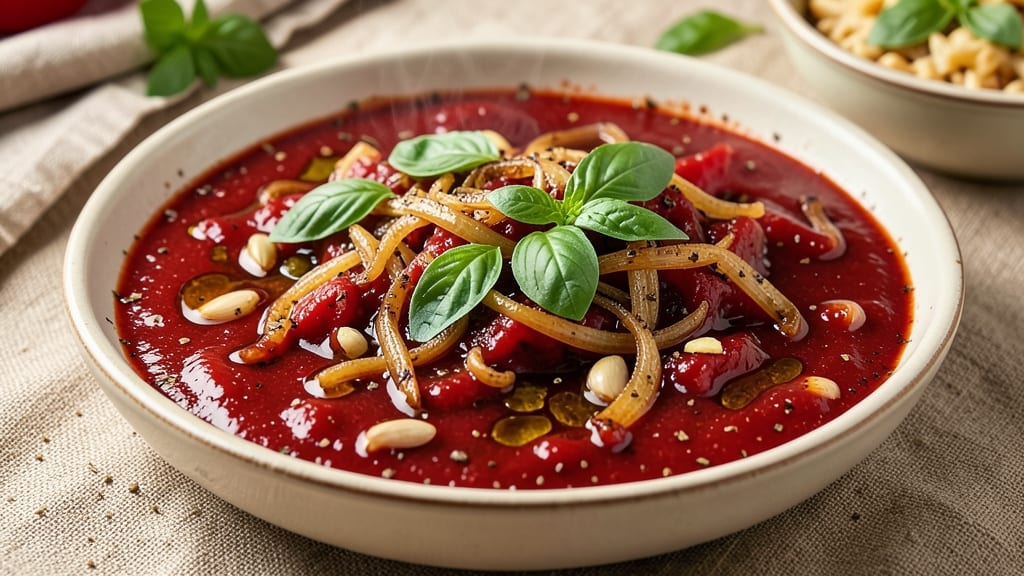
This basic lasagna sauce recipe delivers deep, rich tomato flavor without the messy splatter—perfect for layering or serving on its own. The secret lies in slow-cooked tomatoes, aromatic garlic, and a balance of herbs that develop into complex, savory layers. I’ve perfected this sauce over years of lasagna-making, ensuring it’s versatile enough for any dish while staying true to classic Italian roots.
What sets this sauce apart is its simplicity: just a few pantry staples create a foundation that’s both bold and adaptable. A touch of cream at the end adds velvety richness, while a sprinkle of parmesan deepens the umami.
The sauce thickens naturally as it simmers, creating that perfect consistency for lasagna layers or as a standalone pasta sauce.
By the time you’re done, you’ll have a sauce that’s rich, slightly sweet, and packed with layered flavors—no shortcuts, no store-bought shortcuts. It’s the kind of sauce that makes every bite of lasagna feel like a restaurant-quality experience.
The best part? It keeps well in the fridge, so you can make a big batch and use it all week.
Whether you’re building lasagna, tossing it with noodles, or using it as a marinade, this sauce is your go-to for effortless depth. Let’s get started—your next lasagna night just got better.
Ingredients for basic lasagna sauce
Nine simple ingredients create restaurant-quality lasagna sauce with deep flavor and perfect texture.
| Ingredient | Amount | Notes |
|---|---|---|
| Canned San Marzano Tomatoes 🍅 | 28 oz | Crushed by hand for texture |
| Extra-Virgin Olive Oil 🫒 | ½ cup | High quality, fruity variety |
| Garlic Cloves 🧄 | 4 cloves | Peeled and smashed for flavor |
| Yellow Onion 🧅 | 1 whole | Medium size, finely chopped |
| Fresh Basil Leaves 🌿 | ¼ cup | Packed, stems removed |
| Dried Oregano 🍃 | 1 tsp | Italian or Mediterranean blend |
| Ground Black Pepper 🌶️ | ½ tsp | Freshly ground preferred |
| Kosher Salt 🧂 | 1 ½ tsp | Diamond Crystal preferred |
| Heavy Cream 🥛 | ¼ cup | Full-fat for richness |
| Parmesan Cheese 🧀 | ¼ cup | Freshly grated from block |
The tomatoes make or break this sauce. San Marzano is ideal—sweet, meaty, and perfect for slow cooking. Grab a 28-oz can from Whole Foods or Trader Joe's for the best quality. If you can't find them, any high-quality crushed tomatoes work. The basil? Fresh is non-negotiable—it adds that bright, aromatic punch. I always buy a big bunch and use half for this sauce, saving the rest for pesto. For the Parmesan, grate it yourself—pre-grated tastes like sawdust in comparison. A microplane works best for that fine, snowy texture.
No San Marzano tomatoes? High-quality crushed tomatoes from a trusted brand like Muir Glen will do. Short on fresh basil? Dried oregano at half the amount gets you close, but you'll miss that freshness. Want to make this vegan? Swap the heavy cream for coconut cream or cashew cream. The olive oil matters here too—avoid cheap, flavorless oils. If you're in a pinch, butter can replace half the olive oil for extra richness. For a deeper umami, add a dash of balsamic vinegar or a pinch of red pepper flakes if you like heat.
This sauce tastes even better the next day as the flavors meld. Store in an airtight container in the fridge for up to 5 days. For longer storage, freeze in 1-cup portions for up to 3 months. I always make a double batch—one for lasagna night, one for pasta. The sauce thickens as it cools, so you can always loosen it with a splash of water or broth when reheating. Perfect for meal prep—just grab a jar and toss with noodles or use it as a marinade.
Why You'll Love This Recipe
- Here’s what sold me: that moment when the garlic softens just enough to caramelize but still packs a punch. The basil at the end? Fresh, bright, and just enough to lift the whole thing without overpowering. It’s the kind of sauce that makes you pause mid-bite and think, “Wait, is this really just tomatoes?”
- Pantry Magic: I swear by this sauce because it’s the kind of magic you can pull off with exactly what’s in your cupboard. No fancy ingredients, just crushed San Marzano tomatoes simmering with garlic and onion—no chopping, no stress, just pure, rich flavor that tastes like you spent hours on it.
- Garlic-Kissed Depth: Here’s what sold me: that moment when the garlic softens just enough to caramelize but still packs a punch. The basil at the end? Fresh, bright, and just enough to lift the whole thing without overpowering. It’s the kind of sauce that makes you pause mid-bite and think, “Wait, is this really just tomatoes?”
- Weeknight to Party: Between us, this sauce works for everything—a quick lasagna on a Tuesday, a potluck dish that actually impresses, or even dolloped over grilled chicken. I once brought it to a dinner party in a slow cooker, and no one believed it was “basic.” (They also asked for the recipe.)
Step-by-step instructions for basic lasagna sauce
Here's how to create a rich, velvety sauce that'll make your lasagna layers sing.
Sauté Onion and Garlic Until Soft
Heat the 0.5 cup extra-virgin olive oil in a large pot over medium heat. Add the 1 whole yellow onion, chopped into small pieces, and cook for 5-6 minutes until it becomes translucent and just starts to soften. This is your flavor foundation—don't rush it.
Push the onions to the sides of the pot and add the 4 cloves garlic cloves, peeled and smashed. Cook for 30-45 seconds until the garlic releases its aroma but doesn't turn golden. You'll know it's ready when the kitchen smells like a fresh Italian garden. Remove from heat immediately to prevent burning.
Build the Tomato Base
Return the pot to medium heat and add the 28 oz canned San Marzano tomatoes. Stir to combine with the onion and garlic mixture. Bring to a gentle simmer, then reduce heat to low. Let it cook uncovered for 15-20 minutes, stirring occasionally, until the sauce thickens slightly.
This slow simmering process allows the flavors to meld together beautifully. You'll notice the sauce will darken slightly—that's perfect. It's developing depth of flavor right before your eyes. If you see any foam forming on top, skim it off with a spoon to keep the sauce smooth.
Season and Simmer for Depth
Add the 1.5 tsp kosher salt, 0.5 tsp ground black pepper, and 1 tsp dried oregano to the simmering tomato mixture. Stir well to distribute the seasonings evenly. Let the sauce continue simmering for another 10 minutes, stirring occasionally to prevent sticking.
Here's where the magic happens: the acidity from the tomatoes will mellow out, and the flavors will become more complex. You'll see the sauce reduce slightly and coat the back of a spoon—that's exactly what you want. The sauce should smell rich and inviting, with notes of garlic and herbs.
Finish with Cream and Cheese
Reduce the heat to low and stir in the 0.25 cup heavy cream. Let it simmer gently for 2-3 minutes, stirring constantly to prevent curdling. The cream will give your sauce that luxurious, velvety texture that makes lasagna so irresistible.
Finally, stir in the 0.25 cup freshly grated Parmesan cheese until it melts completely into the sauce. Add the 0.25 cup fresh basil leaves, torn into small pieces. Taste and adjust seasoning if needed—this is your chance to perfect the flavor. The sauce should be rich, slightly tangy, and perfectly balanced.
Cool and Prepare for Layering
Remove the pot from heat and let the sauce cool for 10-15 minutes. This resting period allows the flavors to settle and the sauce to thicken slightly more. You'll want to use it at room temperature when assembling your lasagna to prevent steaming the noodles.
Here's a pro tip: if you're not using the sauce immediately, you can refrigerate it for up to 3 days or freeze it for 3 months. When reheating, warm it gently on the stove over low heat, stirring frequently to prevent scorching. This sauce is even better the next day as the flavors continue to develop!
Pro Tips For Making Basic Lasagna Sauce
- CRUSH THE ONION FIRST: Dice that onion fine—think rice grains, not chunks—so it dissolves into the oil instead of lingering as chewy bits. I used to skip this, and half the time, I’d end up with onion-flavored sauce with visible texture. Takes 30 seconds extra, but the result is silky.
- SWEAT THE GARLIC LOW: Add the minced garlic after the onion’s done sweating, then reduce the heat to the lowest setting. Watch it like a hawk—it burns faster than you’d think. Burnt garlic turns the whole sauce bitter, and you’ll taste it in every layer.
- BREAK DOWN THE TOMATOES: Don’t just dump whole San Marzanos into the pot. Smash them with your hands or a wooden spoon first—this releases their juices and blends the flavors faster. I learned this after making sauce that tasted like it was still in jar form.
- SAVE THE BASIL LAST: Tear the basil leaves at the very end and stir them in just until wilted—about 30 seconds. Adding them earlier turns the sauce bitter, and you’ll end up with a sad, dark green sludge instead of bright, fresh flavor. (Yes, even if you’re impatient like me.)
Common mistakes when making perfect results
Overcooking the Tomato Base
One of the biggest mistakes is letting the tomato base simmer too long before adding cream. When you cook tomatoes for more than 30-40 minutes at a low simmer, they lose their natural sweetness and develop a bitter, concentrated flavor.
I’ve ruined many batches by walking away and letting the sauce reduce too much. The goal is a balanced sauce—not a thick paste. Keep an eye on it and remove from heat once it starts to coat the back of a spoon. 🌡️
Skipping the Garlic Toast
Many recipes call for sautéing garlic until golden, but that’s a flavor disaster. Overcooked garlic turns bitter and acrid, ruining your entire sauce. Instead, cook it just until fragrant—about 30-45 seconds—then remove it from heat immediately.
I learned this the hard way after burning a batch of sauce with overcooked garlic. The aroma should be fresh and inviting, not burnt. 🧄
Ignoring the Cream Temperature
Adding cold heavy cream directly to a hot sauce will cause it to curdle, creating an unappetizing texture. Always warm the cream separately over low heat for 1-2 minutes until it’s steaming but not boiling.
Then, slowly whisk it into the sauce while stirring constantly. I once added cold cream and ended up with a lumpy mess—now I always warm it first. The result is a silky, velvety finish. 🥛
Using Pre-Grated Parmesan
Pre-grated Parmesan contains anti-caking agents that make it taste like sawdust. Freshly grated cheese melts smoothly and adds depth of flavor. Invest in a microplane or box grater and grate 0.25 cup of Parmesan directly into the sauce.
The difference in texture and taste is night and day. I always keep a block of Parmesan on hand just for this reason. 🧀
Not Tasting as You Go
Many home cooks add all the seasonings at once and never adjust. Instead, taste the sauce at each stage—after the tomato base, after adding salt and pepper, and especially after incorporating the cream and cheese. Adjust with kosher salt or black pepper as needed.
I can’t tell you how many times I’ve had to rescue a bland sauce by adding a pinch more salt or a splash of balsamic vinegar. Trust your taste buds! 💡
Rushing the Simmering Process
Lasagna sauce needs time to develop its complex flavors. Rushing the simmering process by turning up the heat will make the sauce cook unevenly and lose its depth. Always maintain a gentle simmer over low heat, stirring occasionally.
Patience is key here—let the sauce work its magic. The longer it simmers (up to 30 minutes total), the richer and more flavorful it becomes. 🕒
Nutrition facts
Frequently asked questions
Can I make this sauce without heavy cream?
For a lighter version, replace the 0.25 cup heavy cream with 0.25 cup whole milk or coconut milk for a dairy-free option. If you want extra richness without cream, add 1 tablespoon butter at the end. The sauce will still be delicious—just slightly less velvety.
How do I adjust this sauce for spaghetti or other pasta?
This sauce works perfectly for pasta! For spaghetti or penne, use about 1.5 cups of sauce per pound of pasta. Toss the drained noodles with sauce and a sprinkle of Parmesan. For extra flavor, add 1 tablespoon olive oil to the pasta water before draining. The sauce's richness pairs beautifully with any Italian pasta shape.
Why does my sauce taste too acidic?
Acidity often comes from undercooked tomatoes or too much lemon/balsamic. Let the sauce simmer longer (15-20 minutes) to mellow the acidity, or balance it with 1 teaspoon sugar or 1 tablespoon heavy cream. If using San Marzano tomatoes, they're naturally sweeter—regular crushed tomatoes may need extra sugar. Taste as you go!
Can I make this sauce in a slow cooker?
Yes! Sauté the onion and garlic first, then transfer everything to a slow cooker. Cook on low for 4-5 hours or high for 2-3 hours. Stir occasionally and add cream/cheese in the last 30 minutes. The slow cooker method deepens flavors but may need extra seasoning since it's less concentrated. Perfect for hands-off cooking!
What if I don't have fresh basil?
No problem! Use 1 tablespoon dried basil (or 1 teaspoon basil extract if available) as a substitute. For extra depth, add 1/2 teaspoon red pepper flakes or a pinch of nutmeg. The sauce will still taste amazing—just with a slightly different herbal profile. Dried herbs work best when added early in the cooking process.