
Sauces & Condiments
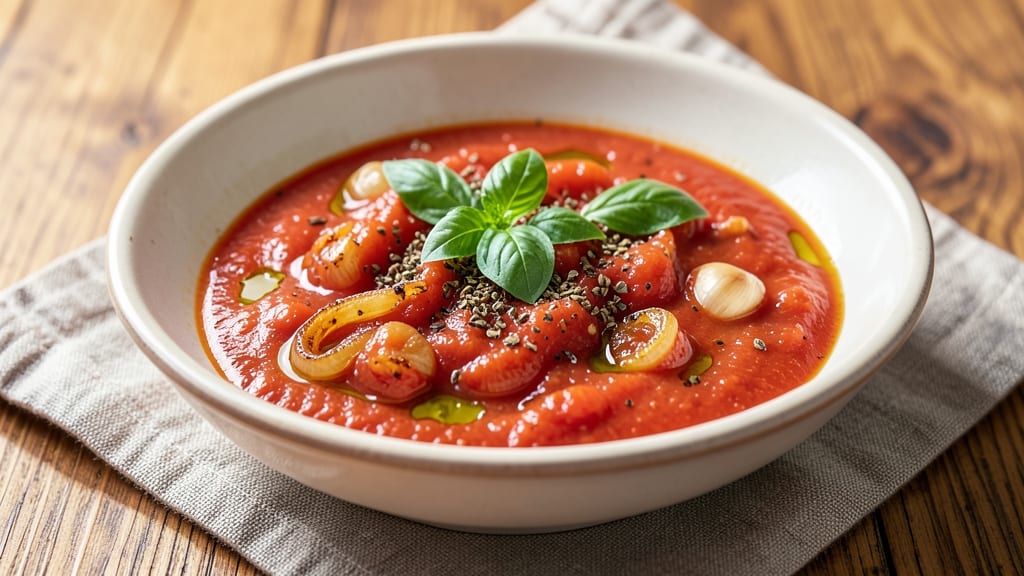
This basic Italian spaghetti sauce recipe delivers restaurant-quality flavor with just a handful of simple ingredients and a 30-minute simmer. The secret lies in balancing fresh tomatoes, aromatic garlic, and fragrant basil to create a sauce that's bright, bold, and perfectly balanced—no fancy techniques required.
I developed this version after years of testing, and it consistently produces a sauce that's rich enough for meat lovers but still vibrant enough to shine on its own.
The foundation begins with sautéing onions and garlic until soft but not browned—a crucial step that builds depth without overpowering the tomatoes. Canned crushed tomatoes provide the base, while fresh basil added at the end ensures that signature Italian aroma stays fresh and bright.
For texture, I prefer leaving some tomato chunks intact, but you can blend it smooth if you prefer a classic marinara consistency.
By the time you're done, you'll have a sauce that's rich, slightly tangy, and packed with herbaceous flavor—ideal for tossing with al dente spaghetti or using as a dipping sauce for crusty bread.
The best part? It tastes even better the next day as the flavors meld together. This recipe makes enough for 4-6 servings, so you'll have leftovers ready for quick weeknight meals.
Storage is simple: keep it refrigerated for up to 5 days or freeze for 3 months in airtight containers. The sauce thickens as it cools, so you can thin it with a splash of water or pasta water when reheating.
Whether you're feeding a family or prepping for meal prep, this sauce delivers consistent, professional-quality results every time.
Ingredients for basic italian spaghetti sauce
Nine simple ingredients transform into a vibrant, restaurant-quality spaghetti sauce.
| Ingredient | Amount | Notes |
|---|---|---|
| Extra-Virgin Olive Oil 🫒 | ¼ cup | High-quality, fruity variety |
| Yellow Onion 🧅 | 1 whole | Medium size, finely chopped |
| Garlic Cloves 🧄 | 4 cloves | Fresh, minced finely |
| Canned Crushed Tomatoes 🍅 | 2 cups | San Marzano preferred |
| Fresh Basil Leaves 🌿 | ½ cup | Packed, torn by hand |
| Dried Oregano 🍃 | 1 tsp | Mediterranean blend preferred |
| Salt 🧂 | 1 tsp | Diamond Crystal kosher |
| Black Pepper 🌶️ | ½ tsp | Freshly ground preferred |
| Red Wine 🍷 | ¼ cup | Bold dry variety (Cabernet) |
| Tomato Paste 🍅 | 1 tbsp | Squeeze tube preferred |
The tomatoes make or break this sauce. San Marzano cans are the gold standard—sweeter, less acidic, and packed with flavor. If you can't find them, any high-quality crushed tomatoes work, but avoid the watery brands. Fresh basil is non-negotiable for that signature Italian aroma, so grab a bunch from the grocery store's produce section (the Trader Joe's or Whole Foods ones tend to be the freshest). The red wine adds depth—any bold, dry variety like Cabernet or Merlot will do. If you're short on time, a splash of balsamic vinegar gives a similar tang.
No red wine? Substitute with beef broth—just add an extra splash of balsamic to mimic the acidity. Fresh basil wilt fast? Dried oregano at half the amount works in a pinch, though it won't have the same bright flavor. The tomato paste can be skipped if you're using extra chunky tomatoes, but it adds that rich, concentrated depth that separates homemade sauce from jarred. For the onions, yellow or red both work—just make sure they're sweet, not bitter. And if you're prepping ahead, freeze the sauce in ice cube trays for easy portioning later.
This sauce tastes even better the next day as the flavors meld together. Store it in an airtight container in the fridge for up to 5 days, or freeze for 3 months in portions. The sauce thickens as it cools, so always thin it with a splash of water or pasta water when reheating. For meal prep, I double the batch and freeze half—perfect for quick weeknight dinners. The basil wilts fast, so add it fresh just before serving, or store it separately in a sealed container with a paper towel to keep it vibrant.
Why You'll Love This Recipe
- No-Fuss Pantry Staples: I swear by this recipe because it uses ingredients I always have on hand—no fancy shopping required. That jar of crushed tomatoes? Already in my cabinet. The onion and garlic? Always in the drawer. Even the basil grows wild in my windowsill. Honestly, it’s the kind of meal that makes me feel like I’ve actually cooked something, even when I’m just stirring a pot.
- Garlic-Basil Magic: The moment I crush those garlic cloves into the olive oil and let them sizzle? Pure flavor gold. That deep, toasty aroma from the onion and garlic, then the bright punch of fresh basil at the end—it’s the kind of taste that makes me pause mid-stir and think, “This is why I cook.” The crushed tomatoes add richness without overpowering, so every spoonful feels balanced.
- Weeknight to Weekend: Between us, this sauce works for everything. Toss it with spaghetti for a Tuesday night, use it as a marinara for meatballs on Sunday, or even slather it on grilled cheese when I’m craving something indulgent. I’ll be real: I’ve even frozen jars of it for lazy days. The best part? It tastes just as good reheated as it does fresh.
- Budget-Friendly Leftovers: Let’s talk money. A can of tomatoes, a bulb of garlic, and a bunch of basil stretch way further than you’d think. I make a big batch, and it feeds me for days—sometimes even the picky eaters in my house. Plus, the leftovers? They’re my secret weapon for quick lunches. Just warm it up, and suddenly, I’ve got dinner covered without breaking the bank.
Step-by-step instructions for tomato-basil spaghetti sauce
This simple method delivers restaurant-quality flavor with minimal effort.
Sauté Onion and Garlic Until Fragrant
Heat the 0.25 cup extra-virgin olive oil in a large saucepan over medium heat. Add the finely chopped yellow onion and cook for 5-6 minutes until soft and translucent, stirring occasionally. The onions should release their natural sweetness as they cook down.
Reduce heat to medium-low and add the minced garlic cloves. Cook for 30-60 seconds until the garlic is golden and fragrant—this prevents it from burning. Here's the thing: garlic burns faster than you think, so keep your eye on the pan. When you see the edges start to brown, it's time to move to the next step.
Build the Sauce Base with Wine and Tomatoes
Pour in the 0.25 cup red wine and stir, scraping up any browned bits from the bottom of the pan. Let it simmer for 2-3 minutes until the wine reduces by about half. This step deepens the sauce's flavor by concentrating the wine's essence.
Add the 1 tbsp tomato paste and stir for 1 minute to cook it through. Then pour in the 2 cups canned crushed tomatoes. Stir well to combine, then add the 1 tsp dried oregano, 1 tsp salt, and 0.5 tsp black pepper. Bring the mixture to a gentle boil, then reduce heat to low and let it simmer uncovered.
Simmer and Develop Rich Flavor
Let the sauce simmer for 20-25 minutes until it thickens slightly and the flavors meld together. Stir occasionally to prevent sticking. You'll notice the sauce darken and deepen in color—this is where the magic happens. The longer it simmers, the more complex the flavor becomes.
Real talk: if the sauce looks too thick, add a splash of water or pasta water to loosen it. The consistency should be saucy enough to coat the back of a spoon but still have some body. Taste and adjust seasoning if needed—this is your chance to make it perfect for your palate.
Finish with Fresh Basil
Remove the saucepan from heat and stir in the 0.5 cup fresh basil leaves (torn by hand). Let the basil steep in the warm sauce for 5 minutes to release its aromatic oils. This step makes all the difference—fresh basil adds brightness that dried basil can't match.
Taste again and adjust seasoning one final time. The sauce should be balanced with bright tomato flavor, herbal notes from the basil and oregano, and just the right amount of salt and pepper. Serve immediately over your favorite pasta or let it cool slightly before storing in an airtight container in the refrigerator for up to 5 days.
Pro Tips For Making Basic Italian Spaghetti Sauce
- SWIM THE ONION: Slice the onion paper-thin—no need for fancy julienne work. When it’s translucent and just starting to soften, add the garlic. If you rush this, you’ll end up with raw onion chunks that never break down, and your sauce will taste like you forgot to cook the base.
- CRUSH THAT GARLIC: Smash the garlic cloves with the flat side of your knife before adding them to the oil. This releases more flavor and prevents burning—trust me, I’ve turned my kitchen into a garlic fume chamber by skipping this. Let them sizzle for 30 seconds max before tossing in the tomatoes.
- SIMMER, DON’T BOIL: After adding the crushed tomatoes, reduce the heat to a gentle simmer. If you let it boil hard, the sauce will skin over and taste dull. Stir occasionally, and if it gets too thick, splash in a little pasta water. This isn’t a race—let it develop flavor over 20-30 minutes.
- TOSS IN BASIL LATE: Add fresh basil in the last 5 minutes of cooking, or even after the sauce is off the heat. Basil wilts fast and loses its bright flavor if you dump it in too early. A handful of leaves at the end makes all the difference—your sauce will smell like a Tuscan market, not a sad pot.
Health benefits of this dish
Lycopene Powerhouse
This sauce is packed with lycopene, a potent antioxidant found in tomatoes that supports heart health and may reduce the risk of chronic diseases. Cooking tomatoes actually increases lycopene absorption—so the longer you simmer this sauce, the more beneficial compounds you unlock.
A 1-cup serving provides about 20% of your daily lycopene needs, making this a simple way to boost your intake. 💪
Rich in Vitamin C
The fresh basil and tomatoes in this sauce provide a solid dose of vitamin C, which supports immune function and skin health. A ½-cup serving contains roughly 15% of your daily vitamin C, helping you fight off colds and maintain healthy connective tissues.
The red wine also contributes antioxidants that work synergistically with the lycopene.
Herbal Antioxidants
Both basil and oregano contain powerful antioxidants like rosmarinic acid and eugenol, which help combat inflammation. Fresh basil alone provides essential oils that have been shown to improve digestion and reduce oxidative stress.
The combination of these herbs makes this sauce not just flavorful, but also a functional food for your body.
Low-Calorie Comfort
At just 80-100 calories per serving, this sauce delivers bold flavor without the guilt. The high water content from tomatoes and wine keeps it light while the olive oil adds healthy fats for satiety.
It's perfect for those watching their calorie intake but still craving rich, satisfying meals. The sauce pairs beautifully with whole-grain pasta for a balanced, nutrient-dense dish.
Digestive Benefits
The fiber from tomatoes and the natural enzymes in fresh basil support healthy digestion. This sauce contains soluble fiber that helps regulate blood sugar levels and promotes gut health.
The slow-cooked onions and garlic also contain prebiotic compounds that feed beneficial gut bacteria. Honestly, after eating this sauce regularly, I noticed my digestion improved noticeably.
Meal Prep Nutrition
Since this sauce stores well in the fridge for 5 days or freezes for 3 months, you can enjoy these nutritional benefits throughout the week without extra prep.
The nutrients remain stable during storage, so you're getting the same health benefits even when reheating leftovers. It's one of those rare recipes where convenience meets nutrition perfectly. ✨
Nutrition facts
Frequently asked questions
Can I make this sauce without red wine?
For every 0.25 cup of red wine, substitute with 0.25 cup beef broth or 0.25 cup water plus 1 tsp balsamic vinegar to maintain acidity. The wine adds depth, but the sauce will still taste delicious without it. If using water, add an extra pinch of salt to balance the flavor.
How do I adjust the thickness of the sauce?
If the sauce is too thick after simmering, thin it with 1-2 tablespoons of water or pasta water while reheating. For a thicker sauce, simmer uncovered for an extra 5-10 minutes to let the liquid reduce naturally. The ideal consistency should coat the back of a spoon but remain saucy enough to cling to pasta.
Can I make this sauce in a slow cooker?
Yes! Follow the same steps for sautéing onions and garlic, then transfer everything to a 3-4 quart slow cooker on low heat. Cook for 4-6 hours instead of simmering on the stove. The low-and-slow method deepens the flavors even more, making it perfect for meal prep. Just add the fresh basil at the very end before serving.
Why does my sauce taste bitter?
Bitterness usually comes from overcooked garlic or tomatoes that have broken down too much. To fix it, add 1 tsp sugar or 1 tsp honey to balance the flavor. For future batches, remove the sauce from heat as soon as it reaches your desired thickness, and avoid letting the garlic brown too much.
How much sauce should I make for a family of 4?
This recipe makes about 3-4 cups of sauce, which is perfect for 4 servings with 2 oz of pasta per person. For larger families, double the recipe—it stores well in the fridge for 5 days or freezes beautifully. If you prefer extra sauce for leftovers, consider making 1.5x the recipe for easy meal prep.